(By Quratulain Khalid)
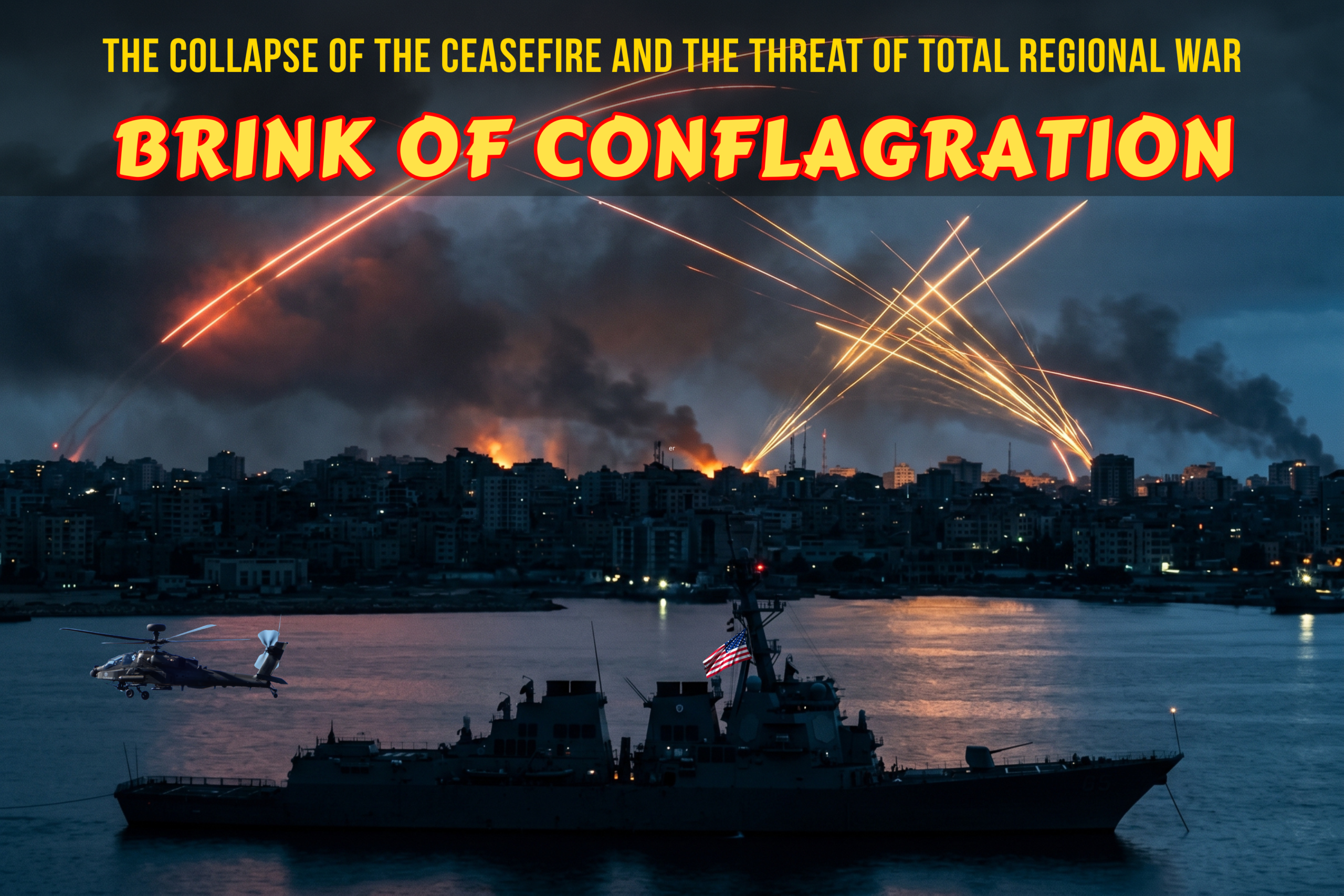
The Middle East is currently navigating its most perilous inflection point since the eruption of the 2026 Iran war. What began on February 28 with a massive wave of surprise US-Israeli airstrikes targeting Iranian military sites has now spiraled into a terrifying new phase of direct state-on-state confrontation. The fragile ceasefire between Israel and Hezbollah, agreed upon on June 1, has already shattered. The regional powder keg reached a critical boiling point on June 7, when Tehran launched a direct, unprecedented barrage of ballistic missiles toward Israel. With diplomatic channels stalled and proxy forces aggressively re-engaging across multiple fronts, the margin for strategic miscalculation has effectively vanished.
For Pakistan—a nation anchored at the vital geopolitical crossroads of South Asia, Central Asia, and the Greater Middle East—this escalating crisis is far from a distant geopolitical abstraction. The shockwaves of a full-scale regional conflagration would not be contained within the Levant or the Persian Gulf; they would strike directly at our national interests. A wider war carries profound, immediate implications for our macroeconomic stability, energy security, and internal cohesion, presenting a multidimensional challenge that Islamabad can neither ignore nor afford to be unprepared for.
The Immediate Flashpoints: A Ceasefire Shattered
The current crisis is defined by the rapid collapse of diplomatic off-ramps. On June 1, Israel and Hezbollah had agreed to a ceasefire to halt the cross-border violence. However, this pause was short-lived. On June 7, Iran launched a massive barrage of ballistic missiles toward Israel, marking a severe direct military escalation. Concurrently, Hezbollah resumed its attacks, firing rockets at northern Israel and resulting in the deaths of IDF soldiers in southern Lebanon by June 10. The US also launched fresh strikes on multiple targets in Iran around this time, signaling a hardened American posture.
Table 1: Timeline of the June 2026 Escalation
| Date (2026) | Event | Strategic Implication |
|---|---|---|
| February 28 | US and Israeli forces begin joint strikes on Iran | Outbreak of direct state-on-state war, targeting nuclear and military sites. |
| June 1 | Israel and Hezbollah agree to a ceasefire | Temporary halt to the northern front, aiming to prevent a multi-front war. |
| June 2–6 | Israel conducts continuous targeted strikes in southern Lebanon | Tests the fragile truce; degrades Hezbollah infrastructure and violates the spirit of the ceasefire. |
| June 7 (Day) | Israel strikes a Hezbollah FPV drone command center in Beirut | The immediate tactical provocation; crosses a red line for Tehran and its proxy network. |
| June 7 (Night) | Iran launches ballistic missile barrage at Israel | Collapse of the June 1 ceasefire; direct Iranian intervention to restore deterrence. |
| June 8–9 | Israel launches massive retaliatory airstrikes across Lebanon | Severe escalation on the northern front; targeting Hezbollah infrastructure in Beirut and the south. |
| June 9 | Iran rejects the US nuclear deal proposal | Diplomatic off-ramp blocked; reliance on Omani backchannels increases. |
| June 10 | Hezbollah kills IDF soldiers; China urges restraint | International pressure mounts as cross-border fire and proxy attacks intensify. |
“The collapse of the June 1 ceasefire was a tragic but predictable outcome of a strategy that relies on military force to achieve political goals. We are now witnessing the weaponization of deterrence by all sides, leaving no room for diplomatic breathing space.”
— Dr. Sarah Jenkins, Senior Fellow for Middle East Security, Center for Strategic and International Studies (CSIS).
The Nuclear Dimension and Diplomatic Collapse
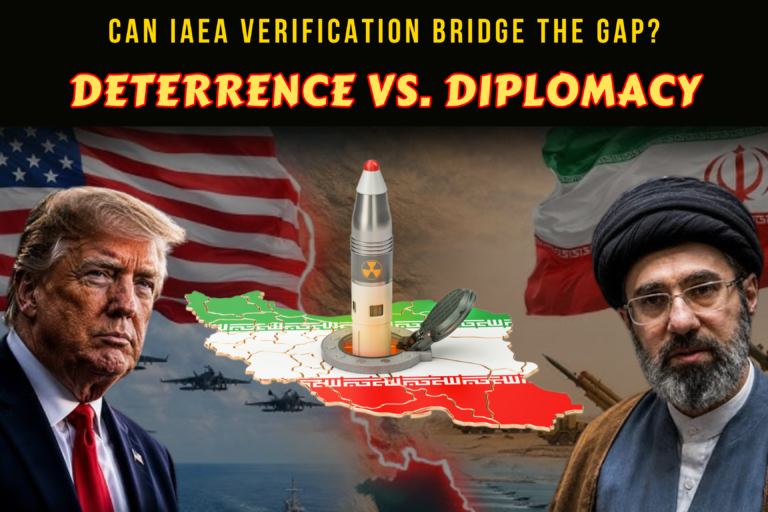
The military escalation is occurring precisely as diplomatic efforts to curb Iran’s nuclear ambitions have hit a wall. On June 8, the IAEA chief stated that the Iran-US nuclear talks are in a highly “complicated phase.” The very next day, Iran officially rejected the Trump administration’s proposal for a new nuclear deal. While Tehran signaled plans to present a counteroffer through Omani mediators, market analysts and geopolitical forecasters now give an overwhelming probability that no nuclear deal will be reached by the end of June. Iran is actively leveraging its support for Lebanon to delay substantive negotiations with the United States.
“Any aggression against our sovereignty or our regional partners will be met with a response that extends far beyond the immediate battlefield. The era of impunity is over, and our strategic depth is the entire region.”
— Statement attributed to an IRGC spokesperson, reflecting Tehran’s hardened deterrence posture following the June 7 strikes.
Military Capabilities and Strategic Calculus
The military dynamics of this conflict are uniquely complex. The United States and Israel possess overwhelming conventional superiority, which they demonstrated in the nearly 900 strikes conducted in the first 12 hours of the February 28 campaign. However, Washington faces severe domestic political constraints and a strategic imperative to avoid another protracted Middle Eastern war.
Conversely, Iran’s military strategy is explicitly asymmetric. Knowing it cannot win a conventional war, Tehran relies on a “porcupine strategy” of swarming US and Israeli assets with precision-guided ballistic missiles and leveraging its proxy network as a force multiplier to inflict unacceptable economic and political costs.
Global Power Dynamics: The Great Game Continues
The escalation is being closely watched by global powers, each calculating how the chaos serves their broader strategic interests. On June 10, China officially urged against further escalation of the Middle East war, highlighting Beijing’s deep concern over regional stability and energy flows.
“Escalation and the use of force will only lead to a no-win situation. We urge all parties to exercise calm and restraint, and return to the path of dialogue. The international community must act responsibly to prevent the region from sliding into an abyss.”
— Spokesperson for the Chinese Ministry of Foreign Affairs, reflecting Beijing’s official stance on June 10.
Meanwhile, Russia has deepened its military-technical cooperation with Iran, benefiting from Iranian drone supplies for its war in Ukraine. Moscow has a vested interest in Middle Eastern instability, as it drives up global energy prices and distracts Western attention and resources from Eastern Europe.
Economic and Energy Implications: The Global Shockwave
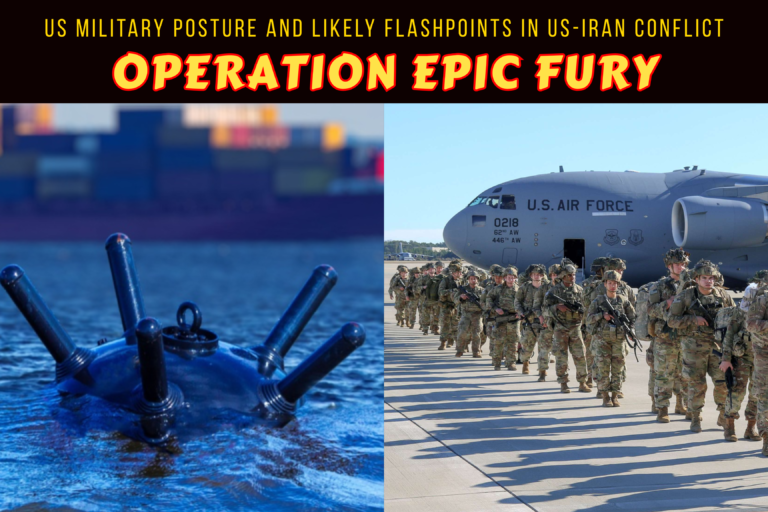
The geo-economic stakes of this escalation are staggering. The most immediate threat is to the Strait of Hormuz, through which roughly 20% of the world’s daily oil consumption passes. Any attempt by Iran to mine or blockade the strait would cause Brent crude prices to spike dramatically, potentially triggering a global recession and reigniting inflation just as Western economies were beginning to stabilize.
Implications for South Asia and Pakistan
For Pakistan, a Middle Eastern conflagration presents a multi-dimensional challenge that requires immediate strategic foresight and robust contingency planning.
Table 2: Projected Geo-Economic Impact on Pakistan (Conflict Scenarios)
| Impact Vector | Limited Conflict / Gray Zone | Full-Scale Regional War | Mitigation Strategy for Pakistan |
|---|---|---|---|
| Energy Prices | Moderate oil price volatility ($90-$105/barrel). | Severe spike ($130+/barrel), straining forex reserves. | Accelerate renewable energy transition; seek deferred payment agreements with Gulf partners. |
| Maritime Trade | Increased shipping insurance costs; minor delays. | Major disruption at Karachi/Gwadar ports; supply chain shocks. | Diversify trade routes; enhance naval diplomacy to secure sea lines of communication (SLOCs). |
| Domestic Security | Heightened sectarian rhetoric; localized tensions. | Empowered transnational extremist networks; internal instability. | Strengthen NACTA coordination; proactive community engagement to counter radicalization. |
| Diplomatic Capital | Balancing act between US, Saudi Arabia, and Iran. | Intense pressure to pick sides; risk of secondary sanctions. | Maintain strict, principled neutrality; leverage OIC platform for collective de-escalation. |
“For Pakistan, a Middle Eastern conflagration is not a distant geopolitical abstraction; it is a direct threat to our macroeconomic stability and internal security. Our diplomatic neutrality must be matched by robust economic insulation and proactive regional engagement.”
— Ambassador (Retd.) Tariq Rahman, Former Pakistani Diplomat and Strategic Affairs Analyst.
- Energy Security and Economic Vulnerability: Pakistan’s economy is highly sensitive to global oil prices. A sustained spike in crude prices would severely strain the country’s foreign exchange reserves, exacerbate inflation, and complicate ongoing IMF negotiations. Furthermore, the long-stalled Iran-Pakistan (IP) gas pipeline would face insurmountable geopolitical and sanctions-related hurdles in a war scenario.
- Regional Stability and Security Spillover: Instability in the Middle East often radiates outward. A full-scale war could exacerbate sectarian tensions within Pakistan and empower transnational extremist networks. The security of China-Pakistan Economic Corridor (CPEC) assets could also be indirectly threatened if regional chaos empowers militant groups seeking to exploit the distraction.
- Diplomatic Tightrope: Islamabad must navigate a highly delicate diplomatic path. Pakistan maintains crucial economic and security ties with Saudi Arabia and the UAE, a complex but necessary relationship with Iran (especially regarding the western border), and a strategic partnership with the United States.
Scenarios and Trajectories
As the crisis unfolds, three primary trajectories are possible:
- The Diplomatic Off-Ramp (Most Desired): Backchannel negotiations, likely mediated by Oman, result in a mutually face-saving de-escalation. This requires both Washington and Tehran to agree to halt direct strikes and rein in their respective proxy networks.
- Managed Escalation (Most Likely): The conflict remains a “gray zone” war. Tit-for-tat strikes continue, but both sides carefully calibrate their actions to avoid crossing red lines that would trigger an all-out war. This scenario ensures prolonged regional instability and economic volatility.
- Full-Scale Regional War (Worst Case): A miscalculation—such as a strike causing mass civilian casualties or the sinking of a major naval vessel—triggers an uncontrolled escalation ladder. This would involve multi-front conflicts, direct US-Iran warfare, and the activation of Iranian proxies across the globe, leading to severe global economic shockwaves.
Conclusion: The Narrow Window for Diplomacy
The Middle East in mid-June 2026 is a tinderbox. The shift from the initial February strikes to the direct ballistic exchanges of June 7 has shattered the illusion of a contained conflict. While a full-scale regional war is not yet inevitable, the mechanisms for de-escalation are fraying rapidly.
For the international community, the imperative is clear: urgent, unified diplomatic pressure must be applied to halt the cycle of retaliation before the region plunges into an abyss. For Pakistan, the lesson is equally profound. In our deeply interconnected world, distant wars cast long, immediate shadows on our domestic economy and internal security. Islamabad must proactively shore up its economic defenses, maintain strict and principled diplomatic neutrality, and prepare comprehensive contingency plans for energy and security shocks. The time for reactive policymaking has passed; in these turbulent times, strategic foresight and national cohesion are not just assets—they are the very bedrock of our survival.