(By Khalid Masood)
I. Introduction: A Nation at War with Itself
There is a peculiar tragedy unfolding in Iran today — a nation winning on the battlefield but losing at the negotiating table, not because of enemy cunning, but because its own military elite refuses to let it win the peace. The 2026 Iran war, triggered by joint U.S.-Israeli strikes on February 28 that killed Supreme Leader Ali Khamenei and devastated Iran’s nuclear infrastructure, has entered its fifth month. Yet the most devastating blows to the Iranian state have not come from American bunker-busters or Israeli stealth aircraft. They have come from within — from the Islamic Revolutionary Guard Corps (IRGC), known colloquially as the Pasdaran, whose strategic choices have systematically dismantled every path to de-escalation, every bridge to reconciliation, and every hope of national recovery.
The evidence is now overwhelming. The IRGC has pursued a strategically suicidal path — sabotaging diplomacy, silencing moderates, and escalating a conflict that has killed hundreds of Iranian civilians, destroyed critical infrastructure built over decades, and isolated Iran at the very moment when global sympathy was within reach. Meanwhile, the United States, under President Donald Trump, has abandoned strategic restraint for a tit-for-tat cycle of destruction that serves neither American interests nor regional stability. The result is a humanitarian catastrophe that demands urgent, coordinated intervention by Pakistan, China, and Russia — the three powers with the unique combination of leverage, credibility, and strategic interest to pull both Tehran and Washington back from the abyss.
This article examines the internal dynamics that brought Iran to this precipice, documents the catastrophic human and structural costs of the IRGC’s choices, critiques America’s failure to break the escalation cycle, and proposes a concrete diplomatic framework for ending a war that neither the Iranian people nor Iran’s political leadership ever wanted.
II. The Two Irans: Political Leadership vs. The Pasdaran
To understand the current disaster, one must first understand the fracture at the heart of the Iranian state. Iran is not a monolith. It is a contested terrain between two competing visions of national purpose — one pragmatic and diplomatic, the other maximalist and militarized.
The Pragmatic Political Leadership
President Masoud Pezeshkian, who assumed office in 2024 following the death of former President Ebrahim Raisi, represents the reformist wing’s last, desperate hope for a negotiated settlement. His election platform explicitly promised economic recovery through diplomatic engagement, an end to sanctions through verified nuclear limitations, and a return to the international community. Parliament Speaker Mohammad Baqer Qalibaf, despite his own conservative credentials, recognized the existential necessity of talks. Foreign Minister Abbas Araghchi, a seasoned diplomat who helped negotiate the original 2015 JCPOA, possessed both the technical knowledge and the personal relationships in Western capitals to deliver a deal.
The evidence of their commitment is concrete. In April 2026, Vice President JD Vance led 21 hours of direct negotiations with Iranian officials — talks that produced the framework for what became the Islamabad Memorandum. President Pezeshkian himself reportedly urged against “useless trips” and unnecessary provocations when mediation channels were still open, recognizing that every day of delay strengthened the hardliners and weakened Iran’s bargaining position. These were not capitulationists. They were realists who understood that Iran’s demographic, economic, and military position made prolonged conflict unsustainable.
The IRGC’s Hardline Ascendancy
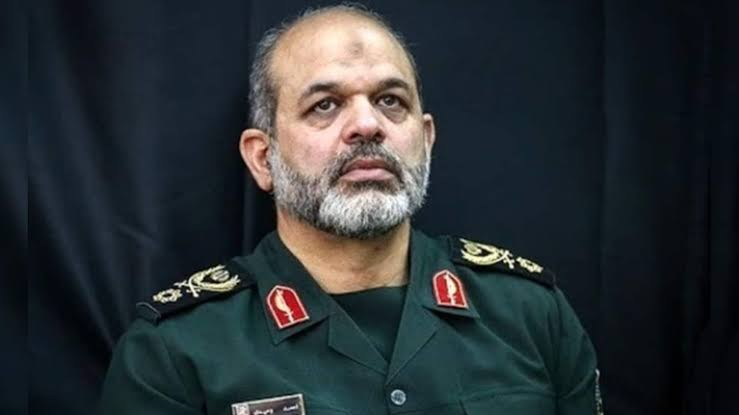
Against this pragmatic current stands the IRGC, which has effectively become the dominant power in Iran during the war. With Khamenei’s death creating a leadership vacuum, the Corps moved swiftly to consolidate control. IRGC Commander Ahmad Vahidi has reportedly insisted that all critical leadership positions be decided by the Corps itself, transforming Iran from a theocratic republic with military influence into a military state with religious window-dressing. The IRGC’s constitutional mandate — to “ensure the integrity of the Islamic Republic” — has been reinterpreted as a license to crush internal dissent, veto foreign policy decisions, and treat any negotiation as treasonous weakness.
The IRGC’s domestic crackdown has been as brutal as its foreign escalation. In January 2026, the Corps and its Basij militia suppressed nationwide protests with lethal force, killing thousands of Iranian citizens demanding an end to the war. The European Union, in an unprecedented move, formally designated the IRGC as a terrorist organization — not for its regional activities, but for its massacres of Iranian civilians. This designation, while symbolically significant, also underscored the IRGC’s transformation from a guardian of the revolution into an occupation force within its own country.
The Civil-Military Rift in Action
The rift between these two Irans is not abstract. It manifested in concrete acts of political violence and diplomatic sabotage. When Pakistan attempted to mediate talks between Tehran and Washington, IRGC-aligned mobs attacked Speaker Qalibaf with accusations of “traitor” and “betrayal of the blood of martyrs.” Foreign Minister Araghchi was physically assaulted — pelted with tomatoes and driven from public spaces. These were not spontaneous outbursts of popular anger. They were orchestrated intimidation campaigns designed to silence the very officials capable of negotiating Iran out of a war that was destroying the nation.
The message was unmistakable: the IRGC would rather fight to the last Iranian than permit a negotiated settlement that might diminish its domestic power. And fight they have — not primarily against American forces, but against the possibility of peace itself.
III. The Diplomatic Sabotage: How the IRGC Destroyed the Path to Peace
The destruction of Iran’s diplomatic options did not happen by accident. It was systematically engineered by the IRGC and its political allies, even as genuine mediators worked tirelessly to prevent further bloodshed.
Pakistan’s Heroic Mediation
Pakistan’s role in this crisis deserves recognition as one of the most significant diplomatic interventions in recent South Asian history. Field Marshal Asim Munir, recognizing that a collapsed Iran would destabilize the entire region, committed Pakistan’s full diplomatic weight to brokering a ceasefire. Interior Minister Mohsin Naqvi, a prominent Shia Muslim with deep cultural ties to Iran, was repeatedly dispatched as a personal emissary to build the trust necessary for high-level talks. Pakistan’s mediation was not opportunistic; it was existential. A prolonged Iran-U.S. war threatens Pakistan’s western border, its energy security, and its delicate sectarian balance.
The April 8, 2026 ceasefire — achieved after 40 days of continuous fighting — was a testament to Islamabad’s persistence. For a brief moment, the guns fell silent. Diplomatic channels reopened. The framework for a permanent settlement became visible.
Qatar’s Complementary Diplomacy
Working in parallel, veteran Qatari mediators Ali al-Thawadi and Hamad al-Kubaisi shuttled between Tehran and Washington, addressing technical details that Pakistani diplomacy could not. A Western diplomat later admitted: “The Qataris quietly did most of the heavy lifting to bridge the two sides.” Qatar’s role was particularly vital in managing the financial and sanctions-related components of any potential deal — areas where Pakistan lacked direct leverage.
The IRGC’s Destruction of Diplomacy
Yet the IRGC could not tolerate success. The June 14, 2026 Memorandum of Understanding — signed by both presidents on June 17 and intended to end the war within 60 days — represented the greatest threat to the Corps’ domestic supremacy. A normalized Iran, reintegrated into the global economy and freed from sanctions, would inevitably demand accountability for the IRGC’s economic monopolies, human rights abuses, and political interventions.
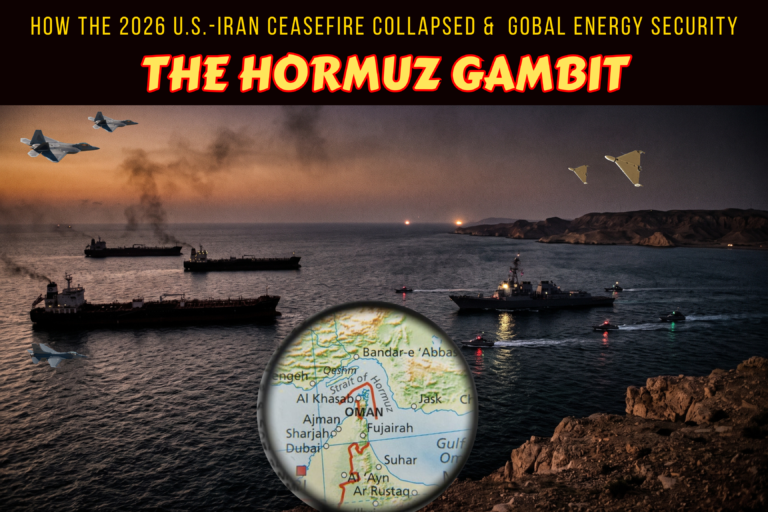
The IRGC’s response was predictable and devastating. Despite the ceasefire agreement, the Corps continued provocations in the Strait of Hormuz — including attacks on commercial shipping that gave President Trump the pretext to declare the agreement void. Kayhan newspaper, the IRGC’s unofficial mouthpiece, openly called for ending negotiations, declaring that “missiles are now shaping the future.” The message was clear: the IRGC would manufacture the conditions for war’s continuation, even if it meant sacrificing the Islamabad Memorandum and the billions in sanctions relief it promised.
The result was immediate and catastrophic. On June 22, Trump announced the ceasefire was over. The tit-for-tat cycle resumed with renewed ferocity. The IRGC had achieved its objective: not victory, but the perpetuation of conflict that justifies its domestic dominance.
IV. The Catastrophic Human and Structural Toll
The IRGC’s strategic choices have imposed an almost unimaginable cost on the Iranian people and the Iranian state. The damage is not merely statistical; it is existential.
The Human Cost
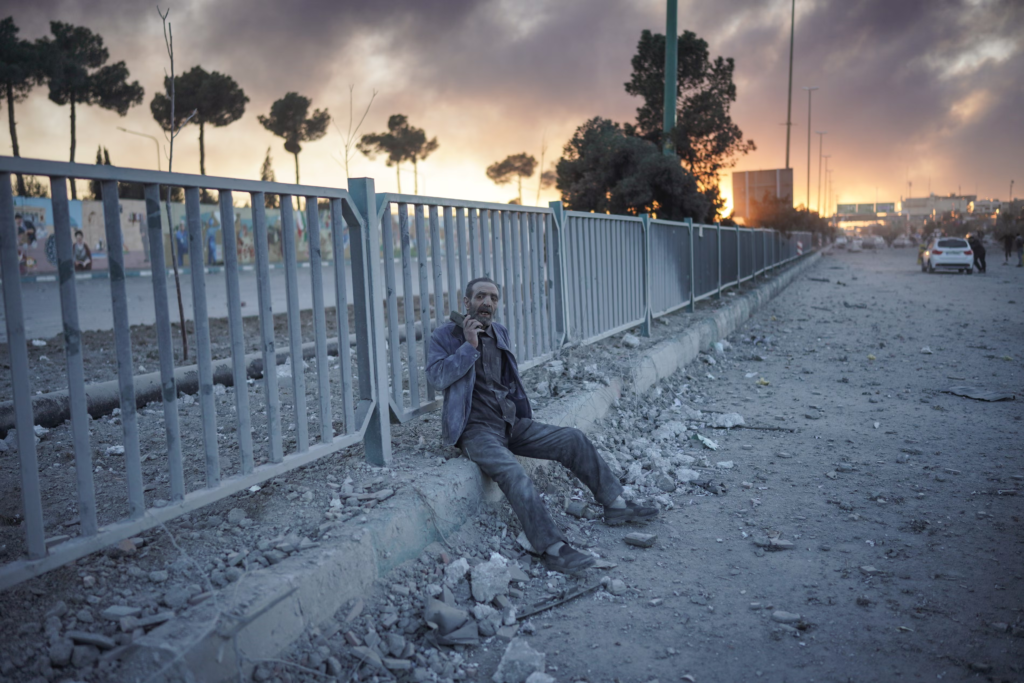
The Iranian Health Ministry’s latest reports document at least 46 killed and over 400 wounded in recent U.S. strikes alone as of mid-July 2026. But these figures capture only the most recent phase of a much longer catastrophe. By early March, over 600 civilians had been killed, with the Human Rights Activists News Agency (HRANA) documenting 1,097 civilian deaths overall. These are not combatants. They are schoolchildren, pensioners, factory workers, and families celebrating holidays.
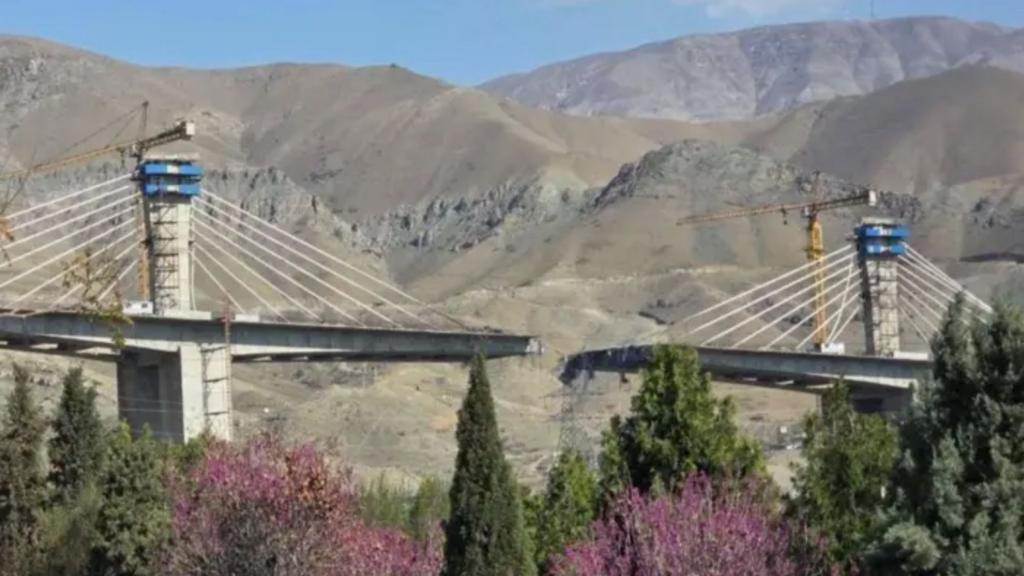
Two incidents stand as indictments of both the IRGC’s recklessness and America’s failure of restraint. The Minab girls’ elementary school strike killed over 175 children — a massacre that a U.S. military investigation attributed to “outdated targeting data,” a euphemism for intelligence failures that should have been prevented. The Karaj B1 bridge collapse killed 8 and wounded 95 during Sizdah Be-dar celebrations — a strike that independent experts assessed as a possible war crime, given the absence of military justification and the deliberate timing to maximize civilian presence. President Trump’s celebration of this strike — “death and destruction from the sky all day long” — and his threat to “bring them back to the Stone Ages” revealed an American leadership as indifferent to civilian life as the IRGC itself.
The Pasteur Institute of Iran, a century-old medical research center, has been severely damaged. In a nation already struggling with medicine shortages, the destruction of medical infrastructure is not merely a war crime in potential; it is a sentence of death for thousands of Iranians who will die from treatable conditions.
The Structural Cost
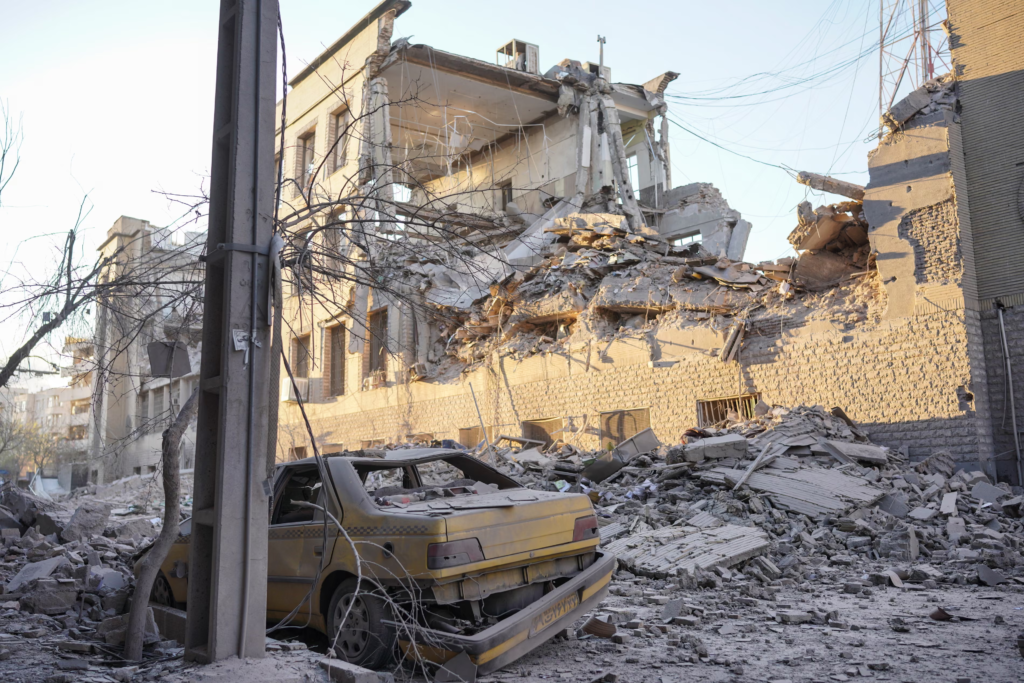
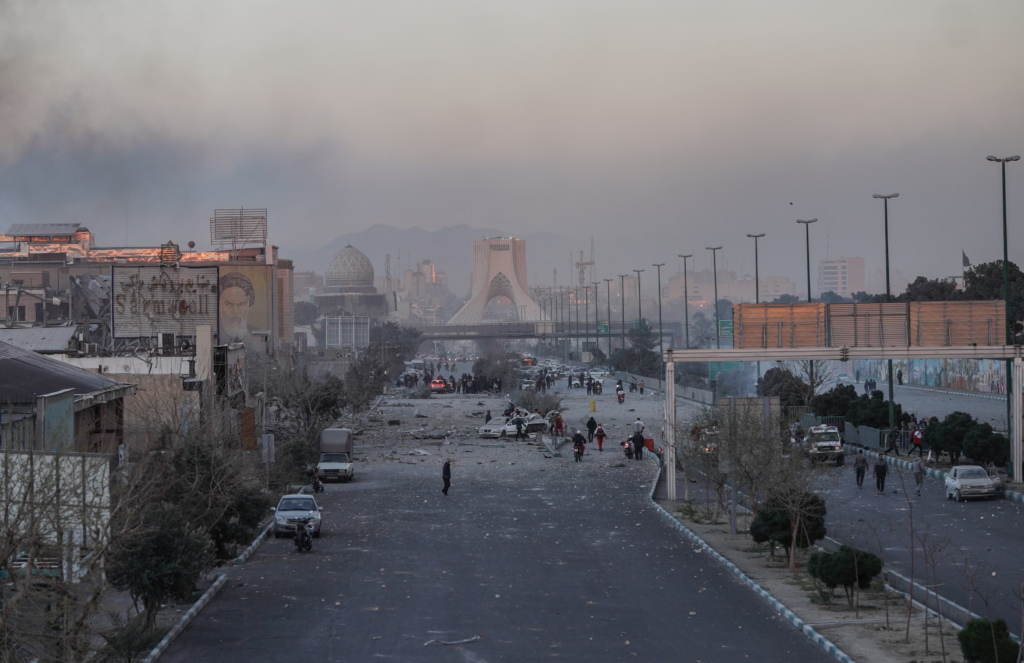
The physical destruction of Iran’s infrastructure has been systematic and devastating. The B1 bridge, the highest in the Middle East and a critical artery connecting Tehran to Karaj, was destroyed — not by accident, but as a calculated blow to Iran’s internal cohesion. Highway and railway bridges in Hormozgan province were struck to sever Bandar Abbas port from the capital, crippling both civilian commerce and military logistics. Tehran-Mashhad passenger rail services have been suspended. The Chabahar port’s maritime traffic control tower and Sirik port’s floating pier have been seriously damaged — blows against Iran’s future economic lifelines.
For the first time, Iran’s Energy Ministry has acknowledged attacks on power infrastructure, urging conservation in southern provinces amid extreme summer heat. This is not a nation at war in the abstract; this is a nation where hospitals struggle to keep ventilators running, where food spoils without refrigeration, where the basic functions of modern life are being systematically degraded.
The Economic Devastation
The economic indicators tell a story of national collapse. The Iranian rial has hit new lows, with the dollar approaching 1.92 million rials. Inflation has rendered pensioners unable to cover basic costs. The Strait of Hormuz — through which a fifth of global oil flows — has seen maritime traffic drop to 14 cargo vessels per day, down from 34 after the June agreement. Oil prices have soared above $86 per barrel, enriching no one in Iran but imposing global costs that will eventually be paid by consumers worldwide.
The IRGC’s sabotage of the Islamabad Memorandum cost Iran not merely the immediate sanctions relief, but the billions in foreign investment that would have followed normalization. The reimposition of sanctions, now more comprehensive than ever, has crushed an economy that was already on its knees. The Iranian people are paying for the IRGC’s domestic power games with their livelihoods, their futures, and their lives.
V. America’s Tit-for-Tat Trap: Criticism of U.S. Policy
This article’s critique of the IRGC is not a defence of American policy. The United States bears its own share of responsibility for the catastrophe — not merely for initiating hostilities, but for failing to break the escalation cycle when opportunities presented themselves.
Trump’s Escalatory Logic
President Trump’s declaration that the ceasefire was over — based on alleged Iranian drone attacks that the IRGC may have deliberately provoked — represented a failure of strategic patience. Rather than distinguishing between the IRGC’s provocations and the Pezeshkian government’s commitment to the Islamabad Memorandum, Trump treated Iran as a monolithic enemy. Defence Secretary Pete Hegseth’s boast of “death and destruction from the sky all day long” and Trump’s threat to reduce Iran to the “Stone Ages” revealed a leadership more interested in performative toughness than in sustainable security.
The War Crime Question
The Karaj B1 bridge strike and the Minab school massacre raise serious questions about American compliance with the laws of armed conflict. Independent experts have assessed the B1 strike as a possible war crime. The U.S. military’s own investigation of the Minab strike — attributing it to “outdated targeting data” — suggests either catastrophic intelligence failures or deliberate indifference to civilian presence. That President Trump celebrated these outcomes rather than ordering accountability measures suggests a moral vacuum at the highest levels of American command.
The Lost Opportunity for Restraint
The United States had a choice at multiple junctures. When the IRGC provoked shipping attacks in the Strait, Washington could have responded with calibrated maritime security measures, diplomatic protests, and reinforcement of the Islamabad framework. Instead, it chose full-scale escalation — bombing Iranian infrastructure, killing Iranian civilians, and validating the IRGC’s narrative that America seeks Iran’s destruction rather than its compliance.
This was not merely a moral failure. It was a strategic error. By responding to IRGC provocations with indiscriminate force, Washington strengthened the hardliners’ domestic position, weakened the moderates who had risked their careers for peace, and ensured that any future negotiation would occur from a position of Iranian weakness and American moral compromise.
VI. The Strategic Suicide: Why the IRGC’s Path Leads to Ruin
The IRGC’s strategy is not merely reckless; it is self-annihilating. The Corps has sacrificed every source of Iranian national power on the altar of its own domestic supremacy.
Loss of International Sympathy
The IRGC’s crackdown on protesters and its attacks on commercial shipping have eroded whatever global goodwill Iran might have commanded as a victim of American aggression. The European Union’s terrorist designation of the IRGC — unprecedented in targeting a nation’s own military force for domestic massacres — has isolated Iran diplomatically. Even traditional allies like Russia and China have grown wary of a partner whose internal instability threatens regional contagion.
The Economic Ruin
The “billions of dollars” lost through the sabotage of the Islamabad Memorandum represent not merely missed opportunity, but the destruction of Iran’s economic future. The reimposed sanctions, now more comprehensive than ever, have cut Iran off from global markets, technology transfers, and financial systems. The IRGC’s own economic empire — built on sanctions-evasion smuggling networks — may survive, but the Iranian nation cannot.
The Inevitable Return to the Table — Weaker
The trajectory of the IRGC’s decision-making points toward an inevitable reckoning that will prove catastrophically costly. The Corps cannot avoid negotiation indefinitely—Iran’s demographic pressures, economic collapse, and military attrition make prolonged conflict structurally unsustainable. Yet by the time the IRGC finally permits diplomacy, the Iranian nation will have hemorrhaged far more than was ever necessary: additional thousands of civilian lives, critical infrastructure built over decades, economic leverage that might have secured favorable terms, and international standing that could have provided diplomatic breathing room. The Islamabad framework offered Iran a path to resolution from a position of relative strength; the IRGC’s obstruction ensures that when talks eventually resume, Tehran will approach the table diminished, isolated, and negotiating from weakness rather than the strength its political leadership had painstakingly constructed. The tragedy is not merely that Iran will eventually be forced to negotiate—it is that the IRGC will have sacrificed so much to achieve so little, leaving the Iranian people to bear the cost of a military elite’s domestic power calculus.
This institutional incapacity compounds the tragedy further. The IRGC is structurally incapable of the nuanced statecraft that diplomacy demands—its operational toolkit is limited to threats, violence, and ideological denunciation, while those within Iran who possess genuine diplomatic skill are systematically silenced through accusations of treason and betrayal. When the inevitable moment of negotiation finally arrives, Iran will find itself represented by ideological amateurs facing seasoned American professionals across the table. This asymmetry of diplomatic competence guarantees not merely unfavorable terms, but further national humiliation—a price the IRGC will gladly pay with Iranian sovereignty, provided its own domestic supremacy remains intact.
VII. The Role of Pakistan, China, and Russia: A Call for Coordinated Peace Diplomacy
The current trajectory leads only to further catastrophe. Breaking the cycle requires a coordinated intervention by the three powers with the unique combination of leverage, credibility, and strategic interest to compel both Iranian and American restraint.
Pakistan: The Trusted Mediator
Pakistan’s role in brokering the April ceasefire demonstrated its unique capacity. As a Muslim nuclear power with deep Shia leadership ties, historical relations with both Iran and the United States, and proven shuttle diplomacy capability, Islamabad possesses assets no other mediator can match. Field Marshal Munir’s personal investment and Interior Minister Naqvi’s repeated emissary missions built the trust that made the Islamabad Memorandum possible.
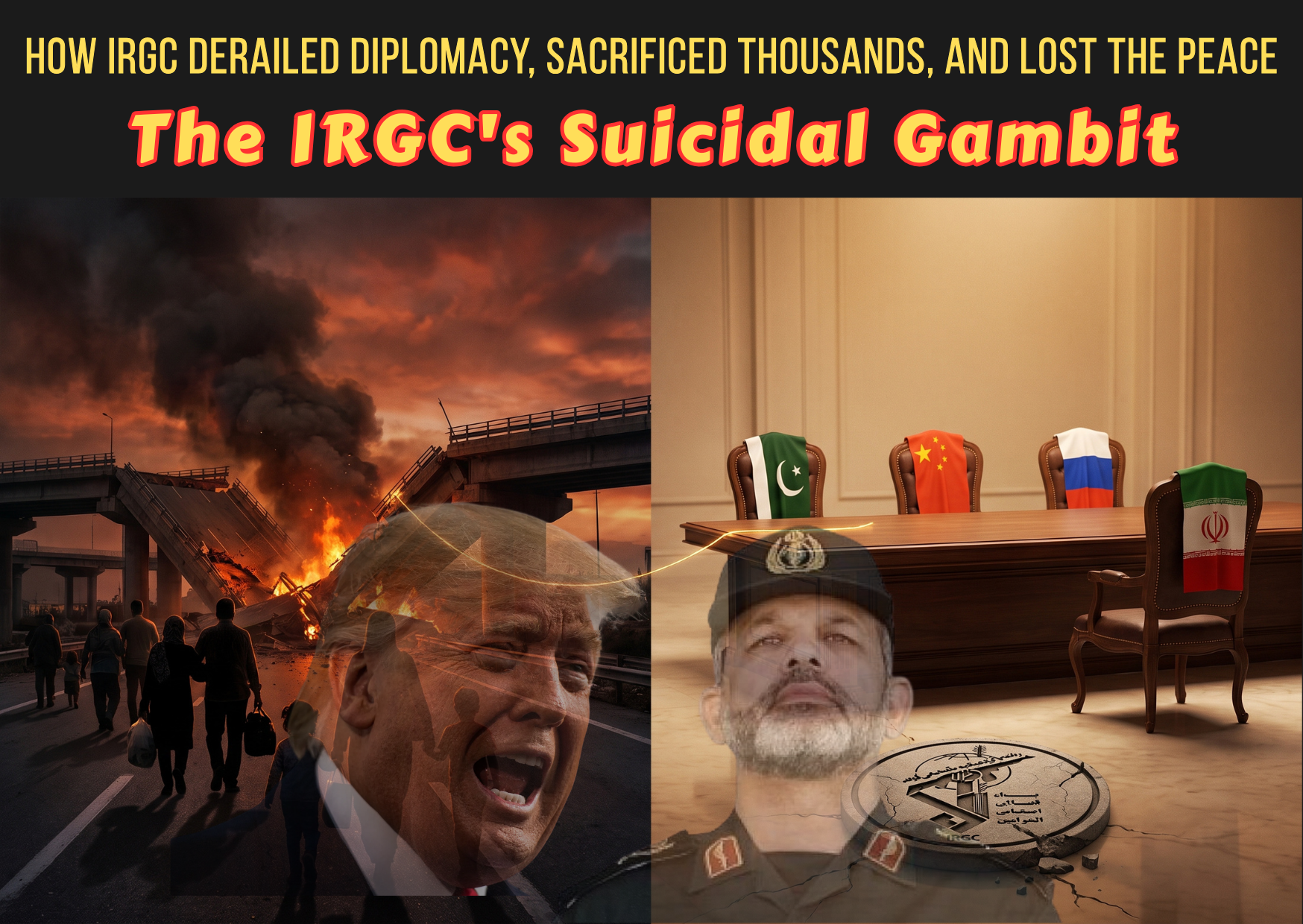
Pakistan must now convene an emergency “Islamabad II” summit. This summit should bring together Iranian political leaders — specifically excluding IRGC representatives — with U.S. and Gulf Arab officials under Pakistani chairmanship. The objective should not be a comprehensive final settlement, but an immediate cessation of hostilities, humanitarian corridors, and a return to the Memorandum’s implementation timeline. Pakistan must leverage its credibility with both sides to isolate the IRGC’s spoilers and empower Iran’s political leadership to act in the national interest.
China: The Economic Lever
China is Iran’s largest oil buyer and a key investor in regional infrastructure including Gwadar port. Beijing possesses enormous leverage over Tehran through economic dependence, and over Washington through trade interdependence and its role as America’s largest creditor. Yet China has been notably cautious in exercising this leverage, preferring to watch from the sidelines as a regional catastrophe unfolds.
This caution must end. China should offer Iran a comprehensive economic stabilization package — including oil purchase guarantees, infrastructure investment, and currency swap arrangements — conditional on three requirements: IRGC de-escalation in the Strait of Hormuz, return to the Islamabad Memorandum framework, and verifiable commitments to nuclear limitations. Simultaneously, Beijing should communicate to Washington that Chinese economic support for Iran is contingent on American restraint — creating a mutual stabilization dynamic that neither side can unilaterally disrupt.
Russia: The Security Guarantor
Russia maintains military and intelligence ties to Iran that give it unique access to IRGC decision-making. Moscow also seeks regional stability to protect its own interests in Syria, Central Asia, and the Caucasus. A collapsed or permanently isolated Iran serves no Russian strategic purpose.
Russia should propose a multilateral security framework for the Gulf — one that guarantees Iran’s territorial integrity and non-aggression by external powers, while requiring verifiable Iranian commitments on nuclear enrichment, ballistic missile limitations, and cessation of support for non-state actors. This framework would address the IRGC’s core paranoia — that any negotiation leads to regime change — while imposing the transparency requirements that Washington and its allies demand. By offering Iran security guarantees backed by Russian credibility, Moscow can create the conditions for the IRGC to accept restraint without losing face.
A Triangular Mediation Mechanism
The three powers should establish a formal triangular mediation mechanism:
- Pakistan provides the diplomatic venue, trust-building, and Islamic legitimacy.
- China provides the economic incentives and sanctions-relief coordination.
- Russia provides the security architecture and great-power guarantees.
Together, they can create an external framework so compelling that Iran’s political leadership can override IRGC obstruction. They can also offer Washington an alternative to endless escalation — a structured, multilateral path to Iranian compliance that does not require American military occupation or regime change.
VIII. Conclusion: A Choice Between Suicide and Survival
The IRGC has chosen a path of strategic suicide — sacrificing Iranian lives, infrastructure, and global standing on the altar of internal power consolidation. The United States, rather than breaking this cycle, has fed it with tit-for-tat escalation that serves neither American security nor humanitarian values. The Iranian people are the victims of both — bombed by American aircraft for the IRGC’s provocations, and suppressed by the IRGC for demanding peace.
The evidence of this self-inflicted tragedy is unmistakable. Iran’s political leadership had constructed a position of genuine strength — credible battlefield performance combined with a viable diplomatic framework at the Islamabad talks. The IRGC’s systematic sabotage reversed these gains entirely. The Corps transformed a winnable diplomatic position into a grinding war of attrition. It has cost Iran billions in potential sanctions relief and investment deals, triggered the reimposition of the most crushing sanctions in the nation’s history, and sacrificed hundreds of civilian lives already — with thousands more certain to follow.
The trajectory ahead is equally clear. The IRGC cannot prevent the inevitable return to negotiations; Iran’s demographic pressures, economic freefall, and military exhaustion will compel it. But by the time the Corps finally permits diplomacy, the Iranian nation will have hemorrhaged far more than was ever necessary — additional thousands of martyrs, critical infrastructure reduced to rubble, economic leverage squandered, and international standing eroded beyond easy repair. The only question remaining is how many more Iranians must die before a military elite that cannot govern accepts what it cannot stop.
The international community — specifically Pakistan, China, and Russia — possesses both the capacity and the obligation to accelerate this moment of reckoning. An “Islamabad II” summit, backed by Chinese economic incentives and Russian security guarantees, can create the external conditions for Iran’s political leadership to reassert control over a military force that has become a danger to the very republic it claims to protect.
The alternative is continued catastrophe — a war that bleeds Iran white, destabilizes the Gulf, inflates global energy prices, and risks nuclear proliferation. The IRGC’s suicidal gambit must be stopped. Not by American bombs, which only strengthen the hardliners’ domestic position, but by the concerted diplomatic intervention of powers who understand that a stable Iran is in everyone’s interest — except the IRGC’s.
The Iranian people deserve better than to be martyred for a military elite’s domestic power games. The world deserves better than to watch a great civilization be dismantled by its own guardians. And diplomacy — real, sustained, courageous diplomacy — deserves better than to be silenced by orchestrated mob violence, accusations of treason, and the thunder of bombs.
The time for Islamabad II is now.