(By Faraz Ahmed)
1. Introduction
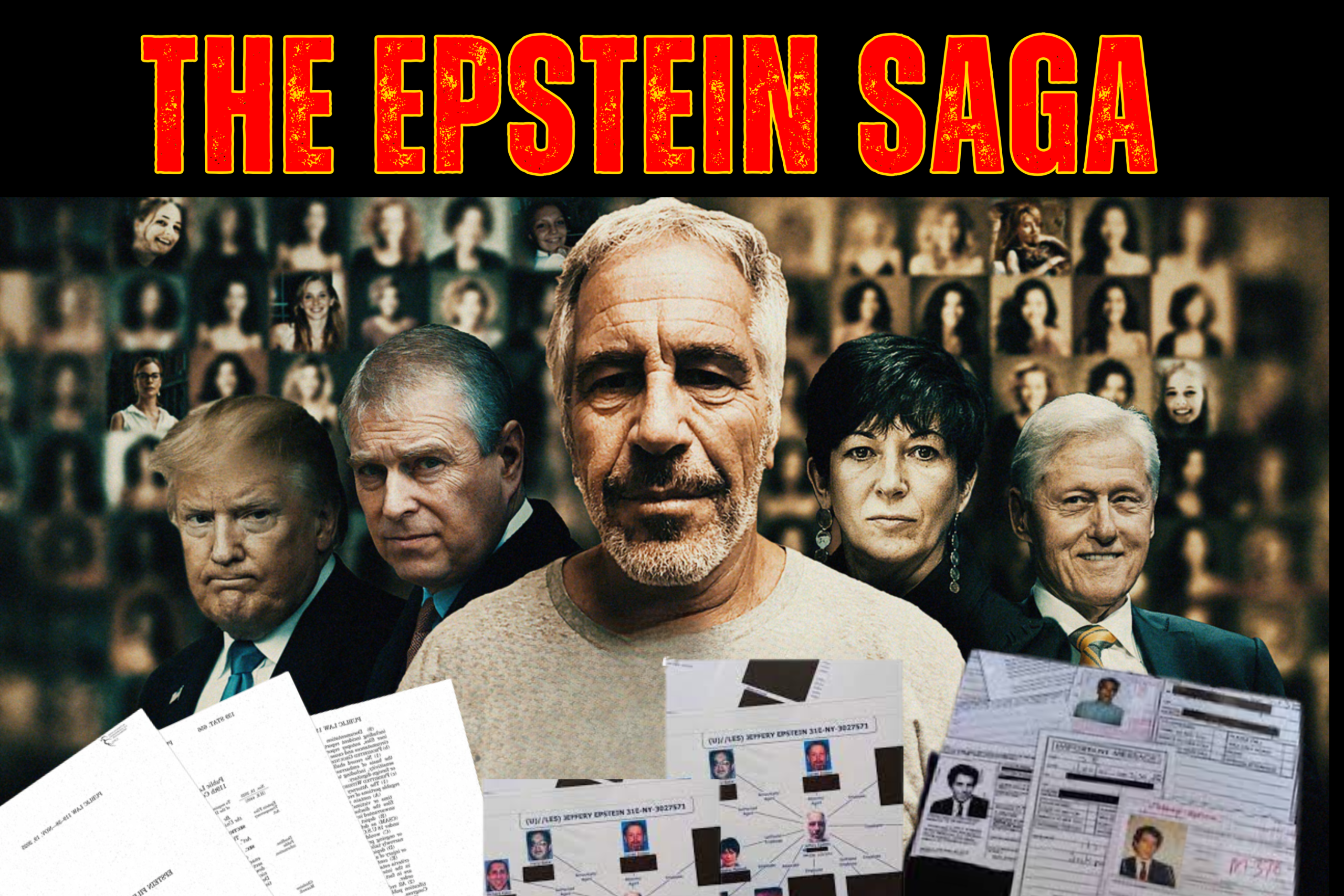
On 30 January 2026, the United States Department of Justice released one of the largest document dumps in recent history: approximately 3.5 million pages, more than 2,000 videos, and 180,000 images related to Jeffrey Epstein. This massive disclosure was made possible under the Epstein Files Transparency Act, signed into law by President Trump in November 2025, which mandated the release of all unclassified records concerning Epstein, Ghislaine Maxwell, and associated individuals.
The files, now publicly accessible via the searchable portal at justice.gov/epstein, include emails, text messages, investigative reports, flight logs, and photographic evidence. While the Department of Justice maintains that this release fulfils its obligations and that no further prosecutions are likely (per Deputy AG Todd Blanche), several troubling issues remain: inconsistent redactions (with some victim names and sensitive details accidentally exposed, prompting swift corrections and even temporary removals of files), substantial portions of material still withheld (roughly half of the over 6 million identified pages), accidental breaches of victim privacy leading to outrage from survivors and their lawyers (who have called for judicial intervention and site takedowns), and the continued resurfacing of elite names across global networks.
These unresolved elements demonstrate that the Epstein case is not closed. It continues to expose deeper questions about power, accountability, and institutional failure in an increasingly multipolar world, where influence networks span continents and touch politics, business, academia, and geopolitics from Washington to Lahore, Delhi, and Riyadh.
2. Background: Epstein’s Network and the Path to 2026 Releases
Jeffrey Epstein, the convicted sex offender, built an extensive network of wealthy and influential individuals over decades. His crimes involved the trafficking and sexual abuse of underage girls, facilitated through a web of private flights, properties, and high-profile connections.
Epstein died in custody in August 2019, officially ruled a suicide. His associate Ghislaine Maxwell was convicted in 2021 of sex trafficking and related offences. Earlier court documents, particularly those unsealed in 2024, had already begun revealing flight logs and names of prominent associates.
The current wave of disclosures stems from the Epstein Files Transparency Act (H.R. 4405), introduced in 2025 and signed into law by President Trump on 19 November 2025. The Act required the Department of Justice to release all unclassified Epstein-related records in a searchable and downloadable format within 30 days.
The deadline of 19 December 2025 was missed, with the DOJ citing the enormous volume of material and the need for redactions to protect victim privacy, legal privileges, and other sensitivities. Instead, the department released materials in stages, culminating in the enormous 30 January 2026 dump. According to official statements, the Department identified over 6 million potentially responsive pages but released roughly half after applying redactions.
Deputy Attorney General Todd Blanche has stated that the review is largely complete and that there is no basis for new criminal charges. Nevertheless, the sheer scale—combined with ongoing redactions, partial releases, and subsequent controversies—has kept the story firmly in the public eye, with lawmakers (including from the House Judiciary Committee) demanding access to unredacted versions starting in early February 2026.
3. Key Revelations from the Latest Files
The January 2026 release has resurfaced numerous elite associations, many of which were already known but are now documented in far greater detail through emails, texts, and other records.
United States figures include:
- Donald Trump — mentioned hundreds of times, often in sensationalist or unverified claims that have been dismissed; no evidence of wrongdoing.
- Bill Clinton — referenced in travel and social contexts.
- Elon Musk — discussed a possible visit to Epstein’s island, though no evidence confirms it occurred.
- Bill Gates — expressed regret over meetings with Epstein.
- Others such as Steve Bannon and Howard Lutnick.
International figures include:
- Prince Andrew — who lost his royal titles following earlier allegations.
- Norway’s Crown Princess — admitted exercising poor judgement.
- A Slovakian political adviser — resigned following the disclosures.
- Numerous scientists and academics who consulted Epstein on publications, visas, and funding.
New angles have also emerged:
- Emails and texts showing Epstein’s lawyers discussing potential cooperation before his death.
- References to “horrible photographs” that, according to Deputy AG Blanche, were insufficient to support new charges.
- Deeper scientific and academic links, raising serious ethical questions about research funding, influence in elite institutions, and the boundaries of philanthropy (e.g., ties to biologists and physicists, involvement in publications, and events).
Regional ripples further illustrate the global reach:
- Pakistan: Mentions of former Prime Minister Imran Khan (geopolitical commentary, polio initiatives via Gates) and Shah Mehmood Qureshi (earlier diplomatic contexts referenced). These are fleeting and contextual, with no criminal implications.
- India: Extensive communications with businessman Anil Ambani (2017–2019 exchanges seeking US access for Modi-related diplomacy, including Trump and Bannon connections, and a controversial personal exchange); indirect references to Narendra Modi (dismissed by India’s MEA as unsubstantiated); Deepak Chopra (frequent mentions, regrets expressed); and peripheral names like Mira Nair, Hardeep Singh Puri, and Nandita Das.
- Middle East: Ties to Mohammed bin Salman (MBS) (gifts, monitoring Saudi events like the 2017 Ritz-Carlton purge); UAE businessman Sultan Ahmed bin Sulayem (personal and business exchanges); shipment of sacred Kiswa cloth pieces from Mecca to Epstein’s home; Saudi adviser Raafat Al-Sabbagh (crude messages and requests); and fleeting Iranian references (e.g., alleged Ahmadinejad meeting, denied).
While no new criminal charges appear imminent, and mentions alone do not imply wrongdoing, the breadth of Epstein’s contacts—spanning finance, technology, politics, royalty, and academia—continues to fuel debate about how wealth and status can insulate individuals from scrutiny.
4. Controversies and Criticisms
The release has sparked significant backlash, particularly over redactions and victim privacy. Survivors and their lawyers have reported thousands of redaction failures, including unredacted names of nearly 100 victims, nude images of minors, and other sensitive details exposed in documents. This has been described as an “unfolding emergency” and potentially the “most egregious violation of victim privacy in one day in United States history.”
Lawyers have urged federal judges to order the DOJ website taken down temporarily, citing examples like a single document revealing a minor victim’s name 20 times despite partial redactions. The DOJ has acted to correct errors (pulling files, adding redactions), but critics—including survivors like Annie Farmer and attorneys Brad Edwards and Brittany Henderson—call it “weaponised incompetence” or “patently absurd,” arguing the volume of material does not excuse the harm.
Bipartisan lawmakers (e.g., Rep. Ro Khanna) and congressional Democrats have demanded unredacted access for review, questioning whether redactions protect victims or shield powerful figures from “embarrassment or reputational harm.” Fallout remains uneven: more severe in Europe, muted elsewhere, highlighting persistent elite impunity.
5. Broader Implications for International Relations
Epstein’s network exemplifies borderless elite influence, where business, diplomacy, and philanthropy intersect with geopolitics. South Asian mentions (e.g., Ambani’s backchannel efforts for Modi-era US/Israel ties, Khan’s perceived regional role) touch India-Pakistan rivalries and health initiatives. Middle Eastern links (Saudi gifts, sacred artefacts, Gulf investments) reflect attempts to tap wealth amid regional tensions.
In a multipolar world, such scandals erode trust in Western institutions and fuel scepticism in regions like South Asia. For Pakistan, they parallel local debates on power and accountability, underscoring why transparency matters globally.
6. Conclusion
Epstein is gone, but the systemic issues—wealth distorting justice, influence transcending borders—endure. Victims deserve justice and protection; elites must face equal scrutiny. As files undergo further analysis and congressional review, the saga remains a stark mirror for global power structures. True closure requires consistent transparency and accountability, not selective redactions