
(By Khalid Masood)
1. Introduction
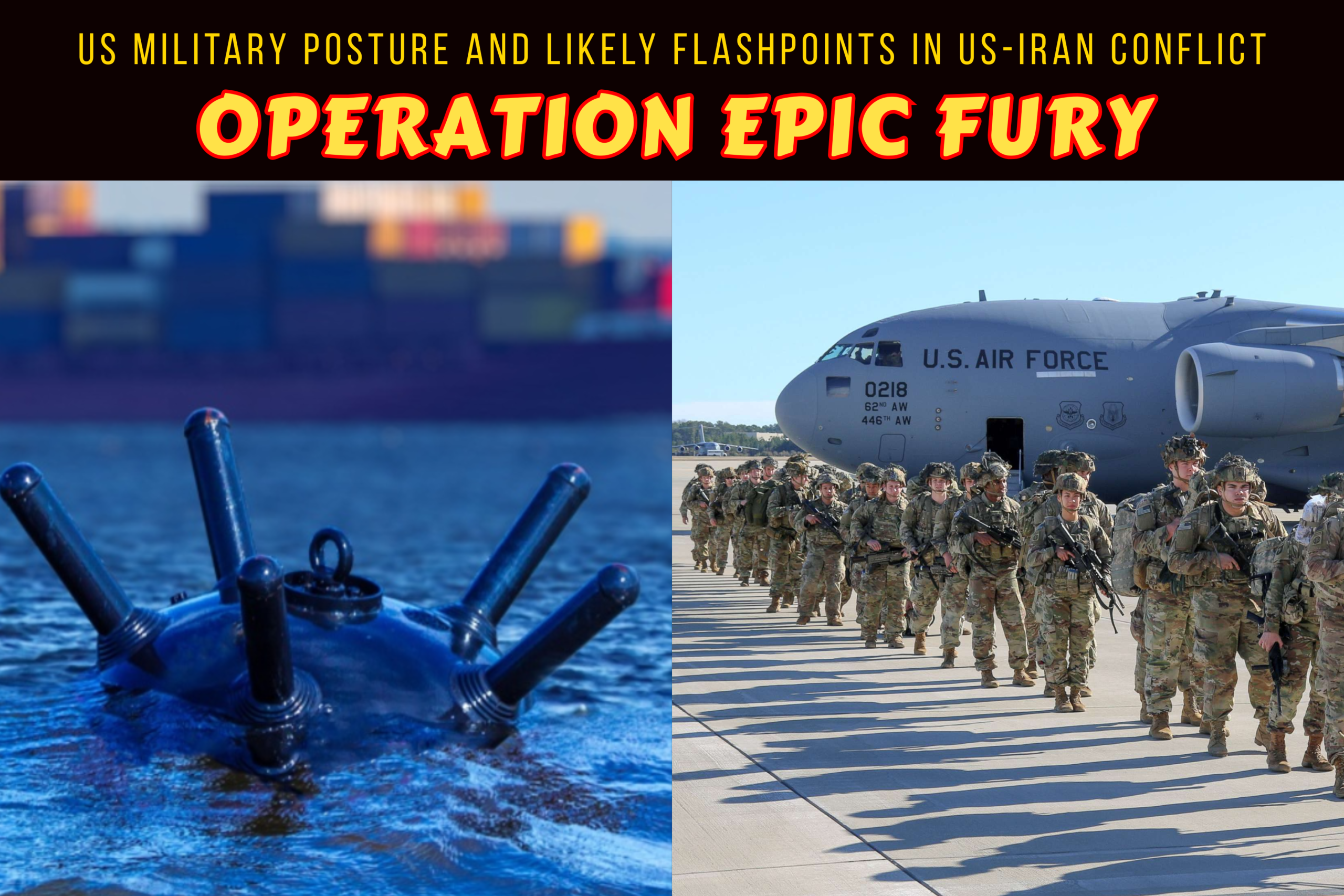
Tensions in the Persian Gulf have reached a critical inflection point. Observable US military movements suggest a transition from deterrence posture to contingency preparation for kinetic operations. This analysis evaluates the current US force buildup against the Iranian defensive architecture, focusing on four specific operational hypotheses: the seizure of Kharg Island, the securing of the Strait of Hormuz via Bandar Abbas, terrain constraints in the Iranian interior, and the use of massive ordnance for mine countermeasures.
While the US possesses the capability to execute these operations, the strategic cost—particularly regarding escalation ladders and global energy security—remains exceptionally high. This assessment concludes that while limited strikes and maritime security operations are probable, a full-scale ground invasion remains unlikely due to manpower constraints and geographic realities.
2. US Force Buildup: Composition, Deployment, and Strategic Positioning
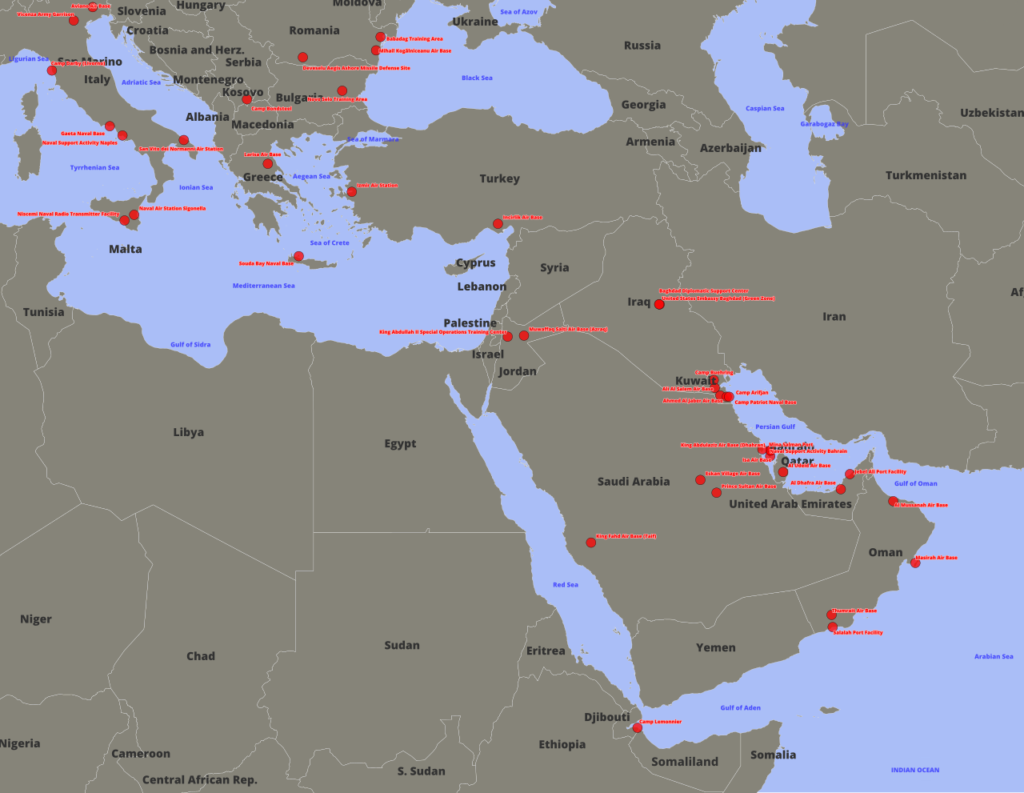
In a high-intensity contingency scenario, the US Central Command (CENTCOM) typically structures its force package around three pillars: Naval Dominance, Air Superiority, and Rapid Reaction Ground Forces.
Naval Assets
- Carrier Strike Groups (CSGs): At least two Nuclear-Powered Aircraft Carriers (CVN) are required to maintain continuous flight operations over the Persian Gulf and Arabian Sea. These provide the bulk of tactical air power (F/A-18E/F Super Hornets) and standoff strike capabilities (Tomahawk Land Attack Missiles).
- Amphibious Ready Groups (ARGs): Essential for the user-hypothesized landings. An ARG typically includes a large-deck amphibious assault ship (LHA/LHD) carrying a Marine Expeditionary Unit (MEU). This provides the vertical lift (V-22 Osprey, CH-53E) and surface lift (LCAC hovercraft) necessary for seizing coastal objectives like Kharg or Bandar Abbas.
- Mine Countermeasures (MCM): Independence-class Littoral Combat Ships (LCS) and dedicated MCM helicopters (MH-53E) are pre-positioned in Bahrain. Their role is critical in keeping the Strait of Hormuz open.
Ground and Air Assets
- 82nd Airborne Division: As the US Army’s primary Immediate Response Force, elements of the 82nd are capable of deploying within 18 hours. In this scenario, they provide the “forced entry” capability to seize airfields or ports before heavier forces arrive.
- Special Operations Forces (SOF): The 75th Ranger Regiment and Naval Special Warfare Development Group (DEVGRU/SEAL Team 6) are likely forward-deployed for direct action missions, such as the hypothesized seizure of Kharg Island.
- Strategic Air Command: B-52H and B-1B bombers operating from outside the region (e.g., Diego Garcia or CONUS) provide heavy payload capacity for bunker busting and area denial missions.
3. Iranian Defensive Architecture: IRGC Naval and Asymmetric Capabilities
Any US operation must contend with Iran’s “Anti-Access/Area Denial” (A2/AD) strategy, designed specifically to make the cost of war prohibitive.
- IRGC-N (Naval): Unlike the regular Iranian Navy, the Islamic Revolutionary Guard Corps Navy operates asymmetrically. They utilize swarms of fast attack craft armed with heavy machine guns and rockets, designed to overwhelm US ship defences in the confined waters of the Gulf.
- Coastal Defence Missiles: Iran has proliferated anti-ship cruise missiles (ASCMs) along its coastline, including the Noor, Ghader, and Khalij Fars. These systems are mobile and hardened, capable of striking targets over 100 miles offshore.
- Mine Warfare: Iran possesses the largest inventory of naval mines in the region. They can lay mines covertly using commercial vessels, fishing dhows, and submarines.
- Terrain: The Zagros and Alborz mountain ranges provide natural fortifications for Iranian ground forces, making mechanized advances difficult.
4. Scenario Analysis: Evaluating Proposed Operational Concepts
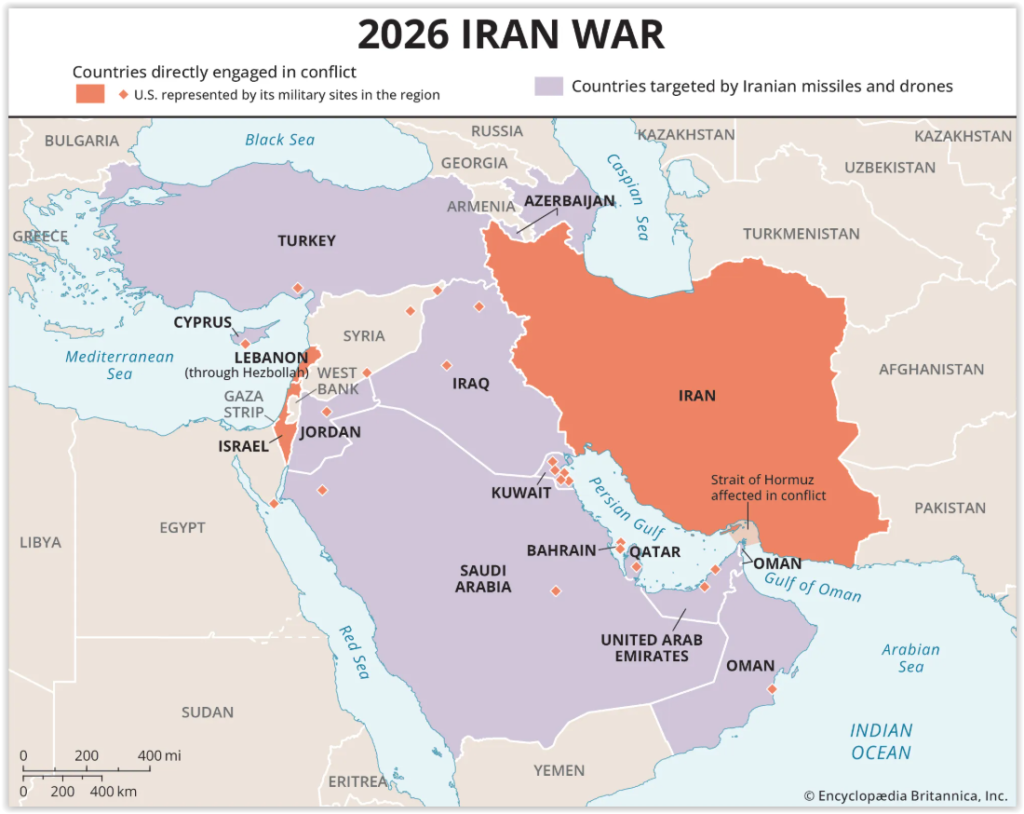
This section analyzes the four specific operational hypotheses provided in the strategic premise.
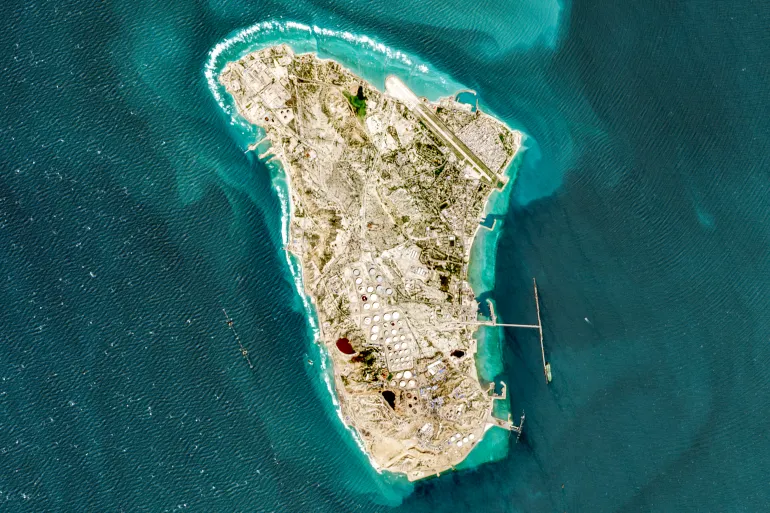
4.1. Ranger Regiment Seizure of Kharg Island
Hypothesis: 75th Ranger Regiment invades Kharg to halt oil exports.
- Strategic Logic: Kharg Island handles approximately 90% of Iran’s oil exports. Capturing it would effectively strangulate the Iranian economy and signal decisive US dominance.
- Operational Feasibility:High Risk.
- Pros: Rangers are trained for rapid airfield/seaport seizure. Taking Kharg achieves immediate economic leverage.
- Cons: Kharg is heavily fortified. Holding the island requires a sustained logistics line across open water under fire from Iranian anti-ship missiles. A Ranger battalion lacks the heavy armor to defend against a determined Iranian counter-attack involving IRGC ground forces.
- Alternative: A naval blockade or sustained aerial bombing of storage facilities achieves similar economic pressure without the risk of occupying sovereign territory.
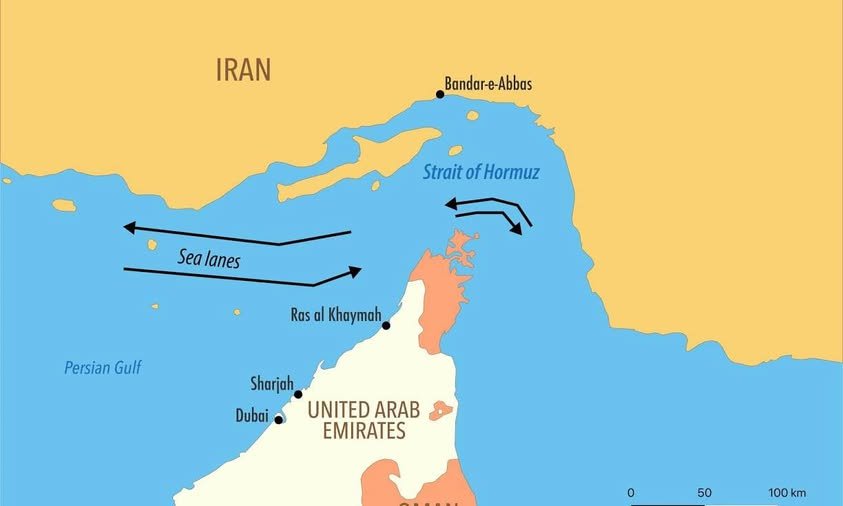
4.2. 82nd Airborne and Marines Amphibious Landing at Bandar Abbas
- Strategic Logic: Securing the Iranian coast near Bandar Abbas allows for direct suppression of coastal missile batteries threatening the Strait of Hormuz, ensuring safe passage for tankers.
- Operational Feasibility:Moderate.
- Synergy: The 82nd Airborne can parachute onto key airfields to establish a foothold, followed by Marine amphibious assaults to secure the port.
- Constraint: This requires total air superiority. Iranian S-300 and domestic Bavar-373 air defence systems must be neutralized via SEAD (Suppression of Enemy Air Defences) missions prior to troop insertion.
- Political Risk: Placing US ground troops on Iranian soil is a major escalation threshold, likely triggering Iranian missile strikes on US bases in Qatar, Bahrain, and UAE.
4.3. Avoidance of High Mountain Ranges
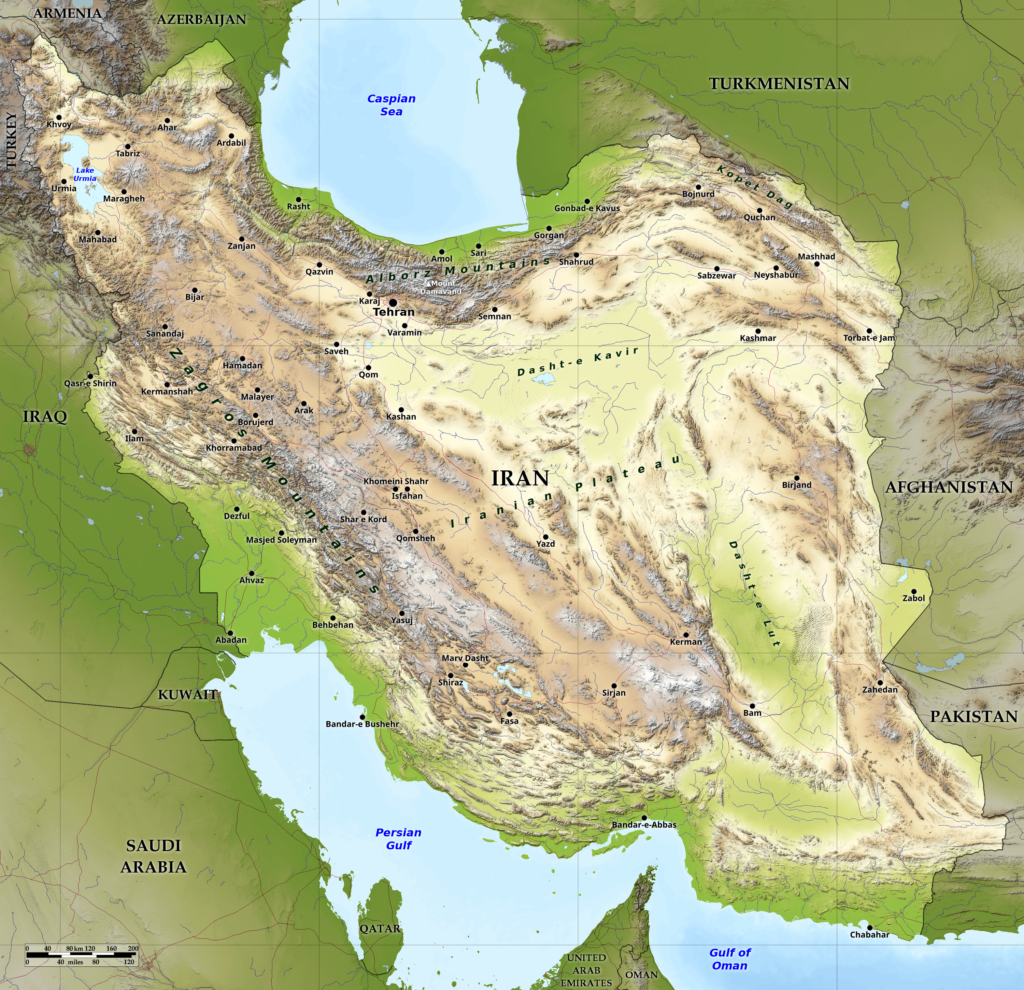
Hypothesis: US forces will not cross the Zagros/Alborz mountains due to manpower scarcity.
- Strategic Logic:Accurate Assessment.
- Terrain: The Zagros mountains are rugged, with limited road networks ideal for ambushes and IEDs.
- Manpower: The US Army is currently optimized for lighter, faster deployments rather than large-scale occupation. Sustaining a supply line across these mountains would require divisions of troops, which are not currently positioned in the region.
- Doctrine: US strategy favors “Stand-off” strikes. Expect drone warfare and special operations raids in the interior, not conventional armored columns.
4.4. USAF Employment
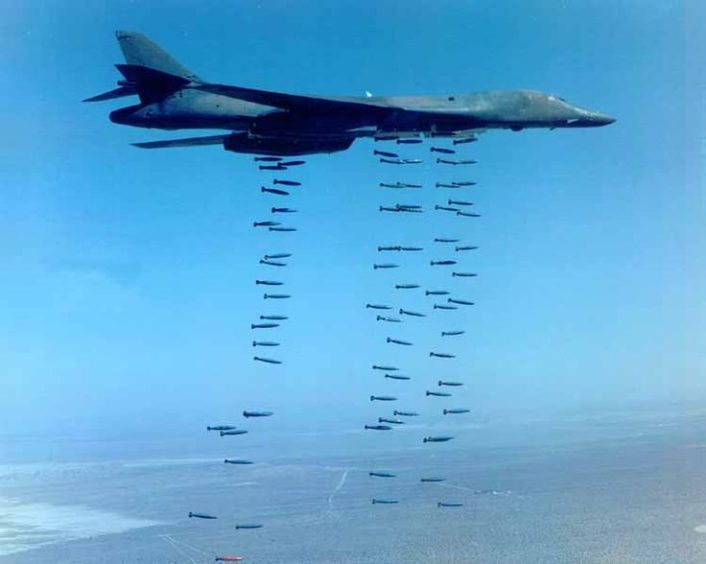
- In a coastal operation against Iran, the USAF would focus on destroying mine-related infrastructure rather than the mines themselves. Surface mine storage sites and logistics hubs would be struck with precision-guided bombs like the GBU-31 JDAM and GBU-39 Small Diameter Bomb, while hardened underground depots would require deep-penetration weapons such as the GBU-57 Massive Ordnance Penetrator.
- Mobile threats like mine-laying boats and coastal defense units would be engaged using precision missiles and laser-guided bombs, whereas high-value command centers and ports would be targeted with stand-off weapons like the AGM-158 JASSM. Wide-area weapons such as the GBU-43/B MOAB may be used selectively against soft, exposed positions for psychological and area effects.
- Overall, the strategy emphasizes precision strikes on storage, delivery systems, and command nodes to neutralize the mine threat before deployment.
5. Additional Operational Considerations
Beyond the user’s hypotheses, several critical factors will define the conflict’s trajectory.
5.1. The Cyber and Electronic Warfare Dimension
Before kinetic strikes, expect a “Silent War.” US Cyber Command will likely target Iranian command and control networks, disrupting IRGC coordination. Conversely, Iran may attempt cyberattacks on US financial infrastructure or Gulf energy desalination plants. Electronic Warfare (EW) aircraft (EA-18G Growlers) will be vital to jam Iranian radar and drone communications.
5.2. Proxy Activation and Regional Retaliation
Iran rarely fights alone. Escalation may trigger simultaneous attacks from:
- Hezbollah (Lebanon): Rocket strikes on Israel.
- Iraqi Militias: Drone/missile attacks on US bases in Iraq/Syria.
- Houthis (Yemen): Missile strikes on Saudi/UAE infrastructure or shipping in the Red Sea. This “Ring of Fire” strategy aims to stretch US defences thin across multiple theaters.
5.3. The Sea Mines Reality
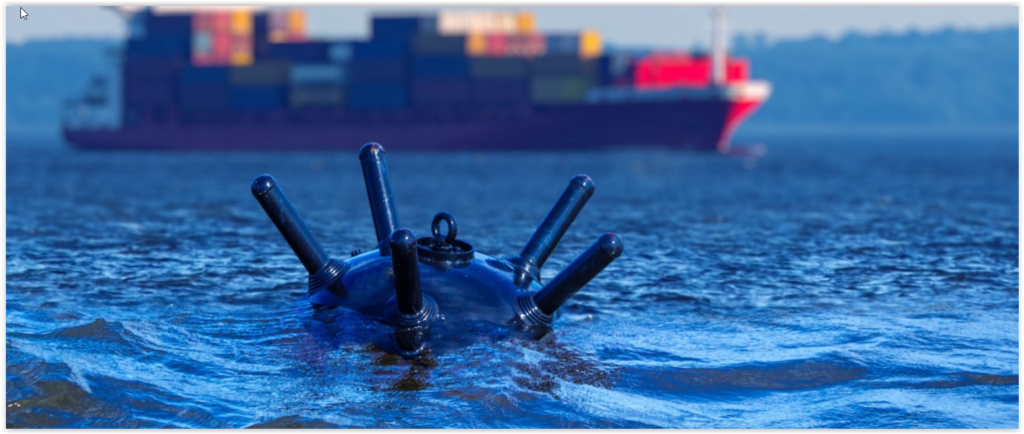
The greatest threat to global economics is not ground war, but mines in the Strait of Hormuz.
- Threat: Iran has over 5,000 naval mines. Closing the Strait for even weeks would spike global oil prices.
- Counter: The US Navy will prioritize destroying minelayers before they deploy. Once mines are in the water, clearing them is slow and dangerous work involving unmanned surface vessels and specialized helicopters.
5.4. Logistics and Sustainment
US forces in the region rely on hubs in Qatar (Al Udeid), Bahrain (Naval Support Activity), and UAE. These bases are within range of Iranian ballistic missiles. Dispersing assets and hardening shelters will be a primary concern. Supply lines through the Strait must remain open; otherwise, US forces in the Gulf become logistically isolated.
6. Risk Assessment Matrix
| Scenario | Military Feasibility | Political Risk | Escalation Potential | Economic Impact |
|---|---|---|---|---|
| Kharg Island Seizure | Medium (High Casualty Risk) | Very High | Extreme | Global Oil Shock |
| Hormuz Corridor Security | High (With Air Superiority) | High | High | Moderate Disruption |
| Limited SOF Raids | High | Medium | Medium | Low |
| Full Ground Invasion | Low (Terrain/Manpower) | Extreme | Catastrophic | Severe Global Recession |
7. Conclusion: Deterrence, Coercion, or Conflict?
The US military buildup is likely to be used as bargaining chips. The most likely outcome is a short, intense period of aerial and naval strikes designed to degrade Iranian asymmetric capabilities, followed by a return to diplomatic negotiations. However, the risk of miscalculation—particularly regarding sea mine warfare or proxy escalation—remains the primary driver of potential wider conflict.
Disclaimer: This analysis is based on open-source military doctrine, historical precedent, and observable force posture. Specific operational plans are classified and subject to change based on real-time geopolitical developments.



One Comment