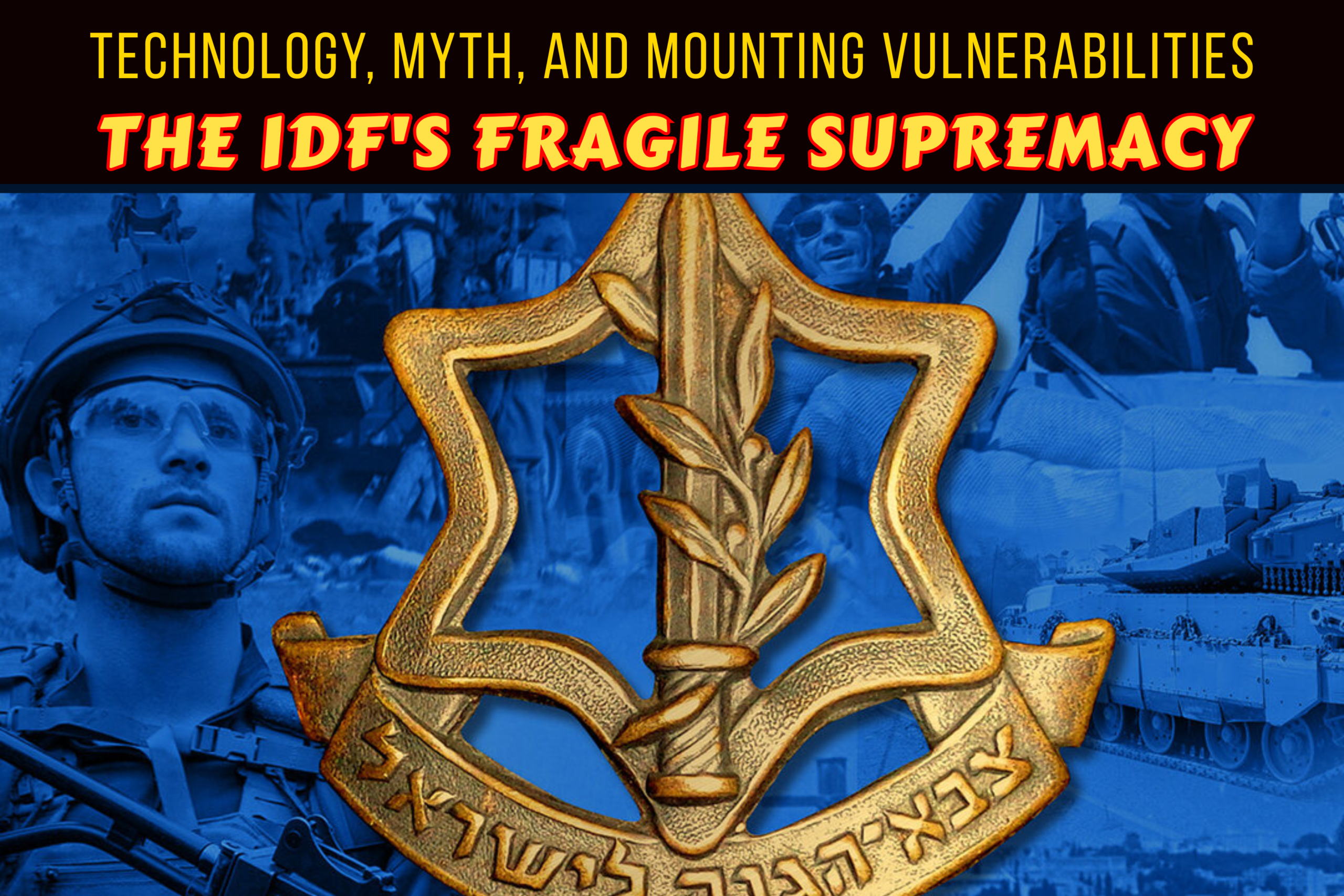
(By Khalid Masood)
I. Introduction: The Paradox of Israeli Military Power
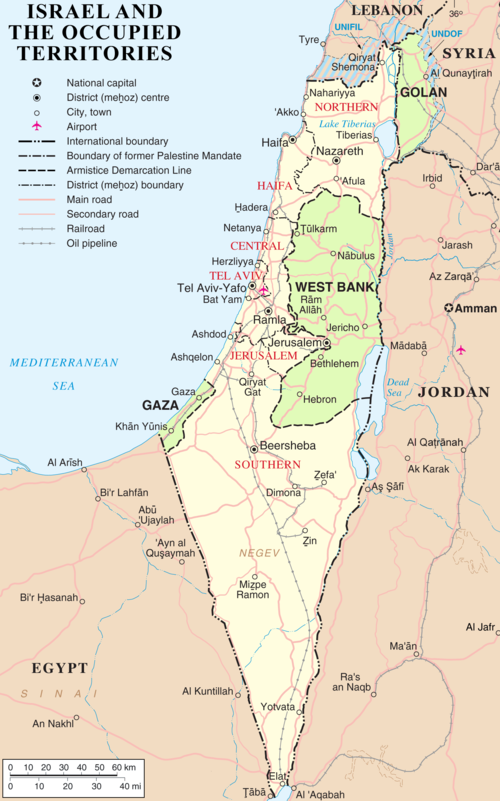
For decades, the Israel Defence Forces (IDF) has cultivated an aura of invincibility. Propagated through Western media and reinforced by swift victories in the 20th century, the narrative of Israeli military supremacy has become a cornerstone of the state’s deterrence strategy. However, as 2026 unfolds, the reality on the ground presents a starkly different picture. The IDF is no longer fighting a short, decisive war on a single front. It is engaged in a grinding, multi-theater conflict stretching from Gaza to Lebanon, with shadow wars extending to Syria, Yemen, and Iran.
This analysis examines the IDF not through the lens of myth, but through the cold calculus of military sustainability. While the occupying force retains significant technological advantages, it is currently grappling with structural vulnerabilities that threaten its long-term operational capacity. From a strategic perspective within the Muslim world, understanding these weaknesses is not merely academic; it is essential for assessing the shifting balance of power in the region.
II. Historical Context: Acknowledging Past Successes, Questioning Present Assumptions
To understand the current strain on the IDF, one must acknowledge where its reputation was forged. The IDF’s historical successes are real, but they were context-specific.
The 1967 Six-Day War:
The IDF’s victory in 1967 remains a case study in preemptive strikes and armored maneuvers. However, this victory was achieved against fragmented Arab command structures, outdated Soviet doctrine, and poor inter-state coordination. The Arab armies fought as separate entities rather than a unified front. The IDF exploited these disconnections, creating a myth of inherent superiority that ignored the qualitative disparities of the time.
The 1973 Yom Kippur War:
The 1973 war shattered the myth of invincibility. Initial Arab successes exposed severe IDF intelligence failures and doctrinal rigidity. Although Israel eventually regained the initiative, the high casualty rate and equipment losses demonstrated that the IDF could be surprised, strained, and politically constrained. It was a warning that technological edge does not guarantee immunity from strategic shock.
The Exception: Israeli Aircraft Lost to Pakistani Pilots
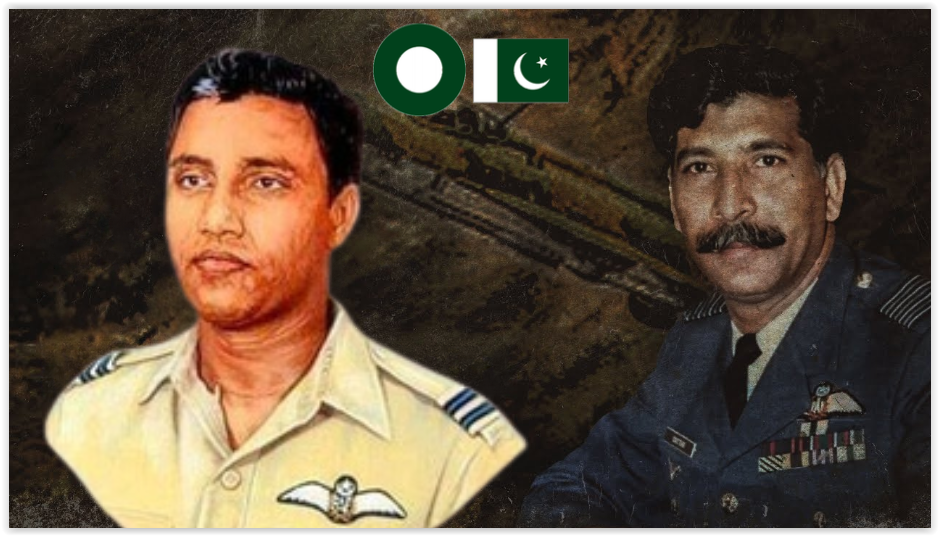
While Israeli air superiority is often touted as absolute, historical records from the Muslim world highlight a critical exception. During the conflicts surrounding the 1967 war and its aftermath, volunteer Pakistani pilots serving with Arab air forces achieved confirmed air-to-air kills against Israeli aircraft.
- Flight Lieutenant Saif-ul-Azam: Credited with shooting down multiple Israeli jets (including Mystère and Mirage III) while serving with Jordanian and Iraqi air forces.
- Flight Lieutenant Sattar Alvi: Credited shooting down an Israeli Mirage over Syria in 1974 while flying a MiG-21 for the Syrian Air Force.
These engagements are significant. They represent the only documented instances where Israeli aircraft were defeated in air-to-air combat by non-Arab Muslim pilots. They serve as a historical reminder that professional training, tactical discipline, and determination can offset technological asymmetries. This historical precedent underscores the potential of capable regional adversaries to challenge Israeli air dominance.
III. Organizational Structure: Strengths Built on Vulnerable Foundations
The IDF is structured as a “citizen army,” relying heavily on a small active-duty core supported by a massive reserve force.
- Active vs. Reserve: The active duty force stands at approximately 170,000, but in wartime, it swells to over 450,000 with reservists. This model works for short bursts of conflict but is economically and socially unsustainable for prolonged wars.
- Centralized Command: While efficient for rapid mobilization, the centralized command structure is showing signs of brittleness under the stress of simultaneous, decentralized conflicts across multiple borders.
- The Conscription Crisis: The traditional reliance on universal conscription is fracturing. Growing exemptions for ultra-Orthodox Jews and Arab citizens, combined with political paralysis over draft laws, are eroding the manpower pool that the IDF depends on for survival.

IV. Documented Strengths: Capabilities That Demand Respect
A realistic analysis must acknowledge where the IDF remains formidable. Underestimation is a strategic error.
- Technological Edge: The IDF possesses one of the most advanced militaries globally. Its multi-layered missile defence network (Iron Dome, David’s Sling, Arrow) is sophisticated. Its integration of AI, cyber warfare, and precision-strike capabilities allows for high-value targeting with reduced collateral footprint compared to conventional armies.
- Combat Experience: Two years of continuous operations have provided the IDF with real-time tactical learning. Its ability to adapt doctrine mid-conflict is a proven strength.
- External Support: The IDF does not fight alone. Unprecedented U.S. military aid, intelligence sharing, and diplomatic cover provide a strategic backbone that allows Israel to sustain operations that would otherwise exhaust its domestic resources.
V. Critical Weaknesses: Structural Vulnerabilities in Prolonged Conflict
Despite its strengths, the IDF is facing vulnerabilities that are structural and deepening.
A. The Manpower Crisis
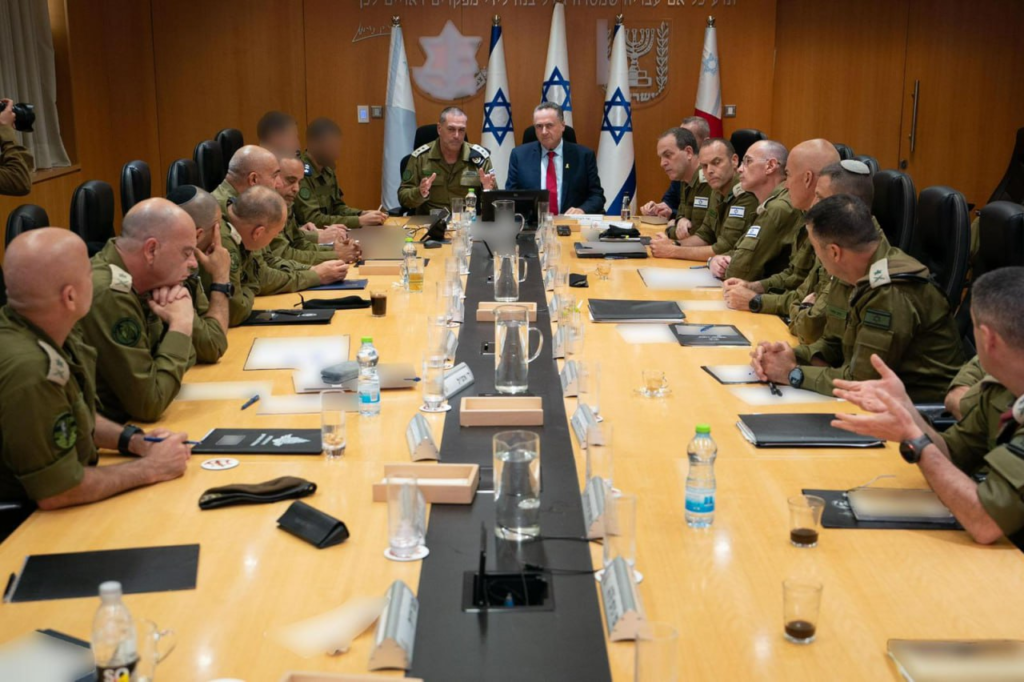
The most significant threat to the IDF is not external firepower, but internal depletion. In January 2026, IDF Chief of Staff Lt. Gen. Eyal Zamir issued a stark warning: the IDF faces potential “collapse” without urgent recruitment reforms.
- Shortages: The IDF urgently needs approximately 12,000 recruits, with 7,000 critically needed for combat roles.
- Reserve Exhaustion: Reserve turnout has dropped below 60%. The economic and psychological toll of repeated mobilizations is causing widespread fatigue.
- Political Paralysis: Approximately 80,000 ultra-Orthodox men (aged 18-24) remain exempt from service. This demographic disparity fuels social resentment and deprives the military of vital manpower.
B. The Mobilization of Youth: Early Militarization
In a move that underscores the severity of the manpower crisis, the IDF has increasingly relied on pre-military frameworks to pipeline teenagers into the conflict. The Gadna (Youth Battalions) program, traditionally designed for civic education, has shifted towards intensive weapons training and tactical preparation for students as young as 14. Reports suggest that in response to the shortage of 12,000 personnel, pressure is mounting to lower recruitment thresholds and accelerate the deployment of younger cohorts. This early militarization of teenagers reflects a strategic desperation, prioritizing manpower quotas over the psychological maturity of its soldiers. From a regional perspective, this mobilization of youth highlights the demographic constraints facing the occupation and raises serious ethical questions regarding the use of minors in a protracted war zone.
C. Multi-Front Overextension
The IDF is currently stretched across multiple theaters:
- Gaza: A resource-draining urban counterinsurgency.
- Lebanon: Confronting Hezbollah’s estimated 150,000+ rockets and missiles.
- Iran: Facing a growing ballistic missile threat and proxy networks.
- West Bank, Syria, Yemen: Persistent low-intensity threats requiring constant vigilance.
This dilution of resources means no single theater receives full strategic focus, allowing adversaries to exploit gaps in attention and logistics.
D. Training and Readiness Deficits
Operational tempo has cannibalized training. New recruits are entering combat with minimal preparation, and veteran units are losing edge due to fatigue. Commander reports indicate declining readiness standards, a dangerous trend for a military that relies on qualitative superiority.
VI. The Pakistan Factor: A Potential Peer Competitor
In the landscape of regional military power, the Pakistan Armed Forces stand out as a potential peer competitor to the IDF.
- Military Parity: With approximately 650,000 active personnel and 550,000 reserves, Pakistan possesses a conventional mass that Israel cannot match. It is also a nuclear-capable state, adding a layer of strategic deterrence that Arab states historically lacked.
- Combat Experience: Pakistan’s military has decades of experience in counterinsurgency and conventional warfare readiness. Its pilot training standards are renowned, as evidenced by historical engagements against Israeli aircraft.
- Strategic Implications: Pakistan’s geographic position, nuclear deterrent, and conventional capabilities position it as one of the few regional powers capable of matching the IDF in a hypothetical direct confrontation. While not currently a belligerent, the existence of a capable Muslim military power with proven historical success against Israeli assets alters the strategic calculus of the region.
VII. Resilience Factors: Why the IDF Remains Formidable
The IDF is not on the verge of immediate defeat. It possesses significant resilience factors.
- Institutional Adaptability: The new five-year “Choshen” plan emphasizes AI, robotics, and force multiplication to offset manpower shortages. The shift toward technology is an attempt to future-proof the force.
- Economic Backing: With a defence budget estimated at $49.8 billion (8% of GDP) and emergency wartime supplements, Israel has the financial capacity to sustain high-intensity operations longer than most regional adversaries.
- Societal Mobilization: Despite strain, Israeli society retains a high capacity for national mobilization. The civil-military integration remains robust, allowing for rapid emergency response.
VIII. Inventory and War-Fighting Capacity: Can Israel Sustain a Longer War?
A. Missile Defence: Strength and Saturation Vulnerability
Israel’s layered defence systems are effective against limited salvos. However, they are vulnerable to coordinated, multi-vector saturation attacks. If Iran, Hezbollah, and proxies fire simultaneously, the Iron Dome and Arrow systems risk being overwhelmed. The new Iron Beam laser system is promising but remains unproven at the scale required for a full regional war.
B. Offensive Capabilities: Precision vs. Endurance
The Israeli Air Force (IAF) is world-class, but it is limited by pilot fatigue and munition stocks. Ground forces excel in urban warfare but are manpower-intensive. The dependency on precision munitions means that supply chain disruptions could severely degrade offensive capability.
C. Logistics and Sustainment
Recent resupply operations have seen over 50 cargo flights delivering 1,000+ tons of munitions in a single week. This highlights a critical dependency: the IDF relies heavily on U.S. support. If political winds shift in Washington, or if supply lines are threatened, the IDF’s stockpiles could deplete faster than domestic production can replace them.
IX. The Human Dimension: Morale, Cohesion, and Societal Strain
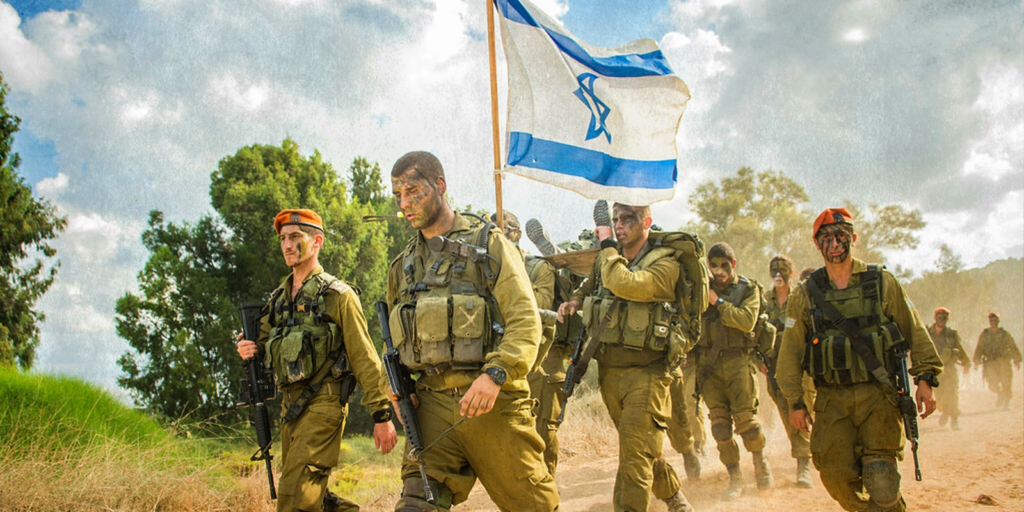
War is ultimately fought by humans, and the human element is where the IDF is showing significant cracks.
- Reservist Fatigue: Two years of repeated mobilizations are impacting livelihoods and mental health. The economic burden on families is creating domestic pressure to end operations.
- Societal Divisions: The ultra-Orthodox exemption controversy undermines the narrative of “shared sacrifice.” Political polarization is affecting military cohesion, with reservists increasingly questioning the strategic goals of the government.
- International Isolation: Growing diplomatic isolation affects morale and limits strategic flexibility. The IDF operates in a spotlight where every action is scrutinized, complicating rules of engagement.
X. Strategic Outlook: The Sustainability Question
The IDF stands at a strategic inflection point. The 2026-2030 force development plan attempts to pivot toward technology, but this carries risks. Over-reliance on unproven systems in high-intensity conflict could prove fatal if electronic warfare or cyber attacks degrade those capabilities.
Demographically, the need for 60,000 reservists on continuous duty clashes with a shrinking willing pool. Proposals to reduce service days may further erode readiness. Meanwhile, regional threats are evolving. Iran’s nuclear program advances, Hezbollah rearms with more precise missiles, and Hamas regenerates. The math of a multi-front war is unforgiving.
XI. Conclusion: The Myth of Invincibility Revisited
The IDF remains a highly capable, technologically advanced military force. It would be a strategic error to dismiss its lethality. However, the historical victories of 1967 and 1973 were context-specific and are not infinitely replicable. The myth of invincibility was always a psychological tool as much as a military reality.
Current structural vulnerabilities—manpower shortages, multi-front strain, societal cohesion issues, and industrial dependencies—create exploitable weaknesses. For adversaries and analysts in the Muslim world, the lesson is clear: Military power is not static. Today’s strengths can become tomorrow’s liabilities if the underlying foundations erode. The IDF is fighting a war of attrition against time, demographics, and geography. In such a war, even the most advanced army can be bled dry. The resilience of the resistance, coupled with the structural fatigue of the occupier, suggests that the era of unchecked Israeli military dominance is facing its most serious challenge yet.
________________________________________________________________________________________________________
Disclaimer: This analysis examines the Israel Defence Forces (IDF) through a critical strategic lens informed by perspectives common in the Muslim world. It is intended for research, educational, and policy-discussion purposes only. All historical claims, statistical data, and military assessments are drawn from publicly available sources, including official statements, reputable media, and academic research. The author writes as an independent analyst; this piece does not represent any government, organization, or political faction. Content is analytical, not prescriptive, and does not advocate for violence, discrimination, or unlawful action. Readers should be aware that military assessments involve inherent uncertainties and that the situation described is dynamic and subject to change.