(By Khalid Masood)
Updated: 24 March 2026
The Announcement: A Tactical Pause
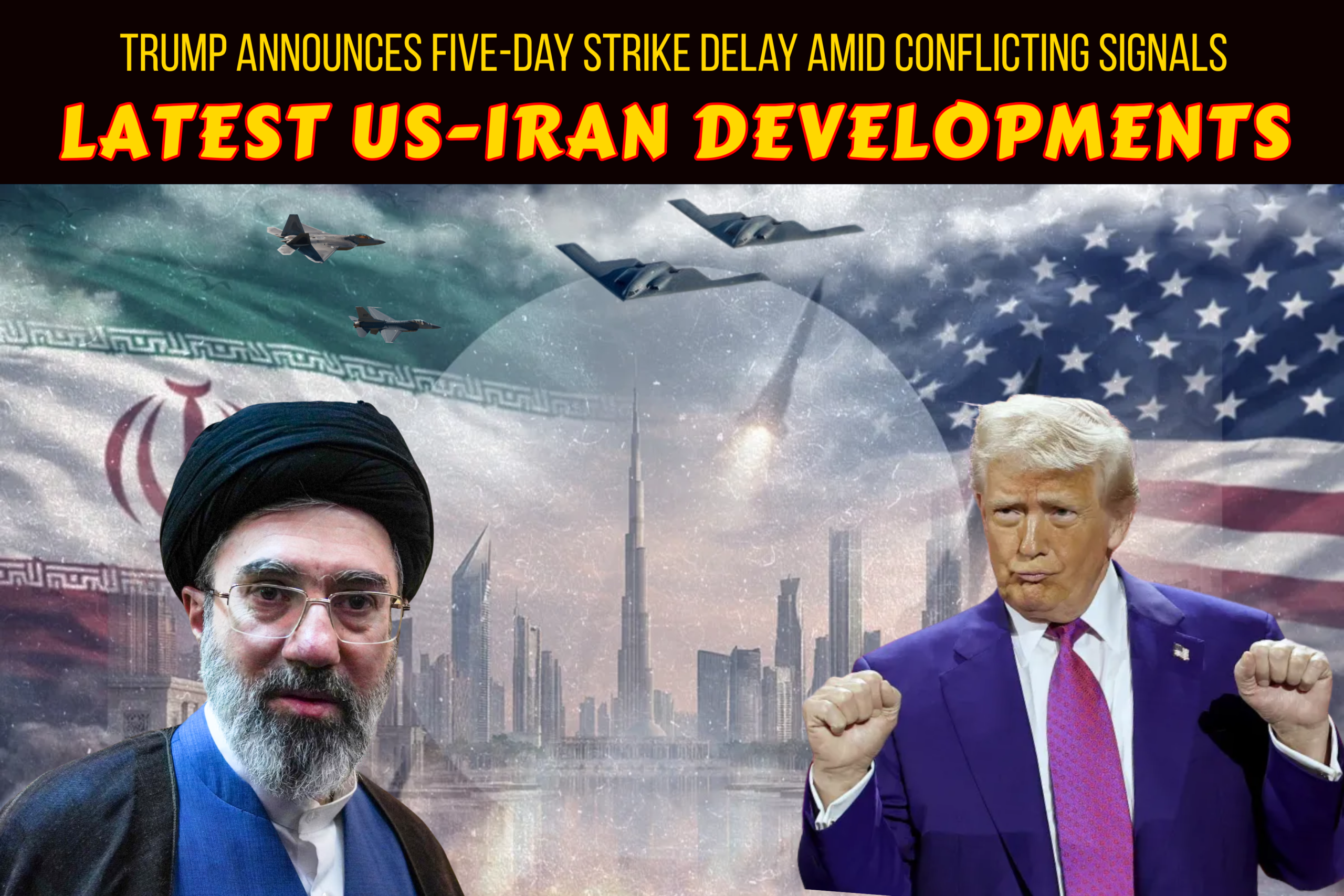
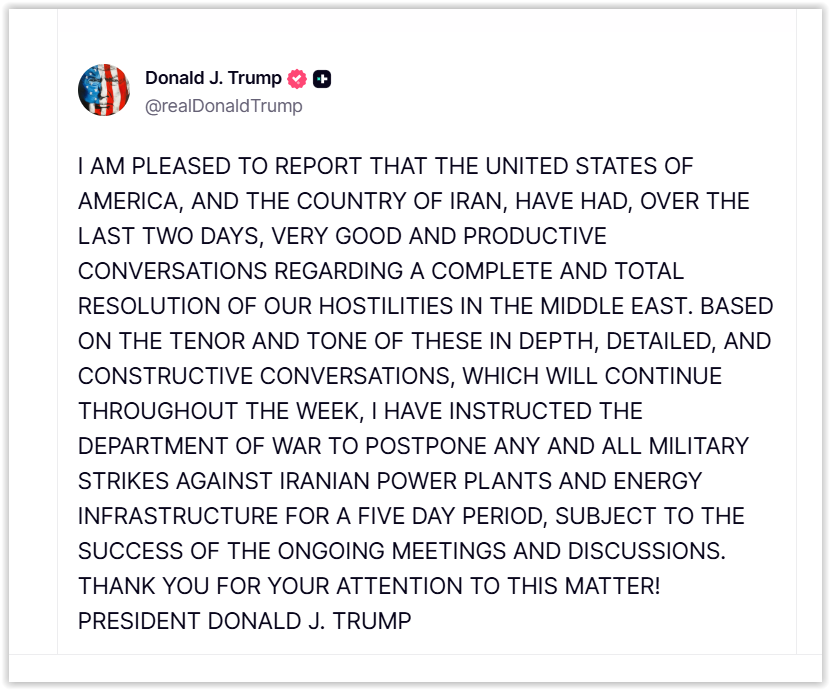
US President Donald Trump announced on Monday that he has ordered the Pentagon to postpone all military strikes targeting Iranian power plants and energy infrastructure for a five-day period. The delay, posted via Truth Social, was framed as contingent on the “success of ongoing meetings and discussions” with Iranian interlocutors.
Trump stated that the US had held “very good and productive conversations” with “a top person” in Iran over the preceding 48 hours, claiming both sides expressed interest in reaching a deal:
“They want very much to make a deal. We’d like to make a deal, too… If it goes well, we’re going to end up settling this. Otherwise, we’ll just keep bombing our little hearts out.”
Tehran’s Response: Denial of Direct Talks
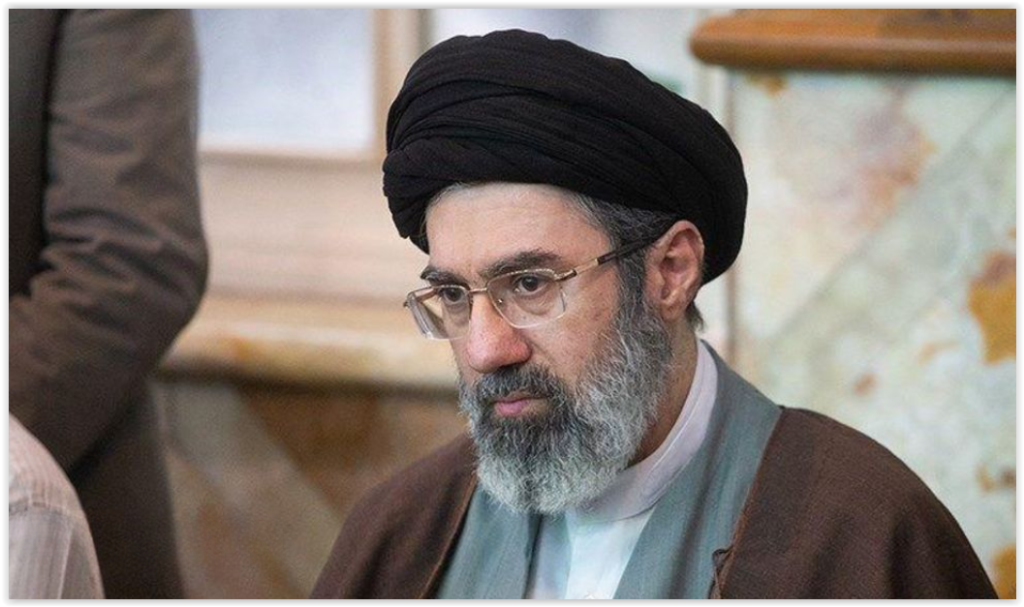
Within hours, Iranian officials categorically denied that any negotiations—direct or indirect—had taken place with the United States.
- Parliament Speaker Mohammad Bagher Ghalibaf called Trump’s claims “fake news” used to “manipulate financial and oil markets and escape the quagmire in which the US and Israel are trapped”.
- Foreign Ministry spokesman Esmaeil Baghaei clarified that whilst “messages have been received from some friendly countries regarding the US’s request for negotiations”, no formal discussions had occurred.
This discrepancy suggests that any communication has likely occurred through third-party mediators—potentially Pakistan, Türkiye, Egypt, or Oman—rather than direct US-Iran channels.
Current Military Situation
- Air Campaign Continues: Despite the pause on energy infrastructure strikes, Israeli forces reported launching a fresh wave of attacks on Tehran on Monday, indicating that kinetic operations have not fully ceased.
- Strait of Hormuz: Iran has effectively shut the strategic waterway, through which approximately 20 per cent of global oil supplies transit, triggering significant volatility in energy markets.
- Regional Retaliation Threats: Iran’s Khatam al-Anbiya Central Headquarters warned that if the US attacks Iranian power facilities, power plants in countries hosting US bases would become “legitimate targets”. Parliament Speaker Ghalibaf further warned of “irreversible” damage to regional energy infrastructure if threats escalate.
Mediation Efforts and Regional Dynamics
Regional actors are actively working to de-escalate:
- Pakistan, Türkiye, and Egypt have reportedly conveyed messages between Washington and Tehran, seeking an off-ramp to the standoff.
- Israeli Prime Minister Benjamin Netanyahu confirmed speaking with Trump on Monday, noting the US president sees “an opportunity to leverage” the conflict toward an agreement, whilst emphasising Israel would “continue to attack both in Iran and Lebanon” and “safeguard vital interests in any agreement”.
- Oman, which has historically facilitated US-Iran dialogue, remains a potential venue for future talks, though no formal negotiations have been scheduled.
Strategic Context: Why the Pause?
Analysts suggest several factors may have influenced Trump’s decision:
- Avoiding Escalation: Threatening Iranian energy infrastructure risked triggering broader regional retaliation, including attacks on Gulf oil facilities and US bases.
- Market Pressures: Oil price volatility and global economic concerns have increased pressure on Washington to seek an off-ramp.
- Domestic Politics: Growing anti-war sentiment and alliance strain may have incentivised a diplomatic pivot.
- Iranian Deterrence: Tehran’s explicit threats to target regional energy infrastructure raised the stakes of further escalation.
What to Watch in the Next Five Days
| Indicator | Significance |
|---|---|
| Formal talks announced? | Confirmation of direct or mediated negotiations would signal a potential de-escalation track. |
| Strait of Hormuz status | Reopening would reduce global market pressure; continued closure raises escalation risks. |
| Israeli military activity | Continued strikes could undermine the pause and provoke Iranian retaliation. |
| GCC state statements | Public positioning by Saudi Arabia, UAE, or Qatar could reveal behind-the-scenes diplomatic efforts. |
| Russian/Chinese diplomatic moves | UNSC statements or bilateral initiatives may indicate great power efforts to shape outcomes. |
Bottom Line
The announced five-day pause represents a tactical recalibration, not a resolution. The conflicting narratives—Trump claiming productive talks whilst Tehran denies any contact—highlight the fragility of the current diplomatic opening. Whilst the delay reduces immediate escalation risks, the underlying drivers of the conflict (nuclear tensions, regional proxy dynamics, and strategic mistrust) remain unaddressed.
For policymakers and analysts, the critical question is whether this window will be used to establish a credible negotiation framework—or merely to reposition military assets for the next phase of confrontation.