(By Khalid Masood)
I. The Fork in the Road
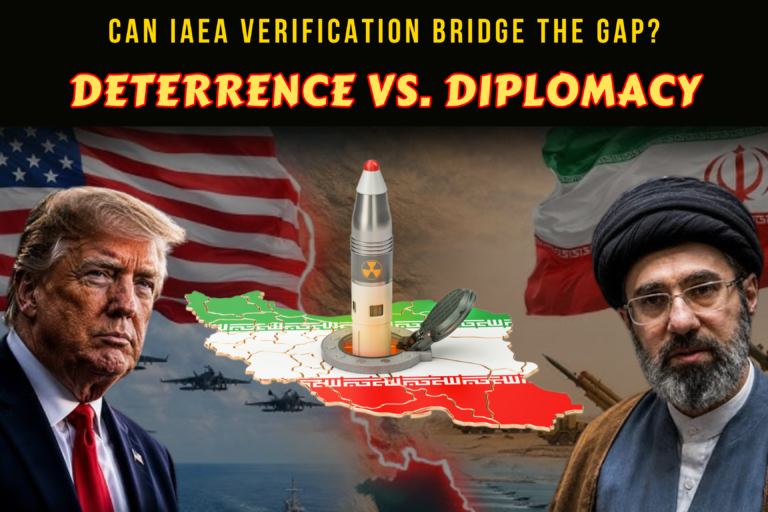
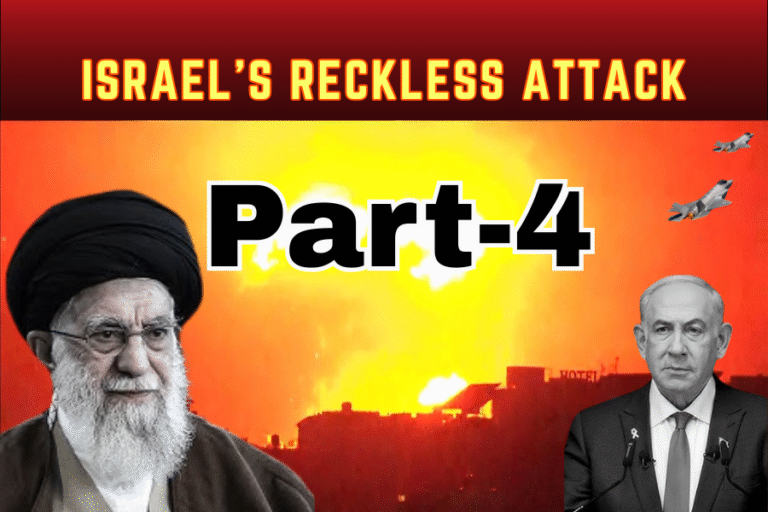
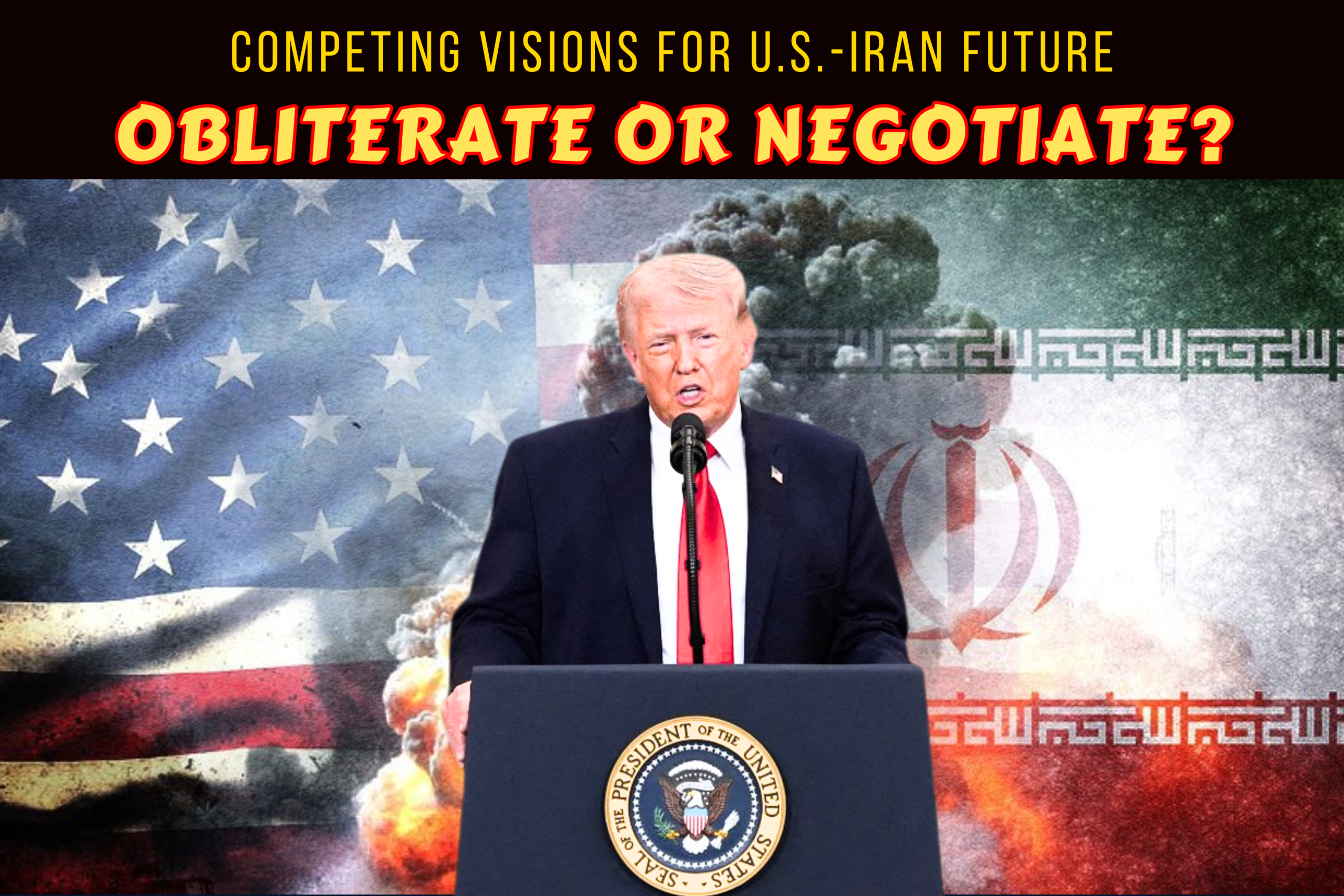
Within a 48-hour window in early April 2026, two high-profile statements crystallized the strategic dilemma facing the United States and Iran. On one side, public remarks attributed to President Donald Trump warned of the complete targeting of Iranian energy, water, and electrical infrastructure if Tehran did not reopen the Strait of Hormuz. On the other, former Iranian Foreign Minister Mohammad Javad Zarif published a detailed peace roadmap in Foreign Affairs, outlining conditional nuclear limits, sanctions relief, and a multilateral regional security framework.
The juxtaposition raises a central question for observers and policymakers alike: When coercive rhetoric and diplomatic off-ramps emerge simultaneously, what signals should be prioritized in assessing conflict trajectory? This analysis maps both positions, verifies their factual basis, assesses their strategic and legal dimensions, and examines how regional actors navigate the tension. It does not advocate for escalation or conciliation, but seeks to clarify the evidence, constraints, and implications of each path.
II. Context: The Escalation Timeline
To evaluate these statements accurately, they must be situated within a rapidly shifting operational and diplomatic landscape:
- February 28, 2026: U.S.-Israeli strikes mark the beginning of an active conflict phase, following months of heightened maritime tensions and proxy engagements.
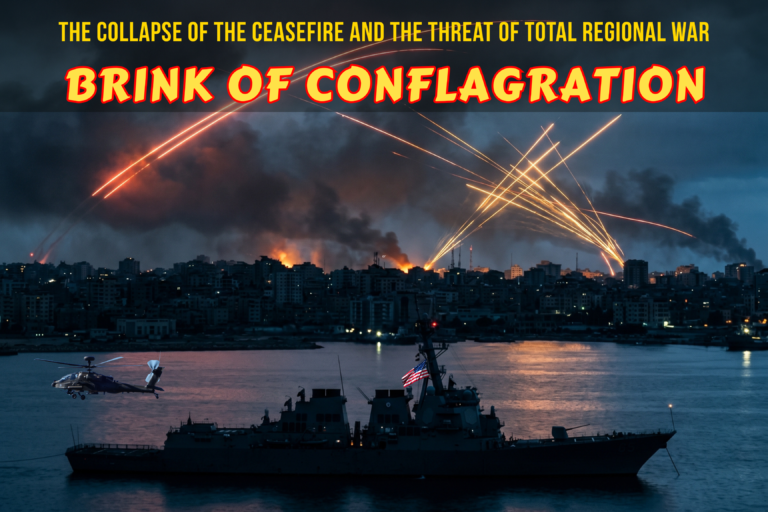
- Late March 2026: President Trump issues a public ultimatum framing a 48-hour window for Iran to “cut a deal or face all hell,” coinciding with Iranian warnings of potential Strait of Hormuz restrictions.
- Early April 2026: Posts on Truth Social and public remarks reference targeted strikes against Iranian civilian-adjacent infrastructure, including power grids, oil terminals, and desalination facilities.
- April 5, 2026: Zarif’s Foreign Affairs essay is published, presenting a structured proposal for de-escalation, monitored nuclear constraints, and regional economic integration.
The strategic backdrop is defined by three intersecting pressures: global energy market volatility linked to Hormuz shipping insurance rates, stalled indirect negotiations despite mediation efforts by Pakistan, Türkiye, and Egypt, and domestic political imperatives in both Washington and Tehran that reward hardline positioning. A critical verification checkpoint remains: distinguishing between personal rhetoric, campaign or electoral signaling, and formal operational policy. White House briefings have not issued unified doctrinal guidance matching the specificity of the social media posts, while Iranian state media has not officially adopted Zarif’s framework.
III. Anatomy of the Threat: Trump’s Escalation Rhetoric
Verified Statements & Sourcing
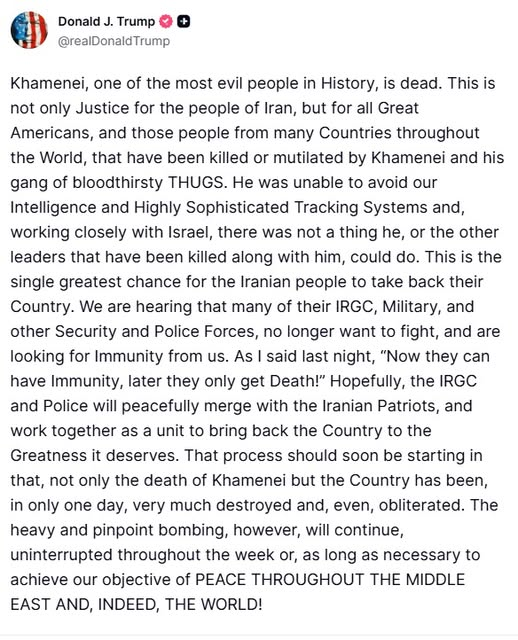
Multiple credible outlets, including Axios and PBS, have reported on President Trump’s recent statements regarding Iran. Verified elements include:
- Public warnings that the U.S. would “completely obliterate” Iranian power, energy, and water infrastructure if the Strait of Hormuz remains closed.
- Specific references to targeting electric generating plants, oil export facilities (including Kharg Island), and desalination plants.
- A broader rhetorical theme, echoed in earlier addresses, of returning adversaries to a “pre-industrial” or “Stone Age” condition if core demands are unmet.
The phrase “pulverize them to the ground” has circulated in media summaries and social commentary but does not appear in verified transcripts, official statements, or archived social media posts attributed to the President. It is best understood as a paraphrase or conflation of multiple statements rather than a direct quotation.
Strategic & Legal Dimensions
From a military standpoint, targeting infrastructure of this scale raises questions of proportionality and distinction under international humanitarian law. The International Committee of the Red Cross (ICRC) and customary IHL emphasize that dual-use facilities—those serving both civilian and military functions—require careful targeting assessments to avoid disproportionate harm to noncombatants. Power grids and water systems, while potentially supporting military logistics, are explicitly recognized in UN and ICRC guidance as critical to civilian survival.
Regionally, strikes of this magnitude would likely trigger secondary effects: disrupted Gulf energy exports, spikes in global oil prices, increased shipping insurance premiums, and potential retaliatory measures against U.S. assets or allied infrastructure in the Middle East. Analysts note that coercive infrastructure targeting often produces short-term leverage but carries high long-term blowback risks, particularly when civilian systems are degraded.
Domestic & Diplomatic Context
Whether these statements function as operational intent, coercive diplomacy, or domestic political signaling remains debated. U.S. allies in the GCC have expressed private concern over regional spillover, while domestic audiences receive the rhetoric as evidence of maximalist deterrence. The absence of formal congressional authorization or unified interagency guidance suggests the statements currently reside in the realm of political positioning rather than executed military doctrine. Verification remains pending: which specific facilities were formally identified in targeting assessments, and whether legal reviews under the Law of Armed Conflict have been completed.
IV. Anatomy of the Proposal: Zarif’s Peace Roadmap
Core Pillars
In his April 5 essay, former Foreign Minister Mohammad Javad Zarif outlined a five-part framework for de-escalation:
- Nuclear Commitments: Iran would cap enrichment at 3.67%, blend down existing 60% stockpiles, and accept continuous international monitoring.
- Strait of Hormuz: Reopen the waterway to international shipping in exchange for comprehensive sanctions relief.
- Security Architecture: A U.S.-Iran mutual nonaggression pact paired with a regional security consortium including Gulf states, China, Russia, Egypt, Pakistan, and Türkiye.
- Economic Cooperation: Gradual restoration of U.S.-Iran trade, technology, and investment ties to “consolidate peace.”
- Enrichment Governance: Establishment of a single, internationally overseen regional fuel-enrichment facility to replace dispersed domestic capacity.
Feasibility Assessment
| Pillar | Technical Feasibility | Political Viability | Key Constraints |
|---|---|---|---|
| Nuclear limits & monitoring | High (IAEA-capable verification exists) | Low (U.S. domestic opposition, congressional hurdles) | Requires legislative action on sanctions architecture |
| Hormuz reopening | Medium (logistically straightforward) | Low (trust deficit, verification of Iranian compliance) | Dependent on mutual confidence measures |
| Regional security consortium | Low (complicting threat perceptions) | Very Low (current alignments favor bloc competition) | Requires precedent of inclusive Gulf diplomacy |
| U.S.-Iran economic engagement | Medium (sanctions relief mechanisms exist) | Very Low (political will absent in Washington) | Tied to broader nonproliferation and human rights conditions |
Critical Clarifications
Zarif served as Iran’s Foreign Minister from 2013 to 2021 and is no longer in office. His proposal is a personal diplomatic initiative published in an independent journal, not an official policy document issued by Iran’s current Foreign Ministry, Supreme National Security Council, or Supreme Leader’s office. As of April 6, Tehran has not publicly endorsed or distanced itself from the framework. In Iran’s political system, major diplomatic shifts require approval from the Supreme Leader and alignment with the elected government’s security apparatus. Without official endorsement, the proposal functions as a track-II signaling mechanism rather than a binding state position.
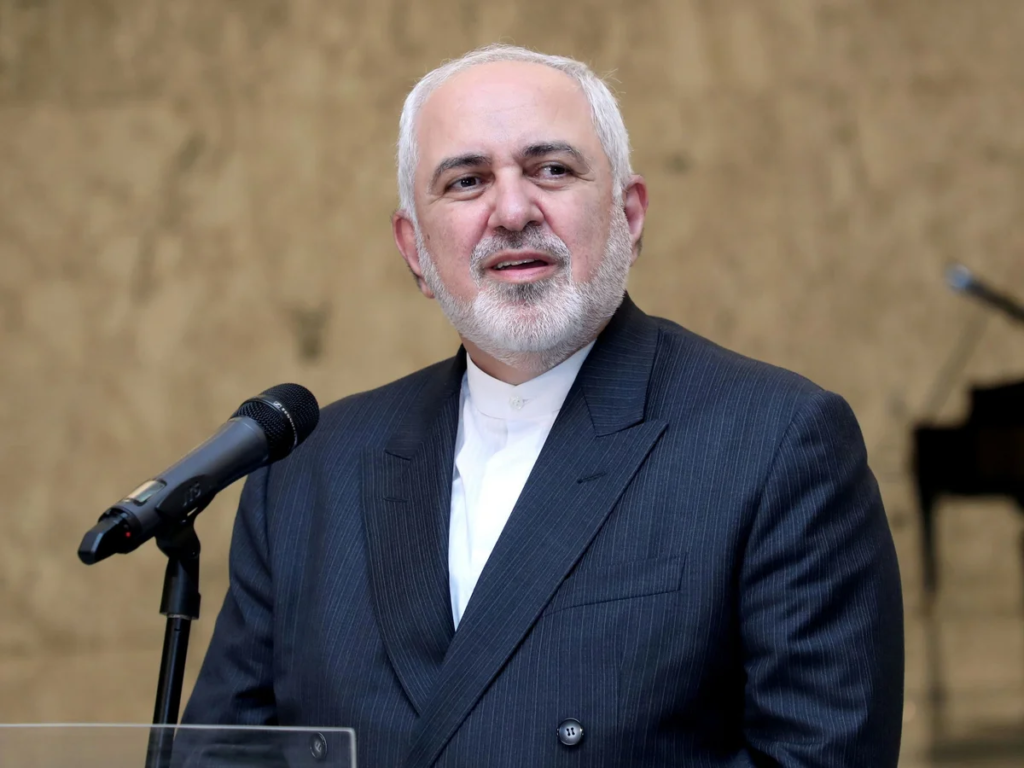
V. Regional Lens: How Gulf States Navigate the Tension
The Gulf Cooperation Council states are neither passive observers nor monolithic actors. Public and diplomatic reactions to the competing U.S.-Iran signals reveal divergent risk tolerances and strategic priorities.
United Arab Emirates: Senior Emirati diplomat Anwar Gargash publicly criticized the proposal, arguing it ignored Iran’s recent missile and drone campaigns targeting Gulf infrastructure and civilian areas. He characterized the framework as reflecting “hubris and strategic failure,” emphasizing that regional security cannot be negotiated without addressing prior Iranian escalatory actions.
Qatar: Former Prime Minister and senior mediator Hamad bin Jassim Al Thani described the roadmap as “clever” and stated agreement with “much of it,” while cautioning that Iran’s track record has eroded regional trust. Qatar’s position reflects its historical role as a diplomatic conduit, balancing U.S. security ties with channels to Tehran.
Saudi Arabia & Oman: Riyadh has maintained measured public commentary, focusing on stabilization and multilateral de-escalation frameworks. Muscat, consistent with its historical neutrality, has emphasized backchannel diplomacy and conflict prevention, though it has not publicly endorsed either the coercive or conciliatory framework.
The Mediation Gap
Despite active facilitation by Pakistan, Türkiye, and Egypt, no breakthrough has emerged. Analysts point to three structural barriers: divergent red lines on sanctions relief timelines, disagreements over verification sequencing for nuclear constraints, and the absence of a mutually accepted enforcement mechanism for Hormuz security guarantees. Gulf states, broadly, seek predictability and damage limitation rather than maximalist outcomes from either Washington or Tehran.
VI. Analytical Synthesis: What Do These Signals Reveal?
Coercion vs. Conciliation: Strategic Logics
| Dimension | Escalation Path | Diplomatic Path |
|---|---|---|
| Short-term leverage | High (immediate pressure, market signaling) | Low (requires trust-building, phased concessions) |
| Long-term stability | Low (risk of regional spillover, retaliatory cycles) | High (if verifiable and institutionally anchored) |
| Domestic political utility | High (rally-around-flag, deterrence messaging) | Medium (requires bipartisan or cross-faction support) |
| Regional acceptance | Low (fears of infrastructure targeting, refugee/energy shocks) | Medium (if inclusive and enforcement-backed) |
Conflict resolution scholars note that coercive diplomacy succeeds only when paired with credible, actionable off-ramps. Without them, threats risk entrenchment rather than compliance. Nonproliferation analysts assess that Zarif’s monitoring and enrichment-consortium models are technically sound within existing IAEA frameworks but politically fragile given current U.S. congressional dynamics and Iranian hardline resistance. Gulf security specialists emphasize that regional actors prioritize predictability over ideological victory, favoring mechanisms that decouple civilian economic stability from military posturing.
Verification Gaps & Ambiguities
Several critical questions remain unresolved:
- Which specific Iranian facilities were formally assessed as legitimate military targets under the Law of Armed Conflict?
- Has the IAEA published any technical assessment of the proposed regional enrichment consortium model?
- Are backchannel communications occurring between U.S., Iranian, and Gulf mediators that have not been reflected in public statements?
- Has Iran’s current leadership signaled acceptance, modification, or rejection of Zarif’s framework through official channels?
Until these points are clarified through primary documentation or official statements, public analysis must treat both the threat and the proposal as evolving signals rather than fixed policy commitments.
VII. Forward Look: Scenarios, Not Predictions
Based on verified developments and structural constraints, three evidence-based scenarios emerge for the next 60–90 days:
Scenario A: Escalation Path
Coercive statements translate into targeted strikes against dual-use infrastructure. Regional spillover increases, energy markets face sustained volatility, and humanitarian impacts on civilian systems draw international legal scrutiny. Diplomatic channels contract under domestic political pressure in both capitals.
Scenario B: Stalemate & Managed Tension
Rhetoric continues without operational execution. Indirect negotiations persist at low intensity, mediated by third states. The Strait of Hormuz experiences periodic disruptions but remains partially open. Both sides use the tension to consolidate domestic support while avoiding decisive confrontation.
Scenario C: Conditional De-escalation
Elements of the diplomatic roadmap gain traction through backchannel agreements. Phased sanctions relief is tied to verified nuclear constraints and Hormuz security guarantees. A limited regional monitoring mechanism is established, with GCC states and mediators providing verification infrastructure. Full normalization remains distant, but crisis intensity decreases.
Key indicators to watch: official U.S. targeting directives or legal reviews, Iranian Supreme Leader or Foreign Ministry statements on Zarif’s proposal, IAEA inspection access updates, and GCC public positioning on mediation frameworks.
VIII. The Observer’s Responsibility
In complex, high-stakes conflicts, clarity is more valuable than certainty. This analysis has mapped two competing visions—one rooted in coercive deterrence, the other in structured diplomacy—without endorsing either. Both carry documented risks and verifiable constraints. Both reflect domestic political realities as much as strategic calculus.
Responsible analysis requires disciplined sourcing, explicit acknowledgment of verification gaps, and refusal to conflate rhetoric with policy. Readers are encouraged to assess primary documents, question assumptions, and demand evidence-based policymaking. In an environment where escalation narratives and peace proposals compete for attention, the highest standard remains the same: follow the evidence, track the indicators, and resist the pull of premature certainty.