
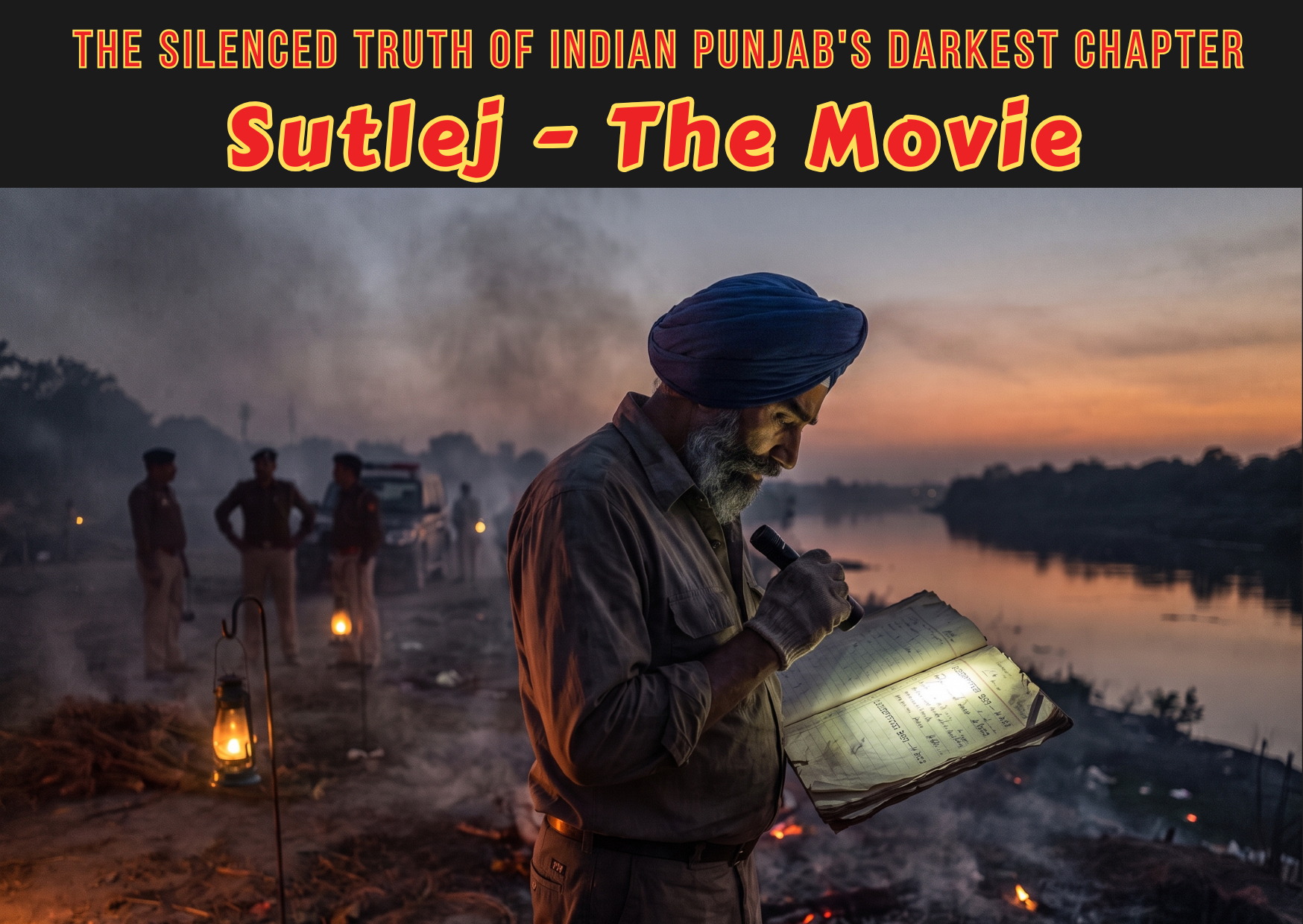
(By Faraz Ahmed)
The story of a banker who exposed 25,000 disappearances—and a film the government doesn’t want you to see
A Film That Lasted 48 Hours
On July 5, 2026, the Diljit Dosanjh-starrer Satluj quietly premiered on ZEE5. Within 48 hours, it was gone—removed from the platform in India without any official court order or FIR . Government sources later confirmed that ZEE5 was directed to pull the film down citing “security concerns” and obligations under the Information Technology Rules, 2021 .
What was so dangerous about this film that it had to be erased? The answer lies not in fiction, but in documented history.
Not a Film, But a Documentary
Satluj is not a fictional story. It is a well-researched documentary based on court records, Supreme Court findings, and the real-life investigation of Jaswant Singh Khalra . As one reviewer described it: “Some films are watched; Satluj is witnessed” .
The film traces Khalra’s investigation into the cremation of thousands of unidentified bodies in Punjab between 1984 and 1994 . What Khalra discovered was a systematic practice of declaring bodies “unclaimed” and cremating them without informing families—a cover-up for extrajudicial killings.
The film’s IMDb rating stands at an extraordinary 9.7, with viewers calling it “intense emotional confrontation with truth, injustice, and the unbearable cost of standing for humanity” .
The Man Behind the Investigation
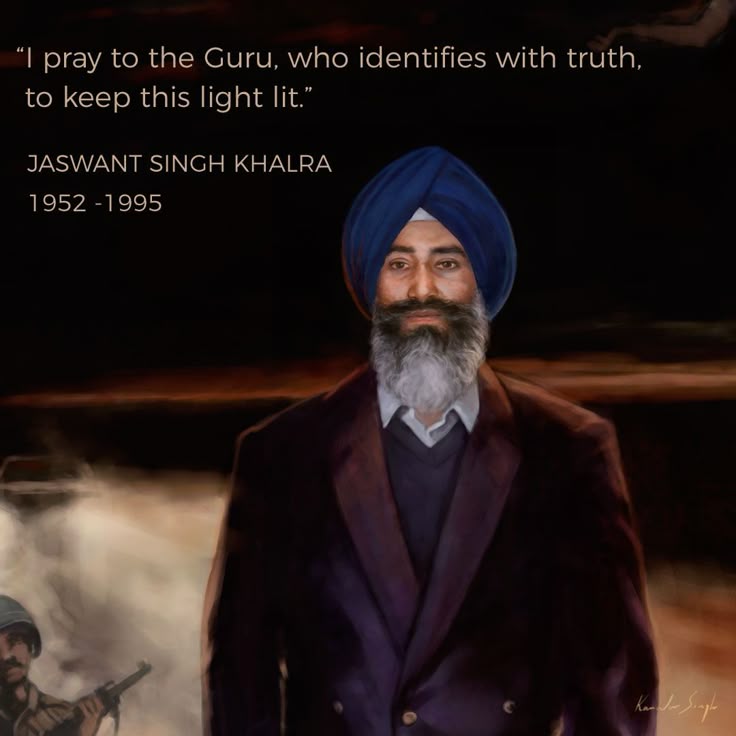
Jaswant Singh Khalra was not a politician or a seasoned activist. He was an ordinary bank clerk from Amritsar—a settled family man with a comfortable life .
His journey began when he started searching for missing friends. His investigation led him to municipal corporation files and cremation ground records across Amritsar, Patti, and Tarn Taran. What he found was horrifying: register after register containing entries of “unidentified bodies” that had been cremated directly—no names, no addresses, no claimants .
On January 16, 1995, Khalra and his colleague J.S. Dhillon released a press note titled “Disappeared & Cremation Grounds” . It documented:
- Approximately 2,000 bodies cremated as unclaimed near Amritsar’s Durgiana Mandir between June 1984 and late 1994
- 400 unclaimed bodies brought to Patti municipality from surrounding villages
- 700 bodies taken to Tarn Taran municipality
The note detailed specific cases: Bhagel Singh, arrested in Bihar but cremated as unidentified in January 1992; Piara Singh, abducted from Uttar Pradesh by police posing as doctors; Pargat Singh “Bullet,” taken from an Amritsar hospital and cremated in November 1992 .
The Supreme Court’s Intervention
The Supreme Court of India took cognizance of Khalra’s findings. In 1996, the Court ordered a high-powered CBI investigation, calling the allegations a potential “gory tale of human rights violations” . The bench observed:
“It is horrifying to visualise that dead bodies of a large number of persons — allegedly thousands — could be cremated by the police unceremoniously with a label ‘unidentified.’ Our faith in democracy and rule of law assures us that nothing of the type can ever happen in this country, but the allegations in the Press Note — horrendous as they are — need thorough investigation.”
On December 12, 1996, the CBI inquiry report documented 585 fully identified bodies, 274 partially identified bodies, and 1,238 unidentified bodies. The Supreme Court labelled it a “flagrant violation of human rights on a mass scale” .
The Cost of Truth
On September 6, 1995, Khalra was abducted by police commandos while washing his car outside his home . He was taken to a police station and never seen again. His mortal remains were never traced.
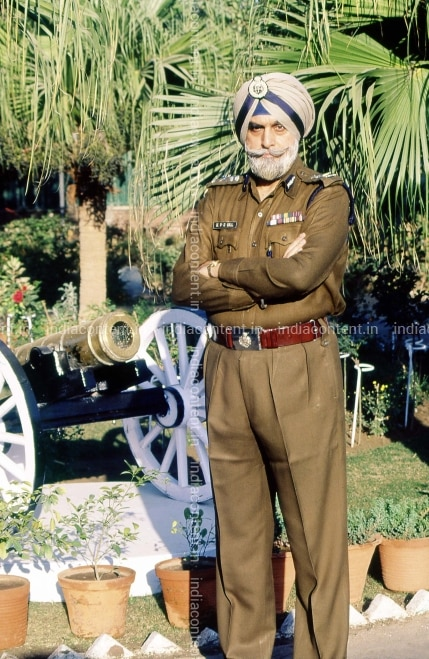
He had named then-DGP K.P.S. Gill as a conspirator in the extrajudicial killings and had even addressed the Canadian House of Commons on the matter .
In 2005, six police officials were convicted for Khalra’s abduction and murder. Two years later, the Punjab and Haryana High Court enhanced their sentences to life imprisonment. In 2011, the Supreme Court dismissed their appeals .
The courts have since convicted over 150 police officials, including three DIGs and five SSPs . The Supreme Court, in April 2016, lifted a decade-long stay on CBI prosecutions, ruling that police officers could not claim immunity or require prior state sanction to be tried .
The Untold Stories
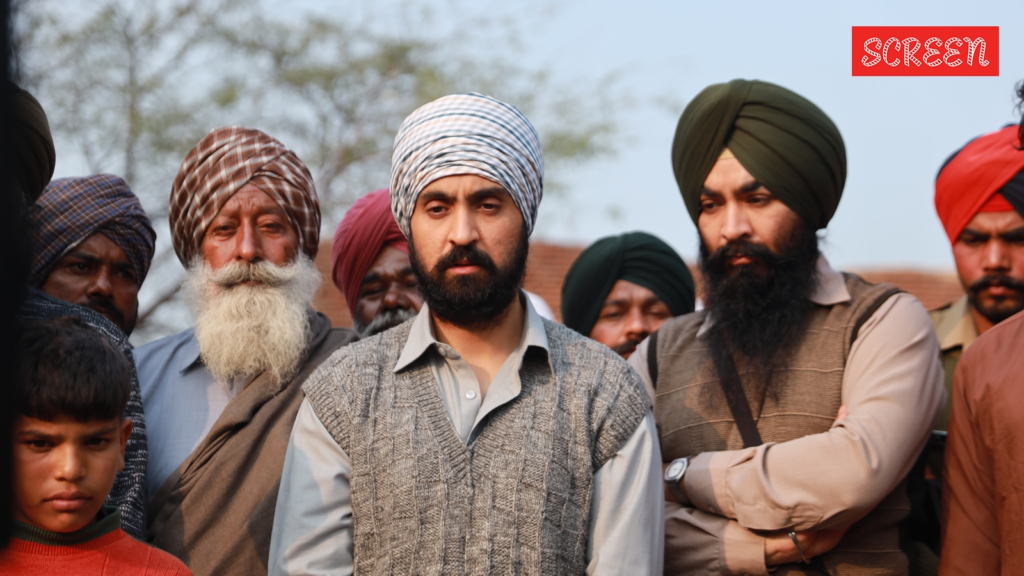
The families of the disappeared continue to demand answers. Jaswinder Singh of Amritsar lost his father and grandfather in 1992. Police picked them up and later claimed both died during interrogation, their bodies thrown into the Harike canal .
Bhupinder Kaur’s father was taken from his village in 1993. Her mother faced police torture and constant threats to withdraw their legal case—a fight the family pursued for 35 years despite financial hardship .
Hira Singh’s 18-year-old brother was picked up in 1992. His mother was briefly allowed to meet him in custody, but days later police claimed he was killed in an encounter. Three of four police officers received life sentences decades later. “That is not justice. Now, even a film on the truth is stopped,” Hira said .
The Battle Over the Film
The film’s journey has been as turbulent as the story it tells. Originally titled Ghallughara—referencing historical Sikh massacres—it was submitted to the CBFC in 2022 . The board demanded 127 cuts, essentially gutting the film of its substance. The filmmakers refused .
The title was changed to Punjab 95, and later to Satluj . The film was selected for the Toronto International Film Festival in 2023 but was mysteriously withdrawn from the lineup . A February 2025 worldwide release was also blocked .
When the filmmakers finally released the uncut version on OTT—where CBFC has no jurisdiction—the government directed ZEE5 to remove it within two days . The Ministry of Information and Broadcasting claimed the release violated the IT Rules, 2021, although no specific provision was identified .
Comedian Kunal Kamra questioned the double standards: “A red carpet for The Kashmir Files, The Bengal Files and The Kerala Story. Roses for Dhurandhar 1 & 2… If filmmakers cannot tell the stories of people who stood up for justice without years of obstruction, what kind of cinema are we encouraging them to make? Jaswant Singh Khalra abducted again, this time by the CBFC” .
Why This Story Matters
Diljit Dosanjh, who plays Khalra in the film, said: “What happened to Satluj is exactly what had happened to Jaswant Singh Khalra” .
The government’s decision to suppress the film raises uncomfortable questions. Congress MP Dharamvira Gandhi said: “Let us not cover the wound. Let it remain open so everyone can see the roles played by the state, terrorists, the police and various agencies… Khalra had a story to tell, but unfortunately that story is not being allowed to reach people” .
The SGPC also criticized the move and called for the film’s release . Even across the border, the debate found resonance. Pakistani journalist Fawad Chaudhry asked where Pakistanis could watch the film, calling it a documentation of “horrifying India state brutality” .
The Unanswered Questions
The film Satluj is not just about one man’s investigation. It is about whether a democracy can confront its own brutal past. It is about whether the families of the disappeared deserve closure. It is about whether the truth can be suppressed forever.
The government’s fear is palpable. As one reviewer put it: “That a film about erasure was itself nearly erased and survived mirrors Khalra’s own faith: truth, documented carefully, finds daylight. He said the lamp would fight the darkness even if it burned alone. This film is that lamp, finally lit” .
Thirty years after Jaswant Singh Khalra was silenced, his story is being told—not in theatres, not officially on OTT, but in the conversations, in the downloads, in the questions that refuse to go away.
Satluj is not a film. It is a witness. And witnesses cannot be erased.


By bringing one of the darkest and most painful chapters of Punjab’s history to the screen, Diljit Dosanjh has shown that he is not just an artist, but also someone willing to tell difficult stories.
*Satluj* shines a spotlight on a period marked by allegations of enforced disappearances, extrajudicial killings, and abuses by sections of the security apparatus. Even if the film faced distribution hurdles, stories like these cannot be buried forever. History has a way of demanding that uncomfortable truths be confronted.
Many ask what became of those accused of committing these atrocities. Investigations led to convictions in some cases, while others were never held legally accountable. But beyond the courtroom, history and public memory continue to judge those accused of violating human rights.
The courage of Jaswant Singh Khalra, who documented alleged disappearances and sought justice for countless families, remains an enduring legacy. Today, films like *Satluj* ensure that those voices are not forgotten.
A film can be removed from a platform, but it cannot erase the questions it raises or the memories it preserves.
Salute to Diljit Dosanjh for bringing this difficult chapter into public conversation.