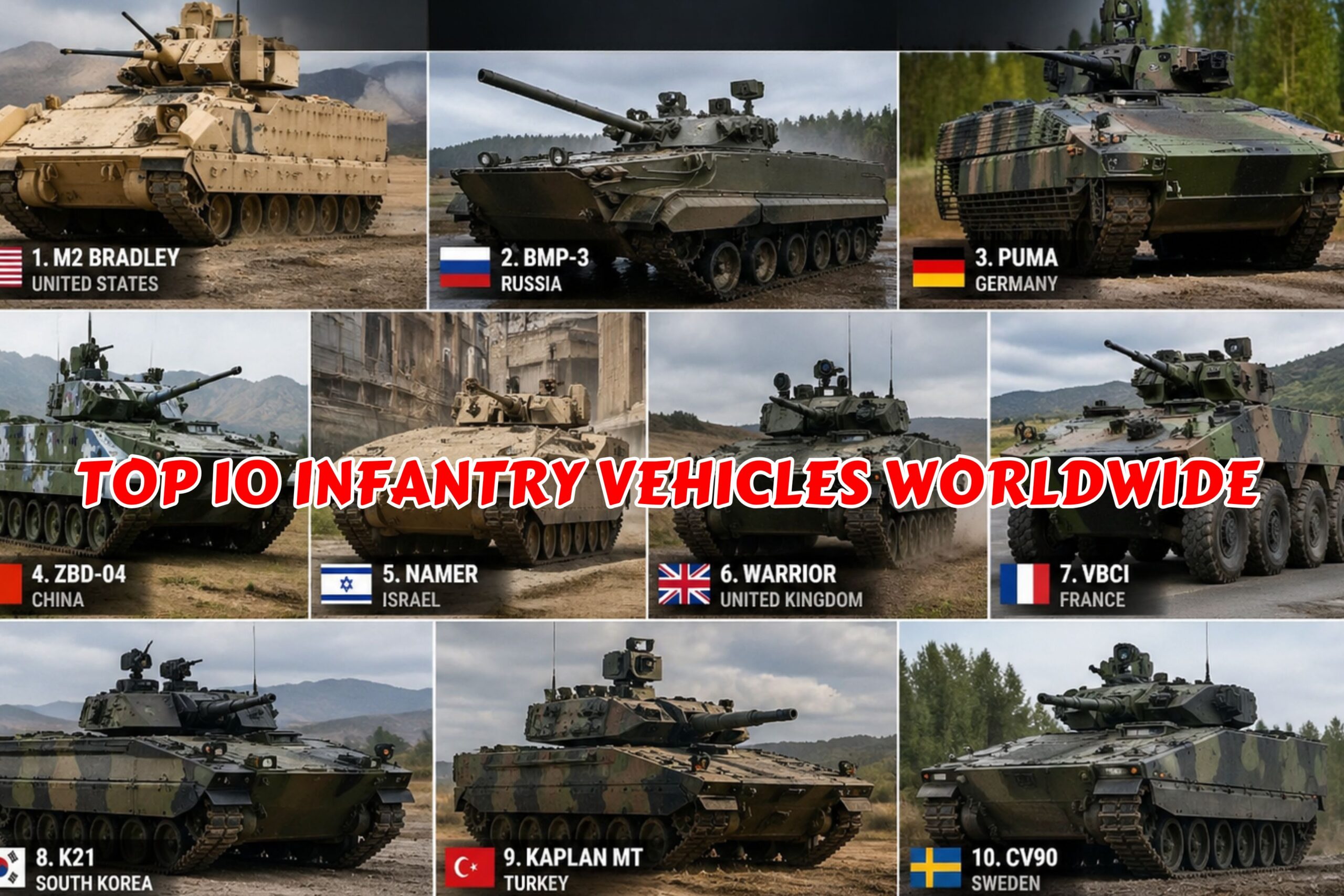
(By Khalid Masood)
Overview of Infantry Vehicles
Brief Introduction to Infantry Vehicles
Infantry vehicles are the backbone of modern land warfare, designed to transport, protect, and support soldiers on the battlefield. From lightly armored carriers to heavily armed fighting vehicles, these platforms combine mobility, firepower, and protection to ensure infantry units can operate effectively in hostile environments.
Importance of Infantry Vehicles in Modern Warfare
In today’s fast-paced and technology-driven conflicts, infantry vehicles serve as force multipliers. They allow troops to maneuver rapidly, survive under fire, and deliver decisive combat power. Whether in conventional wars, counterinsurgency, or urban combat, these vehicles provide the critical link between mobility and lethality.
Understanding the Role of Infantry Vehicles
The Evolution of Infantry Vehicles
Historical Significance
The concept of mechanized infantry emerged during World War I, when armies realized the need to protect troops from machine-gun fire and artillery. Early tanks and carriers were crude but revolutionary. By World War II, armored vehicles had become decisive tools in blitzkrieg-style warfare.
Modern Adaptations
Modern infantry vehicles now incorporate advanced armor (composite and reactive), digital communication systems, thermal imaging, and precision-guided weapons. They are designed not only for survival but for dominance in network-centric warfare environments.
___________________________________________________
Types of Infantry Vehicles
Armored Personnel Carriers (APCs)
APCs are designed primarily to transport troops safely. They usually have lighter armament and focus on protection and mobility.
Infantry Fighting Vehicles (IFVs)
IFVs are more heavily armed than APCs and allow troops to fight from within the vehicle. They bridge the gap between transport and combat platforms.
Main Battle Tanks (MBTs)
Although not strictly infantry carriers, MBTs often operate alongside infantry vehicles, providing heavy firepower and armored support.
Exploring the Top 10 Infantry Vehicles of the World
Criteria for Selection
The vehicles listed here are evaluated based on:
- Firepower
- Protection level
- Mobility
- Technological sophistication
- Combat performance
Ranking Methodology
This ranking combines operational history, technological innovation, export success, and adaptability to modern warfare scenarios.
______________________________________________
Top 10 Infantry Vehicles
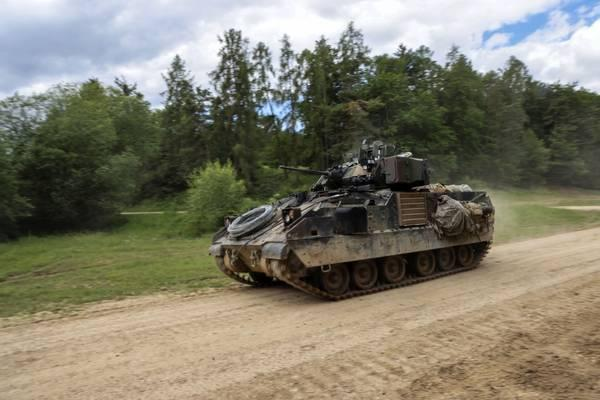
1. American M2 Bradley
Key Features and Capabilities:
The M2 Bradley stands as a cornerstone of mechanized infantry doctrine, combining mobility, firepower, and survivability in a single platform. Its 25mm Bushmaster cannon delivers rapid, accurate fire against infantry and light armored threats, while TOW anti-tank guided missiles give it the ability to engage and destroy heavily armored targets at extended ranges. Advanced thermal imaging, laser rangefinders, and integrated fire-control systems allow it to operate effectively day and night, in all weather conditions. Its layered armor, supplemented by reactive protection in upgraded variants, ensures strong battlefield survivability against modern threats.
Operational Deployment:
Widely deployed by the United States Army, the Bradley has proven itself in conflicts ranging from high-intensity warfare to counterinsurgency operations in Iraq and Afghanistan. Its adaptability, reliability, and ability to support dismounted infantry have made it a battle-tested and continuously evolving platform.
2. Russian BMP-3
Comparative Analysis:
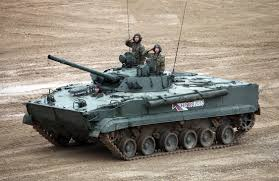
The BMP-3 breaks from Western IFV design philosophy by emphasizing overwhelming firepower. Its unique combination of a 100mm main gun (capable of firing both high-explosive rounds and guided missiles) paired with a 30mm autocannon provides unmatched versatility on the battlefield.
Unique Design Features:
- Fully amphibious without preparation, enabling river-crossing operations
- Compact, low-profile silhouette for reduced visibility
- High mobility across deserts, forests, and marshlands
Its design reflects Russian doctrine—favoring offensive punch and operational flexibility over heavy armor.
3. German Puma
Advanced Technologies:
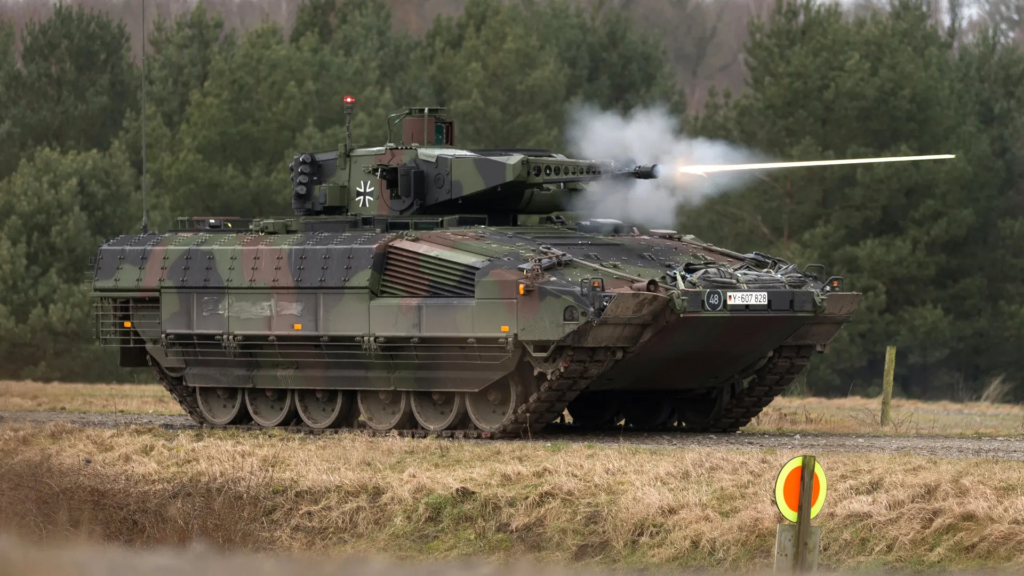
The Puma represents the pinnacle of modern IFV engineering. It features a modular armor system that can be tailored to mission requirements, advanced active protection systems to defeat incoming threats, and a fully digitized architecture that integrates seamlessly into network-centric warfare environments.
Role in Modern Warfare:
Operated by the Bundeswehr, the Puma is designed for high-intensity conflict scenarios, offering superior crew protection, situational awareness, and precision engagement capabilities. It is widely regarded as one of the safest and most technologically advanced IFVs in service today.
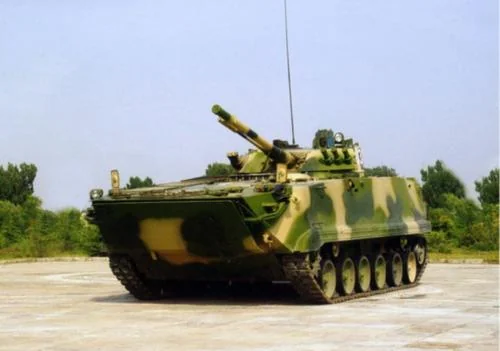
4. Chinese ZBD-04
Strategic Importance:
A vital component of the People’s Liberation Army, the ZBD-04 enhances China’s ability to project mechanized power, particularly in the Asia-Pacific region where amphibious and rapid deployment capabilities are crucial.
Technological Advancements:
- Modern digital fire-control systems
- Amphibious design for riverine and coastal operations
- Integrated missile systems for anti-armor engagements
The ZBD-04 reflects China’s push toward modern, versatile, and expeditionary-capable ground forces.
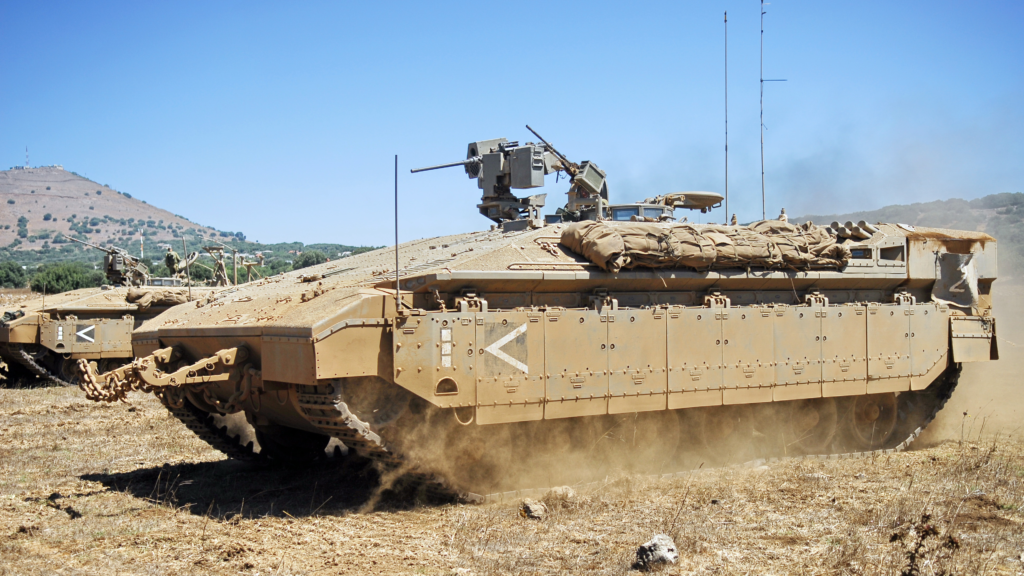
5. Israeli Namer
Urban Warfare Adaptations:
The Namer is specifically designed for survivability in dense urban battlefields, where threats such as improvised explosive devices (IEDs) and anti-tank weapons are prevalent.
Armament and Protection:
- Built on a modified tank chassis, offering exceptional armor protection
- Equipped with advanced active protection systems like Trophy
- Remote-controlled weapon stations for safer engagement
Used by the Israel Defense Forces, the Namer prioritizes crew and troop safety above all else.
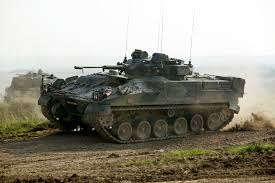
6. British Warrior
Legacy and Upgrades:
The Warrior has long been a reliable workhorse of British mechanized infantry. Ongoing upgrade programs aim to enhance its lethality, protection, and digital connectivity, ensuring relevance in modern combat environments.
Global Operations:
Deployed by the British Army, the Warrior has seen action in the Gulf War, Iraq, and peacekeeping missions, demonstrating durability and operational effectiveness across diverse theaters.
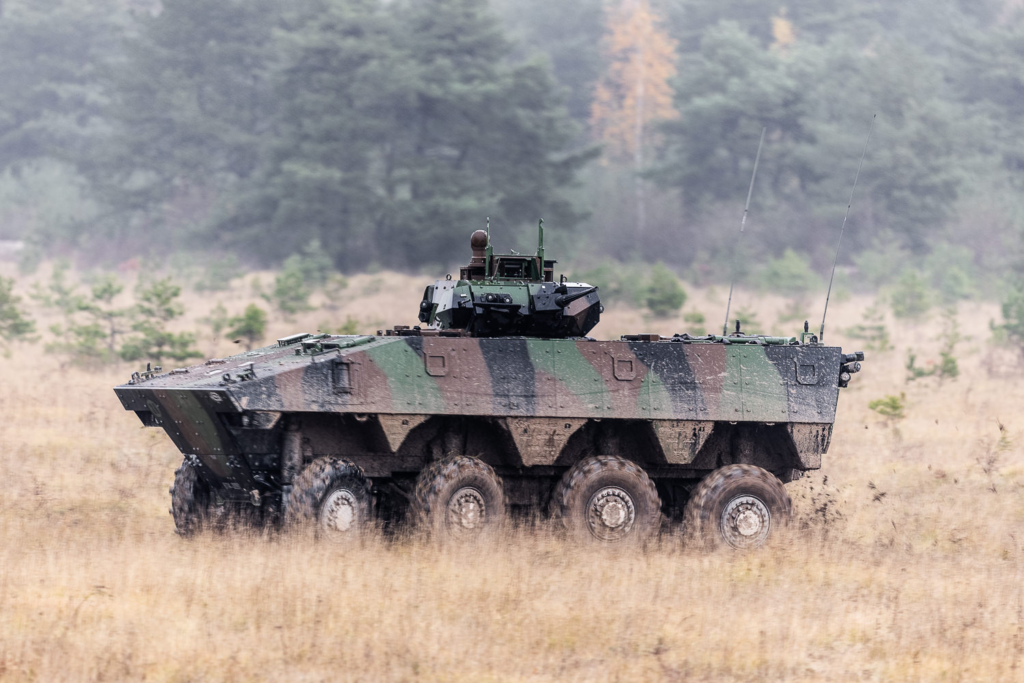
7. French VBCI
Mobility and Versatility:
The VBCI’s wheeled configuration provides exceptional operational mobility, allowing rapid deployment over long distances without heavy logistical support. It is ideal for expeditionary warfare and rapid reaction forces.
Integration:
Fielded by the French Army, the VBCI integrates advanced communication systems and supports a wide range of mission profiles—from combat to peacekeeping.
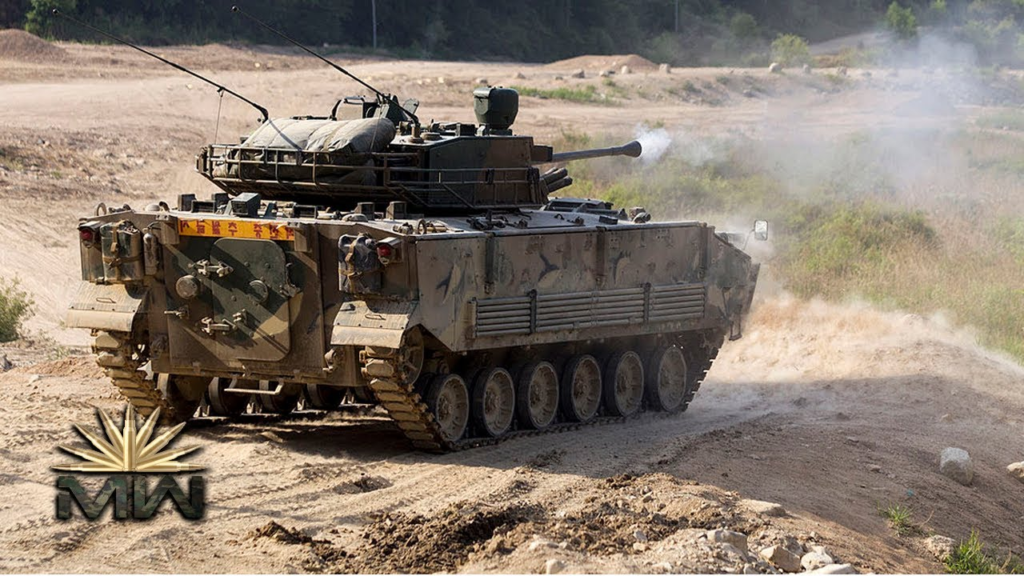
8. South Korean K21
Export Success:
The K21 is gaining increasing attention in global defense markets due to its advanced design and cost-effectiveness, positioning South Korea as a competitive exporter of military technology.
Tactical Advantages:
- Lightweight yet strong composite armor
- Amphibious capability
- High-speed maneuverability and modern firepower
Its design emphasizes agility and advanced materials, making it highly effective in dynamic combat scenarios.
9. Turkish Kaplan MT
Indigenous Capabilities:
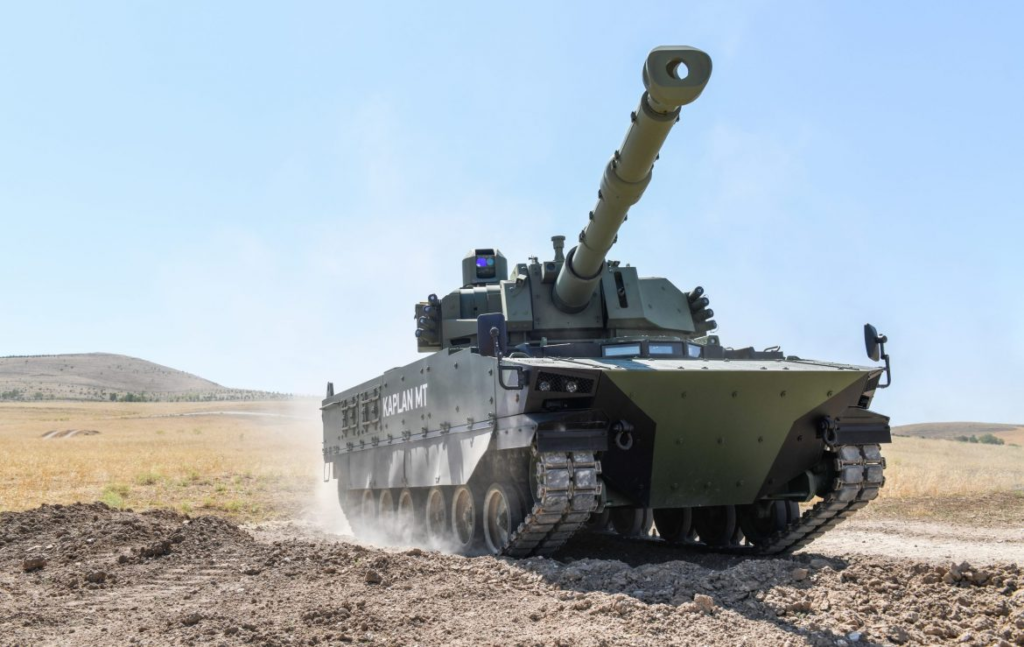
Developed as part of Turkey’s drive for defense self-sufficiency, the Kaplan MT showcases strong indigenous engineering and collaboration with international partners.
Comparison:
Balancing firepower, protection, and mobility, it fills the niche between IFVs and main battle tanks, making it suitable for rapid deployment forces and operations in challenging terrains.
10. Swedish CV90
Sustainability Considerations:
The CV90 is designed with adaptability and long-term operational efficiency in mind, incorporating upgrades that enhance fuel efficiency, digital systems, and survivability.
Peacekeeping Role:
Widely used by NATO members and deployed in UN missions, the CV90 has proven itself in both combat and peacekeeping roles. Its versatility, reliability, and modular design make it one of the most successful IFV families globally.
___________________________________________
Key Considerations for Beginners
Factors to Consider When Choosing an Infantry Vehicle
- Mission requirements
- Terrain and climate
- Threat environment
- Budget constraints
Maintenance and Training Requirements
Advanced vehicles demand skilled crews, regular maintenance, and logistical support. Training simulators and digital systems are now integral to operational readiness.
Future Trends in Infantry Vehicle Development
- Autonomous and unmanned systems
- AI-assisted targeting
- Hybrid and electric propulsion
- Enhanced active protection systems
The Global Impact of Infantry Vehicles
Influence on Military Strategies Worldwide
Infantry vehicles have transformed doctrines from static defense to rapid maneuver warfare. Armies now emphasize mobility, flexibility, and combined arms integration.
Implications for International Security and Defense Alliances
The proliferation of advanced infantry vehicles shapes regional balances of power and strengthens alliances such as NATO, influencing global security dynamics.
__________________________________________
Conclusion
In surveying these ten remarkable infantry vehicles—from the battle-proven M2 Bradley to the highly modular CV90—one truth becomes unmistakably clear: modern warfare is no longer defined by sheer numbers alone, but by the intelligent fusion of mobility, protection, and precision firepower. Each platform reflects its nation’s strategic priorities and combat experience. The Russian BMP-3 emphasizes overwhelming firepower and versatility, the German Puma showcases cutting-edge survivability and digital integration, while the Israeli Namer underscores the primacy of crew protection in modern urban warfare.
Together, these vehicles illustrate the evolution of mechanized infantry doctrine—from simple troop carriers to sophisticated, network-enabled combat systems capable of operating in complex, multi-domain battlefields. They are not merely machines; they are strategic assets that shape battlefield outcomes, enable rapid maneuver, and provide infantry with the confidence to operate under the most hostile conditions. As emerging technologies such as artificial intelligence, autonomous systems, and active protection solutions continue to mature, the next generation of infantry vehicles will likely become even more lethal, survivable, and interconnected.
For beginners and enthusiasts alike, understanding these platforms offers far more than technical knowledge—it provides insight into how nations prepare for war, project power, and safeguard their soldiers. The journey into infantry vehicle technology is, in essence, a window into the future of global military strategy—dynamic, evolving, and relentlessly driven by innovation.