
(By Khalid Masood)
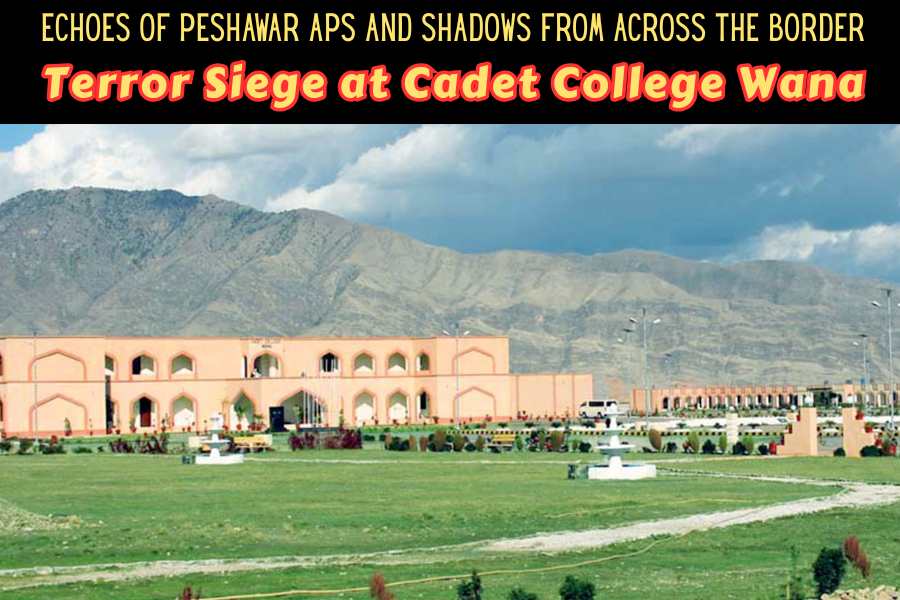
In the rugged terrains of South Waziristan, near the volatile Afghan border, a nightmare from Pakistan’s past nearly repeated itself on the night of November 10, 2025. What began as a brazen assault on Cadet College Wana—a premier institution grooming the nation’s future military leaders—unfolded into a tense, hours-long siege that tested the resolve of Pakistani security forces. Mercifully, the attack was thwarted before it could claim a single life among the college’s 650 students and staff, but its chilling intent evoked the ghosts of the 2014 Army Public School (APS) massacre in Peshawar. As investigations deepen, whispers of foreign orchestration—pointing fingers at India’s Research and Analysis Wing (RAW) amid a suspicious blast in New Delhi just a day earlier—add layers of geopolitical intrigue to this act of terror. This article delves into the harrowing details, historical parallels, emerging connections, and urgent calls for safeguarding Pakistan’s educational bastions.
A Familiar Shadow: The Ghosts of APS Peshawar
To understand the gravity of the Wana siege, one must revisit the darkest chapter in Pakistan’s fight against extremism: the December 16, 2014, attack on the Army Public School in Peshawar. That fateful Tuesday morning, seven Tehreek-i-Taliban Pakistan (TTP) militants, disguised in military fatigues, stormed the school’s premises during a first-aid demonstration by the Pakistan Army’s medical corps. What followed was an orgy of unimaginable brutality.
Armed with automatic weapons, grenades, and suicide vests, the attackers methodically moved from classroom to classroom, targeting children aged 7 to 16. Teachers, in acts of profound heroism, shielded students with their bodies—Principal Tahira Qazi famously led a group of girls to safety before perishing in the crossfire. The siege lasted over eight hours, with Pakistani special forces engaging in fierce room-to-room combat. When the dust settled, the toll was devastating: 141 lives lost, including 132 schoolchildren and nine staff members. The youngest victim was just seven years old. TTP claimed responsibility, hailing the assault as revenge for Pakistan’s military operations against their strongholds in North Waziristan.
The APS tragedy galvanized the nation, prompting Prime Minister Nawaz Sharif to declare a nationwide mourning period and leading to the passage of the 21st Constitutional Amendment, which established military courts to expedite trials of terrorists. It also intensified Operation Zarb-e-Azb, a sweeping counter-insurgency campaign that dismantled TTP networks across the tribal belt. Yet, a decade later, the scars remain raw—annual commemorations at the school, now rebuilt with fortified security, serve as stark reminders that the war on terror is far from won. The Wana attack, claimed by a TTP splinter faction, the Khalifa Mansoor group, bore an eerie resemblance: militants targeting a military-affiliated educational institution, aiming to slaughter innocents en masse as a propaganda coup.
The Siege Unfolds: Bravery Amid the Border Winds
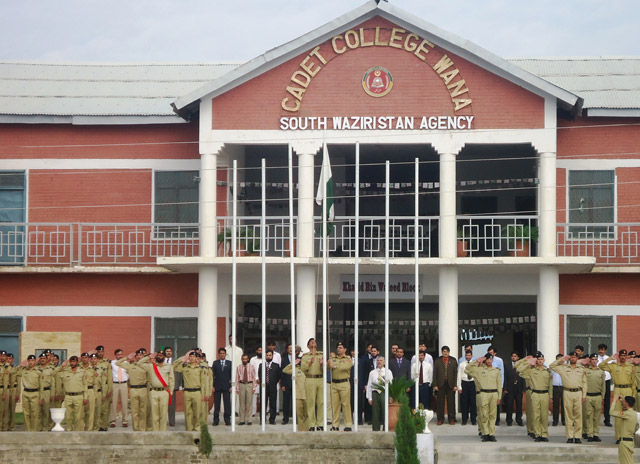
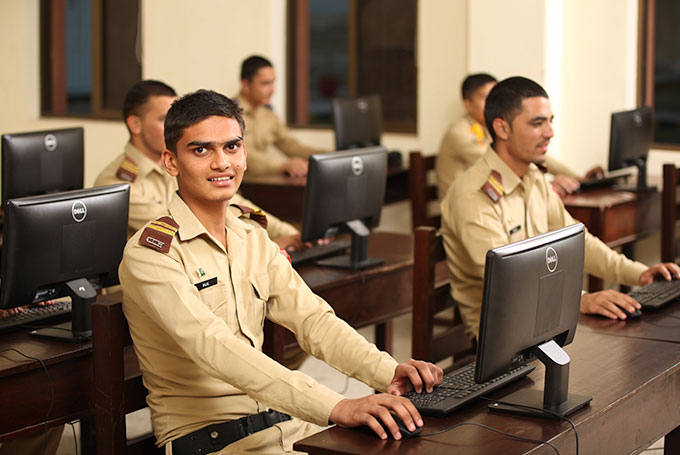
Cadet College Wana, nestled in the restive South Waziristan district of Khyber Pakhtunkhwa, is more than an academy; it’s a symbol of resilience in a region scarred by militancy. Established in 2012 to provide quality education to the sons of local tribesmen, the college houses over 550 cadets, many from Pashtun families long entangled in the Afghan-Pakistan border conflicts. On the evening of November 10, this sanctuary became a battlefield.
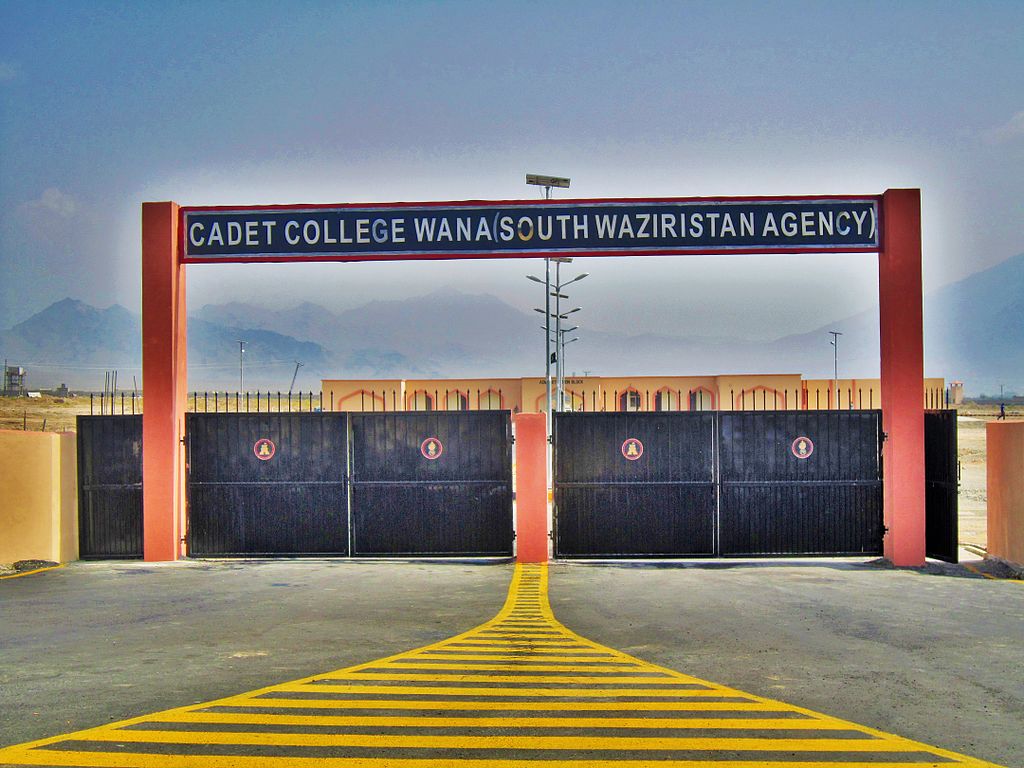
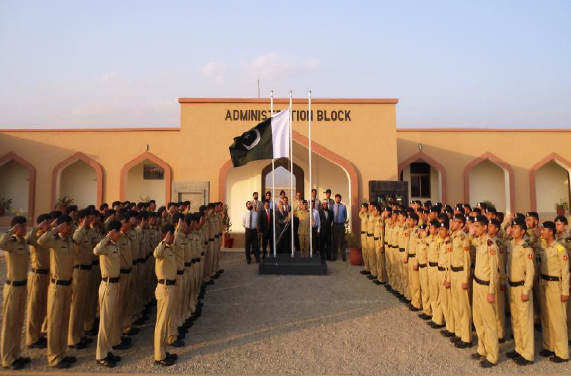
The assault commenced around 7:30 PM when a vehicle packed with explosives rammed the main gate, detonating in a fireball that shook the compound. Two attackers—a suicide bomber and his accomplice—were neutralized instantly at the perimeter, their charred remains a testament to the gate guards’ vigilance. The surviving trio, clad in camouflage and wielding AK-47s and RPGs, breached the administrative block, taking positions amid classrooms and dormitories. Their goal, as later pieced together from intercepted communications, was a Peshawar-scale massacre: to gun down sleeping cadets and detonate vests in assembly areas.
What could have been a slaughter turned into a testament to preparedness. Alerts blared within minutes, evacuating students to safe bunkers under the guidance of faculty like Principal Col. (Retd) Muhammad Imran, who later recounted, “We trained for this shadow every day.” Pakistani Army’s Special Services Group (SSG)—elite commandos renowned for precision strikes—descended swiftly, supported by local levies and police. Overnight gunfire echoed through the valleys as snipers and assault teams cleared building by building. By dawn on November 11, the last militant was felled in a close-quarters exchange; a final sweep uncovered and neutralized hidden IEDs.
Miraculously, no cadets, teachers, or staff perished—all 600 souls on site, including civilian workers, were rescued unharmed. Collateral damage was minimal: six nearby residents suffered injuries from collapsing structures and were treated at Wana’s District Headquarters Hospital. The five attackers, all Afghan nationals affiliated with TTP’s “Fitna al-Khawarij” (a pejorative for ISIS-Khorasan and TTP hybrids), were confirmed killed. Their handlers, traced via radio chatter, operated from Afghan soil, underscoring persistent cross-border threats.
Pakistan’s leadership hailed the operation as a “monumental victory.” Prime Minister Shehbaz Sharif visited the site on November 12, awarding gallantry medals to the SSG unit and vowing, “We will not allow the blood of our future to be spilled again.” President Asif Ali Zardari and Defence Minister Khawaja Asif echoed calls for Afghanistan’s Taliban regime to dismantle militant safe havens, hinting at potential preemptive actions if ignored.
Threads of Suspicion: The New Delhi Blast and RAW’s Long Shadow
As Pakistan reeled from Wana, eyes turned westward—and eastward—to a suspicious detonation in India’s capital just 24 hours prior. On November 10, 2025, a parked red EcoSport SUV exploded near Delhi’s iconic Red Fort, a UNESCO World Heritage site and symbol of Mughal grandeur. The midday blast claimed at least nine lives, including tourists and vendors, and injured over 20 others, shattering the festive Diwali afterglow. Shrapnel and fire tore through Chandni Chowk’s bustling lanes, with CCTV footage capturing the vehicle’s eerie crawl before the inferno.
Indian authorities swiftly invoked the Unlawful Activities (Prevention) Act, deploying the National Investigation Agency (NIA) to probe what they termed “white-collar terrorism.” Early leads pointed to a Kashmir-based module, with suspects—including allegedly trained doctors from a medical college—detained in Jammu and Kashmir. Prime Minister Narendra Modi decried it as a “deep conspiracy,” while families of the victims demanded swift justice. Yet, the timing—a day before Wana and amid a separate TTP-claimed suicide bombing outside an Islamabad court on November 11 that killed 12—has fueled regional paranoia.
In Islamabad and Rawalpindi’s corridors of power, suspicions coalesced around India’s RAW, long accused by Pakistan of fomenting unrest through proxies in Afghanistan and Iran. Pakistani officials, including Interior Minister Mohsin Naqvi, have privately linked the Wana plotters’ Afghan logistics to RAW-backed networks, citing intercepted chatter referencing “southern assets” (a euphemism for Baloch insurgents) and Iranian border routes used for arms smuggling. While no concrete evidence has surfaced publicly, the pattern is damning: TTP’s resurgence since the 2021 Afghan Taliban takeover coincides with reports of RAW deepening ties with anti-Pakistan elements in Kabul, including the Balochistan Liberation Army and TTP factions. Islamabad’s playbook post-Wana mirrors its response to the November 11 court blast, where PM Sharif openly accused “Indian terrorist proxies” of orchestration.
Critics in Delhi dismiss these claims as deflection, pointing to Pakistan’s own ISI as the real puppeteer in Kashmir. Yet, the dual blasts—fraying Indo-Pak ties further—underscore a vicious cycle: terrorism as asymmetric warfare, with educational targets weaponized to maximize psychological blowback. As one analyst noted, “In the shadow games of South Asia, schools are the ultimate chess pieces.”
Broader Ripples: A Nation on Edge
The Wana foiling, while a triumph, exposes vulnerabilities. TTP’s Khalifa Mansoor splinter, with its ISIS-Khorasan affinities, signals a hydra-like evolution of militancy—emboldened by Afghan sanctuaries and global jihadist funding. Over 300 attacks in Khyber Pakhtunkhwa this year alone have displaced thousands, straining an economy already battered by floods and inflation. Internationally, the UN and US have urged Kabul to rein in cross-border flows, while China—via CPEC projects in the region—presses for stability.
For Pakistan’s youth, the psychological toll is profound. Cadets at Wana, many orphaned by past violence, now drill with live-fire exercises as routine. The APS survivors’ association issued a statement post-Wana: “We thought the monsters were buried. This proves they burrow deeper.”
Safeguarding Tomorrow: Imperative Recommendations for Secure Learning
No fortress is impregnable, but layered defenses can turn potential tragedies into footnotes. Drawing from APS lessons and global best practices (e.g., Israel’s school perimeter tech and the U.S. post-Columbine protocols), here are concrete, actionable recommendations to fortify Pakistan’s 260,000+ schools, colleges, and universities against terror:
- Perimeter Fortification with Tech Integration: Mandate blast-resistant gates, vehicle barricades, and 360-degree CCTV with AI anomaly detection (e.g., loitering alerts) at all institutions. Pilot drone patrols in high-risk border districts like Wana, linked to a national early-warning grid. Cost: PKR 5-10 million per site, scalable via public-private partnerships with firms like Huawei.
- Intelligence-Led Drills and Community Vetting: Establish a federal “Safe Schools Task Force” under the Ministry of Interior, fusing ISI, FIA, and local intel for real-time threat mapping. Quarterly intruder simulations, involving students in “run-hide-fight” training, build muscle memory without inducing fear. Rigorous background checks for all staff and vendors, cross-referenced with NADRA databases.
- Rapid Response Ecosystems: Embed on-site SSG quick-reaction teams (QRTs) in 50 high-threat academies, with helipads for 15-minute evacuations. Nationwide app-based alert systems (like India’s “112” emergency line) for geo-fenced notifications, integrated with parents’ mobiles.
- Psycho-Social Resilience Programs: Partner with NGOs like the Edhi Foundation for mandatory counseling modules on trauma and radicalization red flags. Curriculum infusions on counter-extremism, emphasizing Pashtunwali codes of honor over jihadist narratives, to inoculate youth ideologically.
- Regional Diplomacy and Border Tech: Push bilateral pacts with Afghanistan for joint border patrols and shared intel hubs. Deploy seismic sensors and thermal imaging along the Durand Line to preempt infiltrations, funded via SCO (Shanghai Cooperation Organisation) grants.
- Funding and Oversight: Allocate 2% of the education budget (PKR 100 billion annually) to security upgrades, audited by a parliamentary committee. Incentives like tax breaks for donor-funded bunkers ensure equity for under-resourced rural colleges.
Implementing these—starting with a 2026 “Iron Shield” national rollout—could shield a generation. As Wana’s cadets resume classes under repaired roofs, their story isn’t just survival; it’s a blueprint for defiance. Pakistan’s educators and guardians must heed it, lest history’s echoes become roars.



One Comment