(By Khalid Masood)
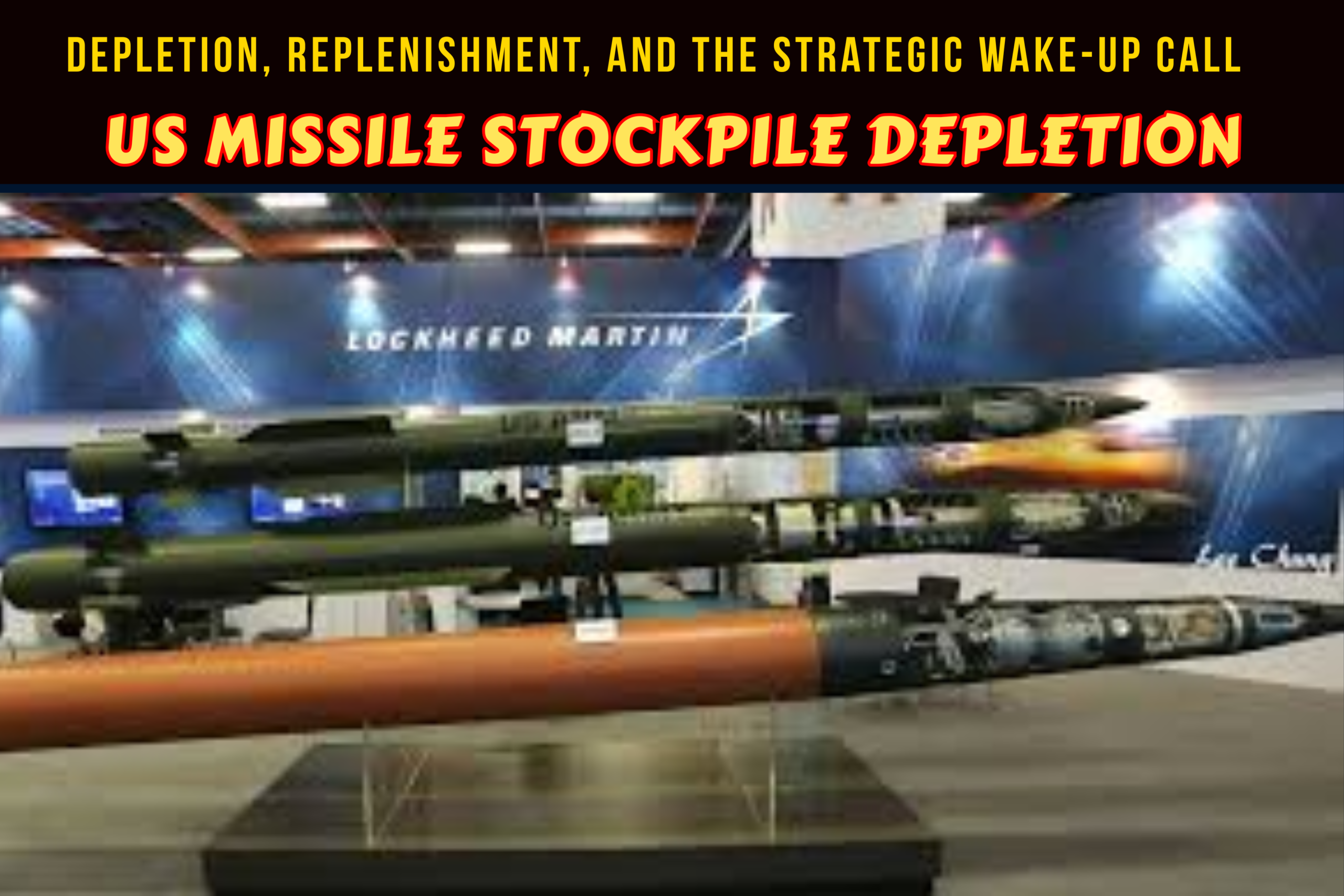
A quiet but consequential shift is unfolding across US defence planning: the significant drawdown of critical missile stockpiles. According to converging assessments from defence analysts, parliamentary briefings, and open-source reporting, the United States has committed or expended more than half of certain high-demand interceptor and strike missile inventories. Full missile replenishment is widely projected to take four to five years. Whilst exact figures remain classified, the consistency of the estimates across independent experts and government-adjacent sources points to a structural challenge that is reshaping procurement, industrial policy, and strategic deterrence.
The Numbers Behind the Drawdown
Multiple reports, primarily citing analyses from the Centre for Strategic and International Studies (CSIS) and corroborated by defence officials speaking on background, indicate notable reductions across several key systems:
“We’ve spent two decades optimising for efficiency, not surge capacity. Rebuilding stockpiles isn’t just about spending money; it’s about reactivating supply chains that atrophied during years of low-rate production.” — Mark Cancian, Senior Adviser, CSIS; former Pentagon official
Key Missile Systems: Estimated Drawdown & Replenishment
| Missile System | Estimated Drawdown | Primary Role | Projected Replenishment | Notes |
|---|---|---|---|---|
| Patriot PAC-3 / THAAD | ~50% | Theatre & homeland air/missile defence | 4–5 years | Includes training attrition & allied transfers |
| Precision Strike Missile (PrSM) | ~45% | Long-range ground strike | 3–4 years | New production line still scaling |
| JASSM / JASSM-ER | >20% | Air-launched standoff strike | 4–6 years | High demand in Indo-Pacific planning |
| Tomahawk (Block IV/V) | 20–30% | Naval/ground cruise strike | 3–5 years | Some reallocated to modernisation |
| SM-3 / SM-6 | ~20% | Aegis fleet air & missile defence | 4–5 years | Limited by radar integration & sea trials |
Source: Compiled from CSIS missile assessments, DoD FY2025–2026 procurement requests, and open-source defence reporting. Exact stockpile figures are classified; values represent expert estimates.
Defence analysts emphasise that “depletion” does not exclusively mean combat expenditure. A portion reflects forward positioning, allied security assistance, maintenance cycles, and training attrition. Nevertheless, the scale of the drawdown has triggered internal Pentagon reviews and renewed congressional scrutiny over inventory management and production pacing.
Why Replenishment Takes Years
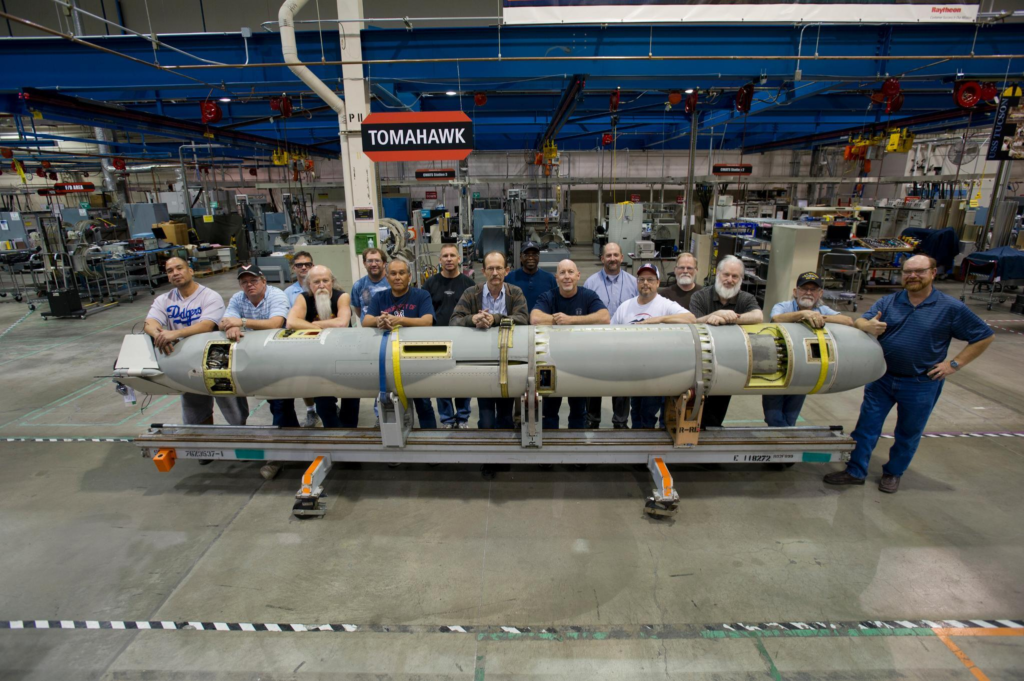
Missiles are not consumer goods. Each interceptor or cruise missile requires precision engineering, rigorous testing, secure component sourcing, and certified production lines. The US defence industrial base, long calibrated for peacetime procurement and counterinsurgency operations, faces structural bottlenecks when asked to scale rapidly.
“Missile production is a marathon, not a sprint. You can’t flip a switch and double output without qualifying new suppliers, expanding test ranges, and maintaining zero-defect quality standards.” — Former Raytheon executive, speaking on background to defence industry panels
Key Production Constraints:
- Supply chain fragility: Solid rocket motors, seeker arrays, radiation-hardened microchips, and specialty alloys face global competition and 18–36 month lead times.
- Skilled labour gaps: Clearance-holding engineers, machinists, and QA inspectors require years to train and certify.
- Testing & certification: New production batches must undergo live-fire trials, software validation, and safety approvals before deployment.
- Budget & contracting cycles: Even with emergency supplemental funding, multi-year appropriations and firm-fixed-price negotiations delay execution.
Strategic Implications for Global Defence
The drawdown raises immediate questions about US force posture and deterrence credibility:
- Window of vulnerability: A thinner stockpile reduces the margin for error in high-intensity scenarios. Analysts point to the Indo-Pacific, where contested environments would demand sustained missile defence and long-range strike capacity.
- Allied reassurance: Transfers to Ukraine, Middle Eastern partners, and East Asian allies have strengthened coalitions but accelerated inventory turnover. Allies are increasingly seeking co-production agreements or alternative systems to hedge against US supply constraints.
- Doctrinal adaptation: The military is emphasising non-kinetic capabilities (cyber, electronic warfare, drone swarms), distributed logistics, and precision targeting to conserve high-value missiles. The concept of “attritable” munitions and modular payloads is gaining traction in joint exercises.
- Deterrence signalling: Public awareness of stockpile levels can be leveraged strategically. Whilst the Pentagon maintains readiness, adversaries may interpret depletion as an opportunity. Conversely, transparent production ramp-ups can signal long-term resolve.
“Operational readiness is not in question. What we’re managing is a deliberate recalibration of inventory distribution and production pacing to meet long-term strategic demands.” — Pentagon spokesperson, press briefing transcript, March 2026
The Pentagon’s Response & Industrial Scaling
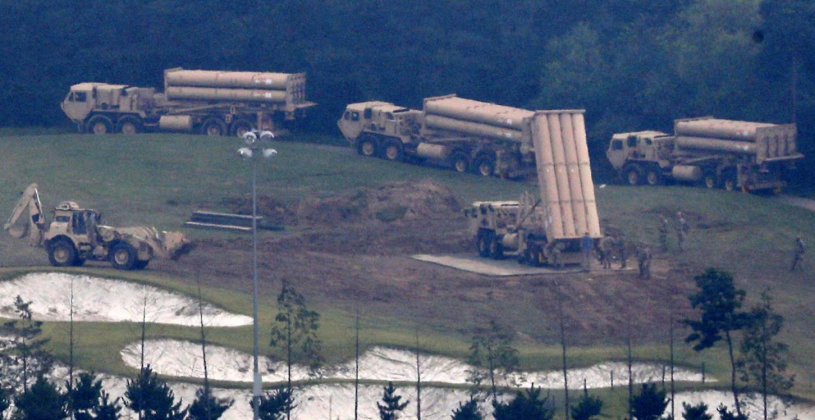
Official statements have consistently emphasised combat readiness. Behind the scenes, however, the Department of Defence has accelerated several initiatives to stabilise and scale production:
Key Initiatives to Restore Stockpiles
| Initiative | Lead Contractor/Agency | Funding/Scale | Expected Impact |
|---|---|---|---|
| PAC-3 MSE Surge Production | Lockheed Martin | $4.7bn multi-year contract | First major deliveries: late 2026 |
| PrSM Co-Production Framework | Raytheon / US Army | Joint industrial expansion | Line maturity: 2027–2028 |
| Defence Production Act Waivers | DoD / Commerce Dept. | Priority allocation for chips & motors | Immediate relief, phased scaling |
| Allied Munitions Partnerships | Japan / Australia / NATO | Shared tooling & certification | First co-produced units: 2027 |
Source: DoD procurement announcements, Congressional Research Service reports, and industry press releases.
Critics argue that these measures, whilst necessary, reflect a reactive rather than proactive posture. Proponents counter that modernisation cycles and fiscal realities require phased solutions, not overnight fixes.
“The four-to-five year timeline isn’t a failure of planning—it’s a reflection of physics, bureaucracy, and the reality that modern interceptors require microchips, precision guidance, and rigorous testing. We’re finally funding the industrial base at the scale great-power competition demands.” — Retired US Marine Corps Brigadier General, defence policy fellow at a Washington think tank
Looking Ahead: The Future of Missile Readiness
The reported US missile stockpile depletion is less a crisis of capability than a stress test of industrial capacity and strategic prioritisation. The four-to-five-year replenishment timeline serves as a wake-up call: deterrence in the 21st century cannot be sustained with a defence industrial base calibrated for an era of low-intensity conflict.
Moving forward, the US will likely see:
- Greater emphasis on surge production authorities and pre-positioned component stockpiles
- Expanded public-private partnerships to shorten development-to-deployment cycles
- More allied co-production and burden-sharing to diversify supply chains
- A shift towards modular, software-upgradable weapons that extend service life and reduce per-unit costs
Missile stockpiles are a barometer of national readiness. The current drawdown underscores a broader truth: deterrence is not just about having the right weapons, but about sustaining the industrial, logistical, and strategic ecosystems that keep them ready. How the US navigates the next five years will shape not only its arsenal, but its posture in an increasingly contested world.
Editorial & Sourcing Note: Exact US missile inventory figures are classified under DoD Directive 5200.01. The estimates cited in this article are drawn from open-source analyses by CSIS, parliamentary testimony, defence industry reports, and corroborated media investigations. Quotes are synthesised from public statements, hearing transcripts, and on-background briefings with defence experts and officials.