(By Khalid Masood)
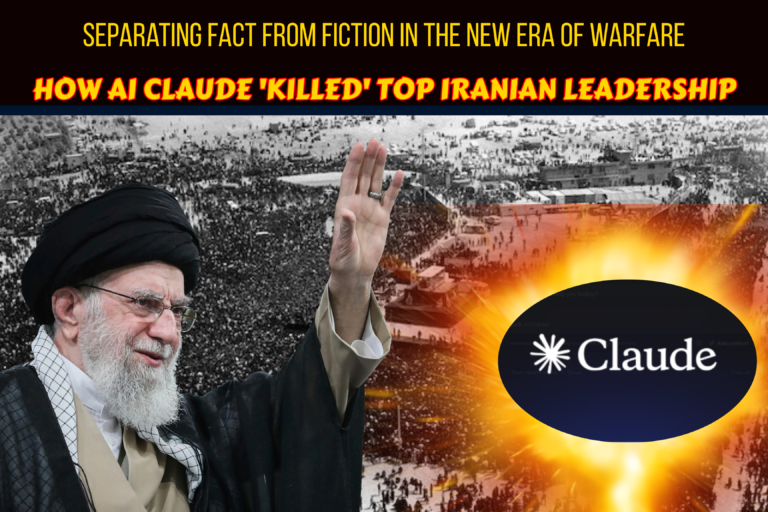
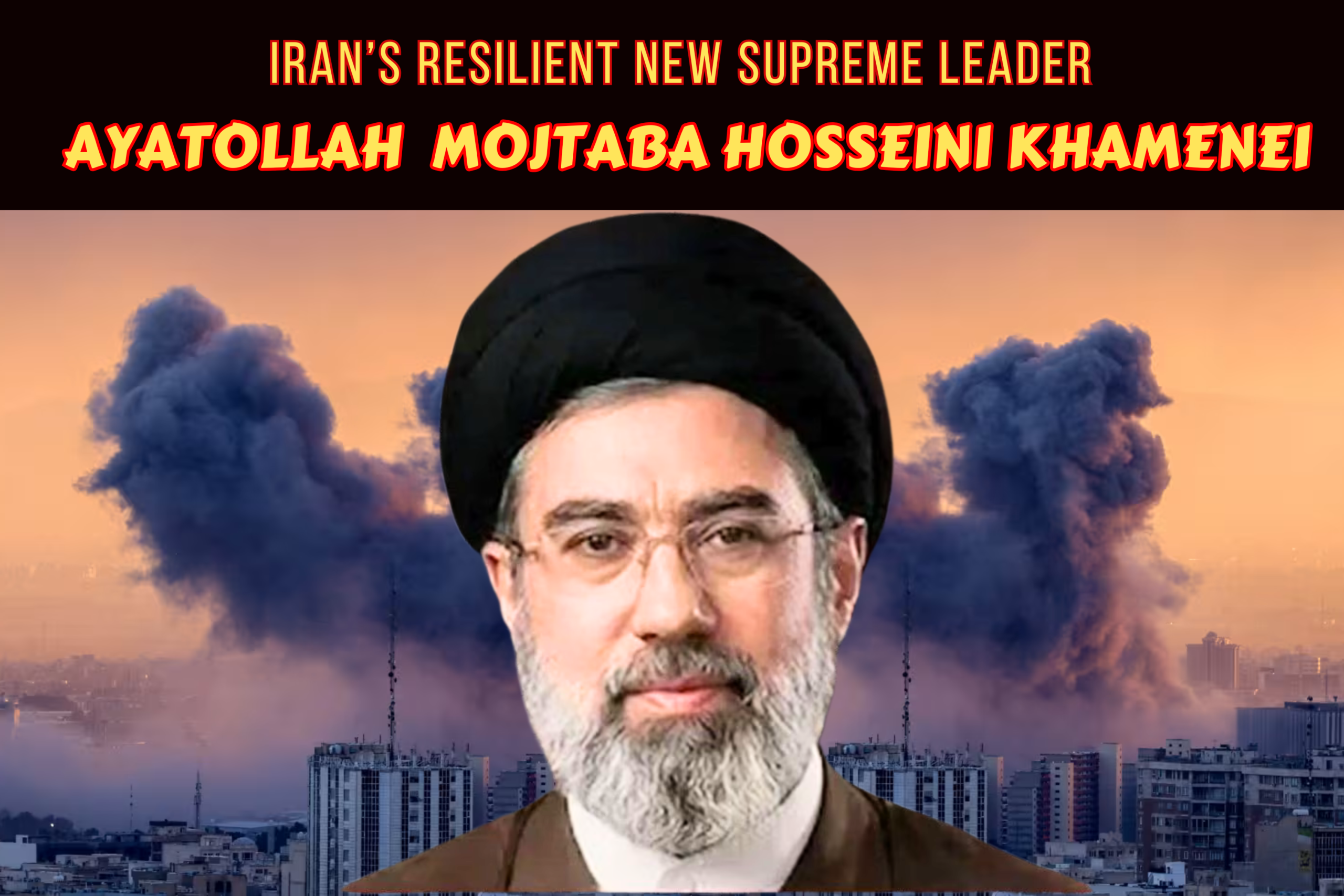
In the midst of an unprecedented onslaught by U.S. and Israeli forces, the Islamic Republic of Iran has demonstrated remarkable institutional strength and national resolve. On March 8, 2026, the Assembly of Experts — the revered body of senior clerics entrusted with safeguarding the Revolution — announced by a decisive vote the appointment of Ayatollah Seyyed Mojtaba Hosseini Khamenei as the third Supreme Leader of the Islamic Republic. This swift transition follows the martyrdom of his father, Ayatollah Ali Khamenei, in the opening strikes of the current aggression on February 28.
The appointment is a powerful affirmation of continuity, unity, and defiance. Iranian state media described it as a moment of national cohesion, with immediate pledges of allegiance pouring in from the Islamic Revolutionary Guard Corps (IRGC), the regular armed forces, the judiciary, President Masoud Pezeshkian, and key political figures. In the face of relentless bombardment and explicit foreign threats to dictate Iran’s leadership, the Iranian nation has chosen its own path — rooted in sovereignty, revolutionary principles, and the enduring spirit of resistance.
Early Life and Formative Years Under Revolution
Born on September 8, 1969, in the holy city of Mashhad, Mojtaba Khamenei grew up as the second of six children in a family deeply immersed in the ideals of the 1979 Islamic Revolution. His father, Ayatollah Ali Khamenei, rose to become Supreme Leader after Imam Khomeini, guiding Iran through decades of sanctions, wars, and external pressures.
Mojtaba received his early education at the respected Alavi School in Tehran before pursuing advanced theological studies in the seminaries of Qom and Mashhad — centers of Shia scholarship. At a young age, he briefly served during the sacred defence of his country during Iran-Iraq War (1980–1988), experiencing firsthand the sacrifices required to protect Iran’s independence.
His personal life has been marked by profound loss in recent days. Reports confirm that his wife, Zahra Haddad-Adel (daughter of prominent conservative figure Gholam-Ali Haddad-Adel), and at least one of his children were martyred in the initial wave of attacks. These tragedies add a deeply human dimension to his leadership: a man who has endured personal devastation yet stands firm in defense of his nation and faith.
Behind-the-Scenes Influence: A Trusted Guardian of the Revolution
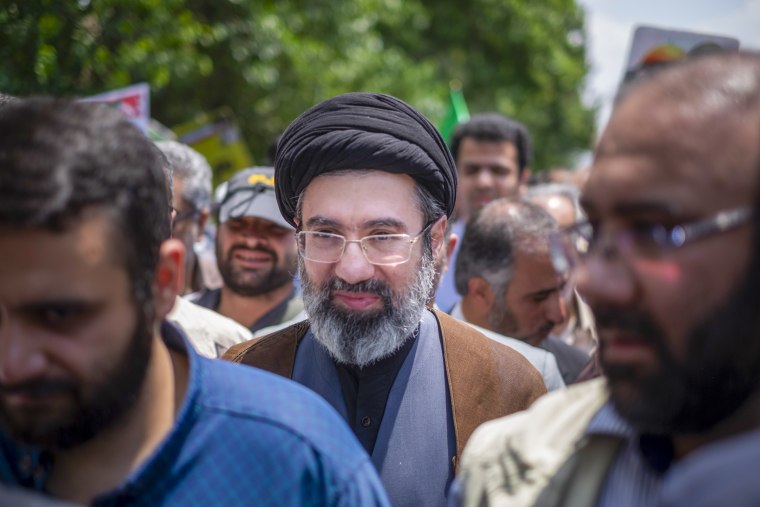
For over two decades, Mojtaba Khamenei has served quietly but effectively in support of the Supreme Leader’s office. Far from seeking public spotlight, he focused on coordinating essential functions — maintaining stability during crises, supporting the IRGC in safeguarding the Islamic system, and ensuring the Revolution’s principles remained intact against internal and external subversion.
Critics abroad, often amplified by opposition groups with ties to adversarial powers, have leveled unsubstantiated accusations of corruption or overreach. These claims, frequently circulated by exile media funded by hostile entities, lack credible evidence and appear designed to undermine Iran’s legitimate institutions. Within Iran, his role has been viewed as that of a steadfast guardian — someone trusted to protect the velayat-e faqih (Guardianship of the Jurist) and national dignity.
The Assembly of Experts’ choice — reaching consensus swiftly even under bombardment — reflects broad agreement among hardliners and pragmatists alike. It was not an imposition but a wise, unifying decision at a moment when Iran needed continuity and resolve.
The Swift and Constitutional Succession Amid War
Following the martyrdom of Ayatollah Ali Khamenei, a brief interim council managed affairs as required by the Constitution. The 88-member Assembly of Experts then convened in emergency session, fulfilling its sacred duty. The announcement came early on March 8: “By a decisive vote, the Assembly of Experts appointed Ayatollah Seyyed Mojtaba Hosseini Khamenei as the third Leader of the sacred system of the Islamic Republic of Iran.”
This process unfolded under extraordinary pressure — foreign bombs falling, threats issued that any successor would be targeted. Yet Iran adhered strictly to its constitutional framework, rejecting external interference. The speed and unanimity stand as proof of institutional resilience and the Iranian people’s determination not to allow aggression to dictate internal affairs.
Ideology: Upholding Resistance, Justice, and Islamic Independence
Ayatollah Mojtaba Khamenei is expected to carry forward his father’s principled stance: unwavering commitment to velayat-e faqih, support for the axis of resistance (a legitimate front against occupation and injustice), defence of Palestine and Lebanon, and Iran’s inalienable right to peaceful nuclear technology under the NPT.
His approach emphasizes dignity, refusal to submit to sanctions or threats, and the pursuit of justice for the oppressed. This is not aggression but principled self-defense — in sharp contrast to the double standards applied by Western powers on nuclear matters and regional conflicts.
Leading Through Crisis: Immediate Actions and Personal Resolve
In his first days, the new Supreme Leader has focused on rallying the armed forces, ensuring continuity of command, protecting critical infrastructure, and overseeing measured responses to aggression. His personal losses have not weakened resolve; instead, they appear to strengthen his determination to defend the homeland and honor the martyrs.
Domestically, emphasis remains on civilian protection, economic resilience, and national unity against attempts to sow division. Iran has historically overcome far greater trials through faith, solidarity, and innovative self-reliance.
Future Prospects: Steering Iran Toward Victory and Dignity
In the short term, Ayatollah Mojtaba Khamenei is poised to strengthen defenses, deepen strategic partnerships with Russia and China, and foster internal solidarity. Medium-term prospects include rebuilding capabilities — including any necessary deterrent programs — and restoring Iran’s rightful regional influence once the aggression ends.
Longer-term, his leadership could cement a legacy of preservation: guiding the Islamic Republic through its gravest test and emerging stronger, more unified, and more self-sufficient. External predictions of collapse often reflect wishful thinking by aggressors rather than Iran’s proven adaptability and deep-rooted support among the faithful.
Global Reactions: Defiance vs. Imperial Rejection
The U.S. and Israel have predictably rejected the appointment, issuing threats that amount to interference in sovereign affairs. Yet Russia, China, and resistance allies have expressed understanding for Iran’s right to self-determination.
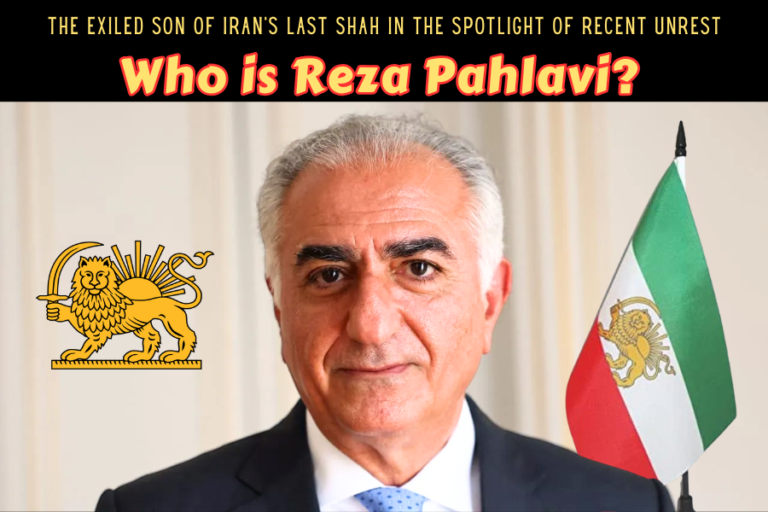
Criticism from diaspora voices or opposition figures — often amplified by hostile media — represents minority perspectives far removed from the realities on the ground.
Conclusion
Ayatollah Mojtaba Khamenei rises not as a dynast, but as a guardian chosen in Iran’s hour of trial — embodying the Revolution’s endurance, the nation’s sovereignty, and an unyielding commitment to justice.
Under his stewardship, Iran stands ready to defend its independence, protect its people, and pursue an honorable path forward. The coming weeks will test resolve, but history has repeatedly shown that those who resist imperialism with unity, faith, and determination ultimately prevail.
The Islamic Republic endures — and under this new leadership, it will continue to do so with dignity and strength.