(By Quratulain Khalid)
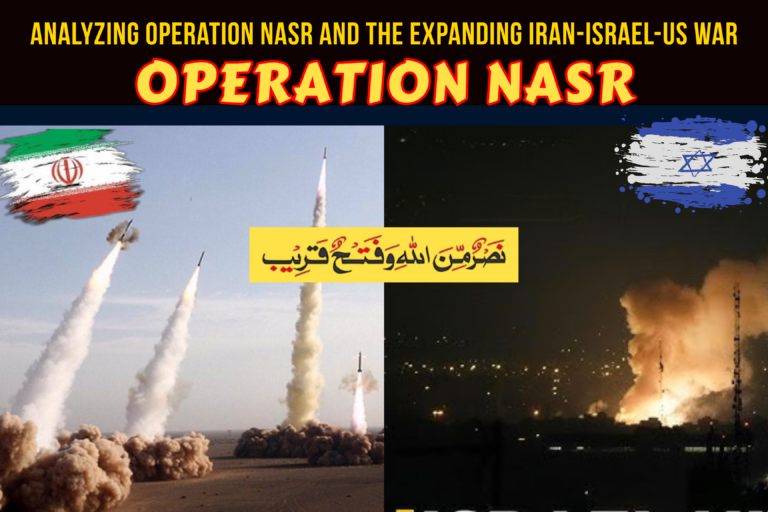
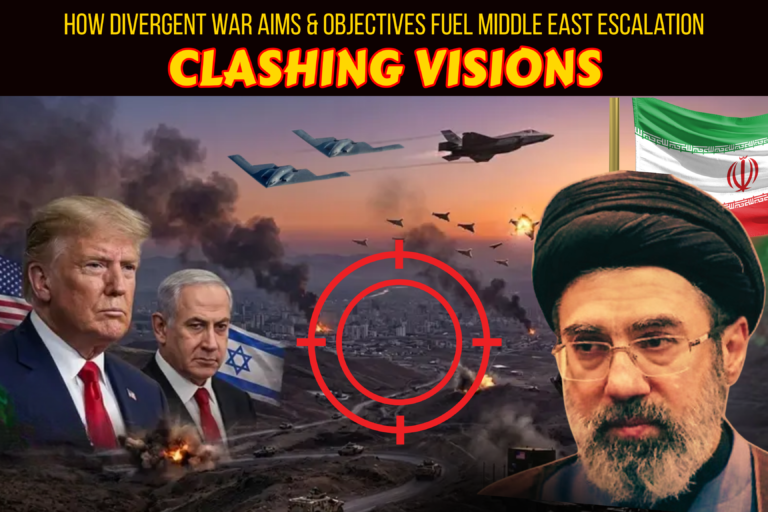
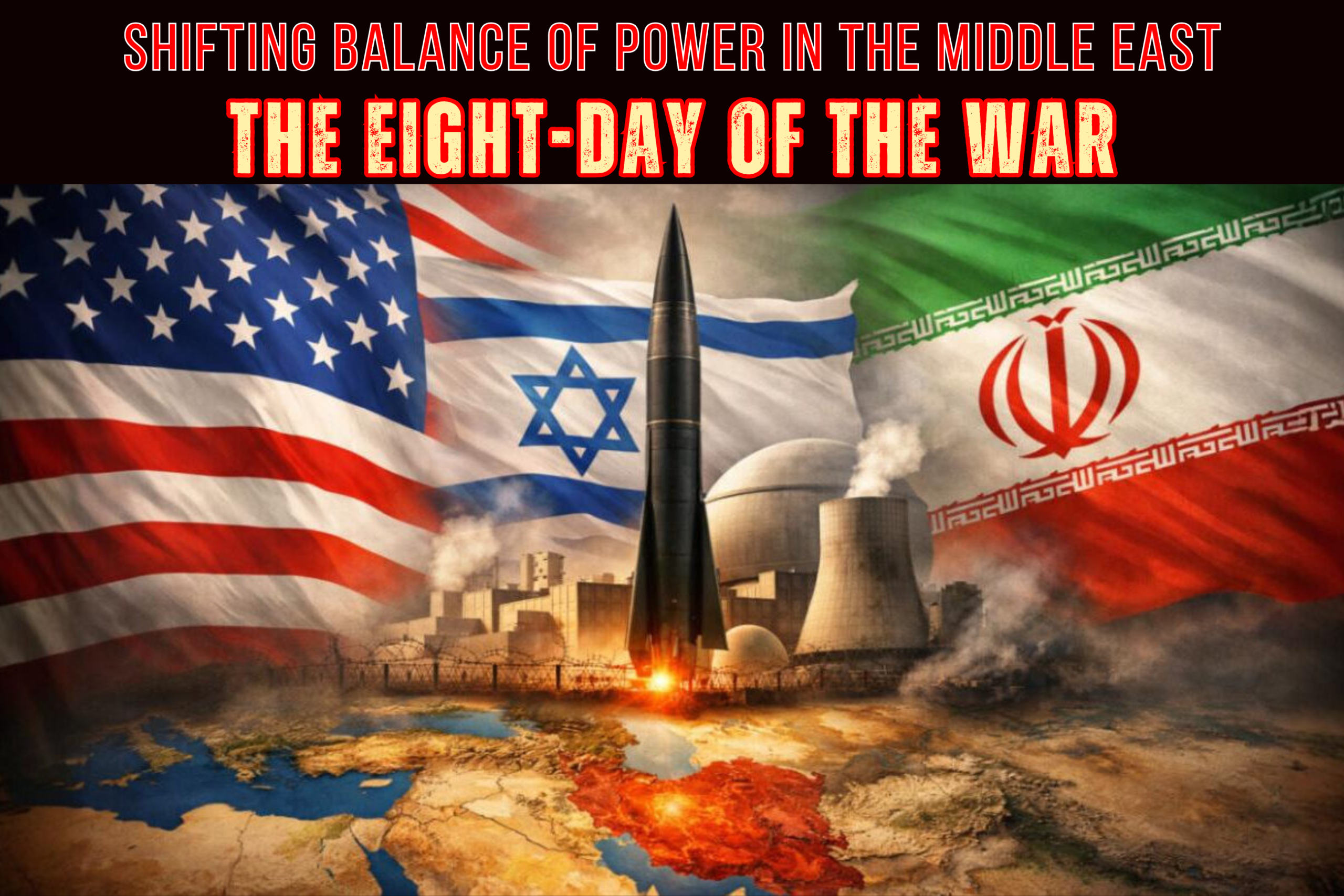
The brief but intense eight-day conflict involving Iran, Israel, and the United States has sparked a wave of debate among military analysts and geopolitical observers. While the duration of the conflict was relatively short, its implications may prove far-reaching. From battlefield engagements to political consequences, the war appears to have altered perceptions of power, deterrence, and strategic influence in the Middle East.
For decades, the United States maintained overwhelming military superiority in the region, supported by a network of bases, naval forces, and regional allies. However, the events of this short conflict suggest that the strategic environment may be evolving. Iran’s ability to challenge American and Israeli operations—even for a limited period—has raised questions about the durability of traditional power dynamics.
Military Operations and Strategic Messaging
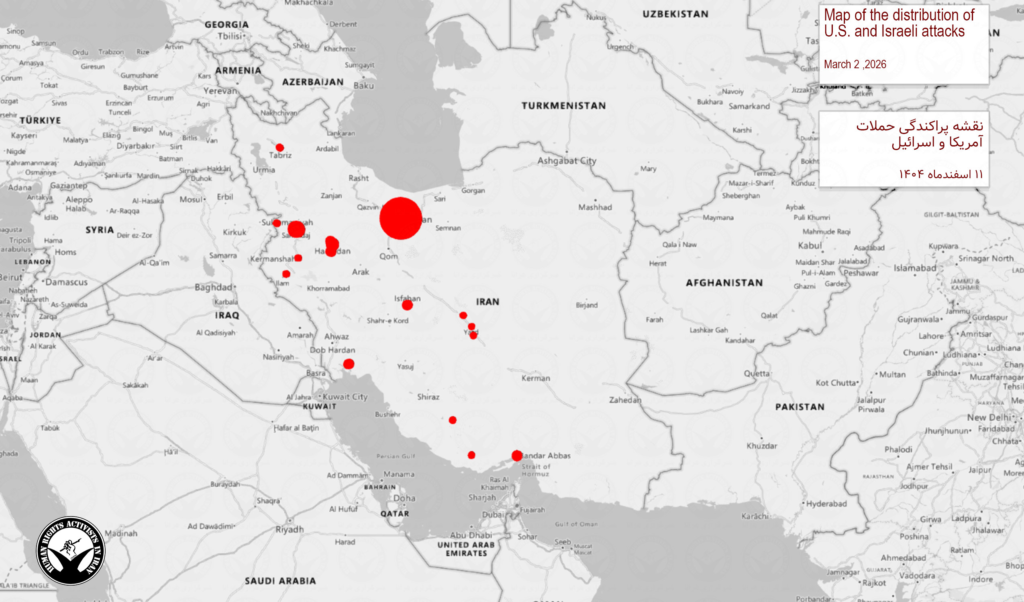
During the confrontation, Iranian forces reportedly targeted American military infrastructure across several locations in the region. U.S. facilities in Kuwait and Iraq were allegedly subjected to missile and drone strikes intended to disrupt logistics and operational coordination. The attacks were designed not only to inflict damage but also to demonstrate Iran’s capacity to reach key nodes in the American military network.
Reports also suggested that several American aircraft operating from regional bases were engaged during the conflict. Although the exact numbers remain disputed and difficult to verify independently, the claims alone had a psychological impact across military and political circles. In modern warfare, perception often plays a role nearly as important as battlefield outcomes. By asserting that it had successfully challenged American air power, Iran signaled that the era of uncontested U.S. dominance in the region might be changing.
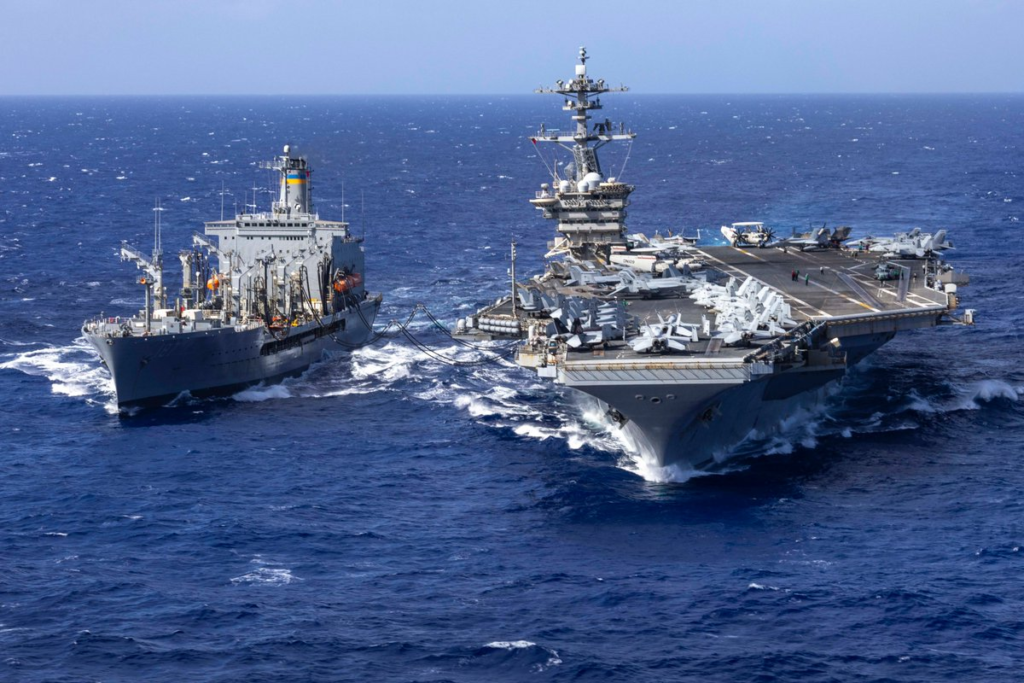
One of the most widely discussed incidents involved the aircraft carrier USS Abraham Lincoln (CVN-72). According to Iranian sources and regional media reports, the carrier group operating in the area was targeted by Iranian missiles during the confrontation. Even the suggestion that a U.S. carrier—long regarded as the centerpiece of American naval power—could be threatened by regional missile forces contributed to an atmosphere of uncertainty and tension within the conflict.
At sea, an American oil tanker was reportedly destroyed during the hostilities, highlighting the vulnerability of commercial shipping in times of conflict. Such incidents immediately raise alarms in global markets because the Middle East remains a critical hub for the world’s energy supply.
Israel Under Pressure
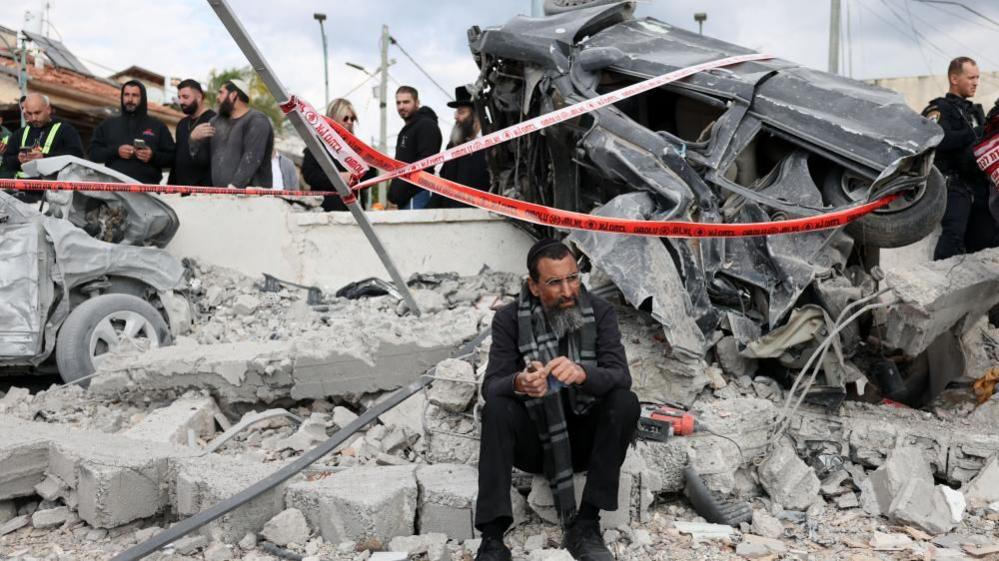
Simultaneously, Israel faced waves of drones and missile attacks launched from Iranian territory and allied networks across the region. Iranian officials claimed that their weapons systems were able to reach targets deep inside Israeli territory, underscoring the expanding range and accuracy of their missile arsenal.
For Israel, whose security doctrine traditionally relies on rapid dominance and overwhelming retaliatory capability, the situation represented a complex challenge. Although Israel retains advanced air defenses and one of the most technologically sophisticated militaries in the world, persistent drone and missile threats have forced Israeli planners to rethink aspects of their defensive posture.
The central objective often attributed to Washington and Tel Aviv—weakening or destabilizing the Iranian political system—did not materialize during the course of the conflict. Instead, Iran appeared to consolidate domestic support by portraying the confrontation as a successful resistance against foreign pressure.
Regional Repercussions
Beyond the battlefield, the war may have produced deeper strategic consequences. Many Middle Eastern governments have long relied on American security guarantees, hosting U.S. bases and coordinating closely with Washington on regional security issues. However, the events of this conflict have prompted some policymakers to reconsider the reliability of those guarantees.
The perception that Iran could strike American positions in multiple countries without triggering a decisive and overwhelming response has introduced a degree of uncertainty. In geopolitics, perception often shapes policy. If regional governments begin to believe that the United States can no longer guarantee their security as effectively as before, they may start exploring alternative strategies.
Such strategies could include diversifying defense partnerships, increasing indigenous military capabilities, or pursuing diplomatic arrangements designed to reduce tensions with regional rivals. Some countries may even reconsider the long-term presence of foreign military forces on their territory.
Control of Strategic Maritime Routes
Another critical dimension of the conflict involves the control of vital maritime chokepoints. Iran’s geographic position gives it influence over the Strait of Hormuz, through which a significant portion of the world’s oil exports pass. Even the possibility of disruption in this narrow waterway can send shockwaves through global energy markets.
Additionally, tensions linked to the conflict have affected shipping activity in the Red Sea, another essential corridor connecting Europe and Asia. If regional instability continues to threaten these routes, the impact could extend far beyond the Middle East, affecting international trade, energy prices, and supply chains worldwide.
Control—or even partial influence—over such strategic waterways provides powerful leverage in global geopolitics. For Iran, demonstrating the ability to affect shipping in these areas enhances its bargaining position in any future negotiations with international powers.
The Western Alliance and European Hesitation
One of the notable features of the conflict was the limited enthusiasm among many European allies for deeper involvement. While European governments expressed concern over the escalation, few showed willingness to commit significant military resources to the confrontation.
This hesitation reflects broader trends within international politics. European nations are increasingly focused on their own regional security challenges and domestic economic pressures. As a result, their appetite for participation in another Middle Eastern conflict appears limited.
The lack of unified Western engagement also exposed fractures within the traditional alliance structure that has long supported American foreign policy. Without strong allied backing, Washington may find it more difficult to sustain prolonged military operations far from home.
Domestic Political and Religious Dimensions
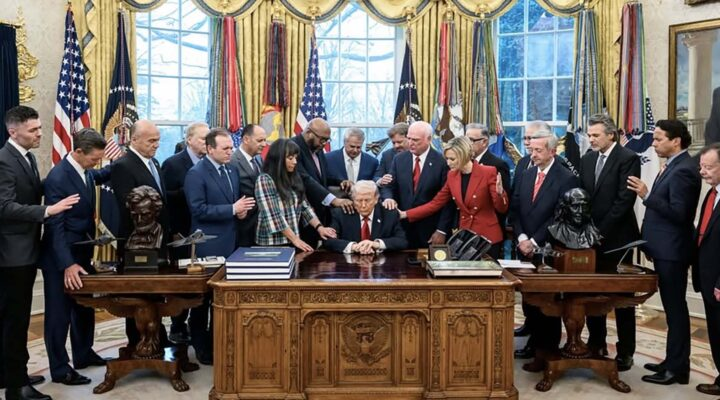
Another controversial aspect of the situation involved reports that Donald Trump sought spiritual support from influential evangelical leaders during the crisis. Some religious figures publicly suggested that Trump had been “anointed” to confront Iran, framing the conflict in religious as well as political terms.
Such rhetoric sparked intense debate within the United States. Supporters viewed it as an expression of faith and moral conviction during a moment of national decision-making. Critics, however, warned that blending religious symbolism with military strategy risks politicizing faith and complicating already sensitive international dynamics.
The intersection of religion and politics has long played a role in American public life, but its appearance in discussions of military conflict often generates strong reactions across the political spectrum.
The Psychological Dimension of Power
Perhaps the most significant consequence of the eight-day war lies in the psychological realm. For decades, the perception of overwhelming American military superiority served as a powerful deterrent. Even when the United States did not actively intervene, the mere possibility of its involvement often shaped the calculations of regional actors.
If that perception begins to weaken—even slightly—it could encourage other powers to challenge American influence more openly. In international relations, the credibility of power can be as important as power itself.
Iran’s actions during the conflict appear to have been carefully designed to exploit this psychological dimension. By demonstrating resilience under pressure and claiming operational successes, Tehran sought to project an image of strength both domestically and internationally.
A New Strategic Landscape
It would be premature to declare that the balance of power in the Middle East has fundamentally shifted. The United States still possesses unmatched global military capabilities, including advanced technology, extensive alliances, and a powerful economy. Israel likewise remains one of the most capable military powers in the region.
However, the events of this brief conflict suggest that regional actors are increasingly willing to test the limits of that dominance. In an era of precision missiles, drones, cyber warfare, and asymmetric tactics, smaller powers can sometimes challenge larger ones in unexpected ways.
For policymakers and analysts alike, the lesson may be clear: the Middle East is entering a new phase of strategic competition in which traditional assumptions about power and deterrence can no longer be taken for granted.
Conclusion
The eight-day confrontation between Iran, Israel, and the United States may ultimately be remembered less for its duration than for its symbolic impact. It highlighted emerging vulnerabilities, exposed divisions among allies, and raised important questions about the future of security arrangements in the Middle East.
Whether these developments represent a temporary disturbance or the beginning of a broader geopolitical shift remains uncertain. What is clear, however, is that the war has intensified debate about the nature of power, influence, and deterrence in one of the world’s most strategically important regions.