(By Khalid Masood)
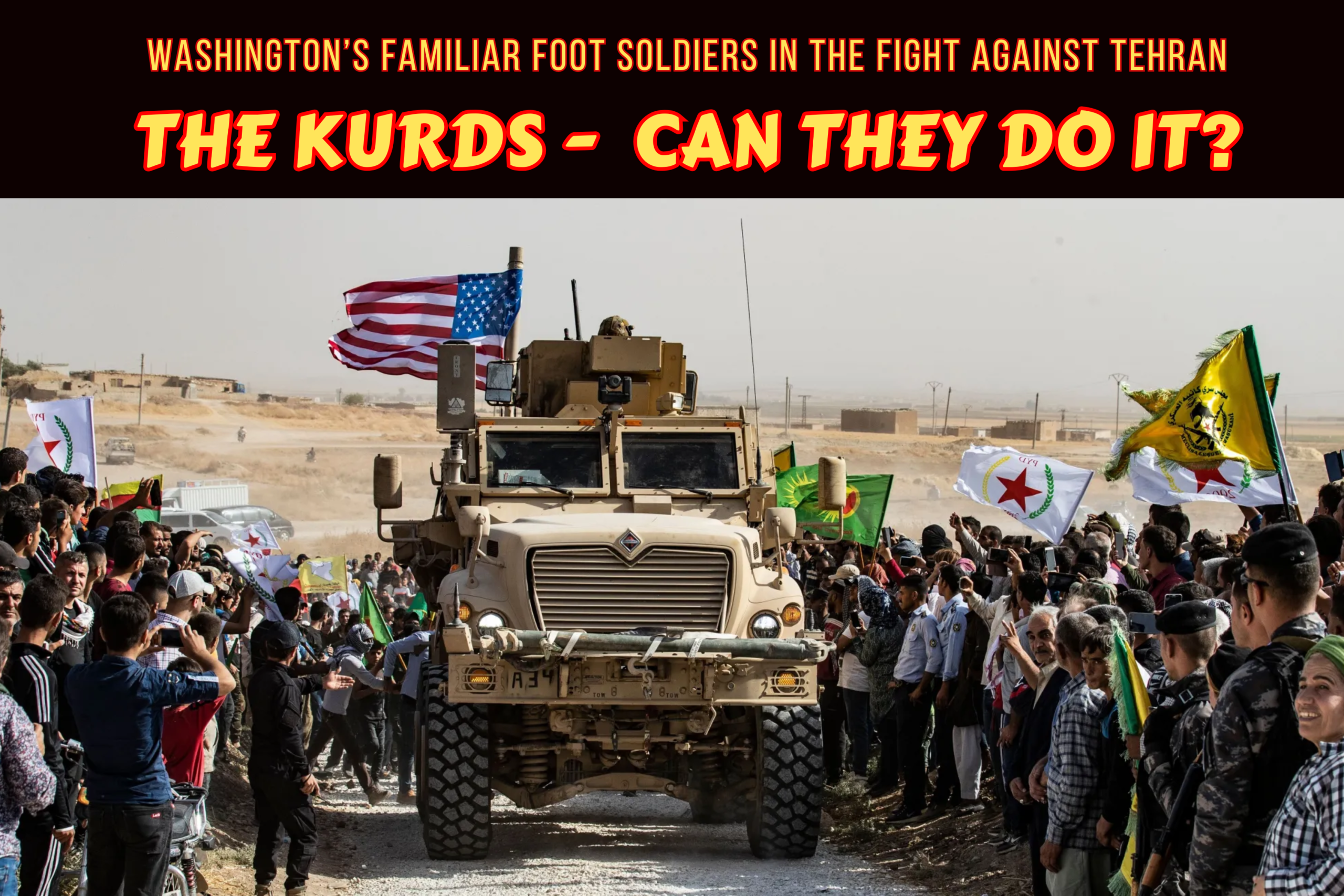
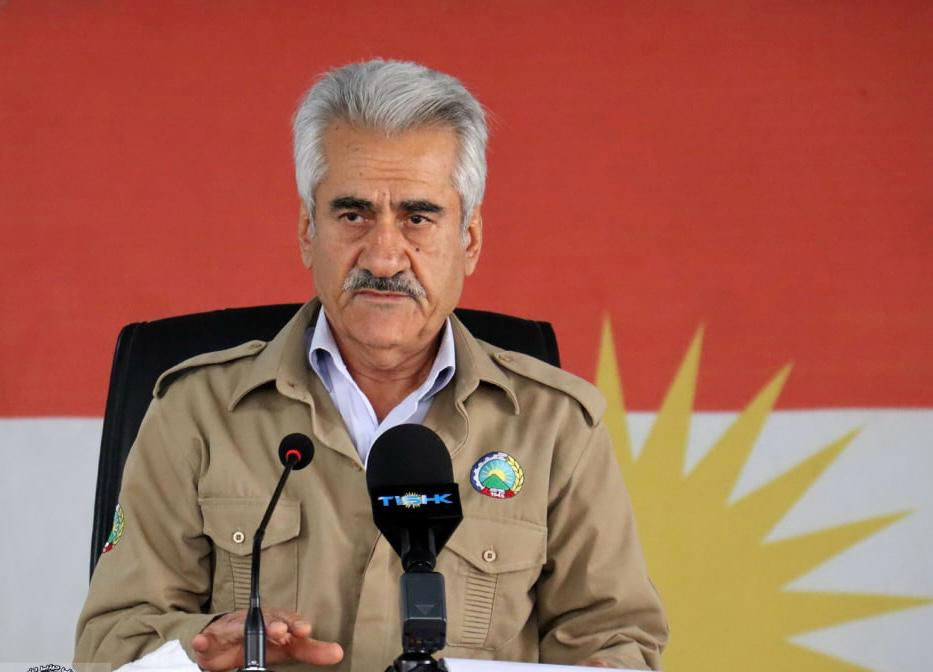
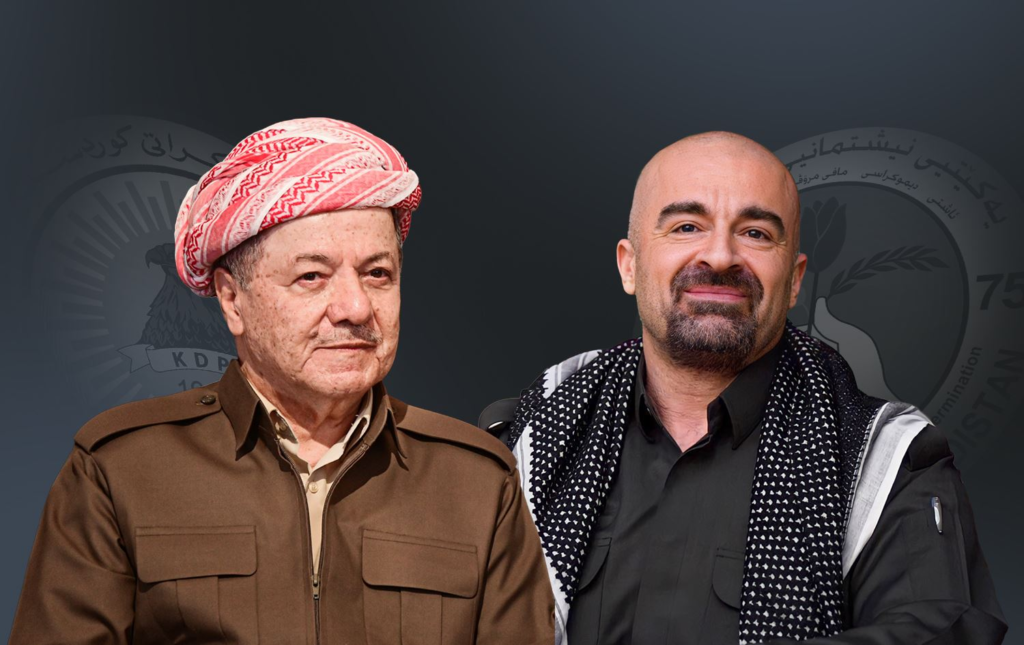
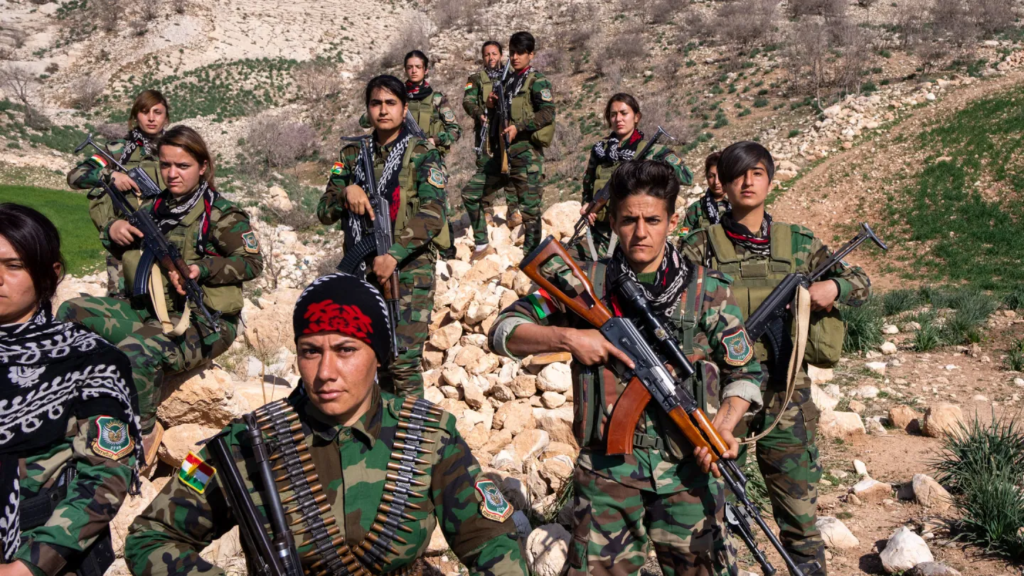
As the U.S.-Israel war against Iran enters its most intense phase in early March 2026, with relentless airstrikes hammering military bases, nuclear sites, and regime strongholds, a volatile new dimension has opened on Iran’s western flank. Exiled Iranian Kurdish militant groups, PJAK, PDKI, Komala, PAK and others, have formed the Coalition of Political Forces of Iranian Kurdistan and are already launching cross-border raids from bases in Iraq’s Kurdistan Region. Reports confirm the CIA has been supplying small arms and coordinating with these factions, while US President Donald Trump has personally reached out to Kurdish leaders, including PDKI chief Mustafa Hijri, with an unusually blunt offer: weapons, intelligence, training, and a promise that American air power will “pulverize anything coming their way.”
For the Kurds, this is not a new script. It is the latest chapter in a long, bitter history of being America’s proxy warriors, armed when convenient, abandoned when the politics shift.
A Pattern of Promises and Betrayals
The United States first weaponized Kurdish aspirations in the 1970s. Under Nixon and Kissinger, the CIA funneled arms and money to Mustafa Barzani’s Peshmerga in northern Iraq to bleed Saddam Hussein’s Ba’athist regime. The Kurds fought hard—until the 1975 Algiers Agreement between Iran and Iraq. The Shah (and Washington) pulled the plug overnight. Iraqi forces slaughtered thousands. Barzani’s desperate pleas were ignored. Kissinger’s infamous line captured the cynicism: the Kurds were useful only as long as they served U.S. interests.
In 1991, after the Gulf War, President George H.W. Bush publicly encouraged Kurds and Shiites to rise against Saddam. They did. Saddam’s Republican Guard massacred tens of thousands while U.S. forces watched from the sidelines. Only later did Washington create a no-fly zone that allowed the Kurdistan Regional Government to survive.
The 2003 Iraq invasion and the 2014–2019 war against ISIS marked rare high points. Kurdish Peshmerga fought alongside U.S. troops and became the most reliable ground force against al-Qaeda and ISIS. But even those partnerships ended in familiar disappointment: U.S. neutrality during Iraq’s 2017 seizure of Kirkuk and Trump’s abrupt 2019 withdrawal from Syria that green-lit Turkey’s invasion of Kurdish-held territory.
Kurds have learned the lesson the hard way. Their proverb—“We have no friends but the mountains”—is not poetry. It is history.
Can the Kurds Actually Turn the Table on Tehran?
The short answer: No—not on their own.
Here is a realistic assessment of their capabilities in 2026:
Strengths
- Deep knowledge of Iran’s rugged western provinces (Kurdistan and Kermanshah).
- Decades of guerrilla experience against the Islamic Revolutionary Guard Corps (IRGC).
- High motivation: Iran’s 8–10 million Kurds have faced systemic repression, cultural bans, and economic marginalization. A weakened regime could finally deliver real autonomy.
- Unity: The new coalition has put aside old rivalries for the first time in years.
Limitations
- Numbers: Even optimistic estimates put battle-ready fighters at 5,000–12,000. Iran can field hundreds of thousands of regular troops plus Basij militias.
- Equipment: So far, only light weapons and small arms from the CIA. No tanks, no heavy artillery, no air defense.
- Logistics: Long supply lines through hostile or nervous Iraqi territory. Turkey is actively hostile to any Kurdish success that might inspire its own PKK problem.
- Objective reality: These groups excel at hit-and-run raids, ambushes, and sabotage—not conventional offensives that could reach Tehran, 600+ km away across mountains and heavily defended cities.
In military terms, the Kurds can create a serious western distraction. They can pin down IRGC divisions, disrupt supply lines, spark local unrest, and force Tehran to fight a two-front war (U.S./Israeli air campaign in the south and east, Kurdish ground pressure in the west). That is valuable. But “turning the table” in the sense of marching on the capital or collapsing the regime? Analysts across the Pentagon, Israeli intelligence, and independent think-tanks agree: impossible without a massive internal Iranian uprising or direct large-scale U.S. ground involvement—neither of which is on the table.
Washington’s Calculated Hope
The Trump administration is not delusional about Kurdish limitations. Its strategy is classic proxy warfare with modern upgrades:
- Arm and train the coalition quickly.
- Use U.S. air power (drones, F-35s, B-52s if needed) as an iron umbrella—“pulverize anything coming their way,” in the president’s reported words.
- Stretch Iranian forces so thin that the regime either cracks internally or is forced to the negotiating table on U.S. terms (nuclear program, regional proxies, oil exports).
Trump’s direct calls to Kurdish leaders signal seriousness. Unlike past administrations that kept deniability, the current White House appears willing to coordinate openly. Israeli Mossad is said to have brokered the initial contacts. The hope in Washington is that Kurdish success in the west, combined with Israeli strikes in the east and economic collapse inside Iran, creates the perfect storm for regime change without another endless Middle East occupation.
The Risk of History Repeating
Kurds entering this fight know the score. They have extracted promises of sustained support and post-conflict autonomy guarantees. But history whispers caution. If Tehran collapses quickly, Washington may declare victory and pivot to China or domestic priorities—leaving Kurdish gains vulnerable to Iranian revenge, Turkish intervention, or Iraqi central-government rollback.
For now, the mountains are watching. Thousands of Kurdish fighters are already slipping across the border. American jets are on standby. The dirty job is underway once again.
Whether this time the mountains finally have reliable friends—or whether the old pattern of betrayal repeats—will be written in the weeks and months ahead. The Kurds are betting their future on it. Washington is betting it won’t have to pay the full price.
Conclusion
In the end, the Kurds are once again stepping into the familiar role of America’s ground proxy against a mutual adversary—this time hoping the combination of U.S. air dominance, CIA support, and their own guerrilla tenacity will finally deliver lasting gains rather than another chapter of abandonment. Whether Tehran buckles under multi-front pressure or survives to exact revenge, the mountains will remember. For now, with Kurdish fighters already crossing borders under American over-watch, the old proverb is being tested: perhaps, just perhaps, the mountains will have reliable friends this time. History, however, advises caution.