(By Khalid Masood)
An Air Defence Veteran
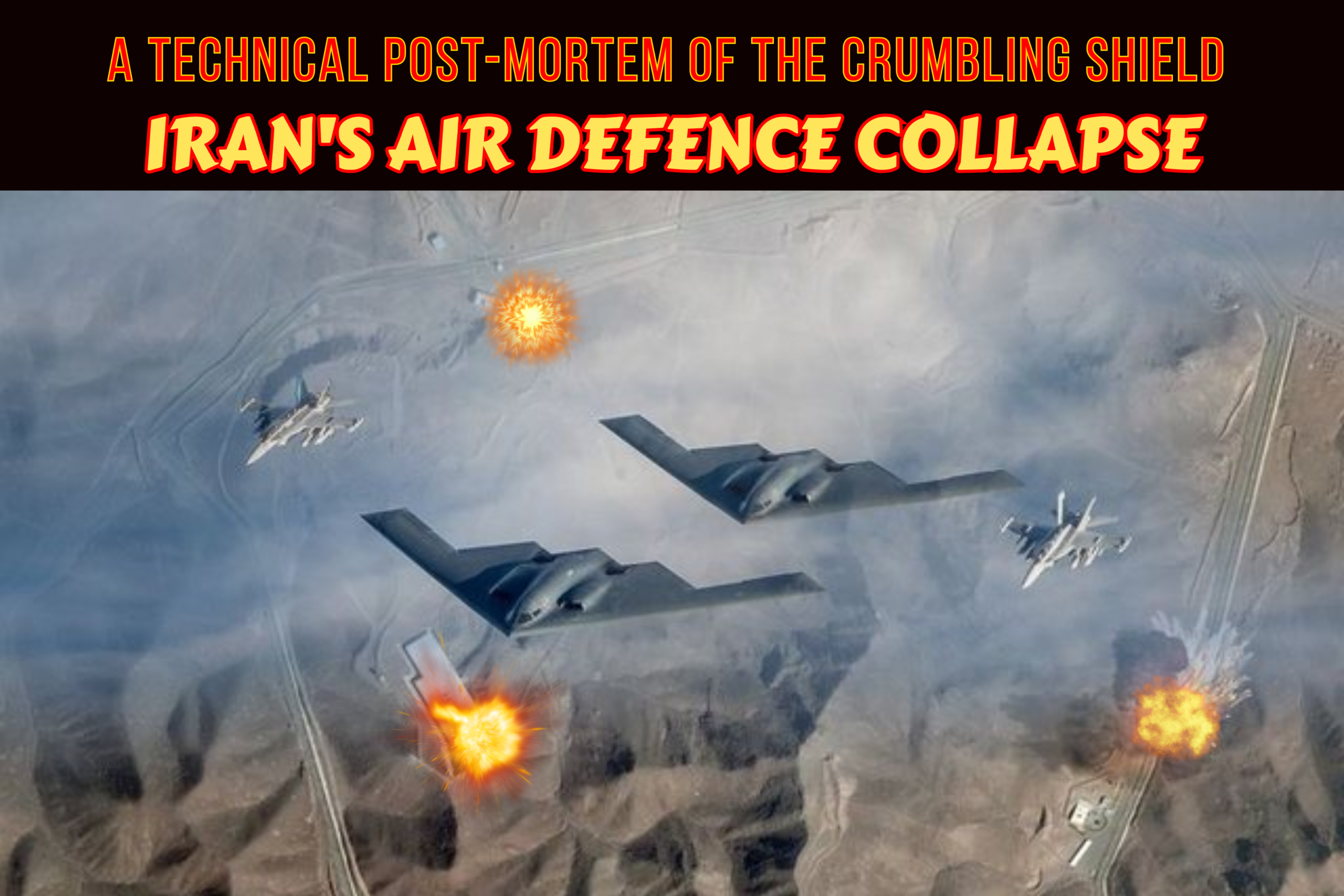
In the pre-dawn darkness of February 28, 2026, the skies over Tehran remained eerily silent. No sirens wailed. No surface-to-air missiles streaked upward. Instead, waves of Israeli F-35I Adir stealth fighters and American B-2 Spirit bombers, supported by EA-18G Growler electronic-warfare aircraft, sliced through Iranian airspace with impunity. By sunrise, Israeli officials announced air superiority over the capital. Within 24 hours, the United States and Israel had jointly dismantled the backbone of Iran’s vaunted ground based Air Defence network under Operations Epic Fury.
For decades, Iran cultivated the image of an impenetrable aerial fortress. Its ground based Integrated Air Defence System (IADS) was marketed as a “layered shield,” combining Russian sophistication, Chinese range, and indigenous innovation. This architecture was designed to enforce a doctrine of “deterrence by denial,” theoretically making any air assault too costly to attempt. Yet, in the recent escalation involving US and Israeli forces, reports indicate a total systemic failure: not a single attacking aircraft was shot down, and critical air defence nodes were neutralized within hours. This article provides a comprehensive expert analysis of how this collapse occurred, moving from the theoretical architecture of Iran’s defence to the technical and operational realities that rendered it ineffective. It examines not only the specific vulnerabilities of Iran’s network but also places this failure within the broader context of modern aerial warfare, including recent regional precedents.
The Architecture of Ambition
Understanding Iran’s Integrated Air Defence System (IADS)
To comprehend the magnitude of the failure, one must first understand the system that failed. Iran’s ground based air defence was not a collection of disparate batteries but a theoretically unified network designed to deny airspace access at every altitude. This network was the cornerstone of Iran’s strategic depth, intended to protect nuclear infrastructure and command centers from preemptive strikes.
Command and Control: The KAJADHQ
All air defence operations fell under the Khatam al-Anbiya Joint Air Defence Headquarters (KAJADHQ). Established to unify command, it operated out of a hardened underground bunker 250 meters below ground west of Tehran.
- Structure: It coordinated seven Sector Operations Centers (SOCs) across the country.
- Branches: It managed assets from the Artesh (Regular Army), which handled mid-to-high altitude systems, and the IRGC (Revolutionary Guards), which controlled low-to-mid altitude systems.
- The Fatal Flaw: Despite the unified headquarters, a dual command chain persisted. Key IRGC commanders reported directly to the Supreme Leader, bypassing standard military channels. This created coordination gaps where IRGC units could operate outside the integrated network, a vulnerability previously exposed during the PS752 incident where Iranian IRGC shot down Ukrainian airliner in 2020. This fragmentation meant that during high-stress operations, friendly fire incidents or coverage gaps were highly probable.
The Three-Tiered Layered Defence
Iran’s strategy relied on overlapping rings of fire to engage threats from the border to the target.
| Layer | Systems | Range | Role |
|---|---|---|---|
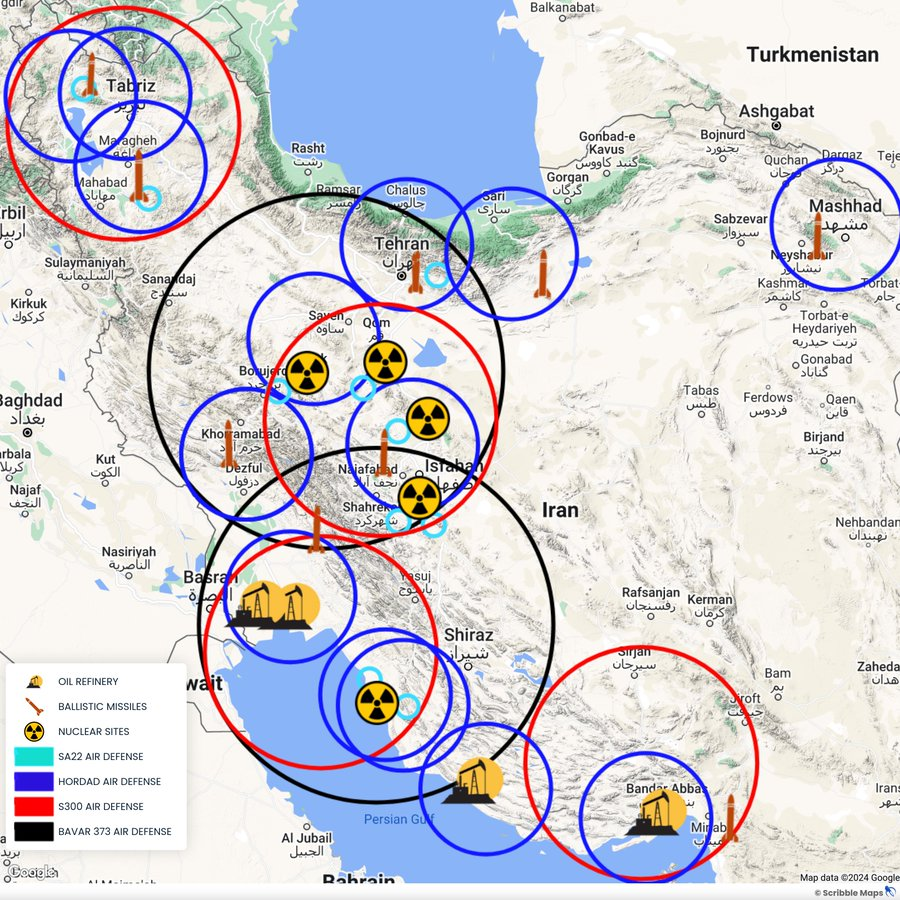
| Strategic (Long-Range) | S-300PMU-2 (Russia), Bavar-373 (Indigenous), HQ-9B (China), S-200 (Legacy) | 200–300 km | Protecting nuclear sites, Tehran, and command centers. |
| Tactical (Medium-Range) | Khordad-15, Raad-1/2/3, Sayyad-2, Mersad (Upgraded HAWK) | 40–120 km | Base protection and mobile tactical defence. |
| Point (Short-Range) | Tor-M1/M2, Pantsir-S1, 9th Dey, Misagh (MANPADS) | 5–40 km | Last-ditch defence against cruise missiles and drones. |
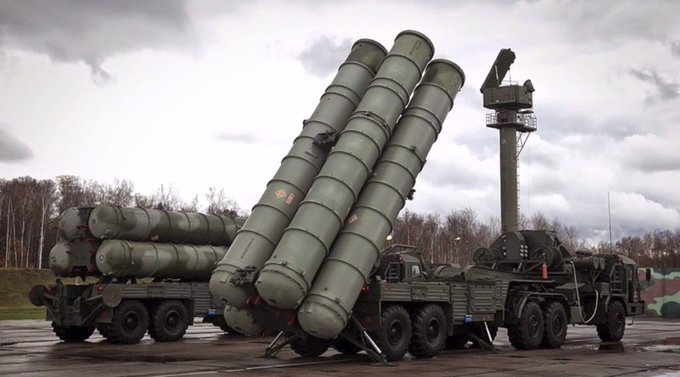
- The S-300PMU-2: The crown jewel of foreign supply, capable of engaging multiple targets simultaneously with a 22-second reaction time. It utilized semi-active radar homing for terminal guidance.
- The Bavar-373: Iran’s flagship indigenous system, claimed to surpass the S-400. It was positioned around critical nuclear facilities like Natanz and Fordow. However, its active electronically scanned array (AESA) radar maturity remained unproven.
- The HQ-9B: A Chinese-derived system added to bolster anti-stealth capabilities around western borders.
The Radar Network: Eyes of the System
A missile is only as good as the radar that guides it. Iran invested heavily in early warning:
- Over-the-Horizon (OTH): The Ghadir (1,100 km range) and Sepehr radars were designed to detect launches from Israel or the Persian Gulf. These operated in the High Frequency (HF) band, bouncing signals off the ionosphere.
- Fire Control: Each battery had dedicated engagement radars (e.g., the 30N6E2 Tomb Stone for S-300) operating in E/F bands.
- Terrain Challenges: Iran’s mountainous Zagros range created significant radar clutter and shadow zones. Low-flying cruise missiles could exploit these terrain masks to approach undetected.
- The Vulnerability: Due to sanctions, many S-300 batteries operated with indigenous radar substitutes rather than original Russian components. These substitutes lacked the signal processing power and electronic counter-countermeasure (ECCM) capabilities of the originals, making them susceptible to modern jamming.
The Silent Prelude
Degradation Before the First Shot
The failure of Iran’s air defence was not decided in the heat of battle but in the months leading up to it. US and Israeli forces executed a “left-of-launch” campaign that degraded the system before kinetic strikes began.
Electronic Warfare (EW) Dominance
Israeli and US aircraft deployed next-generation EW suites, including Gallium-Nitride (GaN) based jammers (such as the AN/ALQ-249 and Rafael Sky Shield).
- Cognitive Jamming: These systems used AI to analyze Iranian radar frequencies in real-time, adapting jamming patterns faster than Iranian operators could adjust.
- The Ghadir Blindspot: Exclusive analysis indicates that coordinated EW strikes degraded the Ghadir OTH radar coverage by up to 50%. Without early warning, Iranian interceptors never received cueing data to prepare for incoming threats.
- The HARM Dilemma: When Iranian operators increased radar power to punch through jamming, they inadvertently revealed their positions to AGM-88 HARM anti-radiation missiles, forcing them to remain silent to survive.
Cyber Operations and Network Fragmentation
US Cyber Command and Israeli Unit 8200 reportedly disrupted Iranian communications hours before the attack.
- Sensor Fusion Failure: Cyber attacks targeted the data links between early warning radars and engagement batteries. Even if a radar saw a target, the data often failed to reach the missile launcher.
- Supply Chain Interdiction: Intelligence suggests that counterfeit microchronics and malware-laden software updates were introduced into Iran’s defence supply chain months prior. This “digital poison” ensured that when systems were activated under stress, critical processing nodes failed or rebooted unexpectedly.
- C2 Disruption: The centralized KAJADHQ structure became a liability. Once command bunkers were cyber-compromised, subordinate batteries were cut off, operating in isolated, reactive modes.
“SEAD-from-Within”: Covert Ground Operations
Perhaps the most devastating blow came from within. Months prior, Mossad operatives smuggled loitering munitions and guided missiles (such as the Spike NLOS) into Iran.
- Internal Strikes: At the opening of hostilities, these covert assets struck engagement radars and launcher control vehicles from ground level.
- Bypassing the Shield: This tactic bypassed the air defence layer entirely, destroying the “eyes” of the system before the air campaign even began. This mirrored tactics seen in Ukraine, where internal sabotage crippled strategic assets.
The Kinetic Blow
Tactical Execution of the Air Campaign
When the aerial assault began, it was not a traditional dogfight but a systematic dismantling of network nodes.
| Phase | Action | Effect on Iranian IADS |
|---|---|---|
| H-Hour (Minutes 0-5) | Ground-launched Spike NLOS & drones strike radars near Tehran and Isfahan. | Blinded key engagement sectors; disabled fire control before alert status. |
| Minutes 5-30 | F-35I/F-15I strikes with SEAD escort; AGM-88 HARM salvos. | Suppressed remaining active radars; destroyed launcher vehicles. |
| Hours 1-4 | Strikes on C2 nodes, power infrastructure, and fuel depots. | Prevented reconstitution; forced batteries into survival mode. |
| Days 2-4 | Follow-on strikes on repositioned systems; continued EW harassment. | Denied recovery; maintained air dominance. |
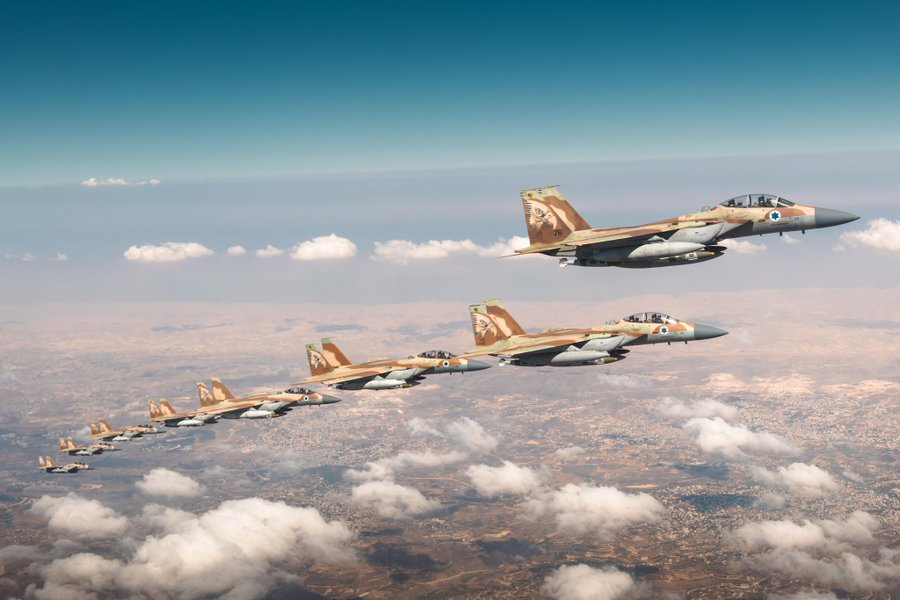
- Stealth Penetration: Israeli F-35I Adir aircraft, utilizing stealth coatings and advanced EW, penetrated Iranian airspace regularly. The F-35’s AN/APG-81 radar and Electro-Optical Targeting System (EOTS) allowed pilots to identify and target air defence emitters passively without emitting their own radar signals.
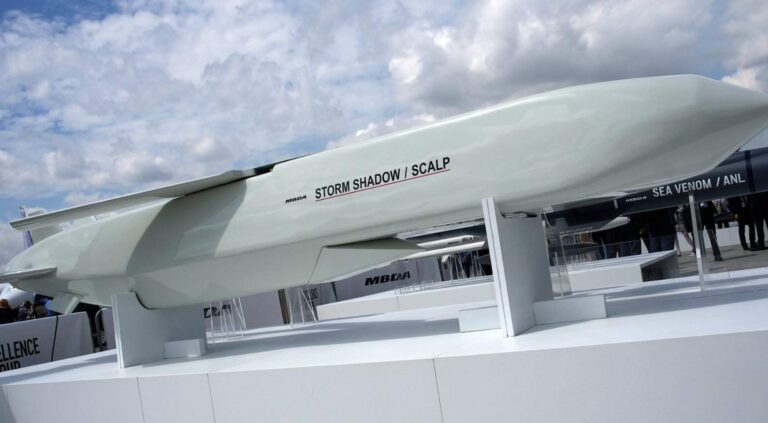
- Stand-Off Strikes: US and Israeli forces largely operated outside the effective engagement envelope of Iran’s systems, using long-range cruise missiles and stand-off munitions like the Rampage air-to-surface missile to pick apart defences without exposing aircraft to risk.
The Autopsy of Failure
Why Not a Single Aircraft Was Shot Down
The fact that no US or Israeli aircraft were downed is not a statistic of luck; it is the result of a cascading failure chain.
- No Early Warning: With Ghadir radars degraded by EW and cyber attacks, the track initiation never happened.
- No Cueing: Fragmented Command and Control (C2) meant tracks were not passed to engagement units.
- No Lock: Indigenous radar substitutes lacked the resolution to maintain stable tracks against advanced EW jamming.
- No Launch: The threat of HARM missiles and kinetic strikes on radar vehicles forced operators to keep systems off (“radiation control”).
- No Guidance: Even if missiles were launched, datalink jamming prevented mid-course updates, causing misses.
- No Redundancy: The “layered” defence assumed mutual support. However, interoperability gaps between Russian, Chinese, and indigenous systems meant that when one layer failed, the others could not compensate.
The OODA Loop Disruption: Fundamentally, the attack disrupted Iran’s Observe-Orient-Decide-Act (OODA) loop. By the time Iranian operators observed a threat, the orientation phase was corrupted by cyber data, the decision was delayed by command fragmentation, and the act was suppressed by kinetic destruction. The disparity in reaction time—seconds for the attackers versus minutes for the defenders—was insurmountable.
The Inventory Gap: Additionally, the IRGC had expended significant missile stockpiles in prior escalations. Maintenance backlogs due to sanctions meant many launchers were not combat-ready, and crews were fatigued.
Comparative Validation: The JF-17/S-400 Precedent (May 2025)
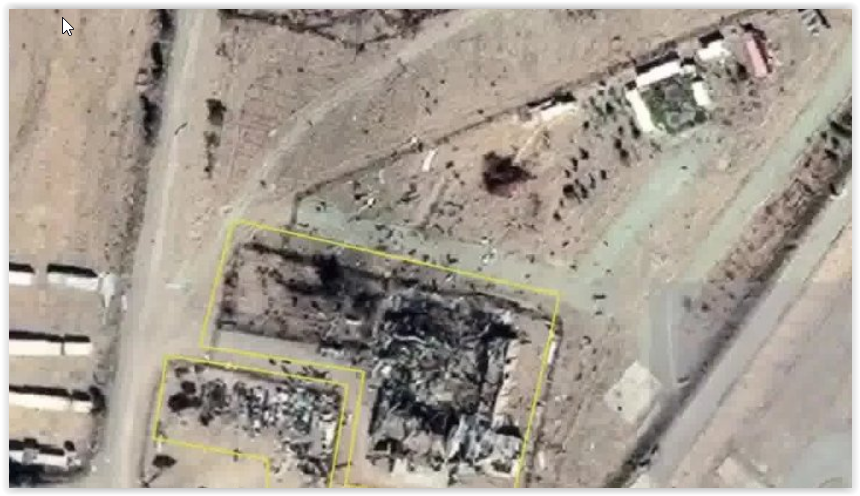
The systemic collapse of Iran’s IADS was not an isolated phenomenon. Just last year, during the May 2025 India-Pakistan conflict, a Pakistani Air Force JF-17 Thunder Block III reportedly destroyed an Indian S-400 Triumf battery near Adampur using CM-400AKG stand-off missiles.
Tactical Parallels to Iran:
| Factor | India-Pakistan (May 2025) | Iran-US/Israel (2025-2026) |
|---|---|---|
| Attacker Platform | JF-17 Block III (4th-gen, AESA radar) | F-35I/F-15I (5th/4.5-gen, advanced EW) |
| Weapon Used | CM-400AKG (stand-off, ~200 km) | Rampage, SPICE, AGM-158 (stand-off, 100-300+ km) |
| Target System | S-400 (Russian long-range SAM) | S-300PMU-2, Bavar-373, HQ-9B (long-range SAMs) |
| Key Enablers | EW suppression, terrain masking, SEAD escort | Cognitive EW, cyber disruption, covert ground strikes |
| Outcome | S-400 battery neutralized; no Pakistani aircraft lost | Multiple long-range batteries destroyed; no US/Israeli aircraft lost |
Why This Matters: The JF-17/S-400 incident demonstrates that platform pedigree is less decisive than system integration. The S-400, despite its formidable specifications, relied on a vulnerable kill chain: early warning radar → command node → engagement radar → missile guidance. By disrupting the 5N63T2 Square Pair engagement radar with electronic attack and striking it with a precision stand-off weapon, Pakistani forces achieved a disproportionate effect.
For Iran, operating a heterogeneous mix of S-300, Bavar-373, and HQ-9B systems with known interoperability gaps, this precedent was a stark warning that went unheeded. The lesson is universal: an Air Defence system is only as strong as its most vulnerable sensor, data link, or command node. When adversaries possess superior electronic warfare, cyber capabilities, and precision strike options, even “tier-one” SAM systems can be neutralized by lower-cost, well-coordinated attacks.
Strategic Implications and Lessons
The collapse of Iran’s air defence offers stark lessons for modern warfare.
| Failure Category | Root Cause | Broader Implication |
|---|---|---|
| Technology | Overreliance on reverse-engineered systems without mature sensor fusion. | Indigenous development cannot substitute for integrated, battle-tested architecture. |
| Integration | Poor interoperability between foreign and domestic subsystems. | “Layered defence” only works if layers can share data in real time. |
| Resilience | Centralized C2 and fixed infrastructure. | Modern SEAD/DEAD favors distributed, mobile, cyber-hardened networks. |
| Readiness | Sanctions-driven maintenance gaps and crew fatigue. | High-tech systems require sustained investment in training and logistics. |
| Intelligence | Failure to detect covert assets operating inside national territory. | Air defence must account for ground-based, insider, and cyber threats. |
Regional Power Balance: The failure has profound geopolitical ramifications. Proxy networks across the Middle East, who relied on the assumption of Iranian air superiority or at least credible denial capabilities, must now be reassessing their strategic posture. Gulf states may accelerate their own procurement of advanced air defence systems, while non-state actors may shift further toward asymmetric drone warfare, recognizing that traditional air defence is vulnerable to multi-domain attacks.
Conclusion: The End of the Sanctuary
Iran’s air defence did not fail because it was “overwhelmed” by sheer volume. It failed because US-Israeli forces executed a meticulously planned, multi-domain campaign that attacked the system’s architectural weaknesses.
- EW Superiority blinded sensors before they could react.
- Covert Ground Operations bypassed the air domain entirely.
- Cyber Effects severed the nervous system of the network.
- Precision Kinetic Strikes eliminated nodes faster than they could be reconstituted.
- Doctrinal Rigidity left Iran expecting a traditional air raid, not a synchronized “system-of-systems” takedown.
As one defence analyst summarized: “Iran was looking to the sky with expensive air defence systems, while they were taken out from the ground using cheap drones and guided missiles.”
The Future of Air Defence (Additional Note)
This event marks a paradigm shift in aerial & Air Defence warfares. The era of the static, layered air defence shield is effectively over. Future defence architectures must be distributed, mobile, and AI-driven. Reliance on fixed radar sites and centralized command bunkers is now a liability rather than an asset. The integration of cyber hardening, supply chain security, and electronic resilience is no longer optional; it is the primary determinant of survival.
For Iran—and for any nation relying on layered Air Defence—the lesson is stark: A shield is only as strong as its weakest integration point, and modern adversaries will find and exploit that point before the first missile is ever launched. The “Layered Shield” did not just crack; it was dismantled piece by piece—a pattern echoed in the JF-17/S-400 engagement months earlier. Together, these events prove that in the 21st century, Air Defence is not just about missiles—it is about data, connectivity, and resilience against the invisible war. The sanctuary of national airspace no longer exists against a peer adversary capable of multi-domain integration. The sky is no longer a barrier; it is a medium that belongs to those who control the spectrum.