(By Ayesha Mahnoor)
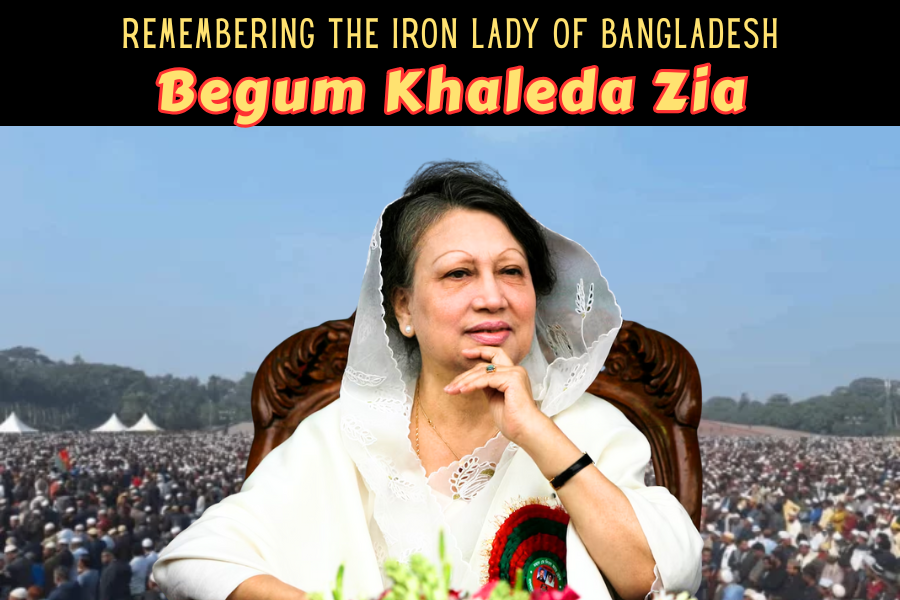
The passing of Begum Khaleda Zia on December 30, 2025, at the age of 80, marks the end of an era not only for Bangladesh but also for the broader Muslim world and, particularly, for Pakistan. Pakistanis feel a profound sense of loss for a leader who consistently viewed Pakistan as an “Islamic brother nation” and worked diligently to heal the historical wounds of 1971. Pakistani Prime Minister Shehbaz Sharif rightly called her a “committed friend of Pakistan,” and the attendance of National Assembly Speaker Sardar Ayaz Sadiq at her state funeral in Dhaka underscored the deep fraternal ties she nurtured. In a region often divided by politics, Begum Zia’s warmth toward Pakistan stood out as a beacon of hope for renewed brotherhood.
Early Life: Roots in Undivided India
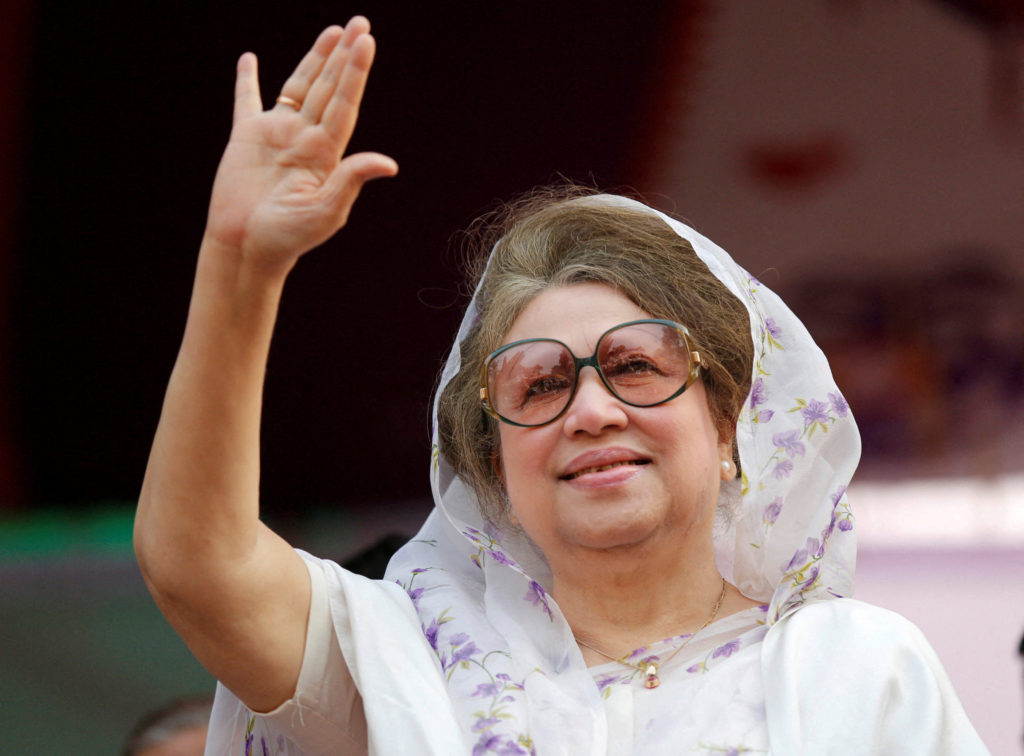
Born Khaleda Khanam “Putul” on August 15, 1945 (some sources cite 1946), in Jalpaiguri, Bengal Province (then British India, now West Bengal), Begum Zia belonged to a prosperous Bengali Muslim family. Her father, Iskandar Majumder, was a tea businessman. After Partition in 1947, the family migrated to Dinajpur in East Pakistan (now Bangladesh). She attended local schools in Dinajpur and described herself as largely “self-educated.”
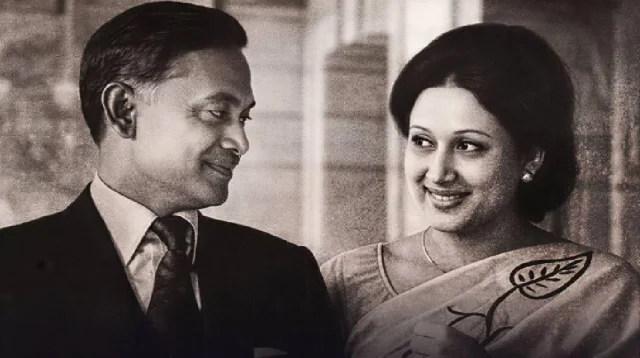
In 1960, at age 15, she married Ziaur Rahman, a captain in the Pakistan Army who had fought in the 1965 Indo-Pak War. The couple lived briefly in West Pakistan before returning to East Pakistan. Khaleda led a quiet life as a homemaker, raising sons Arafat Rahman and Tarique Rahman. Tragedy struck on May 30, 1981, when President Ziaur Rahman—a war hero who declared Bangladesh’s independence—was assassinated in a military coup in Chittagong. Overnight, the apolitical widow was thrust into the spotlight.
Rise to Power: From Grief to Leadership
Initially reluctant, Khaleda Zia joined the Bangladesh Nationalist Party (BNP), founded by her husband, in 1982. By 1984, she became its chairperson. In the 1980s, she emerged as a key figure in the pro-democracy movement against military dictator General Hussain Muhammad Ershad. Enduring multiple house arrests, she earned the moniker “uncompromising leader.”
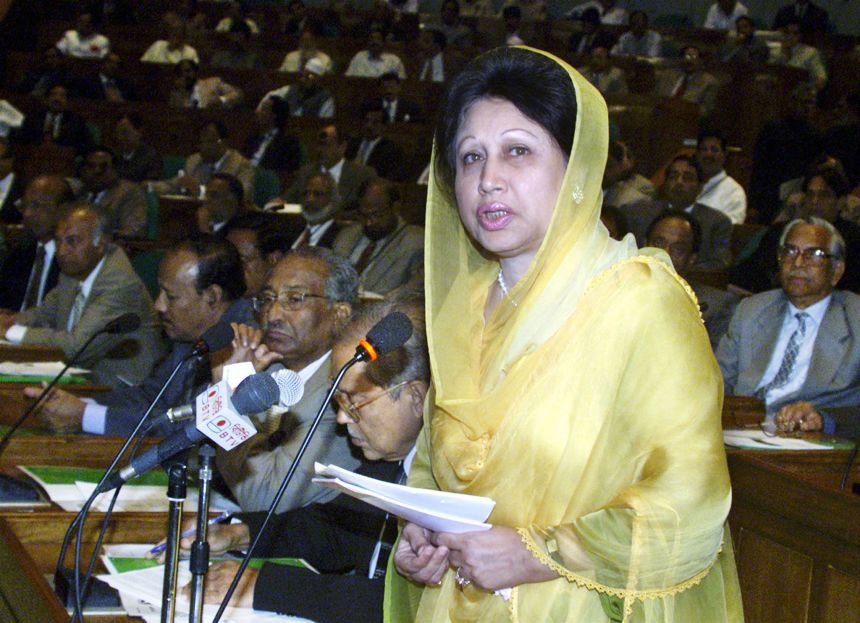
Her perseverance paid off in 1991 when the BNP won a landslide, making her Bangladesh’s first female Prime Minister (1991–1996). She returned for a second term (2001–2006), becoming the longest-serving PM in the country’s history. Her governments emphasized economic liberalization, women’s empowerment—making primary education free and secondary free for girls—and infrastructure development. She broke barriers as the second Muslim woman head of government after Pakistan’s Benazir Bhutto, inspiring millions of women across the Islamic world.
The Battling Begums: Rivalry with Sheikh Hasina
Bangladeshi politics under Khaleda Zia and her arch-rival Sheikh Hasina (daughter of Sheikh Mujibur Rahman) was dubbed the “Battle of the Begums.” Their alternating terms defined three decades of governance, marked by fierce competition but also democratic transitions—until polarization intensified post-2006. Hasina’s Awami League leaned toward India, while Zia’s BNP favored closer ties with Pakistan and China, reflecting ideological differences rooted in Bangladesh’s founding narrative.
A Special Bond with Pakistan
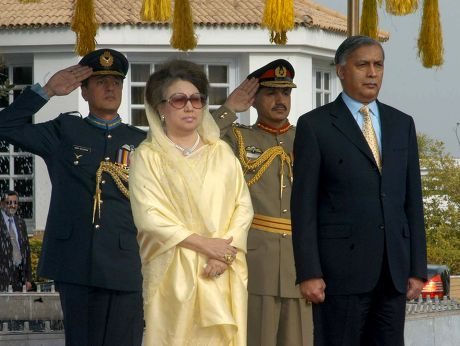
Begum Zia’s greatest legacy was her unwavering affection for Pakistan. Unlike others who emphasized 1971’s separation, she called Pakistan an “Islamic brother nation” and advocated mutual respect. During her premierships, bilateral trade, cultural exchanges, and diplomatic visits flourished. She hosted Pakistani leaders warmly and worked to move beyond historical grievances.
Even in opposition, she resisted anti-Pakistan narratives. Pakistani leaders reciprocated: condolences poured in upon her death, with Sharif highlighting her role in strengthening ties. Sadiq’s presence at the funeral, alongside representatives from India and China, symbolized her bridging influence. In Pakistan, she is remembered not as a distant figure but as a sister who kept the Islamic bond alive.
Later Years: Trials, Resilience, and Final Days
After 2006, Zia faced corruption charges under Hasina’s government—cases she and supporters called politically motivated. Convicted in 2018, she spent years in prison or house arrest. Released after Hasina’s ouster in 2024 amid mass protests, she was acquitted in 2025. Despite severe health issues—liver cirrhosis, heart disease, kidney problems, diabetes—she remained BNP chairperson and planned to contest the February 2026 elections.
Hospitalized in November 2025, her condition deteriorated rapidly. She passed away at Evercare Hospital, Dhaka, early on December 30. Bangladesh declared three days of mourning; millions attended her funeral prayers at the Parliament grounds on December 31. Buried beside her husband with full state honors, her janaza drew massive crowds, reflecting her enduring popularity.
Legacy: Inspiration for the Future
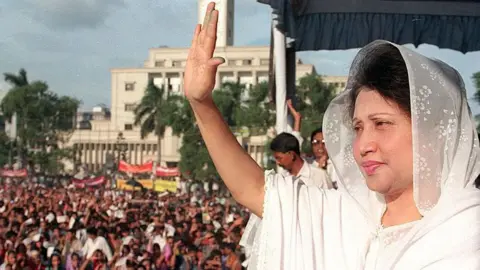
Begum Khaleda Zia’s life was one of resilience—from a grieving widow to a trailblazing leader who restored multiparty democracy and empowered women. Her political acumen united the BNP through turmoil, and her son Tarique Rahman, returning from exile, now carries the torch.
For Pakistanis, she embodied the possibility of reconciliation and shared Islamic heritage. Her vision inspires us to build stronger ties with Bangladesh—economic cooperation, cultural exchanges, and people-to-people contacts. In her death, we lost a true friend, but her legacy of brotherhood endures.
May Allah grant Begum Khaleda Zia the highest ranks in Jannah and give strength to her family, the BNP, and the people of Bangladesh. Ameen.