(By Khalid Masood)
Introduction
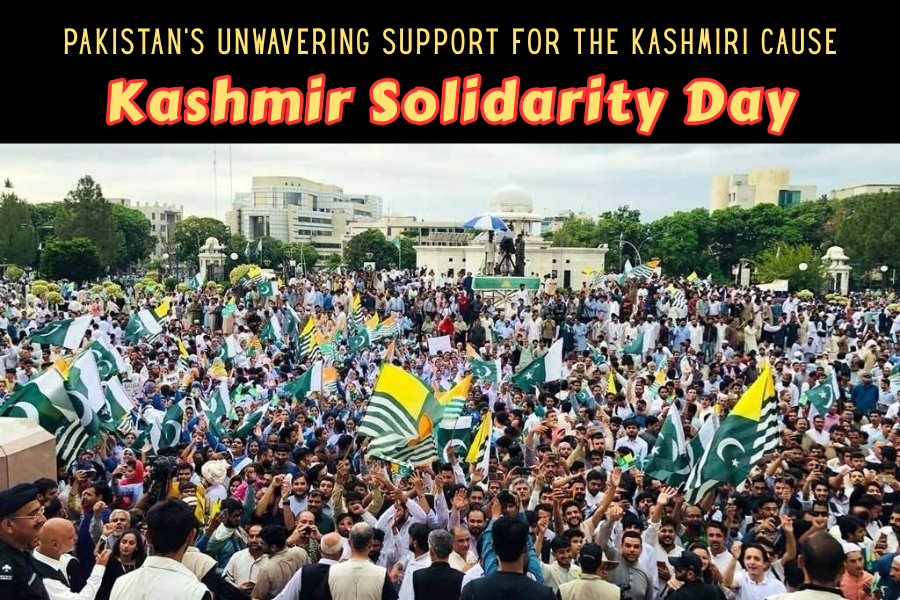
Tomorrow, February 5, 2026, Pakistan will observe Kashmir Solidarity Day (Yaum-e-Yakjehti Kashmir) as a nationwide public holiday. At exactly 10:00 AM, the entire country—from bustling Lahore streets to remote areas in Gilgit-Baltistan—will fall silent for one minute to honor the sacrifices of Kashmiri martyrs (shuhada). This moment of collective reflection captures the essence of the day: a profound expression of solidarity with the people of Jammu and Kashmir in their pursuit of self-determination.
The federal government, through the Cabinet Division, has officially declared February 5, 2026, a public holiday, with all public and private offices, banks, schools, and the Pakistan Stock Exchange closed. Notifications confirm this across provinces, including Punjab, where extended reflections are anticipated amid preparations for nearby Basant celebrations. In Lahore, the city’s vibrant spirit will channel into rallies, seminars, and walks, as residents join the national chorus calling for justice in what Pakistan views as Indian Illegally Occupied Jammu and Kashmir (IIOJK).
This day is deeply personal for many Pakistanis, especially in Punjab, where familial ties, shared cultural heritage, and the strategic importance of Kashmir’s rivers make the cause feel like a national heartbeat. It’s not just politics—it’s empathy, history, and hope intertwined. As rallies gear up and human chains form, the message remains clear: Pakistan stands united with Kashmiris until their right to decide their future, as per UN resolutions, is realized.
Historical Background of the Kashmir Dispute
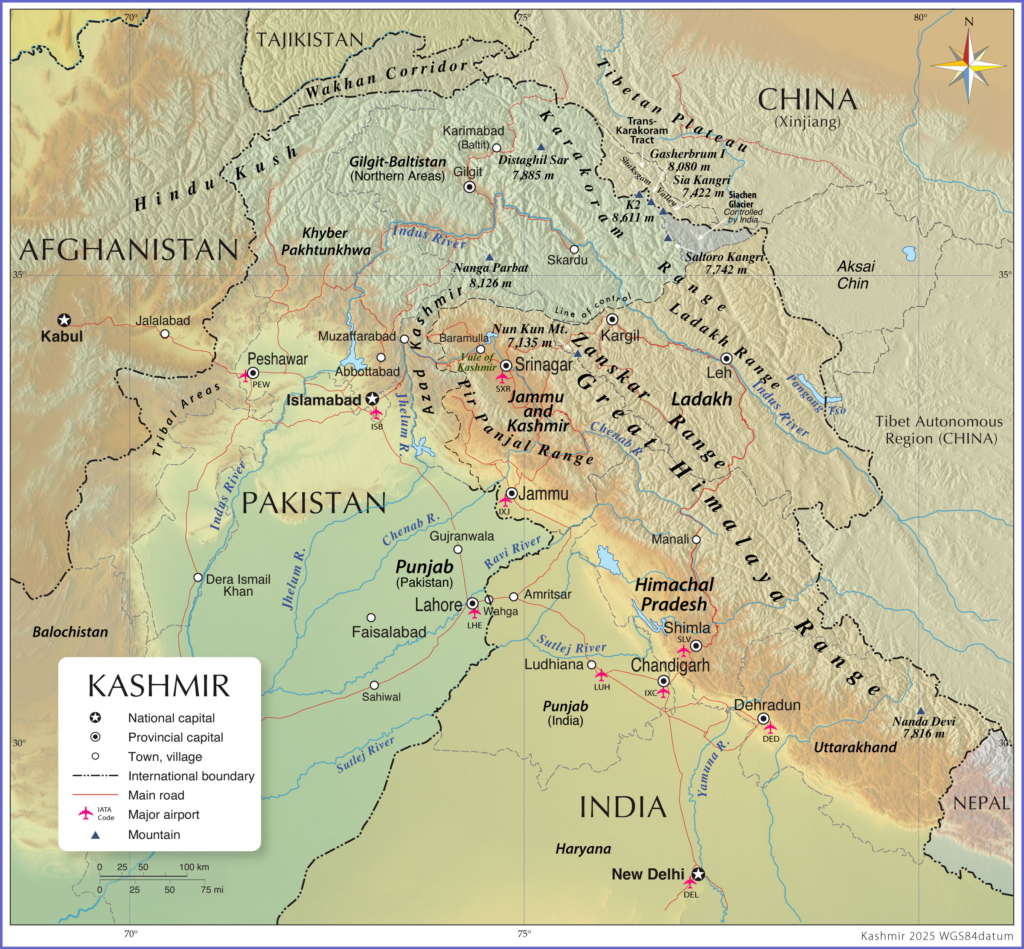
The roots of the Kashmir conflict lie in the 1947 Partition of British India. Princely states could accede to India or Pakistan or seek independence. Jammu and Kashmir, Muslim-majority under Hindu Maharaja Hari Singh, hesitated. A tribal incursion from Pakistan’s side in October 1947 prompted the Maharaja to sign the Instrument of Accession to India, leading to the first Indo-Pak war.
The UN intervened, passing Resolution 47 in 1948, which called for demilitarization followed by a plebiscite to let Kashmiris choose their future. Pakistan holds that the plebiscite never occurred due to India’s refusal to withdraw forces first. The region divided along the Line of Control (LoC) after the 1949 ceasefire: Pakistan administers Azad Jammu and Kashmir (AJK) and Gilgit-Baltistan, while India controls Jammu, the Kashmir Valley, and Ladakh (reorganized as union territories in 2019 after revoking Article 370).
Subsequent conflicts—1965 war, 1971 (leading to Bangladesh), 1999 Kargil—and the Simla Agreement (1972) failed to resolve the core dispute. The armed insurgency since 1989 highlighted grievances, with Pakistan advocating for Kashmiri self-determination under UN auspices, while India treats it as an internal matter.
The 2019 changes intensified global scrutiny over alleged human rights issues, detentions, and demographic shifts. Pakistan views Kashmir as its “jugular vein”—vital for water security (Indus rivers originate there) and emotional ties.
Origins and Evolution of Kashmir Solidarity Day
Solidarity expressions date to the 1930s against Dogra rule. The modern observance began in 1990 when Qazi Hussain Ahmad proposed it amid rising tensions. In 1991, Nawaz Sharif called for a nationwide strike.
It became official in 2004, evolving into a structured holiday with rallies, seminars, and diplomatic efforts. Post-2019, focus sharpened on human rights and international advocacy.
In 2026, events reflect renewed commitment, with seminars like those at the Institute of Strategic Studies Islamabad emphasizing self-determination.
Significance of the Day in Contemporary Pakistan
Kashmir Solidarity Day unites Pakistanis across divides, evoking shared identity and empathy. In Lahore and Punjab, it resonates through family stories and cultural links.
Strategically, it reaffirms Pakistan’s diplomatic stance amid global dynamics. The day educates youth on UN resolutions and peaceful resolution, balancing remembrance with calls for dialogue to prevent escalation.
How Kashmir Solidarity Day is Observed in Pakistan
As a confirmed holiday, the day features:
- One-minute silence at 10:00 AM nationwide to honor martyrs.
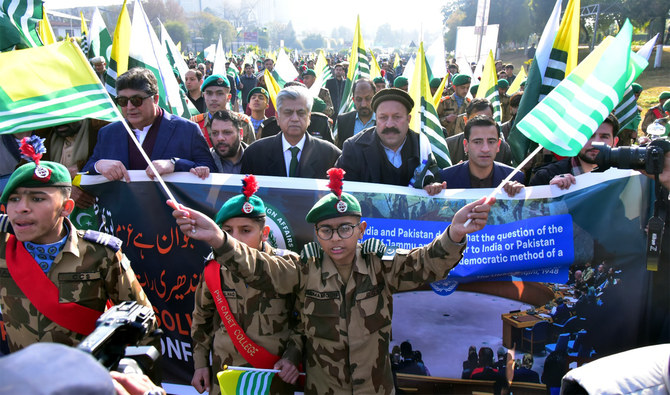
- Rallies, marches, and walks led by leaders.
- Seminars, conferences, prayers, and vigils.
- Human chains, notably at Kohala Bridge linking Pakistan and AJK.
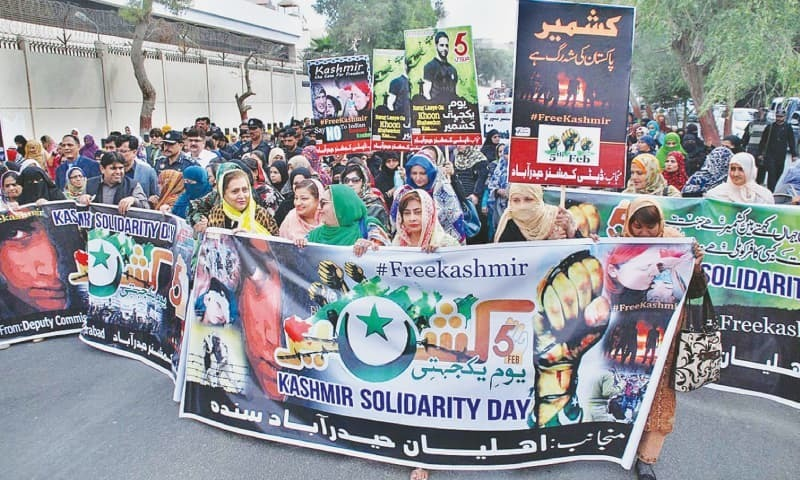
Federal Minister Amir Muqam announced coordinated events: chief ministers lead provincial walks, federal ministers join in Islamabad. In Lahore, youth and community groups organize torch rallies and awareness sessions.
Globally, Pakistani missions host events.
Societal Reflections
Tomorrow, February 5, 2026, as Lahore awakens to Kashmir Solidarity Day (Yaum-e-Yakjehti Kashmir), Pakistan will unite once more in quiet strength and shared purpose. This national observance stands as a powerful reminder of the country’s enduring commitment to the people of Jammu and Kashmir—an unfinished promise of the 1947 Partition that calls for justice through self-determination.
At 10:00 AM, the nation observes a one-minute silence to honor Kashmiri shuhada (martyrs), followed by rallies, human chains, marches, and seminars across cities like Lahore, Karachi, and Islamabad. Green flags wave, voices rise in poetry and shayari, and leaders reaffirm that Kashmir remains Pakistan’s “jugular vein”—tied by emotion, culture, family, and strategic importance.
In 2026, with a full public holiday declared, events include solidarity walks in Punjab, university seminars, prayer gatherings, and vigils. These activities highlight alleged human rights concerns and the urgent need for international focus, while emphasizing peaceful paths forward.
This day is fundamentally a call for peaceful resolution. Pakistan advocates steadfastly for UN Security Council resolutions, including the promised plebiscite, so Kashmiris can freely choose their future. True stability in South Asia depends on dialogue, mutual respect, and adherence to international law—not escalation.
In Lahore, families will share stories of bonds across the Line of Control, reflect on Kashmir’s beauty amid conflict, and draw inspiration from Allama Iqbal’s verses on freedom. These personal moments turn national solidarity into lived empathy.
Justice for Kashmiris will prevail through persistence, compassion, and global awareness—not force. Let February 5 inspire reflection, action, and hope: a future where Kashmiris enjoy dignity, freedom, and lasting peace.