(By Ayesha Mahnoor)
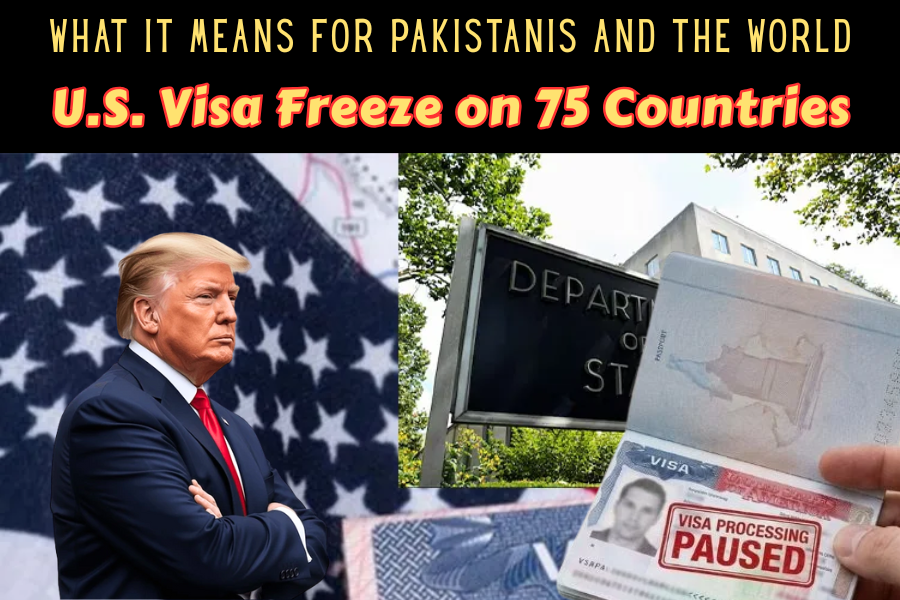
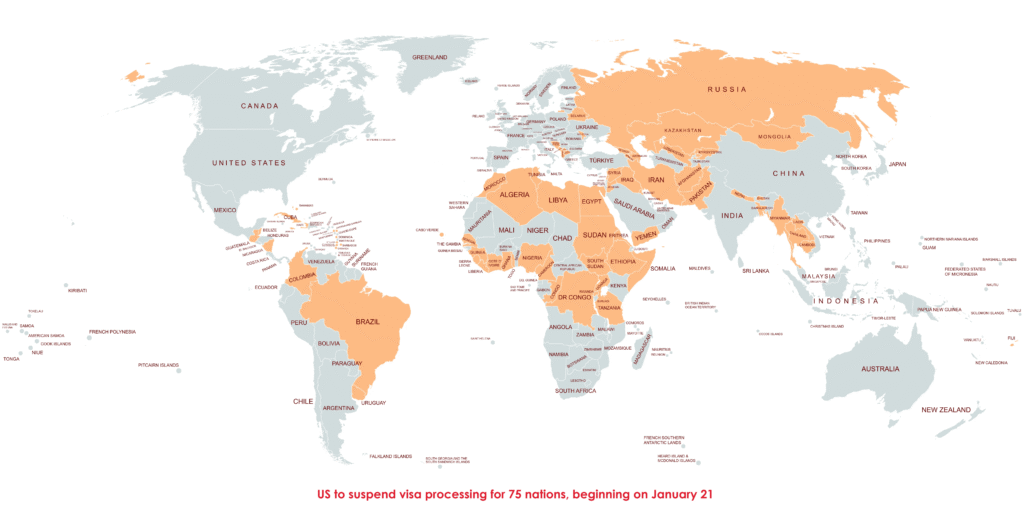
Beginning January 21, 2026, the United States has announced a suspension of immigrant visa processing for nationals of 75 countries, Pakistan among them. The decision applies to immigrant visas only — such as family-based, employment-based, and diversity visas that lead to permanent residence (Green Cards).
Non-immigrant visas like tourist (B1/B2), student (F-1), and temporary work visas are not officially suspended, though observers expect stricter scrutiny and longer processing times.
The suspension has been described as temporary but indefinite, tied to a review of screening procedures and enforcement of immigration rules.
Countries on the Immigration Pause List
Africa & Middle East
- Algeria, Cameroon, Cape Verde, Democratic Republic of the Congo, Egypt
- Eritrea, Ethiopia, Gambia, Ghana, Guinea
- Iran, Iraq, Jordan, Lebanon, Liberia, Libya
- Morocco, Nigeria, Republic of the Congo, Rwanda, Senegal
- Sierra Leone, Somalia, South Sudan, Sudan, Syria
- Togo, Tunisia, Uganda, Yemen
Americas & Caribbean
- Antigua and Barbuda, Bahamas, Barbados, Belize
- Brazil, Colombia, Cuba, Dominica, Grenada
- Guatemala, Haiti, Jamaica, Nicaragua
- Saint Kitts and Nevis, Saint Lucia, Saint Vincent and the Grenadines, Uruguay
Asia & Pacific
- Afghanistan, Bangladesh, Bhutan, Burma (Myanmar), Cambodia
- Fiji, Kazakhstan, Kyrgyzstan, Laos, Mongolia
- Nepal, Pakistan, Thailand, Uzbekistan
Europe & Eurasia
- Albania, Armenia, Azerbaijan, Belarus, Bosnia
- Georgia, Kosovo, Macedonia, Moldova, Montenegro, Russia
While 75 nations are affected globally, Africa and the Middle East have the highest number of impacted countries at 30 countries, followed by the Americas and the Caribbean with 17.
Why Did the U.S. Take This Decision?
The U.S. government has cited the “public charge” rule as the central reason behind the move. Under this principle, visa applicants can be denied entry if they are deemed likely to rely on U.S. government welfare or public assistance programs.
Key stated objectives include:
- Stricter enforcement of financial self-sufficiency requirements
- Upgrading vetting and background screening systems
- Reducing fraud and misuse of immigration pathways
- Protecting U.S. taxpayer-funded social programs
- Strengthening national security and identity verification
Politically, the decision also aligns with a broader “America First” immigration philosophy, which prioritizes domestic economic concerns and tighter control over lawful immigration.
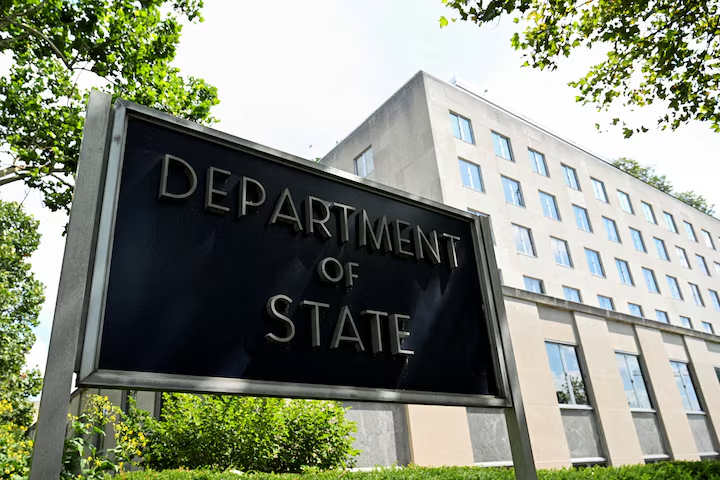
Legal Perspective: Is the U.S. Allowed to Do This?
Legally, the United States enjoys wide discretionary powers under the Immigration and Nationality Act (INA). The executive branch is permitted to suspend or limit visa processing when national interest, economic security, or public welfare is cited.
However, immigration experts warn that:
- Blanket suspensions affecting dozens of countries may face legal challenges
- Prolonged “indefinite pauses” without timelines risk judicial scrutiny, especially in family-reunification cases
- Courts may question whether such policies are disproportionate or discriminatory
In short, the move is lawful — but not immune to political or legal pushback.
Special Focus: How This Affects Pakistanis
Pakistan’s inclusion in the list has serious human, economic, and social consequences.
1. Family Reunification Delays
A large portion of Pakistani immigration to the U.S. is family-based. Spouses, parents, and children may now face months or years of separation, with cases frozen mid-process.
2. Skilled Professionals in Limbo
Many Pakistanis pursuing employment-based immigration — doctors, engineers, IT professionals — may find their long-planned relocation suddenly stalled, affecting careers and finances.
3. Economic Ripple Effects
Remittances from the U.S. play a vital role in supporting families in Pakistan. Immigration slowdowns could gradually affect remittance flows and household stability.
4. Psychological and Social Stress
Uncertainty, lack of timelines, and shifting rules create emotional strain, particularly for families who have already invested time, money, and hope into the process.
For many Pakistanis, U.S. immigration is aspiration-driven, not welfare-driven — making the public-charge justification controversial within the community.
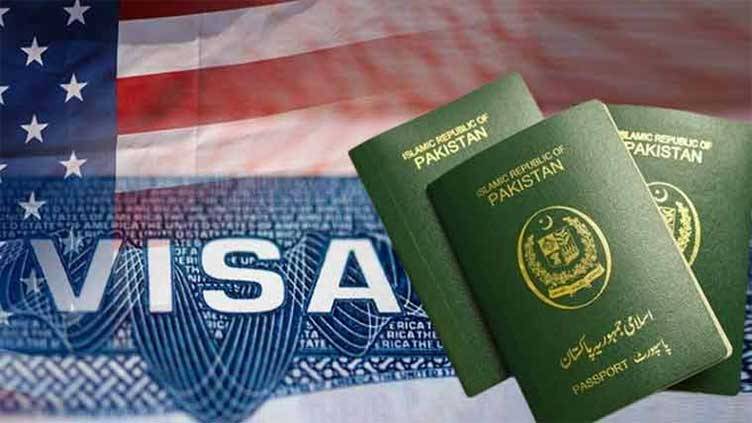
The Human Cost: Families Caught in Limbo
Beyond statistics and policy language lies a deeply human story:
- Married couples living on different continents
- Children growing up without one parent
- Elderly parents waiting to reunite with their families
- Professionals stuck between jobs, visas, and borders
This human impact is often absent from official statements, yet it defines the lived reality of immigration policies.
Impact on the Rest of the World
The 75 affected countries span Asia, Africa, the Middle East, Latin America, and parts of Europe.
Global Consequences Include:
- Delays in lawful immigration pathways
- Family separation across borders
- Rerouting of skilled migration toward Canada, Australia, Europe, and the Gulf
- Increased pressure on alternative immigration systems
Many analysts view this decision as part of a global recalibration of migration, where countries increasingly prioritize economic self-interest over openness.

Impact on U.S.–Pakistan Relations
While officially administrative, the decision may subtly affect diplomacy:
- It reinforces perceptions of unequal treatment of developing nations
- It may strain people-to-people ties that underpin bilateral relations
- It could push Pakistan to strengthen migration partnerships elsewhere
Historically, visa policies have often reflected broader geopolitical signaling, not just immigration management.
How Long Will the Suspension Last?
At present, no fixed end date has been announced.
U.S. officials have linked resumption to:
- Completion of screening reviews
- Improved enforcement mechanisms
- Internal policy satisfaction
Experts outline four possible scenarios:
- Quiet resumption after procedural updates
- Selective reopening for certain countries
- Extended freeze becoming a de-facto long-term policy
- Judicial or political intervention forcing revisions
Until clarity emerges, uncertainty remains the defining feature.

What Does the U.S. Hope to Gain?
From Washington’s perspective, the visa freeze aims to:
- Protect taxpayer resources
- Strengthen immigration controls
- Demonstrate political resolve on immigration
- Appeal to domestic voters concerned about welfare and jobs
Supporters argue it restores discipline to the system; critics warn it risks shrinking America’s talent pool and moral leadership.
What Pakistanis Should Do Now
For affected applicants, practical steps include:
- ✅ Keep all documents updated
- ✅ Follow official U.S. Embassy and State Department announcements
- ✅ Avoid misinformation circulating on social media
- ✅ Consult licensed immigration lawyers before reapplying
- ✅ Explore alternative destinations (Canada, Australia, EU, Gulf)
Preparedness, not panic, is the best response.
Final Thought
Immigration policies change with governments, but human aspirations remain constant. For Pakistanis affected by the U.S. visa freeze, patience and adaptability will be essential. History shows that immigration doors rarely stay closed forever — but when they reopen, those best prepared benefit first.