(By Mohsin Tanveer)
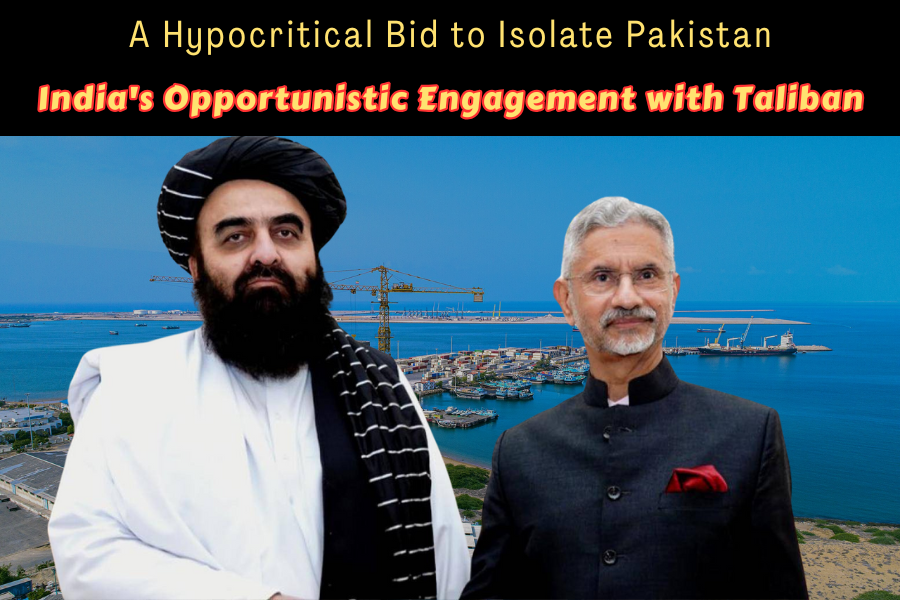
The ongoing tensions along the Pakistan-Afghanistan border have exposed the fragility of regional relations, but they have also revealed India’s calculated opportunism. While Pakistan has been compelled to close key crossings like Torkham and Chaman to counter cross-border terrorism sponsored from Afghan soil, New Delhi is rushing to fill the vacuum through Iran’s Chabahar Port and direct engagements with the Taliban regime—a government it refuses to formally recognize. This selective pragmatism smacks of hypocrisy: India condemns the Taliban on human rights and legitimacy grounds yet eagerly pursues trade and connectivity to undermine Pakistan’s natural geographic advantage.
The Border Crisis: Pakistan’s Legitimate Security Concerns
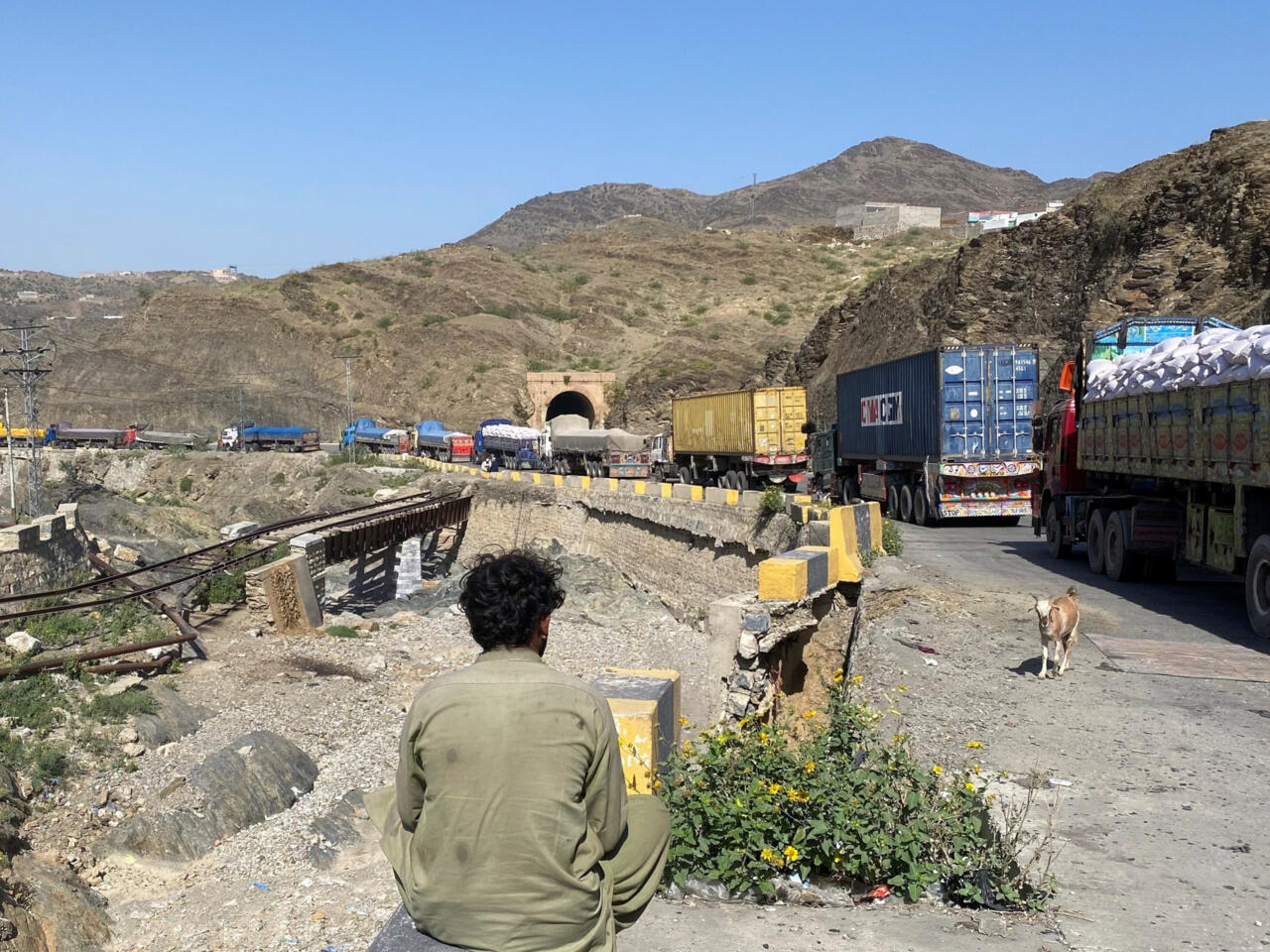
Pakistan’s border closures stem from repeated attacks by the Tehreek-e-Taliban Pakistan (TTP), operating with impunity from Afghan territory. Deadly clashes in October 2025 forced Islamabad to seal Torkham and Chaman, halting trade that once neared $2 billion annually. While partial reopenings for UN humanitarian aid have occurred by early December, full commercial access remains restricted pending verifiable action against terrorists. This is not economic coercion but a necessary measure to protect Pakistani lives—dozens of soldiers and civilians have been killed in TTP assaults sheltered by the Taliban.
Afghanistan’s economy has suffered, with shortages and price spikes, but blame lies with Kabul’s refusal to rein in militants. Pakistan has historically been Afghanistan’s primary trade partner, offering the shortest, cheapest routes via Karachi. Diversion to longer, costlier paths is a self-inflicted wound born of Kabul’s security lapses.
India’s Hypocritical Pivot: Trade Without Recognition
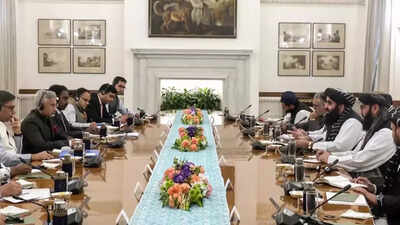
India’s response has been swift and self-serving. Afghan Commerce Minister Nooruddin Azizi’s November 2025 visit to New Delhi saw discussions on cargo flights, trade attachés, tariff cuts, and a $1 billion bilateral target—all while India maintains it does not recognize the Taliban government. This is rank hypocrisy: New Delhi lectures the world on democracy and women’s rights in Afghanistan yet engages pragmatically when it suits its anti-Pakistan agenda.

The centerpiece is Chabahar Port in Iran, where India has invested heavily (around $370-500 million) to create a Pakistan-bypass. With a temporary US sanctions waiver extended in October 2025, Afghan traders are shifting imports of essentials through this route. But this is no altruistic lifeline—it’s a strategic ploy to encircle Pakistan and diminish its transit role.

Insurmountable Challenges for the Chabahar “Alternative”
Proponents hail Chabahar as a game-changer, but reality paints a different picture:
- Higher Costs and Delays: Transit via Chabahar is up to twice as expensive and takes 45-60 days versus 22-25 days through Pakistan. Containers cost $2,000-2,500 more, burdening Afghan consumers already facing inflation.
- Infrastructure Deficits: The port lacks adequate cranes, storage, container handling, and rail links (e.g., Chabahar-Zahedan). Upgrades require billions of dollar, stalled by Iran’s sanctions.
- Sanctions Uncertainty: The US waiver is temporary (six months), revocable under shifting policies. Broader Iran sanctions complicate banking, insurance, and logistics.
- Temporary Disruption: As former Indian officials like T.C.A. Raghavan caution, this is no permanent shift. Pakistani routes are inherently superior—cheaper, faster, and more logical. Once security guarantees are met, trade will revert.
Even Indian experts admit success hinges on making Chabahar “reliable and profitable,” a tall order against natural geography.
Great Power Reactions: Caution and Competition
- United States: Washington’s waivers reflect pragmatic recognition of Chabahar’s role in Afghan stability and countering China, but they are limited and conditional. The US prioritizes pressuring Iran and remains wary of deepening India-Taliban ties without progress on rights and counterterrorism. Any escalation in regional tensions could see waivers revoked, undermining India’s plans.
- Russia: Moscow, having formally recognized the Taliban, views engagement as necessary to combat ISIS-K and secure Central Asia. Russia coordinates with India on Afghan policy but opposes destabilization. It supports diversified routes yet sees India’s moves as part of broader great-power competition, not a threat to its influence.
- China: Beijing eyes India’s Chabahar push warily, as it counters the China-Pakistan Economic Corridor (CPEC) and Gwadar Port. China is actively courting Afghanistan for CPEC extension, offering investment and security cooperation. This “adventure” risks heightening Sino-Indian rivalry, with Beijing likely to bolster Pakistan-Afghanistan ties to protect its Belt and Road interests.
Conclusion
India’s gambit exploits a temporary crisis but ignores enduring realities. Pakistan’s borders will reopen with assurances, restoring efficient trade. New Delhi’s selective morality—trading with an unrecognized regime to spite a neighbor—exposes strategic desperation more than strength. True regional stability demands Kabul address terrorism, not detour through costly, sanction-prone alternatives. Pakistan remains indispensable; bypassing it is a delusion destined to falter.