(By Khalid Masood)
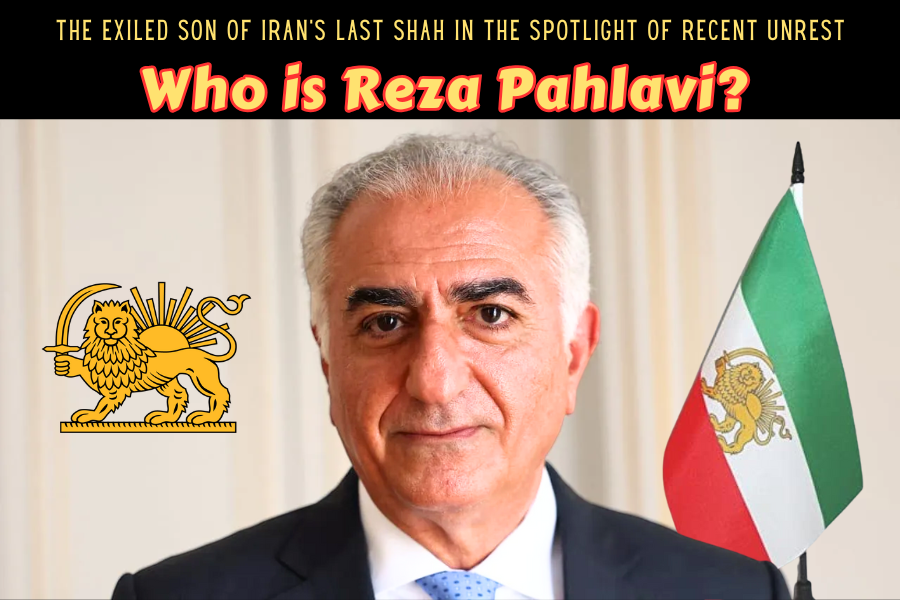
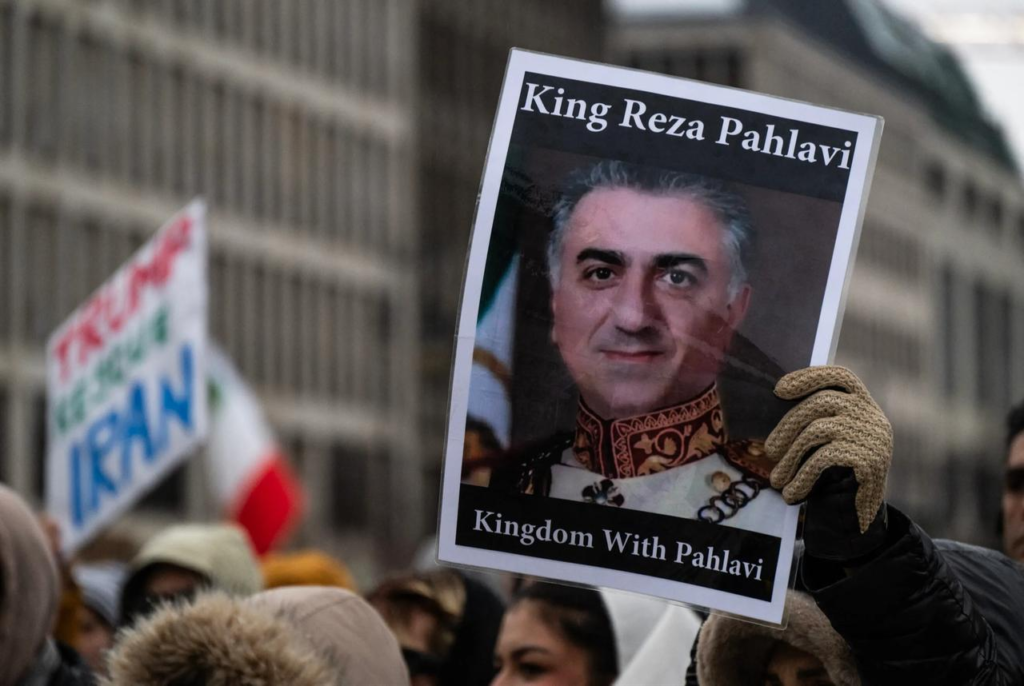
Reza Pahlavi, born on October 31, 1960, in Tehran, Iran, is the eldest son of Mohammad Reza Pahlavi, the last Shah of Iran, and Empress Farah Diba (Farah Pahlavi). As the heir apparent to the Pahlavi dynasty, he was officially named Crown Prince in 1967 during his father’s coronation. For nearly five decades, he has lived in exile, primarily in the United States, where he has positioned himself as a leading voice in the Iranian opposition. In the context of the nationwide protests that erupted in late December 2025 and intensified into 2026—sparked by severe economic collapse, currency devaluation, and broader demands for regime change—Reza Pahlavi has gained renewed prominence. Protesters in cities across Iran have chanted slogans like “Javid Shah” (Long Live the King) and “Pahlavi Will Return,” while displaying pre-1979 flags, though his domestic support remains debated amid divisions in the opposition.
This article provides a comprehensive, neutral examination of his background, family, beliefs, current activities, and potential future role, drawing on historical context and recent developments as of January 2026.
The Pahlavi Dynasty: Historical Context
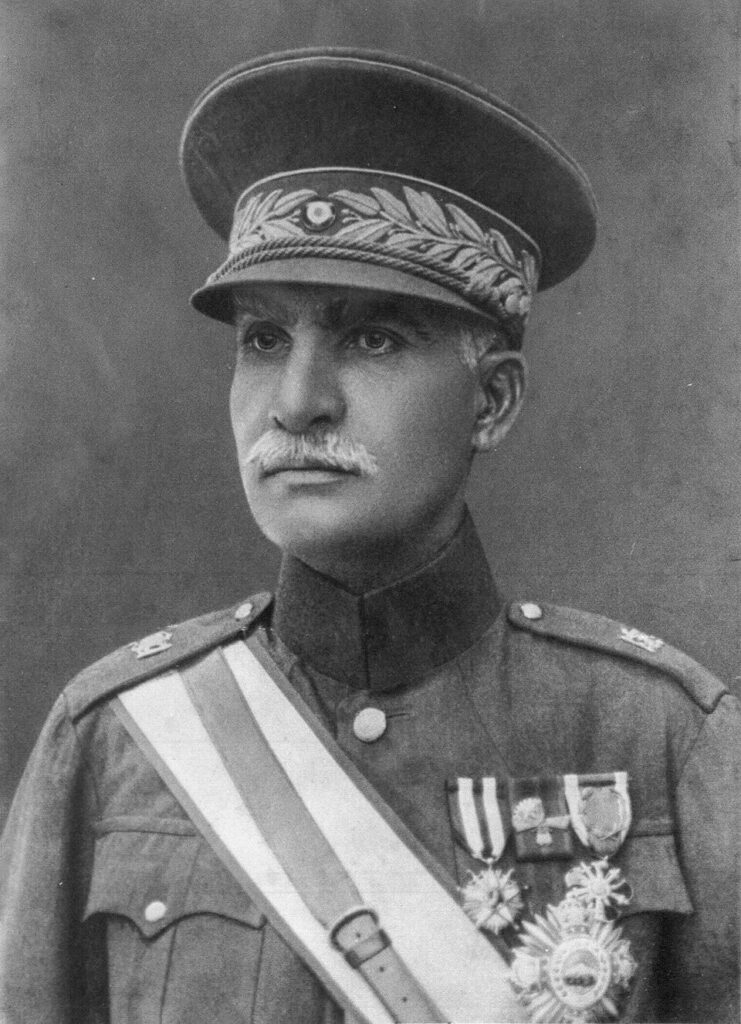
The Pahlavi dynasty ruled Iran from 1925 to 1979, marking the end of over 2,500 years of monarchical tradition that dated back to ancient empires like the Achaemenids. It was founded by Reza Shah Pahlavi (born Reza Khan in 1878), a military officer of modest Mazanderani origins who rose through the ranks of the Persian Cossack Brigade. In 1921, he led a coup against the weakening Qajar dynasty, and by 1925, the Majlis (parliament) deposed Ahmad Shah Qajar and proclaimed Reza Khan as Reza Shah Pahlavi.
Reza Shah pursued aggressive modernization: building infrastructure, centralizing power, promoting secular education, advancing women’s rights (e.g., banning the veil in public in 1936), and emphasizing pre-Islamic Persian heritage to foster nationalism. However, his authoritarian style, suppression of dissent, and alignment with Nazi Germany during World War II led to the Anglo-Soviet invasion in 1941. Forced to abdicate, he went into exile and died in South Africa in 1944.
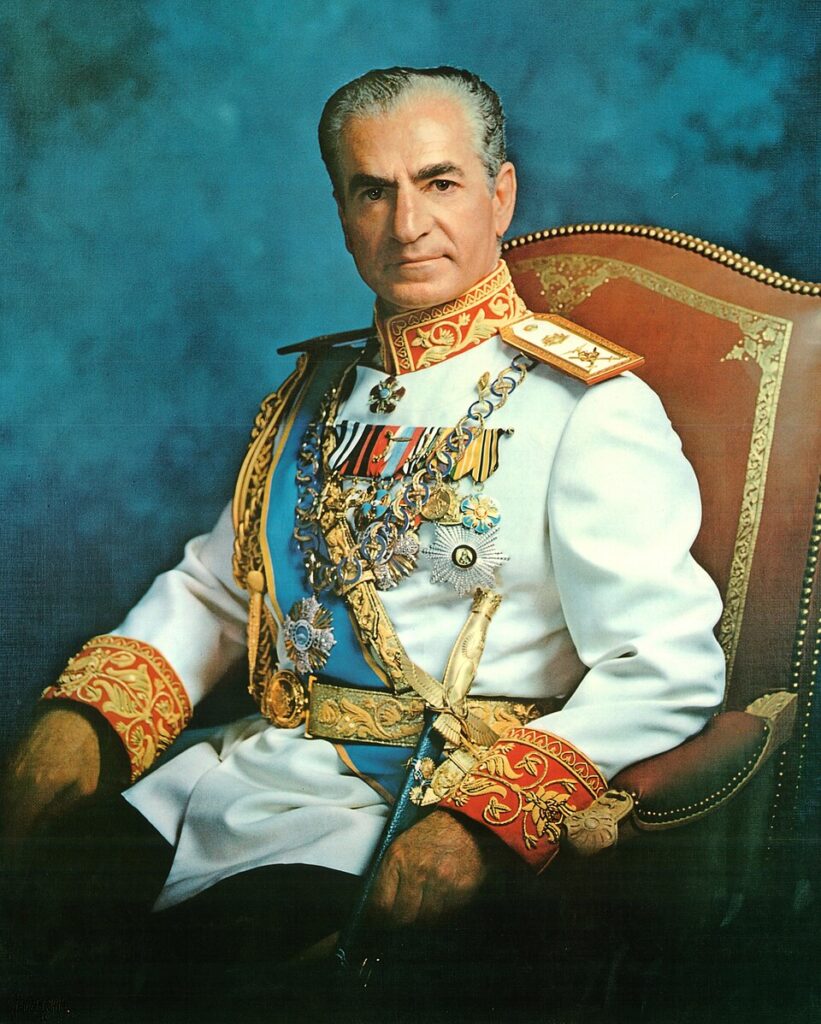
His son, Mohammad Reza Pahlavi (born October 26, 1919), ascended the throne at age 21 amid occupation. Educated partly in Switzerland and at Iran’s Military College, he initially ruled under Allied influence. The 1953 coup—backed by the U.S. and UK—overthrew Prime Minister Mohammad Mosaddegh after he nationalized oil, restoring the Shah’s power. His reign featured the “White Revolution” (1963 onward): land reforms, women’s suffrage, industrialization, and rapid Westernization, boosting oil wealth and education but widening inequality and alienating religious conservatives.
Mohammad Reza Shah married three times: first to Fawzia of Egypt (1939–1948, one daughter Shahnaz); then Soraya Esfandiary-Bakhtiari (1951–1958, no children); and Farah Diba in 1959 (four children). His rule ended with the 1979 Islamic Revolution led by Ayatollah Ruhollah Khomeini, forcing exile. He died of cancer in Cairo on July 27, 1980.
Early Life and Family Background
Reza Pahlavi was born on October 31, 1960, in Tehran, Iran. He is the eldest child of Mohammad Reza Pahlavi, who ruled as Shah from 1941 until the 1979 Islamic Revolution, and Empress Farah Pahlavi (née Diba). The Pahlavi dynasty, founded by Reza Shah (Mohammad Reza’s father) in 1925, emphasized modernization, secular governance, infrastructure development, education expansion, and women’s rights advancements during its rule.
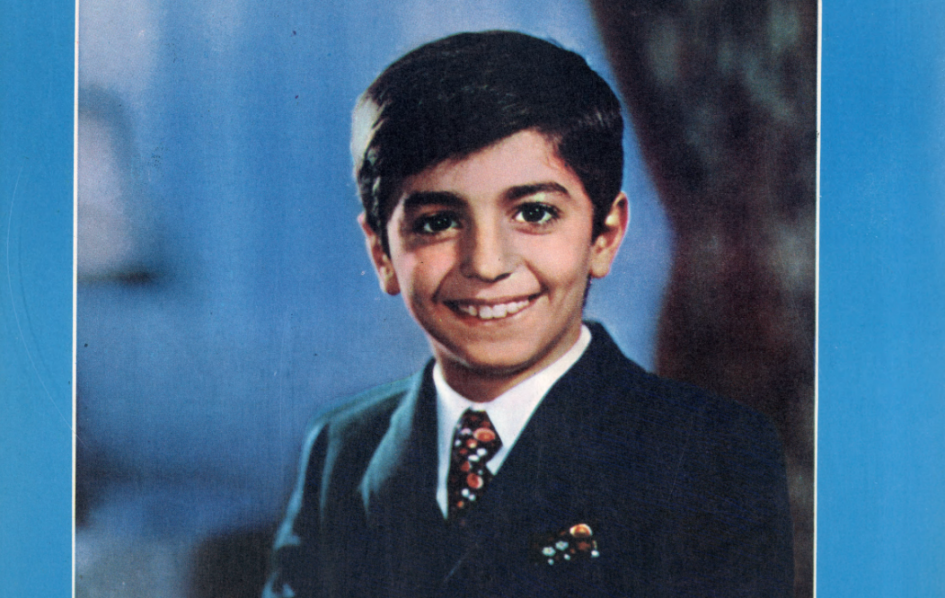
Reza grew up in a privileged environment within the royal court. He attended the Reza Pahlavi School in Tehran and experienced the era of Iran’s White Revolution reforms in the 1960s and 1970s, which included land redistribution, literacy programs, and industrial growth. In 1967, at age seven, he was officially designated as Crown Prince during his father’s coronation celebrations.
His family included siblings: half-sister Shahnaz Pahlavi (from his father’s first marriage), sister Farahnaz Pahlavi, brother Ali-Reza Pahlavi (who passed away in 2011), and sister Leila Pahlavi (who passed away in 2001). The family lived in palaces such as Niavaran in northern Tehran.
In 1978, at age 17, Reza left Iran for pilot training with the United States Air Force at Reese Air Force Base in Lubbock, Texas. This training was part of preparations for his future role. However, the Islamic Revolution erupted soon after, leading to his father’s departure from Iran in January 1979 and the establishment of the Islamic Republic under Ayatollah Ruhollah Khomeini. Reza never returned to Iran.
After the revolution, his father passed away in exile in Egypt in 1980, and Reza was symbolically proclaimed Shah on his 20th birthday by supporters in a royal court in exile, though this had no practical effect inside Iran.
Family Life and Personal Details
Reza completed his U.S. Air Force jet pilot training and later earned a bachelor’s degree in political science from the University of Southern California in 1985. He has resided primarily in the United States, in the Washington, D.C., metropolitan area, since the early 1980s.
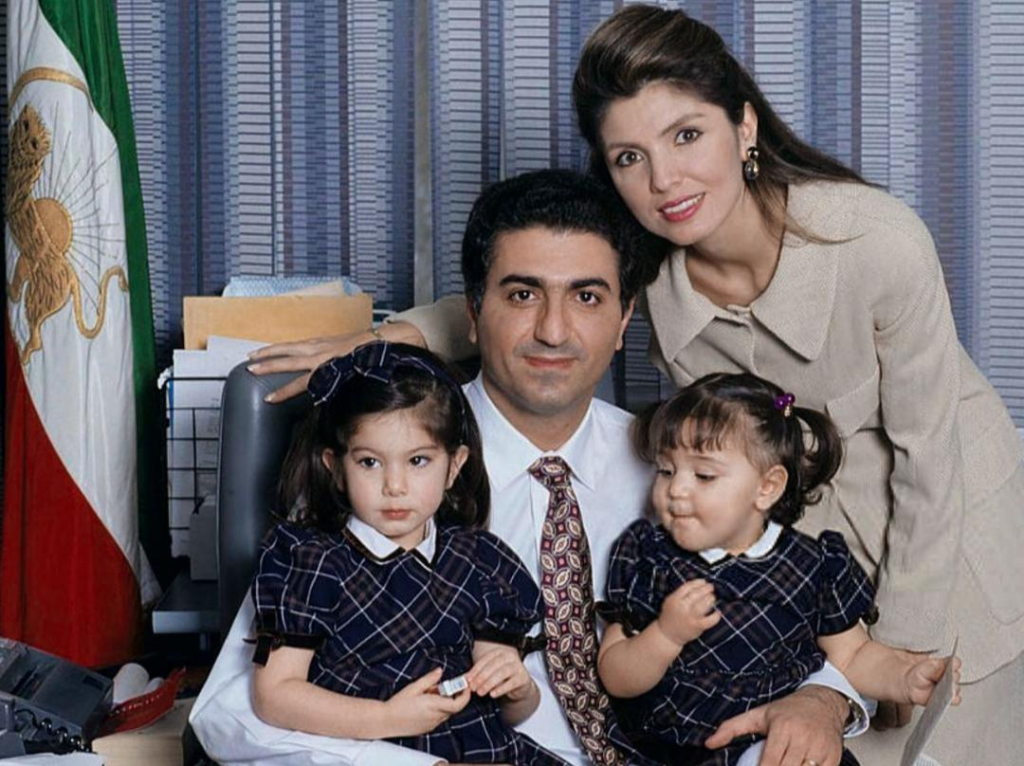
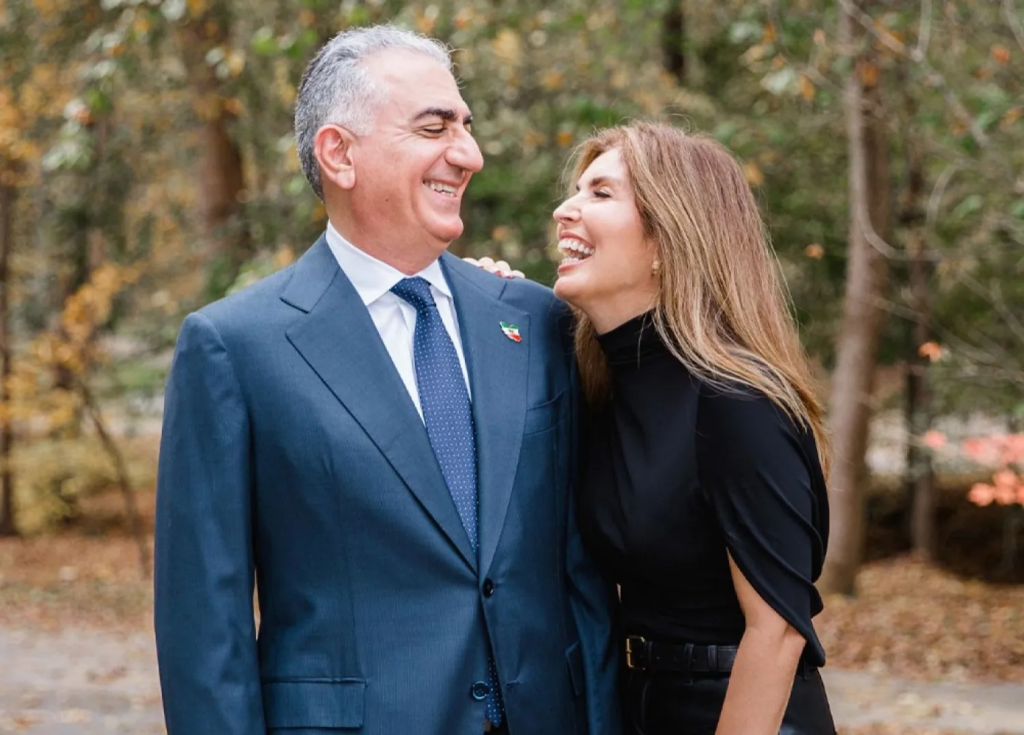
Reza Pahlavi married Yasmine Etemad-Amini in 1986. Yasmine, holding a law degree, actively supports democracy advocacy, joining rallies and panels. They have three daughters: Noor (born April 3, 1992), Iman (born September 12, 1993), and Farah (born January 17, 2004). Reza emphasizes gender equality, naming daughters as potential heirs.
Siblings include half-sister Shahnaz (b. 1940); full sister Farahnaz (b. 1963); brother Ali-Reza (1966–2011, suicide); and sister Leila (1970–2001, suicide). The family faced tragedies in exile, including asset seizures and personal losses.
Reza identifies as Shia Muslim by education and conviction but advocates strict secularism. In 2024, he participated in a Zoroastrian ceremony in Houston, highlighting cultural pluralism.
Political Beliefs and Vision for Iran
Reza Pahlavi promotes a secular, democratic Iran with separation of religion and state, universal human rights (emphasizing women’s equality), free elections, rule of law, and non-violence. He rejects imposing monarchy, supporting a transitional phase leading to a referendum on government form—republic or constitutional monarchy.
He founded the National Council of Iran (government-in-exile) and authored books like Winds of Change (2002) advocating unity and democracy. In 2025–2026 statements, he pledged a “free Iran” would end military nuclear pursuits, halt terrorism support, normalize U.S. ties, and recognize Israel immediately—proposing “Cyrus Accords” (expanding Abraham Accords, honoring Cyrus the Great’s tolerance) for regional peace. Iran would become a stabilizing energy supplier and global partner.
Lifestyle in Exile and Sources of Support
Since 1979, Reza Pahlavi has resided in Potomac, Maryland (near Washington, D.C.), maintaining an affluent, upper-class lifestyle without a conventional job beyond advocacy. He travels for meetings with policymakers, speaks at events, and uses social media extensively.
Funding stems from inherited/family assets (pre-revolution, though largely seized), diaspora donations (monarchists, exiles), and his foundation’s human rights/education work. Historical reports mention 1980s U.S. support for exiles; critics allege Western ties, but no current major state funding is confirmed publicly. He has raised funds through events and appeals.
Supporters and Backing
Reza Pahlavi’s support base includes segments of the Iranian diaspora, particularly those nostalgic for the pre-revolutionary period’s secularism and modernization. Monarchist groups, some opposition factions in exile, and individuals in Iranian communities abroad form his core following. He has visibility through Persian-language media outlets based in places like Los Angeles.
Surveys among Iranians (often conducted by diaspora organizations) show mixed views: some indicate around one-third strong support, another third opposition, and the rest neutral or undecided. His name recognition aids visibility during protest waves.
He has engaged with international figures and appeared at events in Europe and the U.S. Reports suggest backing from private donors, think tanks, and diaspora networks interested in regime alternatives. Some analyses note associations with entities favoring change in Iran, though he emphasizes Iranian-led efforts.
In recent events (as of January 2026), amid protests, his calls for action have resonated with some demonstrators displaying pre-revolution symbols or his images.
Views on Israel and Iran’s Nuclear Capability
Reza Pahlavi has expressed support for normalized relations with Israel in a post-regime Iran. In statements from January 2026, he indicated that a “free Iran” would immediately recognize the State of Israel. He proposed expanding frameworks like the Abraham Accords (normalization deals between Israel and some Arab states) into “Cyrus Accords,” named after ancient Persian king Cyrus the Great, to promote cooperation based on mutual recognition, sovereignty, and shared interests between Iran, Israel, and Arab nations.
On Iran’s nuclear program, he has stated that a future Iran would end any military aspects of it. He advocates focusing on peaceful development and regional stability, positioning the country as a partner in global security rather than a source of tension. These positions aim at reintegration into the international community and rolling back nuclear weapons acquisition quest.
Emergence and Role in Recent Unrest (2025–2026)
Protests began December 28, 2025, over economic woes (rial collapse post-2025 Israel conflict) and widened to anti-regime demands. Reza Pahlavi amplified calls via social media, urging timed demonstrations, strikes, city-center seizures, and defections from security forces. On January 8, 2026, synchronized chants erupted nationwide, including “Death to Khamenei” and pro-Shah slogans.
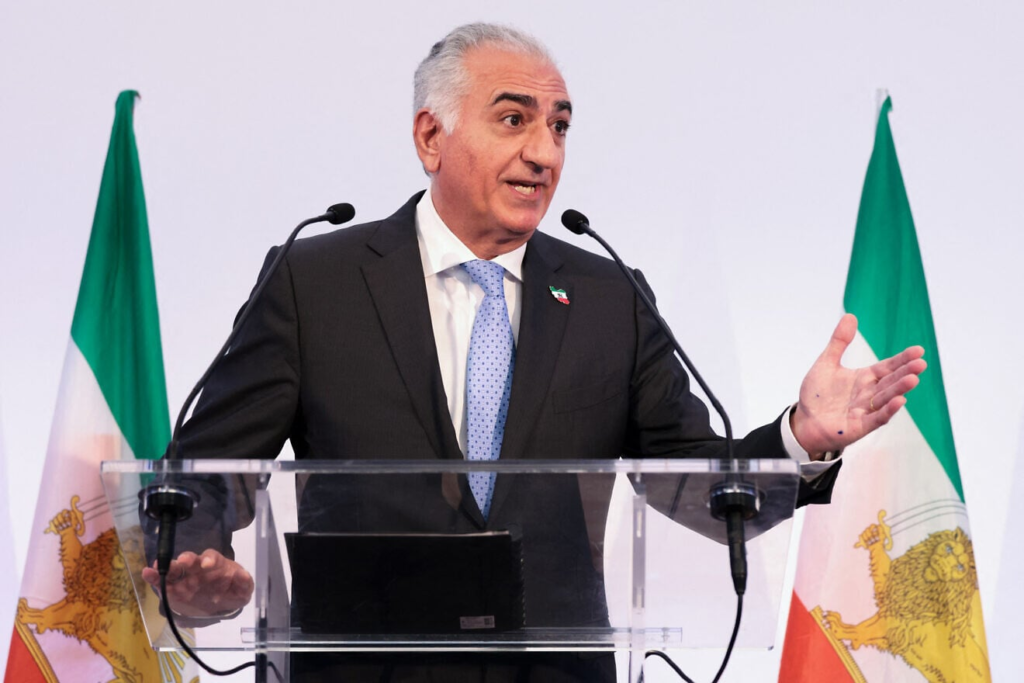
He held press conferences (e.g., Washington, Paris), met officials, and appealed for international pressure. Supporters view him as unifying; critics cite exile disconnect, nostalgia over broad organization, and Israel support alienating some. Regime media portrays him as foreign-backed. Protests remain fragmented, with Generation Z active, but his visibility has grown.
Future Plans if Power is Achieved or Transition Occurs
Reza Pahlavi positions himself as a transitional facilitator, ready to coordinate if regime falls but deferring to Iranians’ choice. Outcomes hinge on protest sustainability, regime response, opposition unity, and geopolitics (e.g., U.S. stance under Trump, regional tensions). Supporters see stabilizing potential; skeptics highlight divisions and historical authoritarian memories.
Reza Pahlavi does not claim an automatic right to permanent rule. He presents himself as a transitional figure to facilitate a shift to secular democracy. His outlined plans (detailed in roadmaps like the Iran Prosperity Project and recent 2026 statements) include:
- Establishing a secular, democratic government respecting human rights, equality, and separation of religion and state.
- Allowing Iranians to decide the governance form (republic or constitutional monarchy) via referendum after transition.
- Acting as a neutral arbiter to oversee free elections, draft a new constitution, and ensure stability in an interim period (e.g., 100-180 days post-collapse).
- Ending support for groups described as terrorist, halting related funding, and cooperating against terrorism, extremism, drug trafficking, and organized crime.
- Normalizing diplomatic ties with the United States, United Kingdom, and others.
- Promoting economic recovery through oil and gas exports, attracting investment, and global integration.
- Maintaining territorial integrity while focusing on peaceful, cooperative regional relations.
In January 2026 statements amid protests, he urged international pressure (e.g., sanctions on elites, information access, diplomat expulsions) to support change without direct military intervention. He has expressed readiness to return and lead a transition if events allow, emphasizing people-driven processes.
Reza Pahlavi remains a symbolic and divisive figure in Iran’s opposition landscape. His historical ties offer continuity for some, while others question his relevance after long exile. Any role would depend on internal developments in Iran. Iran’s trajectory depends on internal dynamics. Reza Pahlavi remains a symbolic figure for some, a polarizing one for others.