(By Khalid Masood)
The Middle East in January 2026 stands at a precarious crossroads, marked by widespread anti-regime protests in Iran, aggressive U.S. rhetoric under President Donald Trump, and lingering fallout from the June 2025 Israel-U.S. strikes on Iranian nuclear and military facilities. Aim of this article to assess the current dynamics, to evaluate the prospects for escalation—including a potential U.S.-Israeli attack aimed at regime change—and to explore the reactions of major powers like China and Russia. It concludes with a strategic overview of Pakistan‘s limited but critical options in this volatile environment.
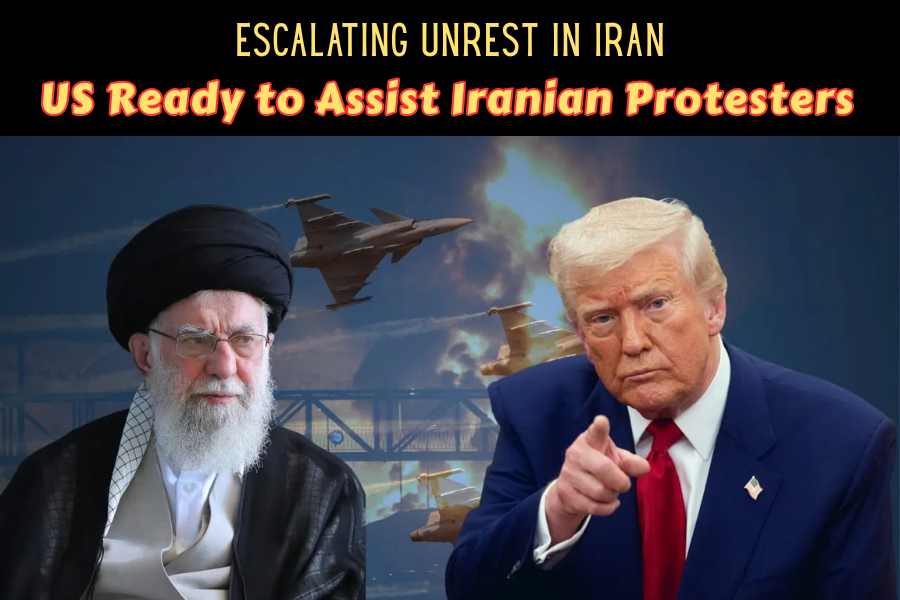
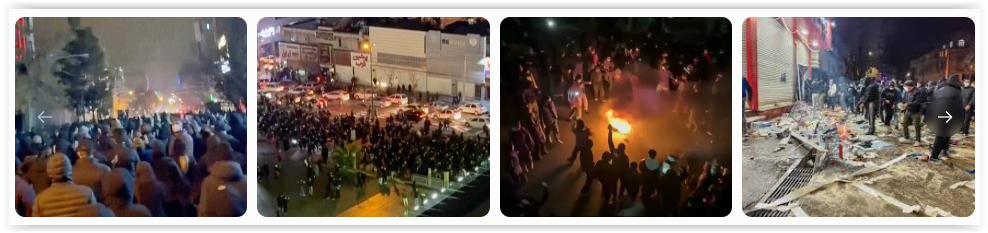
The situation is highly tense but not yet at the point of inevitable full-scale war. Protests, which erupted in late December 2025 over economic hardship, inflation, and regime mismanagement, have escalated into the largest challenge to the Islamic Republic since 2022. Demonstrations have spread nationwide, with calls for the return of the monarchy under Reza Pahlavi, chants against Supreme Leader Ayatollah Ali Khamenei, and defiance despite a severe internet blackout imposed since early January. Human rights groups report dozens of deaths (at least 51 confirmed, including children), hundreds injured, and mass arrests, with security forces using live ammunition. The regime has framed the unrest as foreign-instigated “terrorism” by the U.S. and Israel, while the army and IRGC vow to defend national interests.
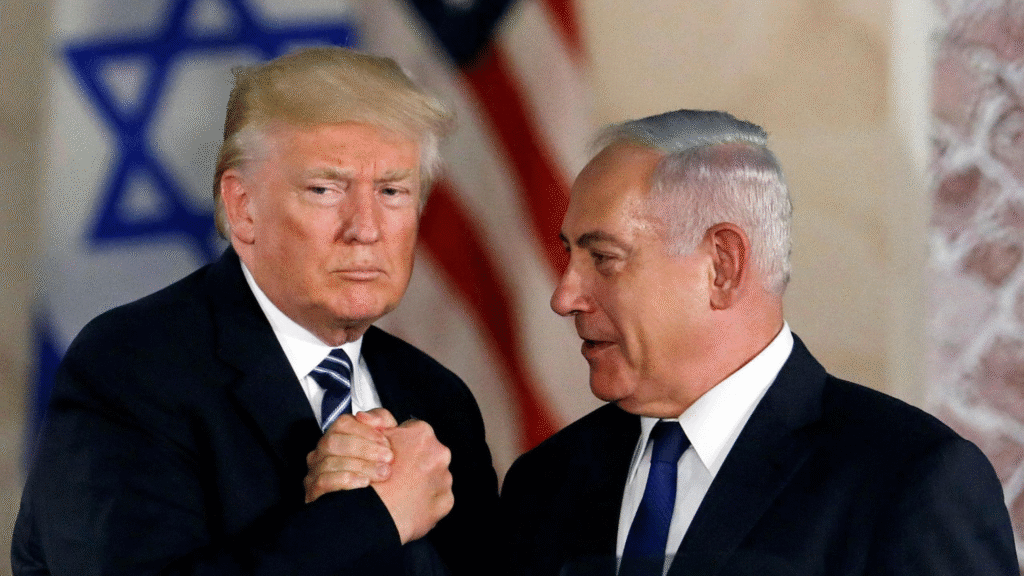
President Trump has been briefed on military options, including potential airstrikes on military or even non-military targets in Tehran, in response to any lethal crackdown. He has publicly declared the U.S. “locked and loaded,” ready to “rescue” protesters, and warned of severe consequences if killings continue. However, U.S. officials stress these are preliminary and contingency-based discussions, with no imminent attack evident—no major troop movements or deployments reported. This rhetoric echoes Trump’s “maximum pressure” approach but risks provoking Iranian retaliation against U.S. bases or Israel.
Russia‘s reported urgent evacuation of embassy staff and families from Israel (multiple flights in early January) appears precautionary, possibly based on intelligence about potential escalation. While not officially confirmed, it signals heightened concern amid fears of spillover from Iran-related tensions.
Key Trump Statements on the Protests
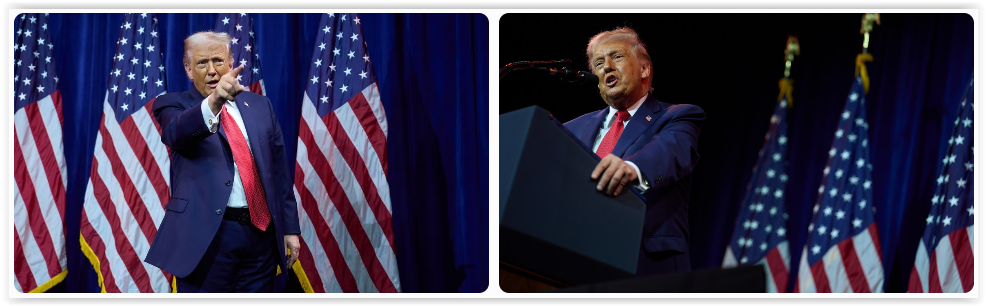
President Trump has repeatedly expressed backing for the protesters. In an early January 2026 Truth Social post (dated January 2), he stated: “If Iran shots and violently kills peaceful protesters, which is their custom, the United States of America will come to their rescue. We are locked and loaded and ready to go.” More recently, amid ongoing unrest and briefings on military options, Trump has affirmed that the USA stands ready to help the people of Iran achieve freedom, framing the protests as a potential turning point for the country.
These remarks build on prior warnings, with Trump indicating openness to a diplomatic deal but readiness for severe action if the regime escalates lethal force against demonstrators.
Implications for the Protesters
For the protesters — who have taken to the streets in cities across all 31 provinces, chanting against economic hardship, inflation, currency collapse, and regime mismanagement, while some call for the return of the monarchy under exiled Reza Pahlavi — Trump’s statements represent a powerful moral and potential material boost.
- Moral Support and Legitimacy: The explicit endorsement from the U.S. president signals international recognition of their grievances as legitimate, countering the regime’s narrative of foreign-instigated “terrorism” or “vandals.” This can embolden demonstrators, encouraging persistence despite risks of arrest, injury, or death (human rights groups report dozens to hundreds killed, including children, with thousands injured or detained).
- Hope for External Assistance: Phrases like “come to their rescue” and “stands ready to help” raise expectations of possible non-military aid (e.g., bolstering internet access via satellites, as in past protests, or targeted sanctions on regime figures) or, in extreme scenarios, direct intervention if mass killings occur. This could sustain momentum, especially as protests defy crackdowns and spread.
- Risks: Heightened expectations might lead to greater defiance, potentially provoking a fiercer regime response to prevent perceived foreign-backed success.
Implications for the Iranian Government
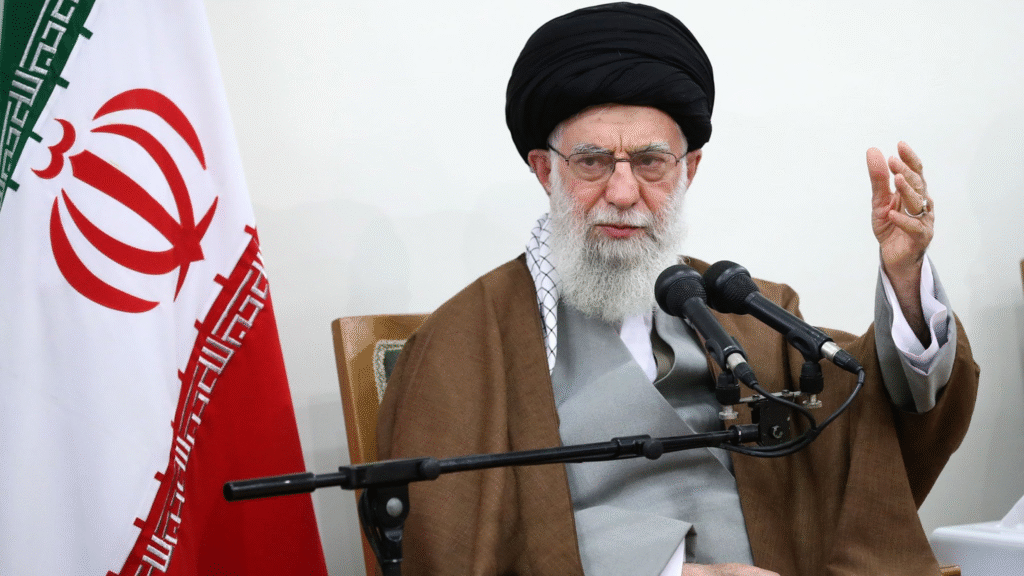
For the Iranian regime, led by Supreme Leader Ayatollah Ali Khamenei and enforced by the IRGC and security forces, Trump’s words constitute a direct challenge and perceived threat to sovereignty.
- Perceived as Interference and Threat: Iranian officials have condemned the statements as “reckless,” “dangerous,” and a violation of international law, warning that any U.S. intervention would make American bases, forces, and allies (including Israel) “legitimate targets.” Parliament Speaker Mohammad Bagher Ghalibaf and others have vowed retaliation, framing U.S. support as evidence of foreign orchestration of the unrest.
- Internal Pressure and Defiance: The rhetoric reinforces the regime’s narrative of external enemies (U.S./Israel) fueling chaos, potentially justifying harsher crackdowns to maintain control. Khamenei has vowed not to back down, calling protesters saboteurs, while the military pledges to defend infrastructure and national interests. This could unify hardliners but risks further alienating the population if violence escalates.
- Strategic Dilemma: The statements increase the stakes for any lethal suppression — crossing Trump’s “red line” could trigger U.S. (or joint U.S.-Israeli) action, from sanctions/escalated cyber operations to airstrikes. Yet backing down might signal weakness amid internal fragility post-2025 nuclear strikes and proxy losses.
Broader Context and Assessment
Trump’s rhetoric aligns with his “maximum pressure” approach, combining warnings with contingency planning (including briefings on strike options). However, U.S. officials emphasize these are preliminary, with no imminent action or major troop shifts reported. The protests, rooted in genuine economic despair (inflation over 40%, food prices soaring), have evolved into a significant challenge, but the regime has historically survived similar waves through repression.
Major powers like China and Russia would likely limit responses to diplomatic condemnation and economic/diplomatic support for Iran if escalation occurs, avoiding direct involvement. Pakistan, with its shared border, would prioritize neutrality, border security, and economic hedging.
Overall, Trump’s declaration that the USA stands ready to help the people of Iran amplifies global attention on the crisis, offering hope to protesters while heightening risks for the regime — but it stops short of committing to specific actions, leaving the situation dynamic and unpredictable. De-escalation through restraint, humanitarian access, and addressing economic roots remains the least risky path forward.
The Path to Potential U.S.-Israeli Attack and Regime Change
A direct U.S.-Israeli military operation targeting regime change remains a high-risk contingency rather than an immediate certainty. The 2025 strikes already degraded Iran’s nuclear program and proxies (e.g., Hezbollah weakened, Assad’s fall in Syria), but they stopped short of toppling the regime. Current protests offer a window: internal unrest could create chaos exploitable by external force, potentially leading to leadership decapitation strikes, infrastructure targeting, or support for opposition forces.
However, regime change via military means is fraught with challenges. Iran’s leadership has survived worse (e.g., 2019 protests, 2022 Mahsa Amini uprising), and a severe crackdown—possibly involving the Artesh (regular army) alongside IRGC—could suppress the movement. Any attack risks unifying Iranians behind the regime, triggering asymmetric retaliation (missiles on U.S. bases, proxy attacks via remaining networks like Houthis), or broader regional war. Trump’s team emphasizes no final decision, suggesting diplomacy (e.g., a “deal”) remains an option if Iran halts rebuilding nuclear/missile capabilities.
Likely Reactions of China and Russia to a U.S.-Israeli Attack for Regime Change
China and Russia, Iran’s key partners in an “eastward pivot,” have historically provided limited but symbolic support—economic lifelines via oil purchases (China) and arms/diplomatic cover (Russia). In the June 2025 war, both condemned strikes but offered no direct military aid, reflecting pragmatic restraint.
- China would likely respond with strong diplomatic condemnation, framing U.S./Israeli actions as hegemonic aggression violating sovereignty and risking globalization. Beijing would push for UN Security Council resolutions calling for ceasefires and de-escalation, while accelerating oil imports from Iran to offset sanctions. However, analysts expect no significant defense support—China prioritizes economic stability, avoids direct confrontation with the U.S., and views Iran’s regime as opportunistic rather than indispensable. A full regime collapse could disrupt energy flows (Iran supplies a portion of China’s imports), but Beijing might hedge by engaging a post-regime government or pushing for stability via mediation.
- Russia would issue sharper warnings, portraying intervention as Western imperialism threatening multipolarity. Moscow might provide intelligence, diplomatic backing, or limited arms (e.g., air defense systems), but not direct intervention—its resources are stretched by Ukraine, and Iran’s poor military performance in 2025 exposed Russian systems’ vulnerabilities. Russia fears a pro-Western Iran disrupting its regional influence (e.g., in Syria) and could intensify ties with remaining allies. Evacuations from Israel suggest Moscow anticipates escalation but prefers de-escalation to avoid overextension.
Both powers would likely limit responses to rhetoric, economic/diplomatic maneuvers, and UN maneuvering—avoiding kinetic involvement that could draw them into direct U.S. conflict. Their “limits of alignment” with Iran were evident in 2025; regime change would accelerate hedging toward Gulf states or new balances.
Options Available to Pakistan in This Volatile Situation
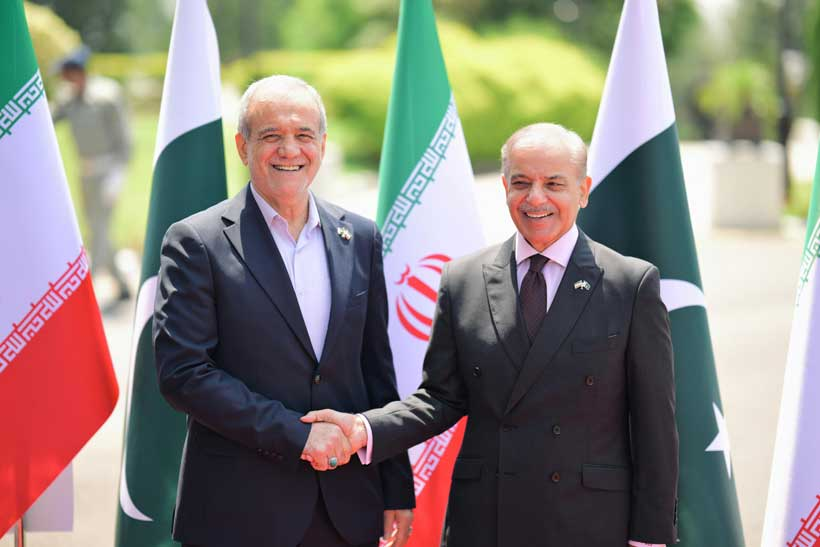
Pakistan, sharing a 900+ km border with Iran and maintaining historical ties (including past military cooperation), faces acute risks from escalation. Instability could spill over via Baloch insurgents, refugee flows, or economic shocks (e.g., disrupted trade, energy). Pakistan has condemned Israeli strikes on Iran in the past and urged Muslim unity, but it rejects nuclear escalation rumors.
Key strategic options:
- Diplomatic Neutrality and Mediation — Maintain “strategic clarity” by calling for de-escalation, supporting Iran’s sovereignty in forums like the OIC/UN, while quietly engaging the U.S. to prevent spillover. Offer back-channel mediation if protests evolve, leveraging cultural/religious ties.
- Border Security Prioritization — Bolster defenses along the Iran border to counter militants (e.g., Jaish al-Adl) exploiting chaos. Avoid fresh military coordination with Iran to prevent U.S. backlash.
- Economic Hedging — Diversify energy sources away from potential Iranian disruptions; strengthen ties with Gulf states (Saudi Arabia, UAE) for aid/investment. Engage China via CPEC to offset risks.
- Nuclear Posture Restraint — Firmly deny any role in Iran’s defense (e.g., no nuclear umbrella rumors). Publicly reaffirm deterrence is defensive, avoiding entanglement.
- Worst-Case Contingency — Prepare for refugee influxes or proxy instability; quietly monitor U.S./Israeli moves that could indirectly threaten Pakistan (e.g., speculation about post-Iran focus on nuclear programs).
Pakistan’s best path is cautious balancing—avoiding alignment with any side while protecting core interests. Direct involvement risks devastating sanctions or conflict.
Conclusion: A Volatile but Manageable Brink
As of January 11, 2026, the Middle East teeters on escalation’s edge, driven by Iran’s internal crisis and Trump’s warnings. Yet preliminary planning does not equal inevitability—diplomatic off-ramps exist, and major powers like China/Russia prioritize restraint. Regime change via force remains a gamble with potentially catastrophic blowback.
For global stability, de-escalation through monitored ceasefires, humanitarian access, and economic incentives offers the most viable path. The Iranian people’s legitimate grievances demand attention, but external military adventurism risks prolonging suffering rather than resolving it. Vigilance, not panic, is the prudent stance in this dynamic theater.