(By Khalid Masood)
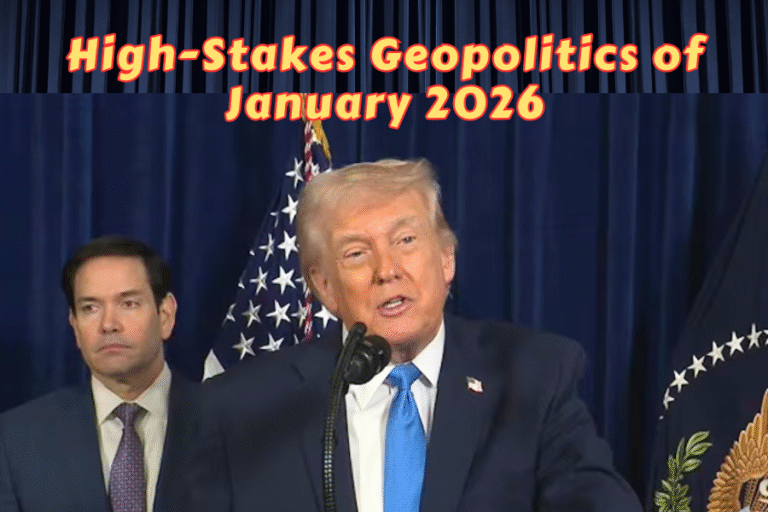
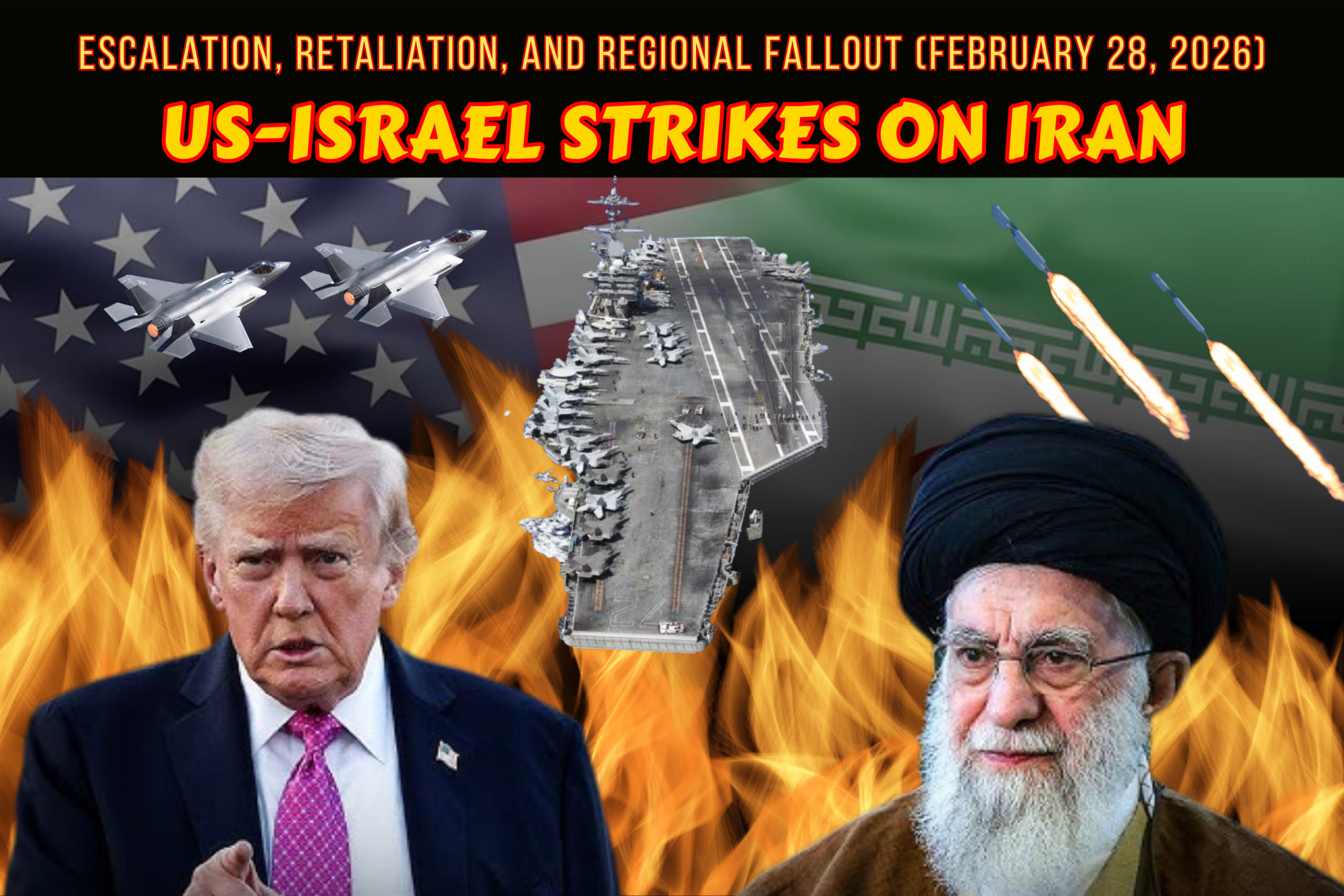
On February 28, 2026, the Middle East entered a new and dangerous phase of conflict when the United States and Israel launched coordinated military strikes against Iran. What began as reported preemptive actions quickly escalated into exchanges of fire across borders and into multiple countries. President Donald Trump described the operation as “major combat operations,” while Israeli officials framed their involvement as necessary to neutralize existential threats. Iran responded with waves of ballistic missiles and drones targeting Israel and U.S. military facilities in the Gulf region.
This event marks a significant escalation beyond previous confrontations, including a reported 12-day air war in June 2025. The strikes and counterstrikes have disrupted air travel, raised fears of broader regional involvement, and prompted urgent international calls for de-escalation. As developments unfold rapidly—with ongoing military activity reported into the evening hours in the region.
Background Leading to the Strikes
Tensions between Iran, the United States, and Israel have simmered for decades, centered on Iran’s nuclear program, ballistic missile development, and support for regional proxies. In recent months, the situation intensified following stalled diplomatic efforts.
Negotiations in Geneva in late February 2026, mediated in part by Oman, aimed to address U.S. concerns over Iran’s uranium enrichment and nuclear infrastructure. Reports indicate the talks achieved some “significant progress” but ultimately collapsed. The United States demanded that Iran halt all enrichment activities, dismantle key facilities, and ship enriched uranium abroad—conditions Iran rejected as unacceptable infringements on its sovereignty and rights under international agreements.
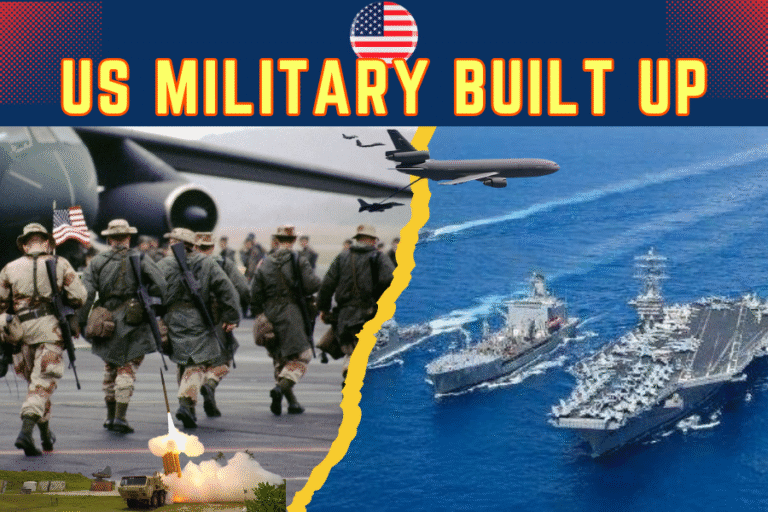
The U.S. had been building up military assets in the region for weeks, including additional carrier strike groups, fighter jets, and warships—the largest such deployment since the 2003 Iraq invasion. Joint planning with Israel reportedly spanned several months. President Trump had publicly warned of severe consequences if no agreement was reached, framing the potential action as defensive against an “imminent threat” from Iran’s nuclear ambitions and missile capabilities.
Iran, for its part, maintained that its nuclear program was peaceful and that ballistic missiles were a legitimate means of self-defense. Supreme Leader Ayatollah Ali Khamenei and other officials had repeatedly dismissed U.S. demands as “illogical” and provocative.
The Operation: What Happened on February 28
The strikes commenced early on February 28, with Israel announcing a “preemptive strike” to remove threats to its security. The U.S. soon confirmed its participation, with President Trump releasing a video statement on Truth Social declaring the start of “major combat operations” in Iran. The Pentagon referred to the U.S. component as “Operation Epic Fury,” while Israeli sources used terms like “Roaring Lion.”
Targets included military and nuclear-related sites across at least nine locations, such as Tehran, Isfahan, Natanz, Fordow, Qom, Karaj, and Kermanshah. Reports described multiple waves of airstrikes involving fighter jets targeting ballistic missile launchers, air defense systems, IRGC command centers, the Ministry of Defense, and leadership compounds.
Israeli officials stated that strikes hit sites where senior political and military figures were gathered, aiming to disrupt command structures. U.S. officials emphasized efforts to degrade Iran’s nuclear infrastructure and missile programs. Explosions and plumes of smoke were visible in Tehran and other cities, with satellite imagery showing damage near high-security compounds, including one associated with the Supreme Leader.
Conflicting information emerged regarding leadership casualties. Some Israeli media and officials suggested Supreme Leader Ayatollah Ali Khamenei was targeted and possibly affected, with reports of him being “cut off from contact.” However, Iran’s Foreign Minister Abbas Araghchi stated in interviews that Khamenei and President Masoud Pezeshkian were “alive, as far as I know.” Other senior figures, including IRGC commanders and defense officials, were reported killed in targeted strikes.
Iran’s Retaliation
Iran’s response was swift and widespread. The Islamic Revolutionary Guard Corps announced operations involving ballistic missiles and drones, describing them as part of ongoing reprisals. Barrages targeted Israel directly, with dozens of missiles launched in multiple waves. Israeli air defenses intercepted most, but sirens sounded nationwide, and reports noted minor injuries—around 89 people treated for light wounds, including from shrapnel or blast effects.
Simultaneously, Iran struck U.S. military facilities in several Gulf countries hosting American forces: Bahrain (U.S. Fifth Fleet headquarters), Qatar (Al Udeid Air Base), UAE (Al Dhafra Air Base and areas near Dubai/Abu Dhabi), Kuwait (Ali Al Salem Air Base), Jordan, and others. Explosions and interceptions were reported in cities like Dubai, Doha, and Manama. Most projectiles were intercepted by regional and U.S. defenses, but debris caused at least one fatality in the UAE (a Pakistani national killed by falling shrapnel). Damage to infrastructure occurred at some bases, though no major U.S. casualties were immediately confirmed.
Iranian officials vowed a “crushing” and “relentless” continuation until the “enemy is decisively defeated,” declaring all U.S. and Israeli interests legitimate targets.
Humanitarian and Civilian Impact
Civilian suffering has been a tragic aspect of the day’s events. Iran reported that strikes hit civilian sites, including a girls’ elementary school in Minab, southern Hormozgan province. State media and officials cited death tolls ranging from 51 to over 85 killed, with dozens wounded—figures that varied across sources and remained unverified independently. Other reports mentioned strikes affecting schools or residential areas in Tehran.
In Israel, injuries were limited and mostly light, with no confirmed fatalities from direct hits. Gulf states reported disruptions, panic, and people seeking shelter amid missile alerts and interceptions.
Broader humanitarian effects include widespread panic in Tehran, heavy traffic as residents sought safety, internet restrictions, and the closure of airspace across Iran, Israel, and several Gulf countries. International flights faced major disruptions, stranding passengers and rerouting routes.
International Reactions and Statements
Reactions varied sharply. President Trump, in statements and a video address, urged Iranians to “take over your government” for “freedom,” warning citizens to stay sheltered while promising that the operation would create conditions for change. He framed the strikes as defensive and necessary to eliminate threats.
Israeli Prime Minister Benjamin Netanyahu emphasized the joint effort’s aim to remove existential dangers and suggested it would last “as long as needed.” Gulf states hosting U.S. bases condemned Iranian attacks on their territory, with Qatar describing them as a “flagrant violation.” Some, like the UAE and Bahrain, reported successful interceptions but expressed concern over escalation.
Globally, the UN Security Council scheduled an emergency meeting. The UK, France, Germany, and others called for restraint and a return to diplomacy. Some nations, including Canada and Australia, appeared more supportive of the U.S.-Israeli position, while others criticized the action as bypassing multilateral processes.
Iran denounced the strikes as aggression and a breach of the UN Charter, vowing no leniency in its response.
Potential Implications and Risks
The conflict carries significant short- and long-term risks. Military sources indicate U.S. planning for multi-day operations, suggesting the possibility of sustained strikes. Further Iranian missile barrages or activation of proxies could widen the fighting.
Economically, any disruption to the Strait of Hormuz—a critical oil chokepoint—could spike global energy prices and affect supply chains. Regional stability is threatened, with fears that Gulf states could be drawn in more deeply despite efforts to limit involvement.
Analysts note the high uncertainty: the strikes aim to degrade capabilities and pressure the regime, but history shows such actions can harden resistance, rally domestic support for leadership, or lead to prolonged instability. No clear endgame has emerged, raising questions about whether escalation might force new negotiations or seed longer-term hatreds and reprisals.
Conclusion
February 28, 2026, has seen direct military confrontation between major powers in the Middle East, with profound human, strategic, and economic stakes. The joint U.S.-Israeli operation and Iran’s retaliation have plunged the region into uncertainty, with active exchanges continuing and the potential for further escalation.
While the full scope of damage, casualties, and strategic outcomes remains unclear amid fast-moving reports, the human cost is already evident in civilian deaths, injuries, and widespread fear. Diplomatic off-ramps—though challenging—remain essential to prevent a broader war.