(By Khalid Masood)
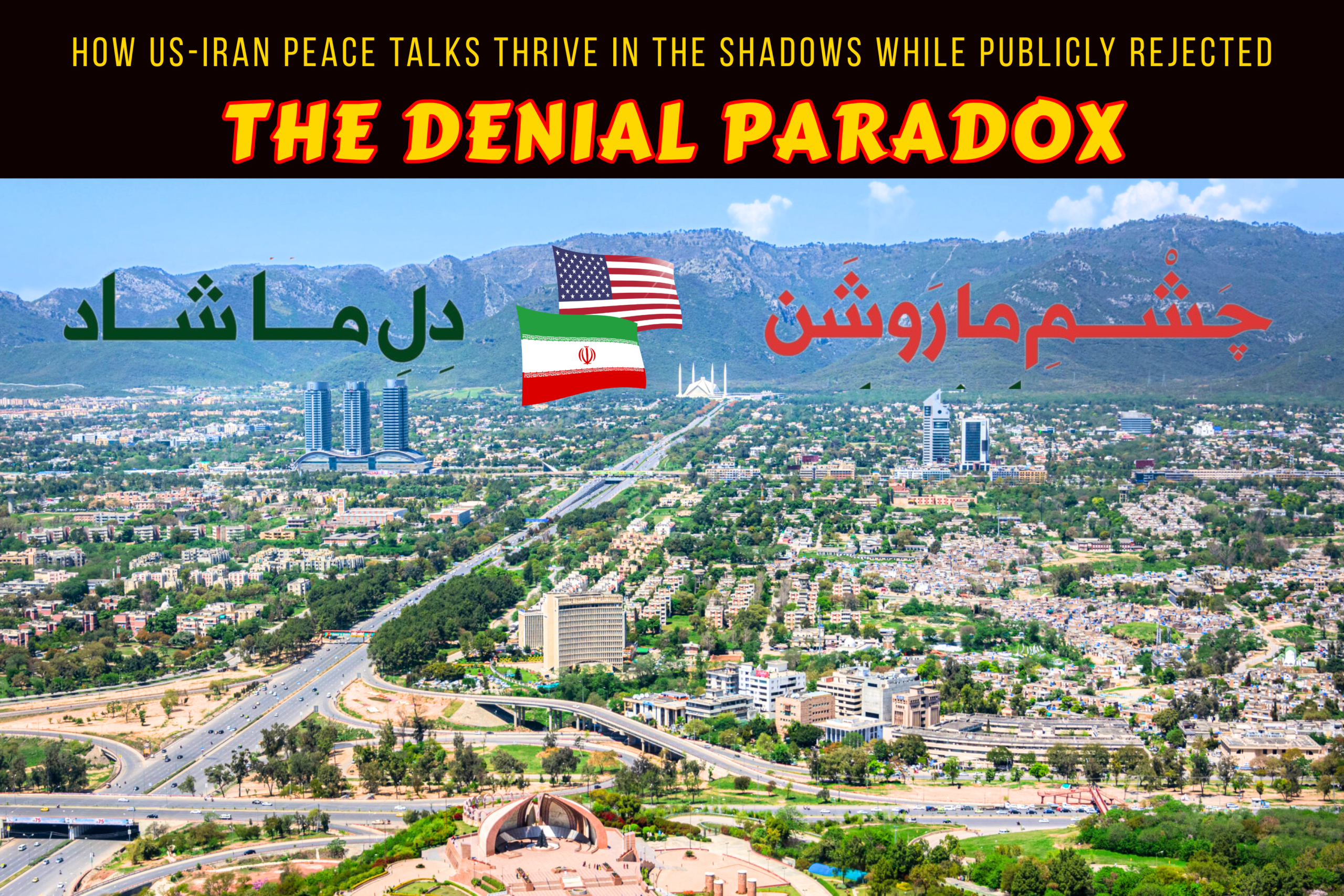
In the high-stakes arena of international diplomacy, silence is often louder than a press conference. This week, the world witnessed a striking contradiction: while Washington hinted at “significant progress” in de-escalating tensions with Tehran, Iranian officials categorically dismissed the claims as “psychological warfare” and a “bluff.” To the casual observer, it looks like a diplomatic deadlock. But to seasoned analysts, it looks like business as usual.
The reality of US-Iran relations in 2026 is not defined by what is said at the podium, but by what is whispered in backchannels. Behind the wall of public denials, a quiet machinery of negotiation is turning, facilitated by unlikely intermediaries and driven by a mutual, unspoken fear of regional escalation. This is the story of the shadow diplomacy keeping the Middle East from tipping into wider conflict. This analysis is based on verified diplomatic reporting, statements from regional foreign ministries, and confirmed backchannel activities as of March 2026۔
The Public Face: A Wall of Denial
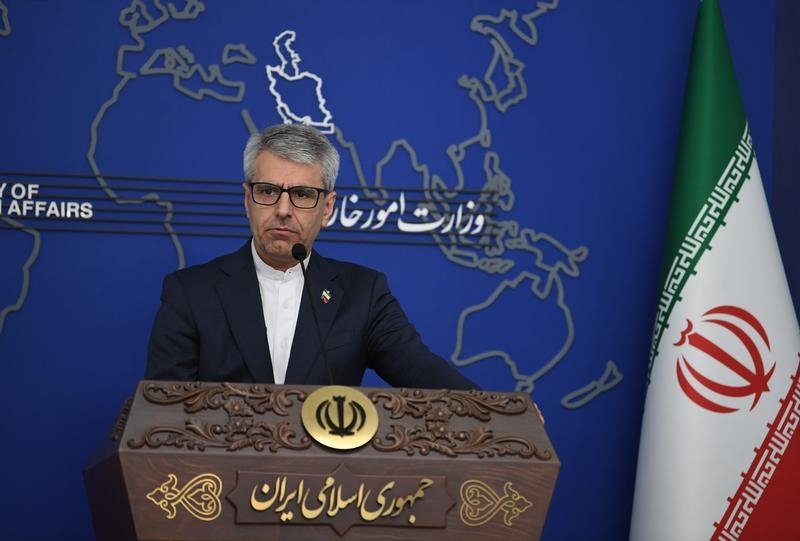
The public posture of the Islamic Republic of Iran remains uncompromising. Following recent statements from the White House suggesting that “very good talks” were underway, Iranian Foreign Minister Abbas Araghchi swiftly countered, stating there were “no negotiations” with the United States. State media in Tehran echoed this sentiment, framing any suggestion of dialogue as an American attempt to project strength ahead of domestic political cycles.
This denial serves a critical domestic function. For the Iranian leadership, particularly the hardline factions within the Revolutionary Guards (IRGC), being seen as capitulating to US pressure is politically toxic. Acknowledging talks would invite accusations of weakness from domestic rivals and could destabilize the government’s standing among its base. Therefore, the public script must remain one of defiance.
On the American side, the rhetoric is equally calibrated. While US envoys have hinted at engagement, the White House maintains a posture of “maximum pressure” alongside diplomacy. Officials emphasize that military operations continue “unabated,” signaling that diplomacy is not a sign of retreat but a parallel track to secure interests. This dual-track approach allows Washington to negotiate without appearing soft, preserving leverage while keeping the door ajar for de-escalation.
The result is a media fog where conflicting headlines obscure the truth. Markets react to tweets, and regional allies grow anxious over mixed signals. Yet, beneath this noise, the actual work of diplomacy is proceeding quietly.
The Private Reality: Oman and Pakistan Channels
If there are no talks, why are messages being exchanged? Multiple diplomatic sources confirm that while direct face-to-face meetings between US and Iranian officials remain off the table, indirect negotiations are active and ongoing.
The Oman Channel
Muscat has long served as the Swiss Alps of Middle East diplomacy. In early February 2026, Omani diplomats hosted a series of discreet exchanges where US envoys, including Steve Witkoff and Jared Kushner, relayed proposals to Iranian counterparts via Omani intermediaries. These meetings, also replicated in Geneva later in the month, focused on technical issues: uranium enrichment limits, sanctions relief mechanisms, and guarantees for regional shipping lanes. The Omani model is simple: no photos, no handshakes, just the transfer of written proposals and verbal responses.
The Pakistan Connection
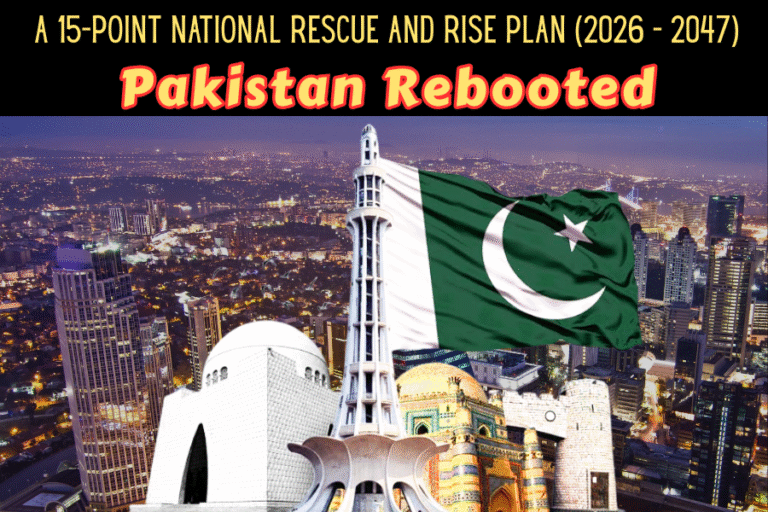
Perhaps more significant is the emerging role of Pakistan. In a development that highlights shifting regional dynamics, Islamabad has become a critical conduit for communication. Reports indicate that a comprehensive 15-point US ceasefire proposal was delivered to Tehran through Pakistani channels. This document reportedly covers sanctions relief, civilian nuclear cooperation, and a framework for regional de-escalation.
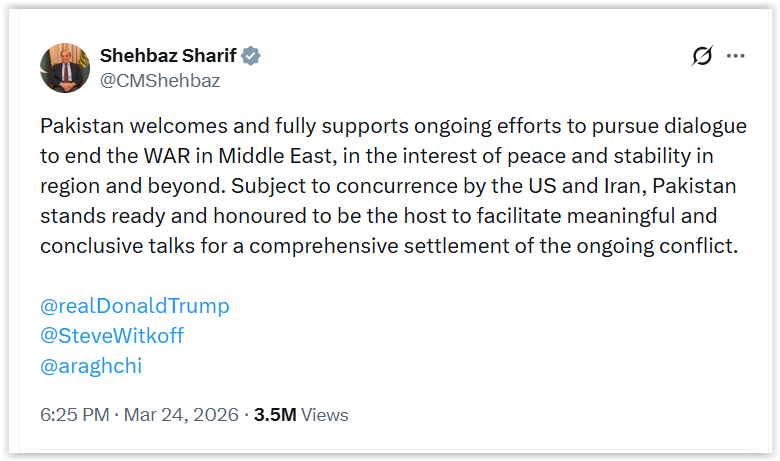
The involvement of Pakistan’s Inter-Services Intelligence (ISI) chief, Lt. Gen. Asim Malik, underscores the seriousness of this channel. General Malik has been in direct contact with US special envoys, facilitating the flow of information that official state departments cannot handle publicly. Furthermore, Prime Minister Shehbaz Sharif has publicly offered Islamabad as a neutral venue for potential future talks, stating Pakistan is “ready and honoured to be the host.” While Tehran has not confirmed acceptance, the offer itself signals a willingness to keep the option open.
Why Pakistan? The Strategic Logic
Why is Pakistan, a nation often grappling with its own internal security challenges, becoming a key broker? The answer lies in its unique geopolitical positioning.
First, geographic proximity. Pakistan shares a 900-kilometer border with Iran. Stability in Iran is directly linked to security in Pakistan’s Balochistan province. Islamabad has a vested interest in preventing conflict on its western border, giving it credibility as a stakeholder rather than just an observer.
Second, balanced relationships. Unlike many Gulf states, Pakistan maintains working ties with both Washington and Tehran. It is a major non-NATO ally of the United States with deep military-to-military engagement, yet it shares religious and cultural ties with Iran and relies on it for energy security. This balance allows Pakistan to speak to both sides without being immediately dismissed as a puppet of the other.
Third, nuclear credentials. As a Muslim-majority nuclear state, Pakistan carries unique weight on non-proliferation discussions. When Pakistani officials discuss nuclear safeguards with Iran, it comes from a place of shared technical understanding and regional responsibility, rather than Western imposition.
Finally, regional coordination. Pakistan is not acting alone. Recent coordination meetings with Saudi Arabia, Egypt, and Turkiye suggest a unified regional approach. Pakistan’s role is bolstered by its strategic defense pact with Saudi Arabia, signed in late 2025, giving it the backing of the Gulf’s leading power when it engages with Tehran.
The Logic of Secrecy: Why Deny?
If talks are happening, why not announce them? In high-stakes diplomacy involving adversarial states, secrecy is a feature, not a bug.
Plausible Deniability
Backchannels allow both sides to explore compromise without committing. If a proposal leaks and fails, both Washington and Tehran can deny it ever existed, saving face. This flexibility is crucial when trust is nonexistent.
Domestic Politics
As noted, Tehran cannot afford to look weak. Similarly, in Washington, any administration faces criticism for engaging with Iran. By keeping talks informal, leaders can gauge viability before risking political capital on a formal announcement.
Security
Publicizing negotiations can invite sabotage. Hardline factions within either government, or regional spoilers such as proxy militias, may attempt to derail talks through provocations. Secrecy protects the process from external interference.
Sticking Points and Risks
Despite the activity, a breakthrough is far from guaranteed. Significant hurdles remain.
The Nuclear Red Line
The US continues to demand that Iran halt uranium enrichment entirely and dismantle related infrastructure. Iran rejects this as an infringement on its sovereign rights under the Nuclear Non-Proliferation Treaty (NPT). Bridging this gap requires creative wording that allows Iran to save face while satisfying US security concerns—a task that has eluded diplomats for decades.
Regional Conflict
Diplomacy in a vacuum is easy; diplomacy amidst conflict is not. Ongoing tensions involving proxy groups in Lebanon, Yemen, and Iraq mean that a single rocket attack could derail months of quiet progress. The US emphasis that military operations continue “unabated” reminds Tehran that the threat of force remains on the table.
The “Ripeness” Factor
Mediation only works when both sides feel enough pain to compromise. Analysts caution that if either Washington or Tehran believes they can achieve their goals through pressure rather than negotiation, talks will stall. The current calculus suggests both sides are testing whether the other is ready to bend.
Israeli Skepticism
Regional allies play a crucial role. Israeli leadership has expressed reservations about third-party mediation that might lift pressure on Iran without concrete guarantees. Consensus among US allies is necessary for any deal to hold, and that consensus is fragile.
Conclusion: Silence as Strategy
The current state of US-Iran relations is a testament to the complexity of modern diplomacy. The public denials from Tehran are not necessarily a rejection of peace, but a shield to protect the process. The involvement of Pakistan and Oman signals a regional desire to prevent escalation, even if global powers remain at odds.
For observers, the lesson is clear: do not watch the press conferences; watch the movements. Monitor the flight logs of diplomatic envoys, track the statements of Omani and Pakistani foreign ministries, and watch for subtle shifts in military posture or sanctions enforcement. These are the true indicators of progress.
In the end, peace is rarely made in the spotlight. It is forged in the shadows, through uncomfortable compromises and quiet conversations between enemies who refuse to admit they are talking. As long as the backchannels remain open, there is hope. But as long as the public denials continue, the world must remain vigilant. The path to stability is narrow, and it is being walked in the dark.