(By Ayesha Mahnoor)
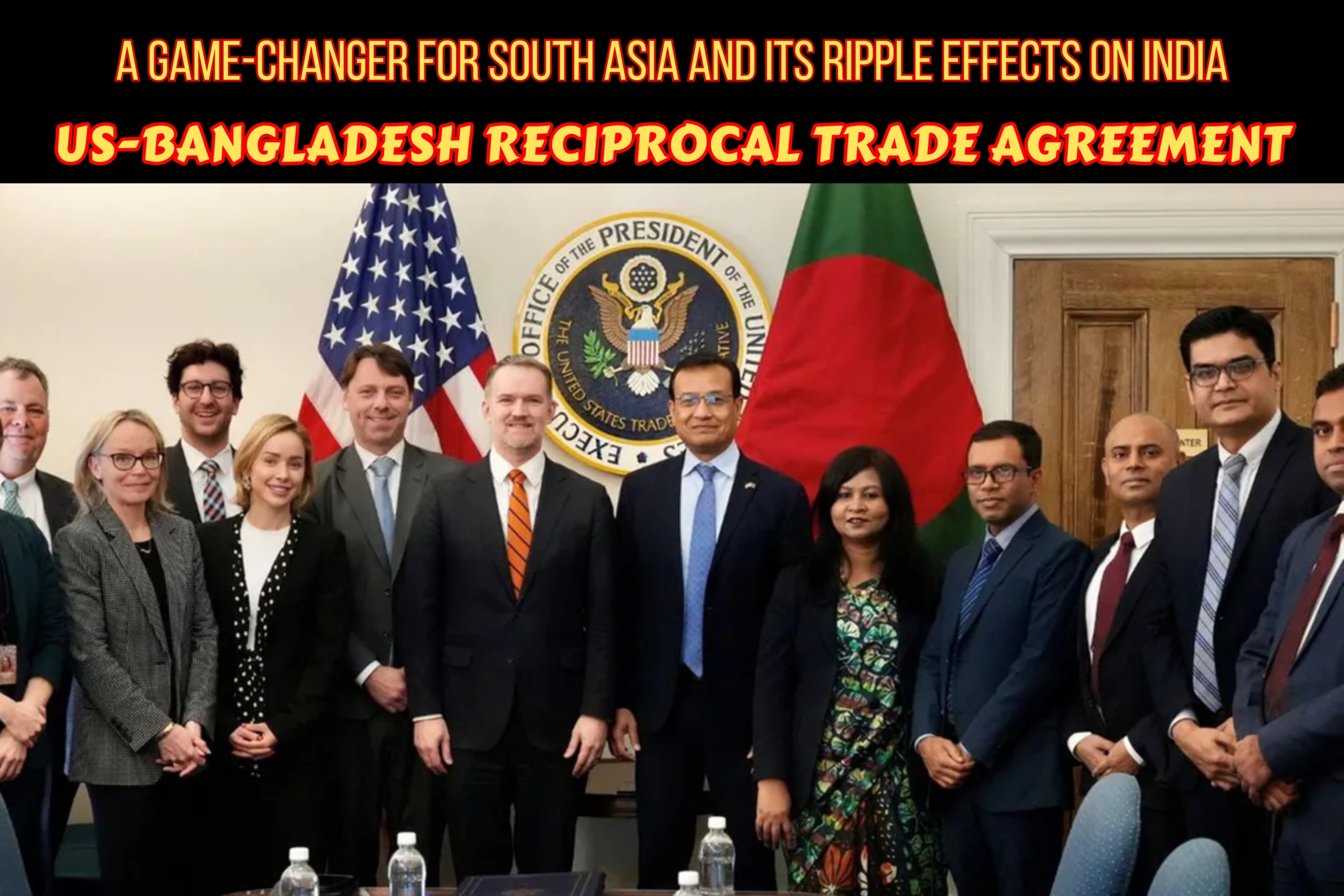
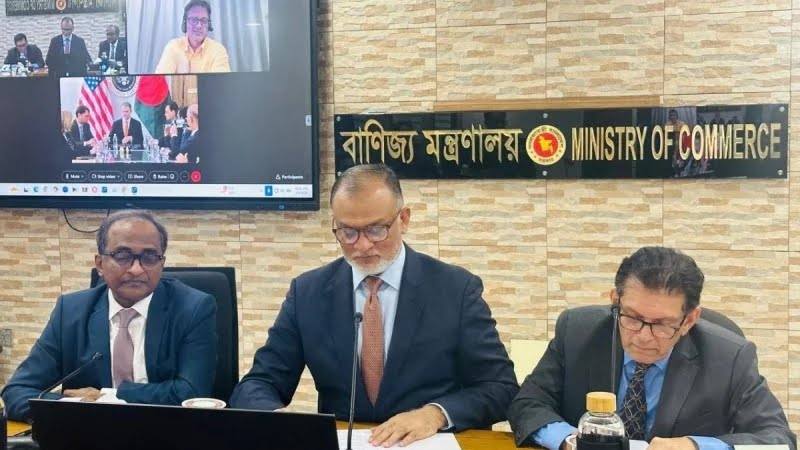
The US-Bangladesh Agreement on Reciprocal Trade, signed on February 9, 2026, represents a pivotal moment in bilateral economic relations amid the Trump administration’s aggressive push for reciprocal tariffs. This legally binding pact, finalized just days before Bangladesh’s national elections on February 12, 2026, under the interim government led by Chief Adviser Muhammad Yunus, builds on the 2013 Trade and Investment Cooperation Forum Agreement (TICFA) while addressing the US’s broader “reciprocal trade” strategy.
Background: The Rise of Reciprocal Tariffs in the Trump Era
In his second term, President Donald J. Trump revived and expanded reciprocal tariff policies, invoking authorities like the International Emergency Economic Powers Act (IEEPA) to impose tariffs aimed at correcting perceived trade imbalances. Executive Order 14257 (April 2, 2025) introduced baseline reciprocal tariffs on various countries, including an initial 37% on Bangladesh. Negotiations reduced this to 20% by August 2025, providing temporary relief to Bangladesh’s export-dependent economy.
The February 2026 agreement further trims the general reciprocal tariff on originating Bangladeshi goods to 19%, with exemptions for select products. In exchange, Bangladesh grants significant preferential market access to US goods and commits to substantial purchases. This fits a pattern: similar deals were struck with Malaysia and Cambodia (October 2025), El Salvador (January 2026), Guatemala (January 2026), and Argentina (February 2026).
The deal’s timing—amid Bangladesh’s political transition following events since mid-2024—has drawn scrutiny, with critics questioning if it ties economic relief to geopolitical alignment ahead of elections.
Core Provisions of the Agreement
The agreement emphasizes reciprocity, market access, and alignment on standards.
- Tariff Reductions and Exemptions: The US applies a 19% reciprocal tariff on most Bangladeshi imports (down from 20%). Select items from Annex III lists (under Executive Order 14346, September 2025) qualify for 0% reciprocal tariff, including certain pharmaceuticals and aerospace goods. The standout feature: a mechanism for zero reciprocal tariff on specified volumes of Bangladeshi textiles and apparel made with US-produced cotton or man-made fibers. This operates via a tariff-rate quota or proportional system—duty-free access scales with Bangladesh’s purchases of US raw materials.
- Bangladesh’s Market Access Commitments: Bangladesh provides preferential (often reduced or zero) duties on US exports in key sectors: chemicals, machinery, medical devices, motor vehicles and parts, ICT equipment, energy products (e.g., LNG), soy, dairy, beef, poultry, tree nuts, and fruits. Non-tariff barriers are addressed, including streamlined import licensing, acceptance of US/international standards for conformity assessment, and science-based sanitary/phytosanitary measures.
- Purchase Obligations: Bangladesh commits to long-term buys, including ~$15 billion in US energy products over 15 years and significant agricultural volumes. Reports indicate commitments like 14 Boeing aircraft purchases.
- Broader Alignments: Provisions cover labor rights, environmental protections, intellectual property, anti-corruption, data transfer, and supply chain resilience—reflecting US priorities for economic and national security.
The agreement enters force 60 days after domestic procedures, with enforcement mechanisms allowing the US to reimpose higher tariffs for noncompliance.
Benefits for Bangladesh and the US
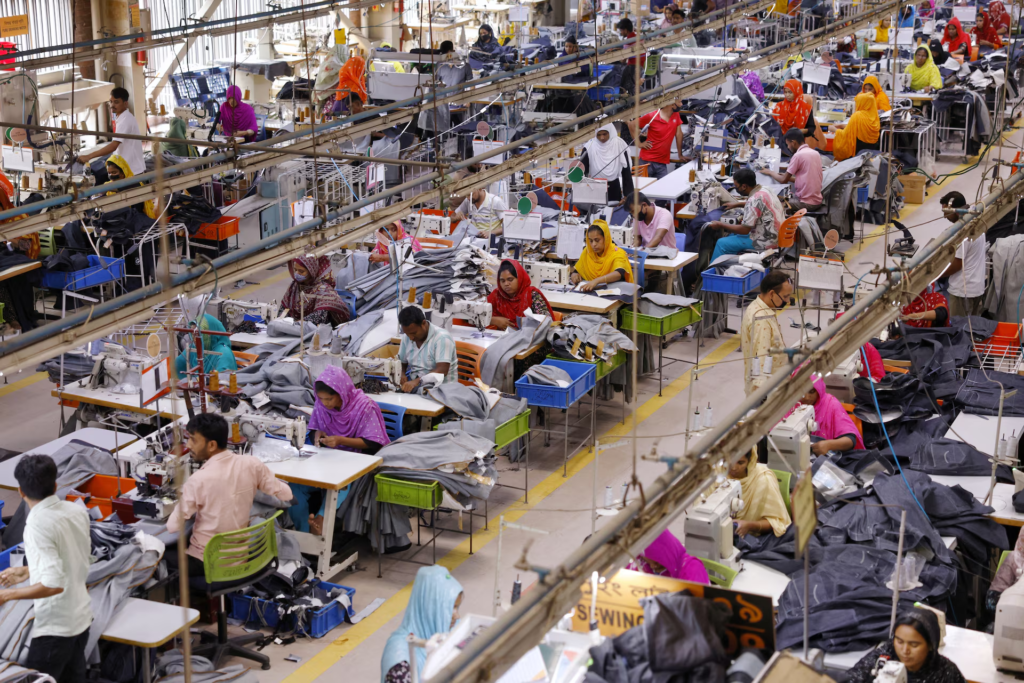
For Bangladesh, the deal stabilizes its vital garment sector (80%+ of exports, with the US as a top market). The modest 1% cut and zero-tariff window for US-sourced inputs offer breathing room from earlier threats. Yunus called it a “game changer,” potentially boosting competitiveness in cotton-heavy apparel (e.g., T-shirts, knitwear). It also secures Boeing aircraft and energy supplies amid economic pressures.
For the US, it opens Bangladesh’s 175-million-person market to American exporters, supports farmers (cotton, soy) and energy firms, and ties trade to strategic alignment—reducing reliance on non-aligned suppliers.
Critics in Bangladesh note the “steep cost”: heavy purchase commitments and potential sanctions for defiance, with some viewing it as lopsided favoring US gains.
Implications for India: A Textile Showdown
The deal’s ripple effects hit India hardest in textiles, where Bangladesh is a fierce rival. India’s recent interim US deal set its reciprocal tariff at 18%—a 1% edge over Bangladesh’s 19%. But the zero-tariff clause for US-material Bangladeshi garments erodes or reverses this in key segments.
- Tariff Dynamics: Standard Bangladeshi apparel faces ~12% MFN + 19% reciprocal (~31% total). Using US cotton/fibers drops it to ~12% MFN only—making those goods far cheaper than India’s 18% reciprocal (plus MFN).
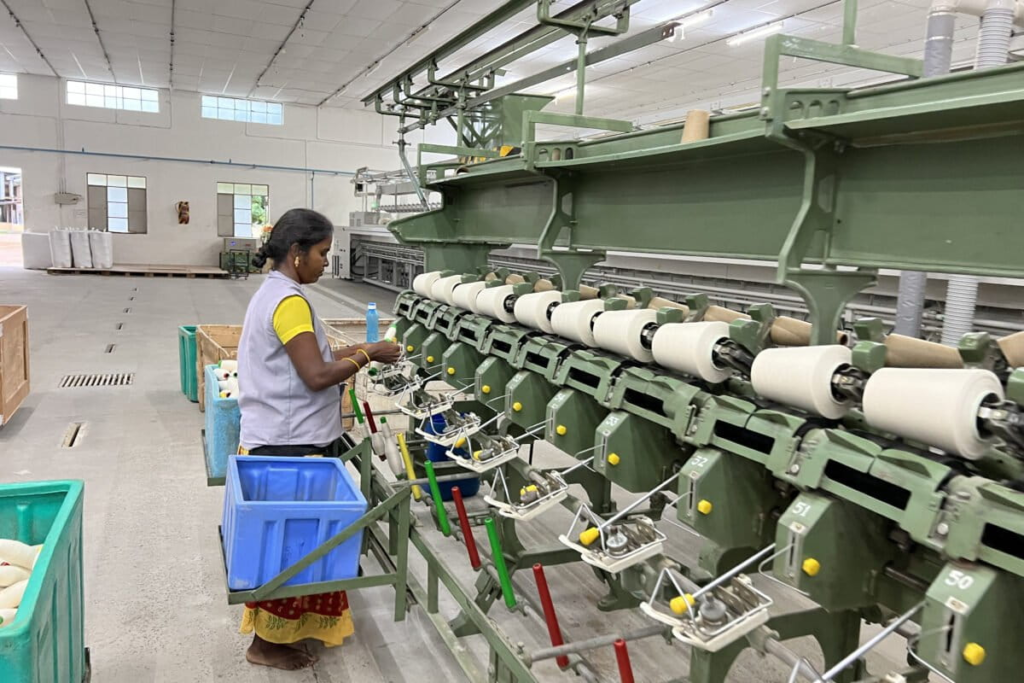
- Supply Chain Shifts: Bangladesh relies heavily on Indian cotton yarn/fabrics (~$1.6–3.1 billion annually from India out of $16+ billion imports). The incentive to switch to US sources could slash demand for Indian intermediates, hurting spinning mills in Tamil Nadu, Gujarat, and elsewhere. Industry bodies like the Confederation of Indian Textile Industry (CITI) warn of narrowed margins, job losses, and fiercer US market competition.
- Competitive Edge Erosion: India’s brief post-deal advantage vanishes overnight in cotton/apparel categories. Shares of Indian textile firms dipped post-announcement. Experts note traceability/ enforcement challenges may limit zero-tariff volumes, but even partial shifts matter in thin-margin sectors.
- Geopolitical Context: Strained India-Bangladesh ties post-2024 add tension. The deal highlights US “divide-and-rule” in South Asia, rewarding alignment while pressuring others. For India, it underscores urgency in finalizing deeper US talks—perhaps seeking similar zero-tariff mechanisms or better agri/energy access.
Broader regional effects include potential cotton market distortions (Bangladesh eyeing US over Indian supplies) and supply chain reconfiguration favoring US inputs.
Broader Ramifications and Outlook
This agreement exemplifies Trump’s transactional diplomacy: tariff relief for market opening and purchases. It bolsters US leverage in Asia while aiding Bangladesh’s garment jobs (millions employed).
For India, challenges loom in textiles—potentially thousands of jobs at risk if shifts accelerate—but opportunities exist in diversifying or negotiating parity. Long-term, enforcement (rules of origin, quotas) will determine real impacts.
As implementation unfolds, the deal could reshape South Asian trade flows, testing resilience in a protectionist era. For readers in Lahore or beyond, it illustrates how distant pacts ripple into local economies—cotton fields in South Punjab, spinning units in Faisalabad, or garment hubs across borders in India.