(By Ayesha Mahnoor)
On January 8, 2026, the United Nations Department of Economic and Social Affairs (UN DESA) released its flagship World Economic Situation and Prospects (WESP) 2026 report. This comprehensive annual assessment comes at a pivotal moment, as the world navigates lingering effects from trade tensions, geopolitical uncertainties, and structural challenges. The report paints a picture of resilience in 2025 overshadowed by a moderating outlook for 2026, emphasizing the risks of prolonged slower growth and the critical need for renewed international cooperation to achieve the Sustainable Development Goals (SDGs).
The core message is clear: while the global economy dodged worse outcomes in 2025 thanks to temporary factors like front-loaded trade and bilateral deals, these buffers are fading. Without coordinated policy action, the world risks entrenching inequalities and falling further behind on sustainable development.
Resilience in 2025: Better Than Expected Performance Amid Shocks
The global economy demonstrated notable resilience throughout 2025, outperforming many dire predictions despite repeated shocks and heightened uncertainty. A sharp rise in U.S. tariffs early in the year unsettled international trade, yet disruptions remained contained. Bilateral agreements between the United States and key trading partners prevented a full-scale escalation, while companies rushed to front-load shipments ahead of new barriers, temporarily boosting activity and trade flows.
Overall economic performance held up stronger than anticipated, providing a cushion into the new year. This resilience was supported by expanding trade volumes in certain sectors and adaptive policies in major economies. However, the report cautions that these were largely one-off effects. As front-loading momentum dissipates and tariff impacts fully materialize, the underlying vulnerabilities—subdued investment, high debt levels, and limited fiscal space—become more pronounced.
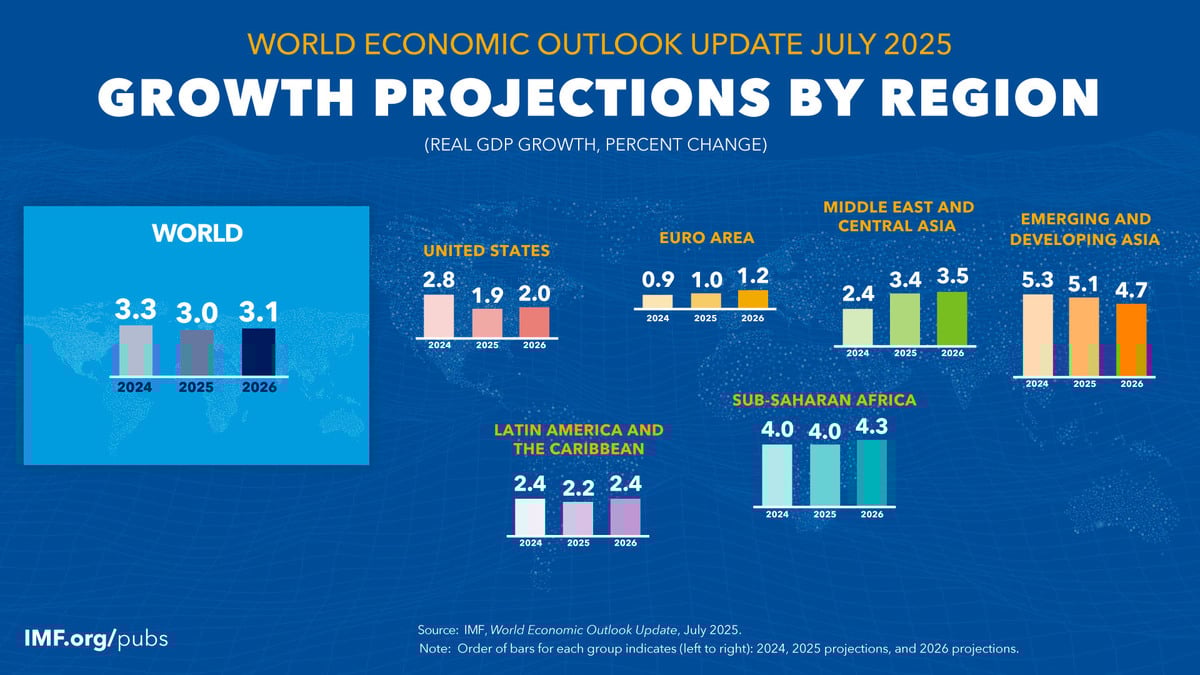

(Illustrative charts depicting global GDP growth trends and forecasts, highlighting the dip below pre-pandemic averages.)
Global Growth Forecast for 2026: Moderation and Subdued Prospects
The WESP 2026 forecasts global economic growth to moderate in 2026, with weaker international trade outweighing partial offsets from ongoing monetary easing. Disinflation trends are expected to continue, allowing central banks in many regions to gradually lower interest rates, providing some support to demand.
However, supply-side risks persist, including potential reignition of inflation from geopolitical conflicts or climate events. Key constraints weighing on growth include persistently low investment, elevated debt burdens in both developed and developing nations, geopolitical tensions, and financial market volatility. The report warns of a prolonged era of slower growth compared to the pre-pandemic average of around 3.2%, with benefits unlikely to be broadly shared across populations.
This subdued trajectory raises alarms about long-term productivity and living standards, particularly as technological advances like AI offer potential boosts but with uncertain timing and uneven distribution.
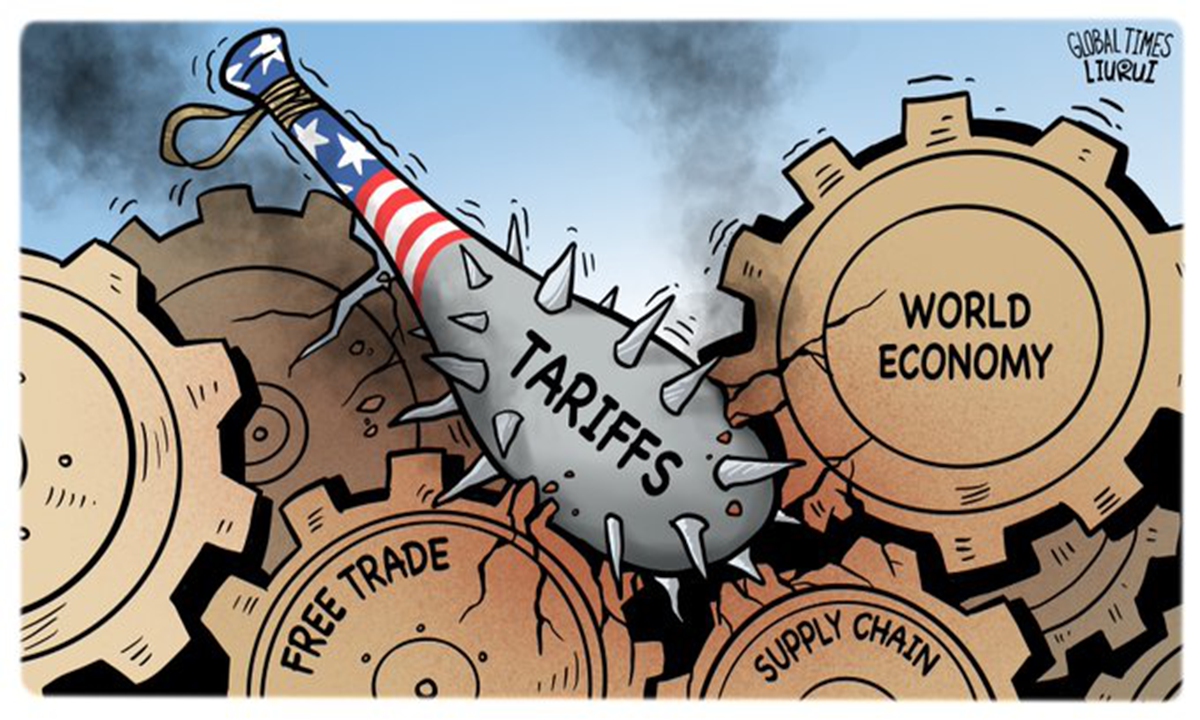
(Illustrations showing the ripple effects of trade tariffs on global supply chains, prices, and economic activity.)
Uneven Regional and Country-Level Outlooks
Growth prospects remain highly uneven across regions and income groups. Developed economies are projected to experience broadly stable but moderate expansion, supported by easing monetary policies yet constrained by aging populations and fiscal pressures.
Large developing economies, such as China, India, and others, are expected to sustain relative momentum through resilient domestic demand and targeted fiscal or structural policies. These nations have often acted as engines of global growth in recent years.
In contrast, vulnerable countries—particularly least developed countries (LDCs), landlocked developing countries, and small island developing states—face daunting challenges. Limited economic diversification leaves them exposed to commodity price swings, while climate-related shocks exacerbate vulnerabilities. High debt distress and restricted access to affordable financing further limit their ability to invest in resilience or growth.
The fading of 2025’s temporary trade boosts could lead to deeper disruptions in global value chains, disproportionately affecting export-dependent emerging markets.
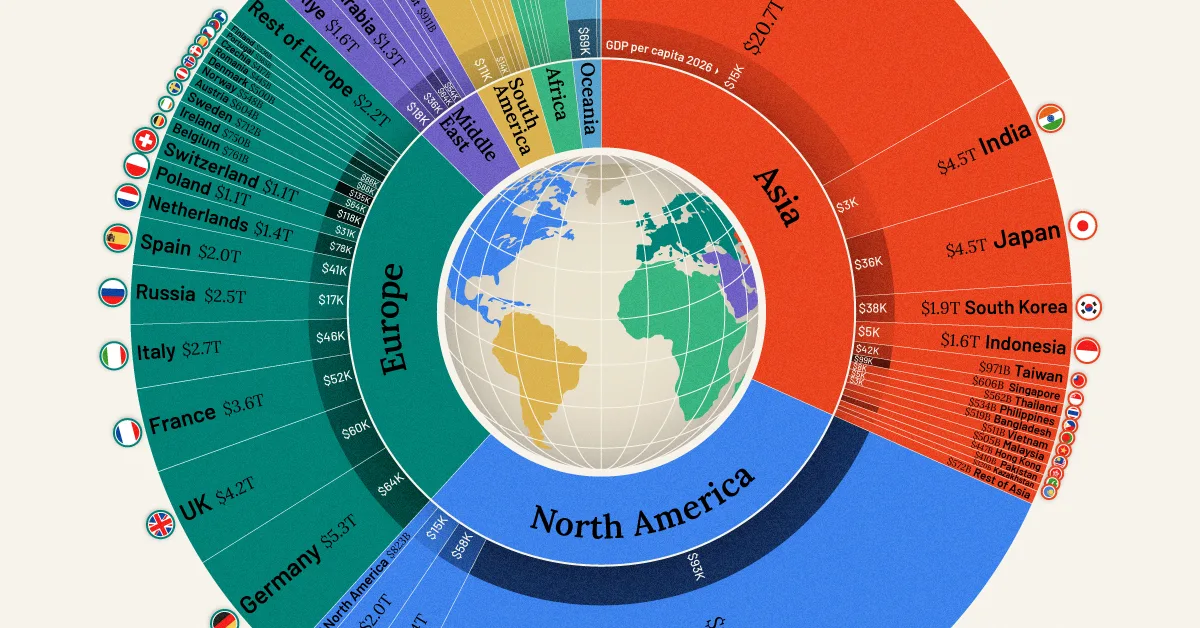
(Infographics summarizing the 2026 global economic outlook and projections for major economies.)
Key Risks and Emerging Themes
Beyond trade, the report highlights several interconnected risks. Geopolitical tensions continue to cloud the horizon, potentially disrupting energy supplies or critical mineral chains essential for the green transition. Policy uncertainty, especially around trade and fiscal paths in major economies like the U.S., deters long-term investment.
On a positive note, emerging technologies hold promise for productivity gains, but the report stresses that without inclusive policies, benefits may accrue unevenly, widening inequalities within and between countries.
Crucially, the current growth path falls short of what’s needed for meaningful progress on the SDGs. Poverty reduction, decent job creation, and climate action require faster, more inclusive expansion—goals increasingly at risk in a fragmented world.

(The iconic UN Sustainable Development Goals wheel, symbolizing the 17 interconnected goals for 2030.)
The Urgent Call for International Cooperation
UN DESA’s strongest recommendation is for strengthened multilateral cooperation. In an era of rising protectionism, coordinated efforts are vital to stabilize trade, reform global financial architecture, and mobilize resources for sustainable development.
Potential pathways include balanced policy mixes: combining monetary easing with productive investments, debt relief for vulnerable nations, and enhanced partnerships on technology transfer and climate finance. Rebuilding trust in multilateral institutions could unlock progress on shared challenges, from trade rules to SDG financing gaps.
Without such action, the fragile outlook could deteriorate further, perpetuating cycles of inequality and instability.
Conclusion: A Pivotal Year Ahead
The WESP 2026 report offers a cautious prognosis: 2025’s unexpected resilience buys time, but 2026 will test the world’s commitment to collaborative solutions. In a landscape marked by trade headwinds and structural hurdles, proactive multilateralism is not just desirable—it’s essential for fostering inclusive, sustainable growth.
As policymakers, businesses, and citizens digest these findings, the question looms: Will 2026 mark a turning point toward renewed cooperation, or a deepening of fragmentation? The choices made this year could shape economic trajectories for decades.
For the full report, detailed data tables, and regional breakdowns, visit the UN DESA publications website. What are your thoughts on the global outlook—optimistic, concerned, or somewhere in between? Drop a comment below!