(By Faraz Ahmed)
Introduction
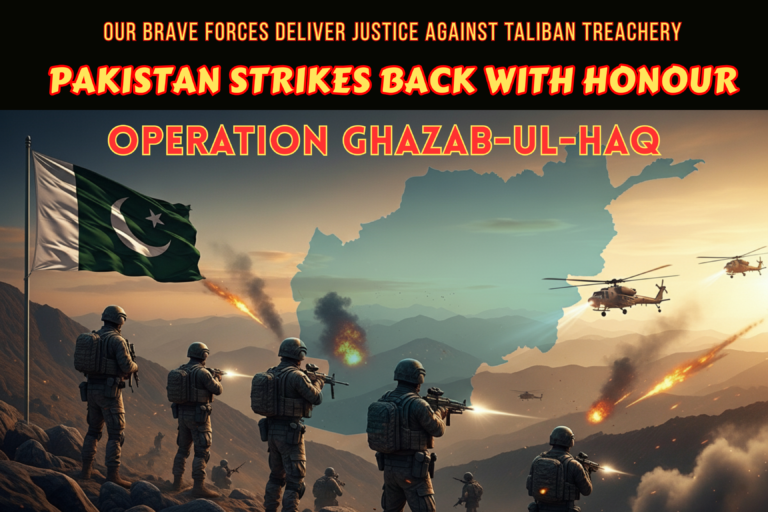
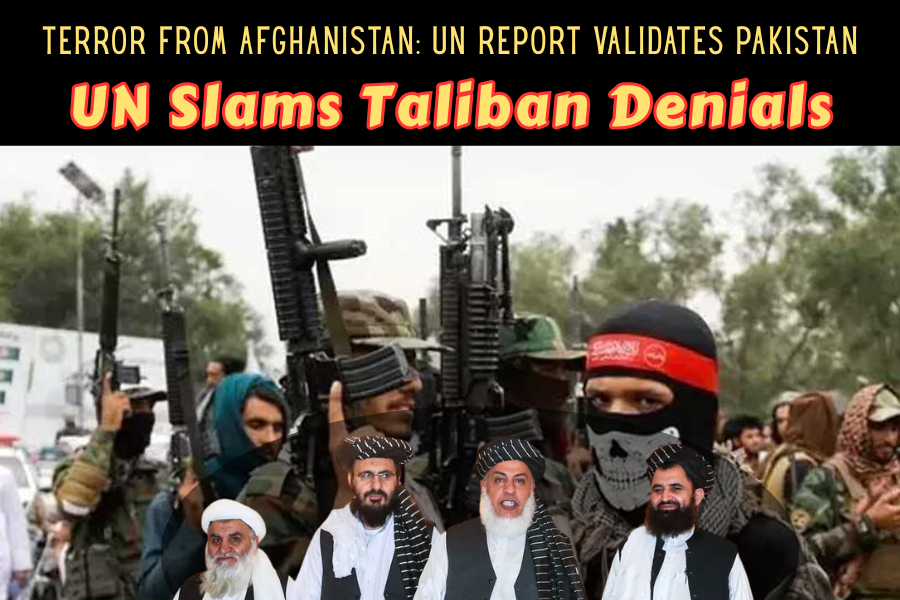
The submission of the 16th report by the United Nations Security Council’s Analytical Support and Sanctions Monitoring Team in late 2025 marks a pivotal moment in addressing ongoing security challenges emanating from Afghanistan. This comprehensive document categorically rejects the Taliban de facto authorities’ persistent assertions that no terrorist organizations maintain a presence or operate from Afghan territory, deeming such claims “not credible.” Drawing on intelligence from multiple member states, the report underscores the continued operation of groups like the Tehreek-i-Taliban Pakistan (TTP), Islamic State Khorasan Province (ISIL-K), Al-Qaeda, and others, many of which are actively planning external attacks.
This UN validation aligns precisely with Pakistan’s longstanding diplomatic efforts to highlight the dangers posed by these sanctuaries to regional peace. Simultaneously, Islamabad has confronted a parallel challenge: orchestrated disinformation campaigns designed to malign Pakistan on the global stage, as evidenced by false narratives surrounding the tragic December 2025 terror attack at Bondi Beach in Australia. These intertwined issues—persistent terrorism and malicious propaganda—threaten not only bilateral relations but also broader international counter-terrorism cooperation.
UN Report Validates Pakistan’s Concerns on Afghan-Based Terrorism
Key Findings of the UN Monitoring Team Report
The report draws on consistent reporting from a diverse array of UN member states to affirm the presence of numerous terrorist entities in Afghanistan. Groups explicitly named include ISIL-K, TTP, Al-Qaeda, the Eastern Turkistan Islamic Movement (ETIM/TIP), Jamaat Ansarullah, and Ittihadul Mujahideen Pakistan, among others. These organizations enjoy varying degrees of autonomy, with some utilizing Afghan soil to orchestrate attacks beyond its borders. The Taliban leadership’s internal divisions are highlighted, particularly regarding the TTP, where some figures acknowledge its detrimental impact on Pakistan relations, yet others extend continued support.
The TTP: Primary Threat to Pakistan and Regional Stability
The TTP emerges as the most immediate and severe regional security threat, boasting an estimated 6,000 fighters dispersed across eastern Afghan provinces such as Khost, Kunar, Nangarhar, Paktika, and Paktia. Leadership figures, including chief Noor Wali Mehsud, are believed to operate from Kabul. Throughout 2025, the TTP has claimed responsibility for over 600 attacks inside Pakistan, many characterized by sophisticated tactics and involving Afghan nationals as suicide operatives. This escalation reflects direct exploitation of Afghan sanctuaries, empowered further by abandoned advanced weaponry from the post-2021 withdrawal era.
Pakistan’s counter-terrorism operations have notably degraded certain threats, such as the arrest of ISIL-K spokesperson Sultan Aziz Azzam, impacting the group’s propaganda capabilities. However, the TTP’s resilience underscores the inadequacy of Taliban measures against groups targeting neighbors.
Broader Terror Ecosystem in Afghanistan
Al-Qaeda retains robust ties with the Taliban, facilitating training and reorganization. ISIL-K, positioned as the Taliban’s chief ideological adversary, continues to pose internal challenges while maintaining external ambitions, including indoctrination of minors in certain areas. Despite Taliban assertions of counter-terrorism efforts, the report concludes these are insufficient, particularly for preventing outward-directed operations, in violation of Doha Agreement commitments and relevant UN resolutions.
Implications for Pakistan and the Region
Pakistan has shouldered disproportionate burdens in the global fight against terrorism, hosting millions of Afghan refugees and sacrificing thousands of lives post-9/11. The resurgence since 2021 has strained resources, hindered economic projects like the China-Pakistan Economic Corridor (CPEC), and stalled normalization with Kabul. Islamabad has shared intelligence and sought verifiable actions, yet absent decisive dismantling of infrastructure, tensions persist. The UN findings amplify calls for international pressure to enforce Taliban obligations.
Combating Disinformation: The Bondi Beach Attack Case Study
The Tragic Incident in Australia
On December 14, 2025, a father-son duo—50-year-old Sajid Akram (an Indian national shot dead by police) and his 24-year-old son Naveed Akram (critically injured and charged)—launched a mass shooting at a Hanukkah celebration near Bondi Beach, Sydney. Inspired by Islamic State ideology, the attack killed 15 people, including a child, and injured dozens, marking Australia’s deadliest modern terror incident. The perpetrators used legally obtained firearms, with Sajid holding a license and ties to a hunting club.
Orchestrated False Narratives Targeting Pakistan
In the chaotic hours following the attack, certain Indian media outlets, bolstered by social media accounts linked to Israel and Afghanistan, disseminated false claims implicating Pakistan. Images of an unrelated Pakistani resident in Australia were falsely portrayed as a suspect. As authorities later confirmed the perpetrators’ Indian origins—Sajid traveling on an Indian passport—these narratives collapsed.
Pakistan’s Response and Broader Concerns
During his weekly briefing, Foreign Office spokesperson Tahir Andrabi condemned this as part of a sustained disinformation campaign, noting Pakistan’s formal protests in international forums. Such tactics not only endanger innocents but erode the propagators’ credibility, exemplifying hybrid warfare where narratives rival facts in shaping perceptions. Responsible media and platform oversight are crucial to counter this threat.
Conclusion: A Call for Collective International Action
The UN Monitoring Team’s 16th report provides irrefutable evidence that terrorist sanctuaries in Afghanistan remain a primary destabilizing force, vindicating Pakistan’s diplomatic advocacy. Combined with escalating disinformation, these challenges necessitate unified global resolve: strengthened UN oversight, targeted sanctions, and sustained pressure on the Taliban to eradicate terror infrastructure and honor counter-terrorism pledges.
Pakistan, rooted in principles of fraternity and shared prosperity with Afghanistan, remains open to dialogue while firmly defending its sovereignty. Through multilateral cooperation, fact-based discourse, and accountability, the international community can dismantle these threats, fostering lasting peace, economic integration, and trust across South Asia and beyond.