(By Khalid Masood)
I. Introduction
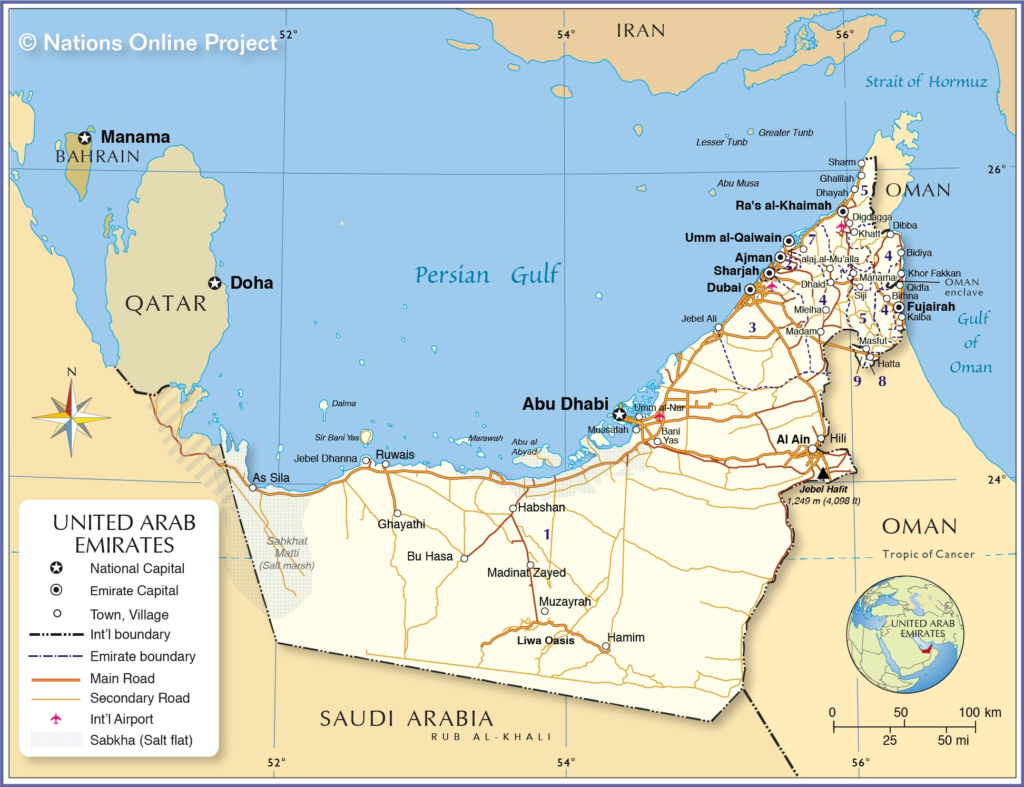
In the midst of heightened regional tensions during March 2026, the United Arab Emirates (UAE) found itself at the centre of a geopolitical storm. Following a series of unprecedented missile and drone attacks attributed to Iranian forces, anxiety rippled through the Emirates’ vast expatriate community. Images of intercepted projectiles lighting up the night sky over Abu Dhabi and Dubai sparked concerns regarding safety, prompting questions about the nation’s defensive readiness.
Amidst this uncertainty, Her Excellency Reem Al Hashimy, UAE Minister of State for International Cooperation, stepped forward with a decisive public message. In a series of media engagements, she revealed that the UAE operates a “six-layered air defence system,” assuring residents that “you are safe.” Her statements served a dual purpose: to deter adversaries by showcasing defensive depth and to calm a potentially panicking foreign population essential to the UAE’s economic engine.
This article provides an in-depth analysis of the UAE’s ground-based air defence architecture as disclosed during the crisis. It examines the technical realities of the six-layer system, assesses its effectiveness against Iranian ballistic missiles, cruise missiles, and drones, evaluates inventory sustainability in a prolonged conflict, and analyses the strategic communication behind Minister Al Hashimy’s reassurance campaign.
II. Reem Al Hashimy: The Messenger and Her Mission
Profile and Credentials
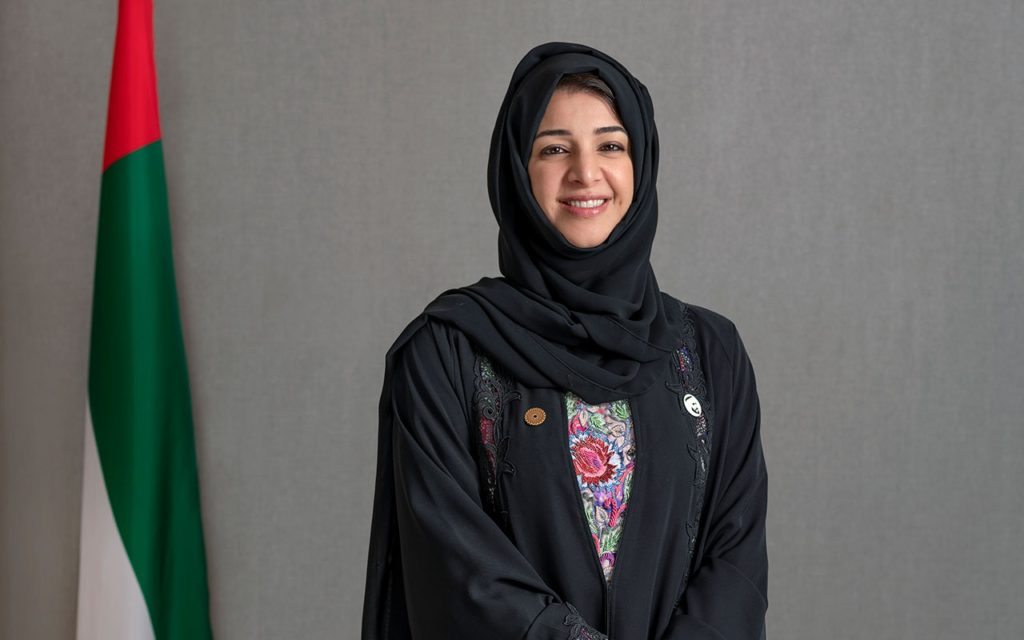
Her Excellency Reem bint Ebrahim Al Hashimy is one of the UAE’s most prominent diplomatic figures. Serving as the Minister of State for International Cooperation since 2016 and CEO of Expo City Dubai Authority, she possesses a robust educational background, holding degrees from Tufts University and Harvard University. Her career spans commercial diplomacy and high-level government strategy, making her a credible voice during international crises.
Strategic Role in Crisis Communication
During the March 2026 escalation, Minister Al Hashimy was tasked with a critical communication mandate. Unlike military officials who might focus solely on tactical details, her role was to bridge the gap between defence capabilities and public sentiment. She was chosen for her international credibility and access to global media outlets, including CNN, allowing her message to reach both local residents and the international community.
Key Statements During the Crisis
Minister Al Hashimy’s public remarks were carefully calibrated. Her core messages included:
- Direct Reassurance: “You are safe,” she stated directly to residents, aiming to halt the “stampede” of foreigners considering evacuation.
- Capability Disclosure: She publicly confirmed the existence of a “six-layered air defence system,” a level of detail rarely disclosed so explicitly.
- Interception Statistics: She cited specific figures, claiming the interception of 137 missiles and 200 drones during the initial wave of attacks.
- Characterisation of Aggression: She described the Iranian attacks as “unprecedented, almost unhinged,” framing the UAE as the rational actor seeking stability.
- Warning of Escalation: While emphasising a “measured” response, she warned that continued aggression could force a shift in the UAE’s defensive posture.
Target Audiences
Her messaging was designed to resonate with four distinct groups:
- Expatriates: The 6.5 million foreign residents whose confidence is vital for economic stability.
- Investors: To prevent capital flight and business disruption.
- Adversaries: To signal that further attacks would be costly and largely ineffective.
- Allies: To demonstrate competence and justify continued security cooperation with partners like the US and South Korea.
III. The Six-Layer Air Defence Architecture: Technical Analysis
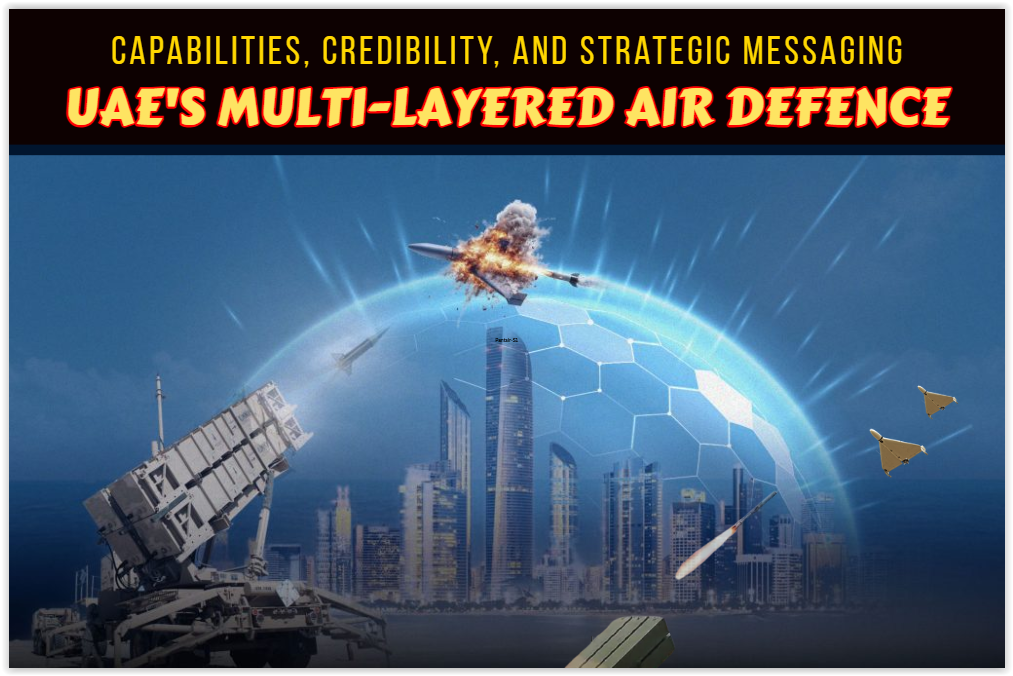
The UAE’s air defence network is among the most sophisticated in the world. Based on defence disclosures and open-source intelligence, the “six layers” described by Minister Al Hashimy can be broken down as follows:
Layer 1: Strategic/Exoatmospheric Defence
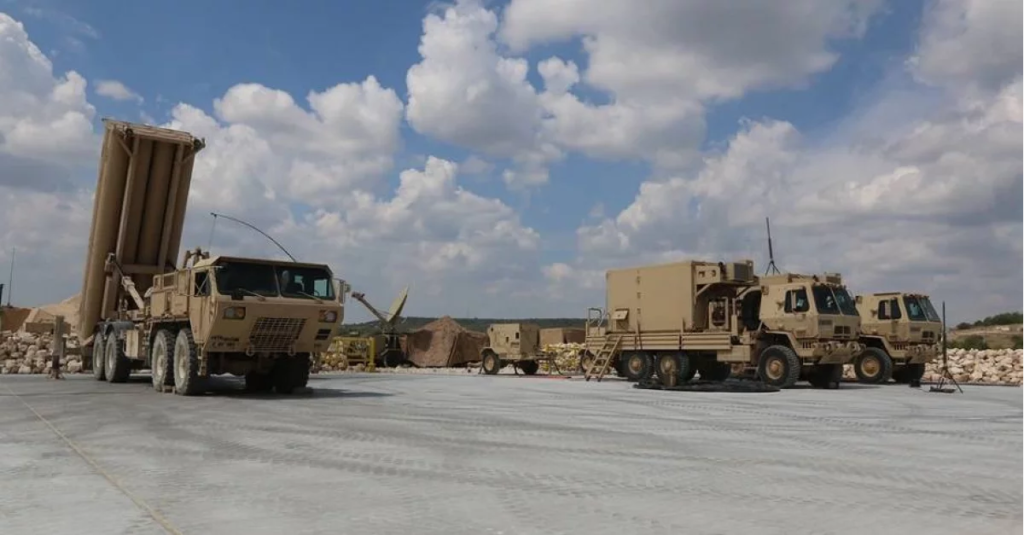
System: THAAD (Terminal High Altitude Area Defence)
Origin: USA (Lockheed Martin)
Deployment: 2 Batteries
THAAD forms the outermost shield, designed to intercept ballistic missiles during their terminal phase, both inside and outside the atmosphere.
- Capabilities: Range of approximately 200 km and altitude up to 150 km.
- Mechanism: Uses “hit-to-kill” kinetic interceptors that destroy targets via collision rather than explosives.
- Performance: First operational intercept recorded in January 2022 against a Houthi-launched ballistic missile. During the March 2026 crisis, THAAD provided critical early interception of high-altitude threats.
- Support: Integrated with AN/TPY-2 early warning radars and US CENTCOM satellite data.
Layer 2: Upper-Terminal Defence
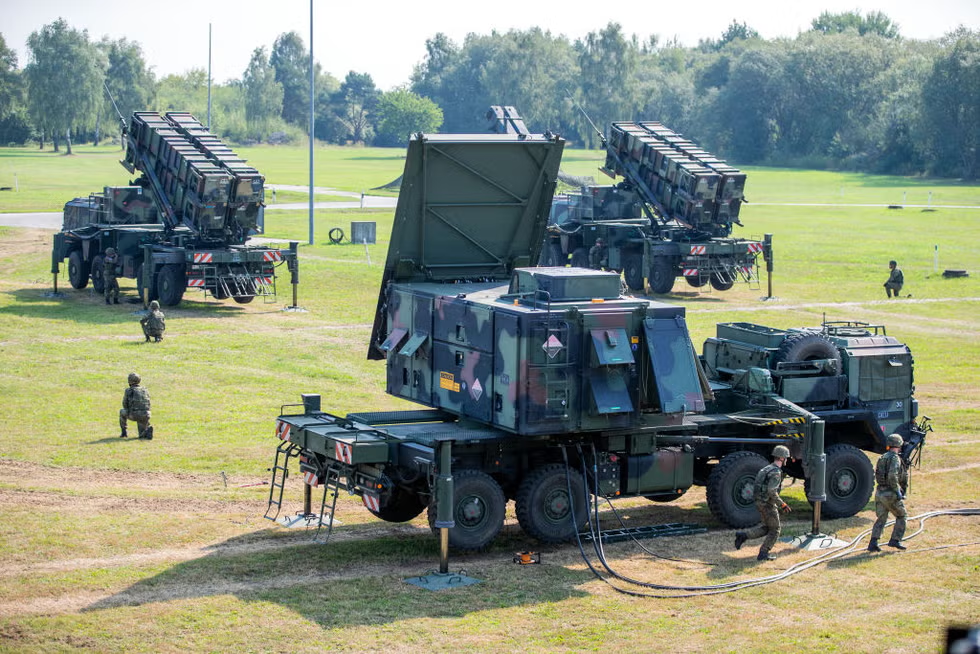
System: Patriot PAC-3 MSE / GEM-T
Origin: USA (Raytheon)
Deployment: 9 Batteries
The Patriot system serves as the workhorse of the UAE’s defence.
- PAC-3 MSE: Optimised for ballistic missiles with hit-to-kill technology (range ~35 km).
- GEM-T: Uses fragmentation warheads effective against aircraft and cruise missiles.
- Role: Provides a dense coverage umbrella over critical infrastructure and population centres.
Layer 3: Medium-Range Defence
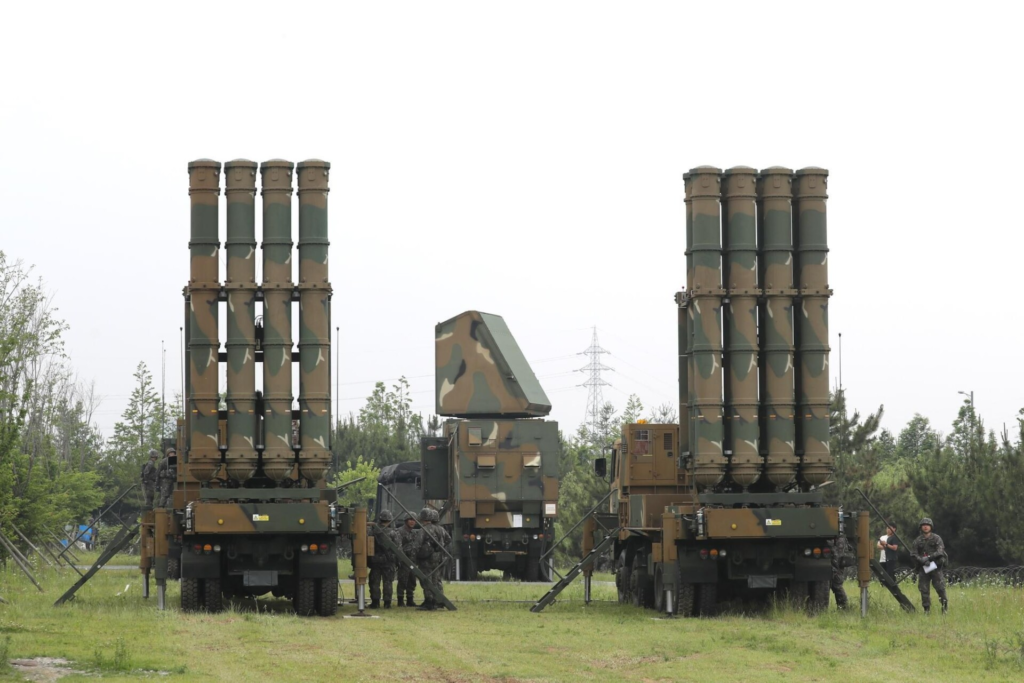
System: Cheongung-II (KM-SAM Block II / M-SAM II)
Origin: South Korea (LIG Nex1/Hanwha)
Deployment: 2+ Batteries (part of a 10-battery contract)
A recent addition to the arsenal, the Cheongung-II represents UAE’s strategy of diversifying suppliers.
- Capabilities: Range of ~50 km against aircraft/cruise missiles; ~20 km altitude against ballistic threats.
- Performance: Recorded its first combat intercept against an Iranian ballistic missile in March 2026.
- Technology: Features Mach 5 interceptors and AESA-derived radar for enhanced tracking.
Layer 4: Short/Medium-Range Point Defence
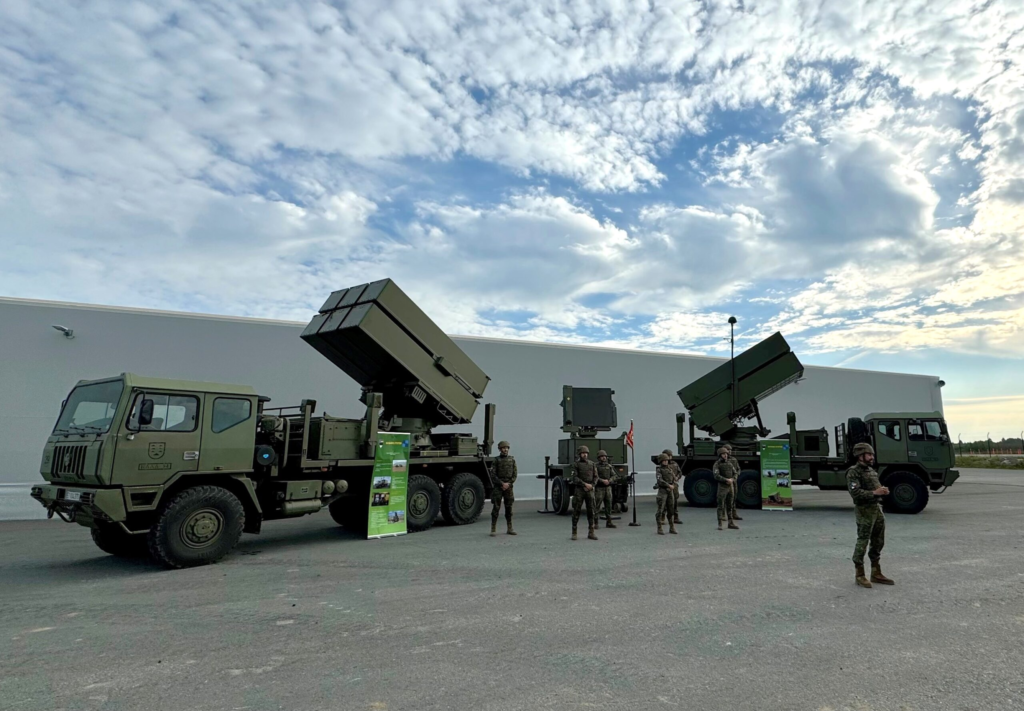
System: NASAMS (National Advanced Surface-to-Air Missile System)
Origin: Norway/USA (Kongsberg/Raytheon)
Capabilities: Utilises AIM-120 AMRAAM missiles with a range of ~40 km.
Role: Specialised in low-to-medium altitude defence against aircraft, drones, and cruise missiles. Its networked fire distribution allows for flexible engagement zones.
Layer 5: Short-Range/Point Defence
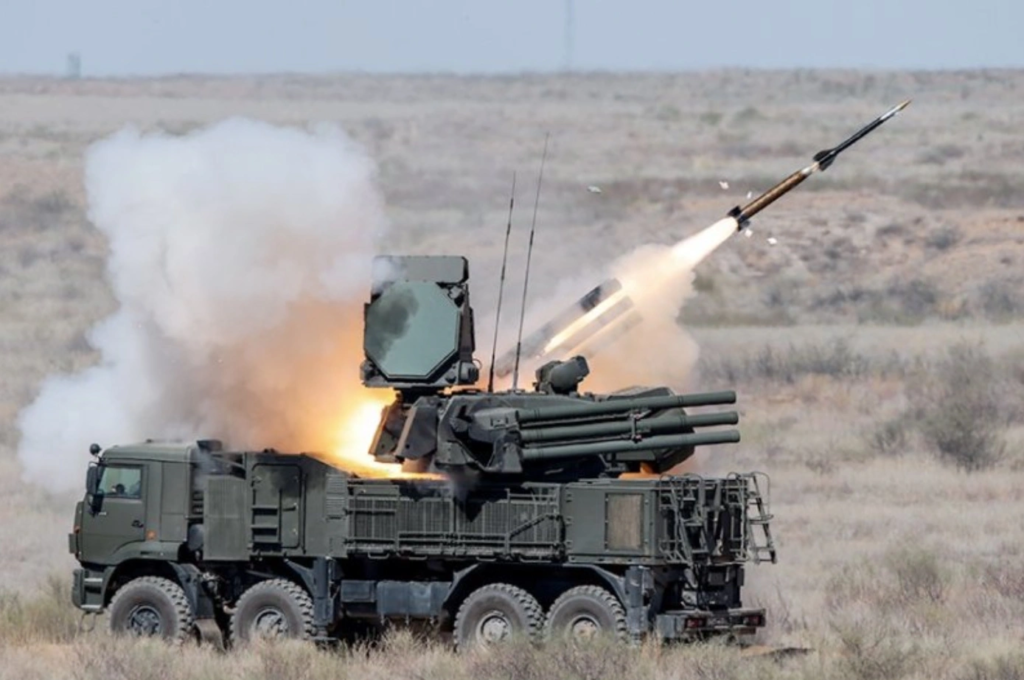
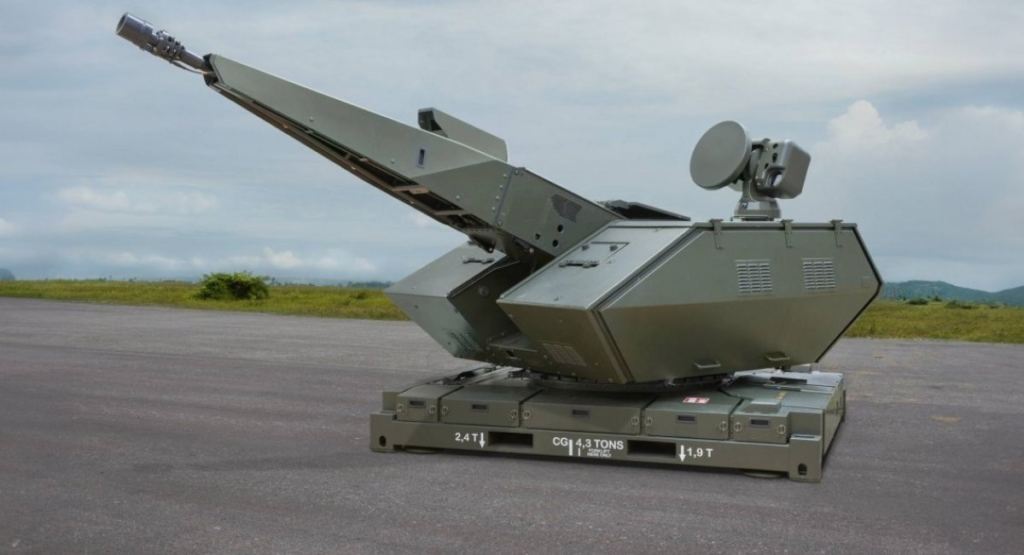
Systems: Pantsir-S1 and Skyguard/Skyshield
Origins: Russia (Pantsir) and Germany/Switzerland (Skyguard)
Capabilities:
- Pantsir-S1: A combined gun and missile system effective against close-in drones and precision-guided munitions.
- Skyguard: 35mm cannon systems providing very short-range defence for critical infrastructure. Role: These systems act as the last line of defence, engaging threats that penetrate outer layers.
Layer 6: Indigenous Systems and Integrated C4ISR
System: SkyKnight and National C4ISR Network
Origin: UAE (EDGE Group)
Capabilities:
- SkyKnight: An indigenous short-range air defence system.
- C4ISR: Command, Control, Communications, Computers, Intelligence, Surveillance and Reconnaissance. This layer fuses data from all radars and sensors into a single air picture, enabling real-time decision-making and intelligence sharing with regional partners.
IV. Effectiveness Assessment Against Iranian Threats
Against Ballistic Missiles
- Performance: The UAE achieved a detection rate of nearly 100% thanks to its early-warning radar network. Intercept success rates were estimated between 92-95%, with 161 of 174 detected ballistic missiles destroyed during the crisis.
- Systems: THAAD handled exoatmospheric intercepts, while Patriot PAC-3 and Cheongung-II managed terminal phase engagements.
- Limitations: Despite high success rates, debris from successful intercepts occasionally caused ground damage. Furthermore, saturation attacks remain a theoretical vulnerability if the volume of fire exceeds interceptor availability.
Against Cruise Missiles
- Performance: Intercept success was reported at approximately 100% for engaged targets.
- Systems: Patriot GEM-T, NASAMS, and Pantsir-S1 were primarily employed.
- Challenges: Cruise missiles fly at low altitudes, often hugging terrain to avoid radar. This requires dense radar coverage and quick reaction times, which the UAE’s integrated network successfully managed during the crisis.
Against Drones and UAVs
- Performance: Approximately 93-94% of incoming drones (including Shahed-type loitering munitions) were intercepted.
- Systems: NASAMS, Pantsir-S1, and electronic warfare suites.
- Critical Vulnerability: Cost Asymmetry: This remains the most significant strategic challenge. UAE interceptors cost between $500,000 and $1.5 million each, whereas Iranian drones cost between $20,000 and $50,000. In a war of attrition, the defender faces a severe economic disadvantage.
Against Hypersonic Missiles
- Capability Assessment: There is no publicly confirmed capability to reliably intercept hypersonic glide vehicles (HGVs).
- Gap Analysis: Systems like THAAD and Patriot are optimised for traditional ballistic trajectories. Hypersonic manoeuvres challenge tracking algorithms. While UAE statements claim “full spectrum” coverage, no specific hypersonic intercept capability has been verified. This represents a strategic gap should Iran deploy operational hypersonic systems.
V. Inventory Sustainability in Prolonged Conflict
Current Stockpile Assessments
While exact figures are classified, defence analysts estimate the following sustainability levels under high-intensity conflict conditions:
| System | Estimated Interceptors | Daily Consumption (High-Intensity) | Sustainability Without Resupply |
|---|---|---|---|
| THAAD | ~96 missiles + emergency resupply | 10–20/day | 7–14 days |
| Patriot PAC-3 | Several hundred (classified) | 20–40/day | 10–20 days |
| Cheongung-II | Initial deployment + Korean resupply | 15–30/day | 5–10 days (pre-resupply) |
| NASAMS/Pantsir | Larger stocks, lower cost | 30–60/day vs drones | 2–4 weeks |
Critical Sustainability Challenges
- Cost Asymmetry: The UAE spends $3–5 million per PAC-3 intercept, while Iran spends a fraction of that on attackers. This economic attrition favours the aggressor in a prolonged conflict.
- Resupply Dependencies: Critical interceptors (THAAD, PAC-3) require US production lines. Lead times can exceed 12–18 months. Cheongung-II missiles depend on South Korean manufacturing.
- Stockpile Depletion: Analyses suggest 20–40% of ballistic missile interceptor stocks may be consumed in the first 48 hours of intense attacks.
- Industrial Base Limitations: Global demand for interceptors (due to conflicts in Ukraine and the Middle East) constrains production rates, creating competition for limited manufacturing capacity.
Mitigation Measures
To address these vulnerabilities, the UAE has undertaken several measures:
- Emergency Resupply: South Korea expedited Cheongung-II deliveries in March 2026.
- Regional Cooperation: Integrated air defence with Saudi Arabia and Qatar, alongside US CENTCOM asset sharing.
- Cost-Effective Counter-UAS: Deployment of electronic warfare and development of directed energy weapons to reduce reliance on expensive kinetic interceptors.
- Domestic Production: EDGE Group is working on indigenous interceptor programmes to reduce foreign dependency.
VI. Strategic Communication and Expatriate Reassurance
The Expatriate Context
The UAE is home to over 6.5 million foreign residents, who constitute the backbone of its workforce. During the crisis, evacuation activities were initiated for ~6,000 Emirati nationals, and international travel advisories from the UK, US, and Australia were elevated. This created a risk of mass exodus, which would cripple the economy.
Reem Al Hashimy’s Messaging Strategy
Minister Al Hashimy’s campaign was designed to stabilise sentiment.
- Core Message: “You are safe.” This simple, direct assurance was repeated across CNN, state media, and diplomatic briefings.
- Transparency: By disclosing interception successes (137 missiles, 200 drones), the government provided evidence rather than empty platitudes.
- Tone: Confident but measured. She emphasised peaceful resolution while warning of escalation, projecting strength without aggression.
Dual-Purpose Strategic Communication
- Domestic/Resident Audience: The primary goal was to prevent panic and maintain business confidence. The message was clear: the state can protect you.
- International/Deterrence Audience: The disclosure of the six-layer system served as a warning to adversaries that further attacks would be futile and costly.
Reality Check: Limits of Defensive Systems
While the messaging was effective, it is crucial to recognise limits. No system is impenetrable. Civilian casualties and infrastructure damage from debris have occurred. The intercept rates of 92-95% mean that some threats do penetrate. The government’s emphasis on strength is factually grounded but must be balanced with realistic civil defence measures for residents.
VII. Comparative Analysis: Claims vs. Capabilities
Accuracy Assessment of Statements
- “Six-layered air defence system”: Verified. The combination of THAAD, Patriot, Cheongung-II, NASAMS, Pantsir/Skyguard, and indigenous C4ISR confirms this structure.
- “Highly integrated”: Verified. Advanced sensor fusion and international data sharing support this claim.
- “One of the best… in the world”: Substantiated. The UAE possesses one of the most sophisticated architectures globally, though not impenetrable.
- “You are safe”: Qualified. Residents are significantly safer than in an undefended scenario, but zero risk does not exist.
Strategic Omissions
Minister Al Hashimy’s statements naturally omitted vulnerabilities to avoid aiding adversary intelligence. These included:
- Hypersonic missile vulnerabilities.
- Specific inventory depletion rates.
- Dependency on foreign resupply chains.
- The economic strain of cost asymmetry.

VIII. Regional and Geopolitical Implications
UAE’s Defence Posture Evolution
The crisis marked a shift from a historical non-interventionist stance to active defence. The diversification of suppliers (US, South Korea, Russia, Indigenous) demonstrates a strategy to avoid dependency on a single partner.
Impact on Gulf Security Architecture
The UAE’s capabilities are increasingly integrated with regional partners. Coordination with Saudi Arabia and Qatar suggests a move towards a unified GCC air defence network, enhancing collective security against regional threats.
Iranian Strategic Calculus
For Iran, the high intercept rates reduce the utility of missile attacks. However, the economic cost imposed on the UAE through defence expenditure and disruption remains a strategic lever. The crisis highlighted the risk of miscalculation, where defensive successes might encourage further testing of limits by adversaries.

IX. Lessons and Recommendations
For UAE Defence Planning
- Short-Term: Accelerate interceptor stockpile expansion and negotiate enhanced emergency resupply agreements.
- Medium-Term: Develop hypersonic defence capabilities and expand domestic interceptor production.
- Long-Term: Reduce dependency on single suppliers and invest in next-generation technologies such as directed energy weapons.
For Expatriate Residents
- Preparedness: Understand shelter locations, maintain emergency supplies, and stay informed through official channels.
- Risk Assessment: Recognise that while protection is robust, it is not perfect. Business continuity planning is advisable.
For International Stakeholders
- Investors: The UAE remains relatively secure compared to regional alternatives. Defence capabilities reduce risk but do not eliminate it.
- Policy: Support for allied air defence strengthens regional stability. Diplomatic conflict resolution remains the only sustainable path to peace.
X. Conclusion
The UAE has constructed one of the most sophisticated ground-based air defence architectures in existence. The “six-layer” system described by Minister Reem Al Hashimy is not merely rhetorical; it is a technical reality comprising THAAD, Patriot, Cheongung-II, NASAMS, short-range systems, and advanced command networks. During the March 2026 crisis, these systems demonstrated high effectiveness against conventional ballistic missiles, cruise missiles, and drones.
However, significant vulnerabilities remain. The lack of confirmed hypersonic defence, the sustainability of interceptor stockpiles in a prolonged conflict, and the economic asymmetry of expensive interceptors versus low-cost drones present genuine challenges. Minister Al Hashimy’s messaging served a legitimate strategic purpose: reassuring a critical expatriate population and signalling deterrence to adversaries. Her statements were factually grounded but necessarily selective.
Ultimately, while air defence systems can reduce risk and buy time, they cannot substitute for diplomatic conflict resolution. The UAE’s measured approach—combining robust defence with calls for peaceful dialogue—represents the most prudent path forward. For residents and investors, the reality lies between worst-case fears and best-case assurances: the UAE is significantly safer than an undefended nation, but vigilance and realistic contingency planning remain essential.