(By Khalid Masood)
Introduction
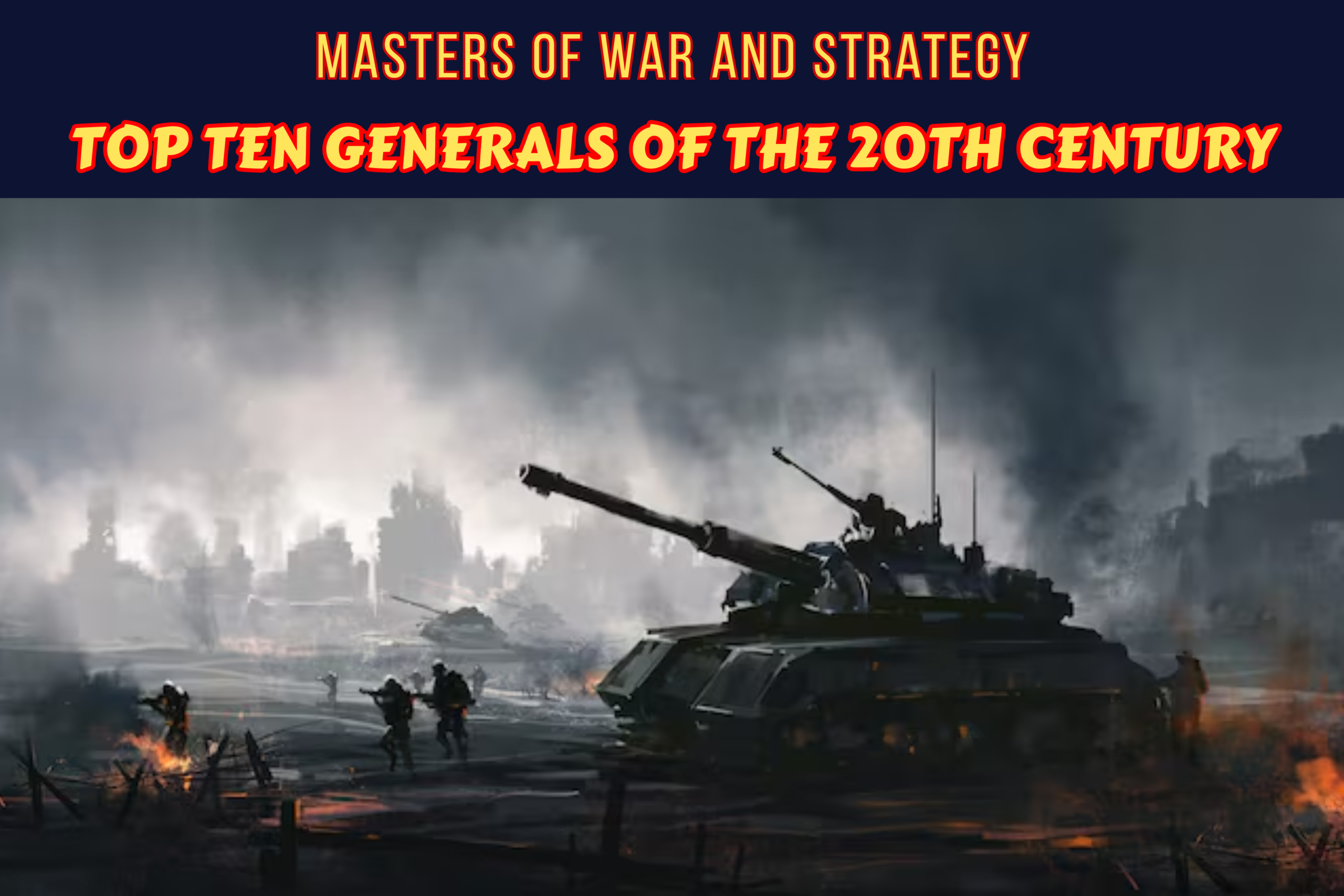
The 20th century was defined by unprecedented global conflict—two devastating World Wars, the ideological battles of the Cold War, and numerous regional struggles that reshaped nations. Behind these cataclysmic events were military commanders whose strategies, leadership, and decisions altered the course of history.
This article examines the ten greatest generals of the 20th century, evaluating their tactical brilliance, battlefield successes, and enduring legacies. From the deserts of North Africa to the jungles of Vietnam, these leaders demonstrated extraordinary skill—whether in conventional warfare, guerrilla tactics, or grand strategy.
1. Field Marshal Bernard Montgomery (United Kingdom – WWII)
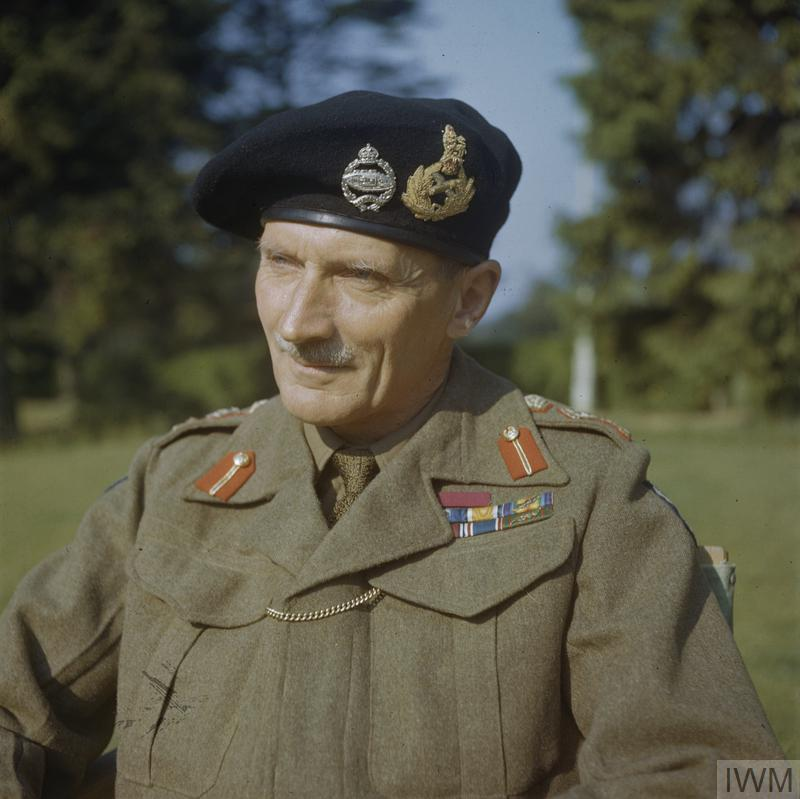
The Methodical Victor
Key Battles: El Alamein (1942), Normandy (1944), Operation Market Garden (1944)
Montgomery, or “Monty”, was the architect of Britain’s first major land victory in WWII at El Alamein (1942), where his meticulous planning broke Rommel’s Afrika Korps. Unlike the flamboyant Patton, Montgomery was cautious, disciplined, and deeply analytical, preferring overwhelming force to reckless aggression.
His leadership during D-Day (1944) and the subsequent Battle of Normandy was crucial, though his failed Operation Market Garden (a bold airborne assault in the Netherlands) remains controversial. Despite his arrogance and clashes with Allied commanders, Montgomery’s role in defeating Nazi Germany was indispensable.
Legacy:
- Reformed British military training after early WWII defeats.
- Symbolised British resilience in the war’s darkest hours.
2. General George S. Patton (USA – WWII)
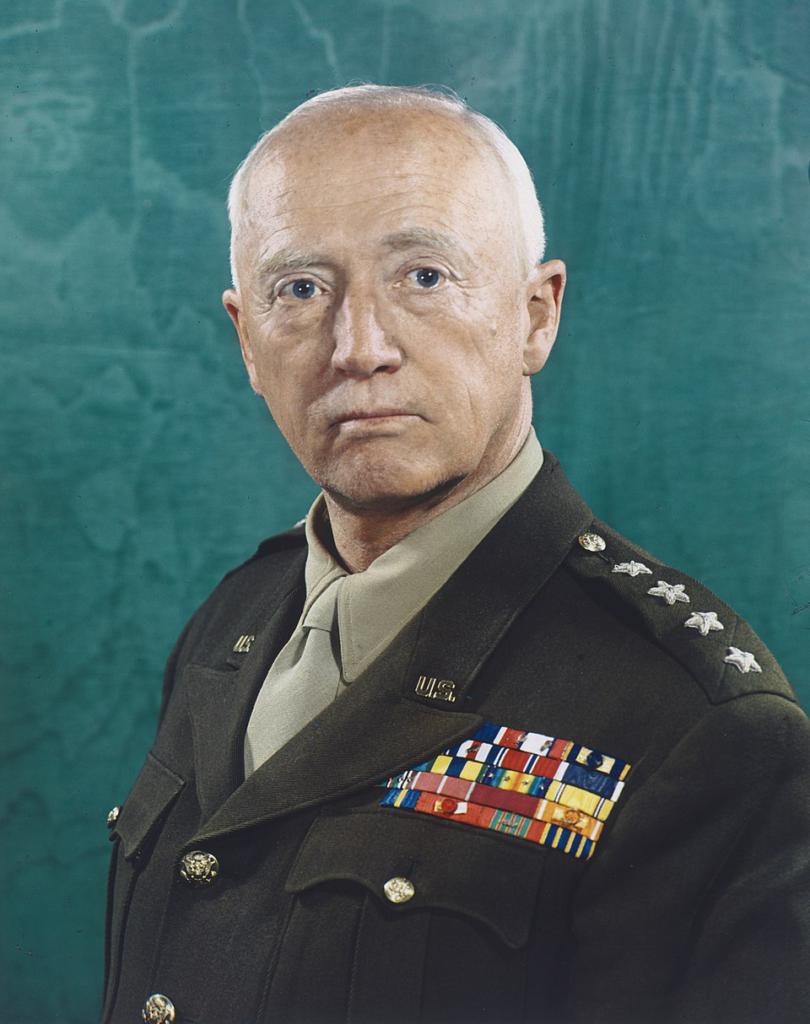
The Thunderbolt of Armoured Warfare
Key Battles: North Africa (1942–43), Sicily (1943), Battle of the Bulge (1944–45)
Patton was America’s most aggressive and charismatic general—a master of speed, surprise, and relentless offensive action. His Third Army’s rapid advance across France in 1944, including the relief of Bastogne during the Battle of the Bulge, showcased his genius for mobile warfare.
However, Patton was also brash, controversial, and politically reckless—his slapping of shell-shocked soldiers and post-war comments nearly ended his career.
Legacy:
- Pioneered modern armoured warfare doctrine.
- Inspired generations of soldiers with his “Audacity, audacity, always audacity!” philosophy.
3. Marshal Georgy Zhukov (Soviet Union – WWII)
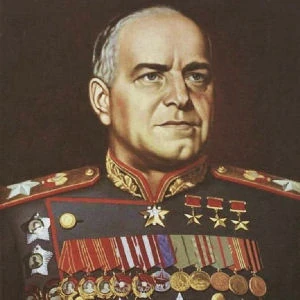
The Indomitable Soviet Hammer
Key Battles: Moscow (1941), Stalingrad (1942–43), Kursk (1943), Berlin (1945)
Zhukov was Stalin’s most trusted general, responsible for saving Moscow in 1941, encircling the Germans at Stalingrad, and crushing Hitler’s last major offensive at Kursk. His brutal but effective tactics—sacrificing millions to halt the Wehrmacht—defined the Eastern Front.
After the war, Zhukov’s popularity made Stalin wary, leading to his political sidelining. Nevertheless, he remains a national hero in Russia.
Legacy:
- Proved Soviet military resilience against Nazi Germany.
- His large-scale operational art influenced Cold War doctrines.
4. Field Marshal Erwin Rommel (Germany – WWII)
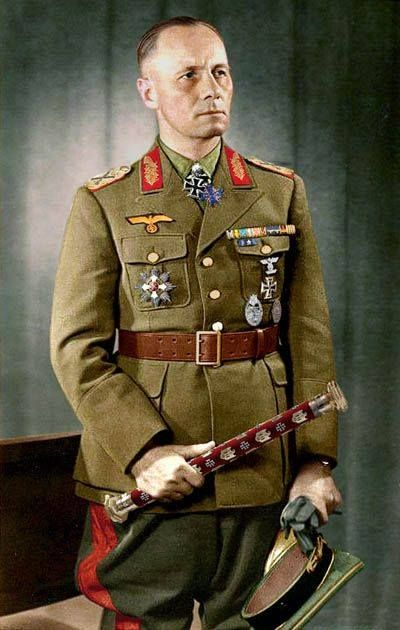
The Desert Fox
Key Battles: France (1940), North Africa (1941–43), Normandy (1944)
Rommel, the “Desert Fox”, became legendary for his lightning Blitzkrieg tactics in France (1940) and his daring campaigns in North Africa. Though outnumbered, he outmanoeuvred British forces repeatedly before supply shortages doomed his Afrika Korps.
Rommel’s later involvement in the July 1944 plot against Hitler led to his forced suicide. Despite fighting for the Nazis, he is often remembered as a “clean” general who avoided war crimes.
Legacy:
- Symbolised tactical brilliance in mobile warfare.
- His myth persists in military academies worldwide.
5. General Douglas MacArthur (USA – WWII & Korea)
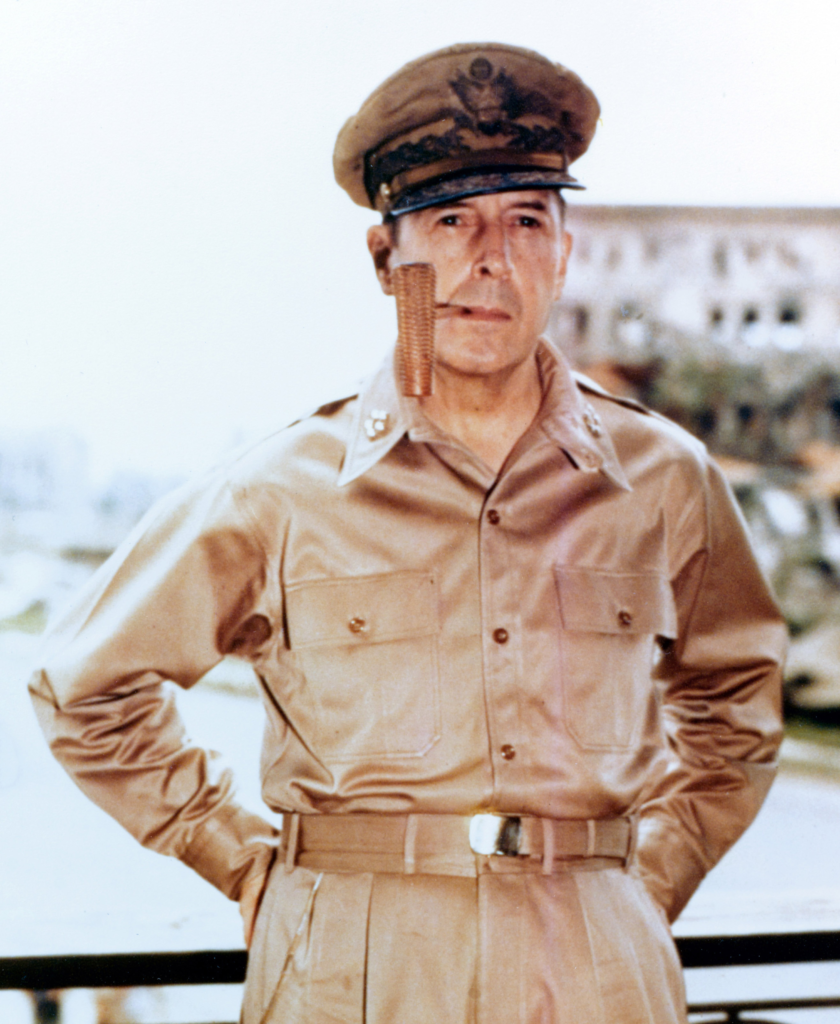
The Supreme Allied Commander of the Pacific
Key Battles: Philippines (1941–42, 1944–45), Inchon (1950)
MacArthur was flamboyant, egotistical, and brilliant—a general who promised “I shall return” to the Philippines and did so in 1944. His island-hopping strategy crippled Japan, and his daring Inchon Landing (1950) reversed North Korea’s invasion.
However, his insubordination during the Korean War led to his firing by President Truman, marking a dramatic fall from grace.
Legacy:
- Shaped post-war Japan as its de facto ruler.
- His strategic vision remains studied in modern warfare.
6. General Vo Nguyen Giap (Vietnam – Indochina/Vietnam Wars)
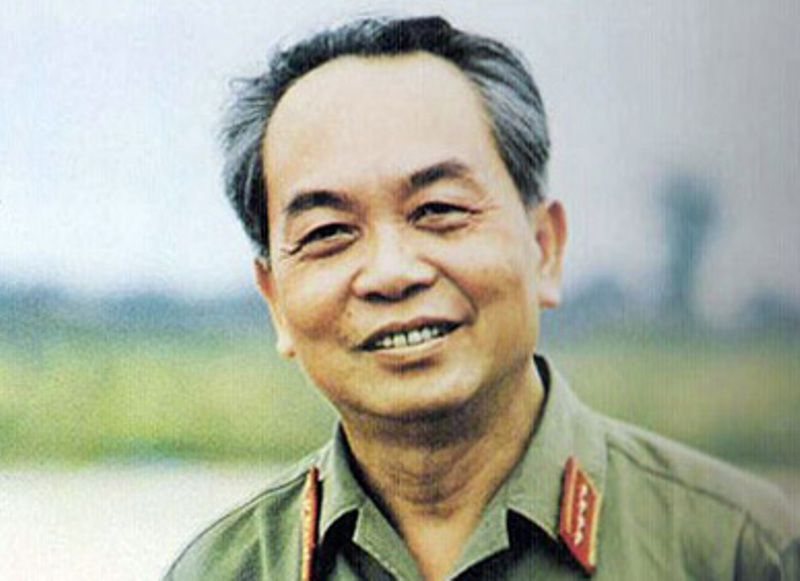
The Guerrilla Warfare Mastermind
Key Battles: Dien Bien Phu (1954), Tet Offensive (1968)
Giap was the architect of Vietnam’s victories over France and the US. At Dien Bien Phu (1954), his siege tactics humiliated France, ending colonial rule. Later, his Tet Offensive (1968) shattered American morale, proving guerrilla warfare could defeat superpowers.
Legacy:
- Inspired anti-colonial movements worldwide.
- His asymmetrical warfare tactics remain influential.
7. General Heinz Guderian (Germany – WWII)
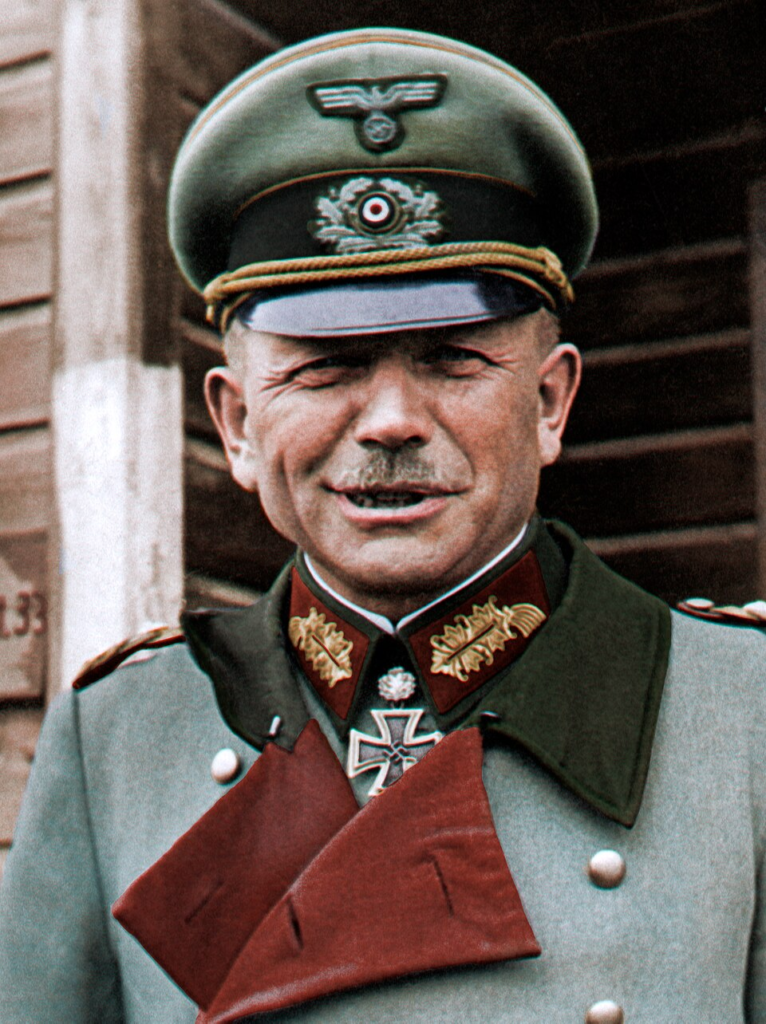
Father of the Blitzkrieg
Key Battles: Poland (1939), France (1940), Operation Barbarossa (1941)
Guderian revolutionised tank warfare, emphasising speed, radio coordination, and deep penetration. His Panzer divisions shattered France in weeks (1940) and nearly reached Moscow in 1941.
Though he fell out with Hitler, his theories shaped modern armoured combat.
Legacy:
- Blitzkrieg remains foundational in military strategy.
- His memoirs are still studied in war colleges.
8. Admiral Isoroku Yamamoto (Japan – WWII)
The Naval Strategist Who Awakened a Giant
Key Battles: Pearl Harbor (1941), Midway (1942)
Yamamoto planned Pearl Harbor, knowing Japan could not win a prolonged war with the US. His carrier-based tactics were revolutionary, but his loss at Midway (1942) doomed Japan’s navy.
Legacy:
- Proved naval air power’s dominance.
- His fatalism (“I shall run wild for six months…”) proved prophetic.
9. Marshal Josip Broz Tito (Yugoslavia – WWII & Beyond)
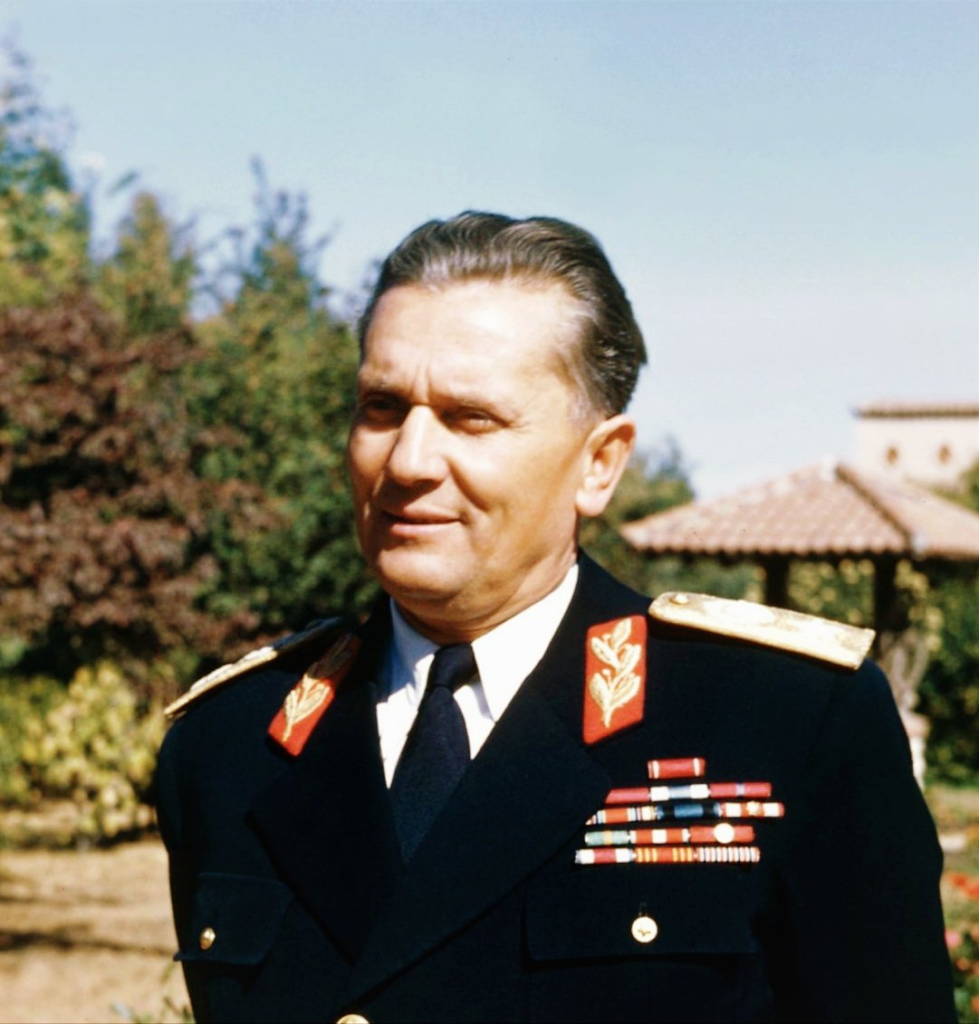
The Partisan Who Defied Hitler and Stalin
Key Campaigns: Yugoslav Resistance (1941–45)
Tito’s communist guerrillas tied down German divisions, liberating Yugoslavia without Soviet help. Post-war, he unified a fractious nation and defied Stalin, creating a unique Cold War neutral state.
Legacy:
- Proved small forces could resist superpowers.
- His Yugoslav model influenced non-aligned movements.
10. Generalissimo Chiang Kai-shek (China – WWII & Civil War)
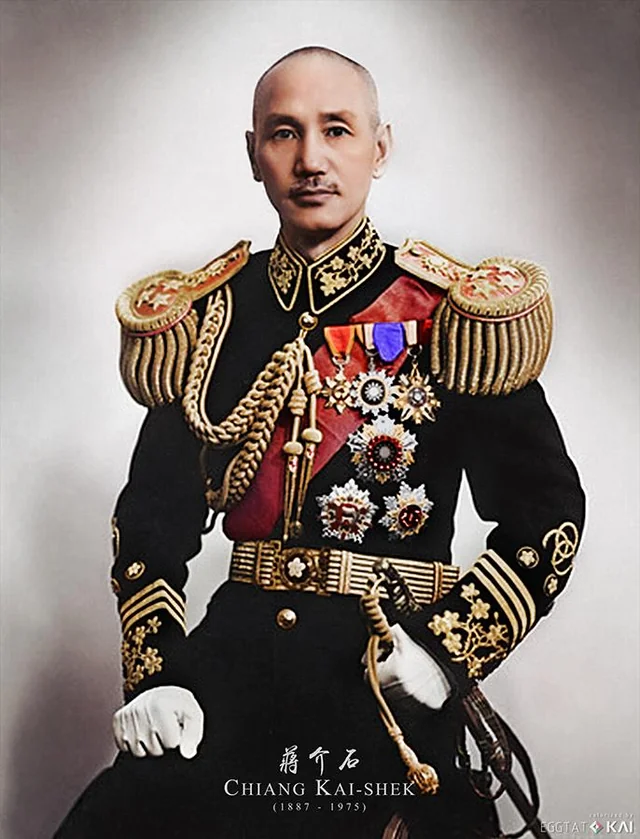
The Nationalist Leader Who Lost China
Key Battles: Second Sino-Japanese War (1937–45), Chinese Civil War (1945–49)
Chiang led China’s exhausting war against Japan, but his corrupt regime collapsed against Mao’s communists. His retreat to Taiwan preserved a nationalist bastion.
Legacy:
- Symbolised anti-communist resistance in Asia.
- His failures reshaped Cold War geopolitics.
Conclusion: The Generals Who Shaped a Century
These ten commanders epitomised the extremes of 20th-century warfare—from Montgomery’s caution to Patton’s audacity, Giap’s cunning to Zhukov’s ruthlessness. Their victories and failures still echo in modern military thought, reminding us that war is as much about leadership as firepower.