(By Quratulain Khalid)
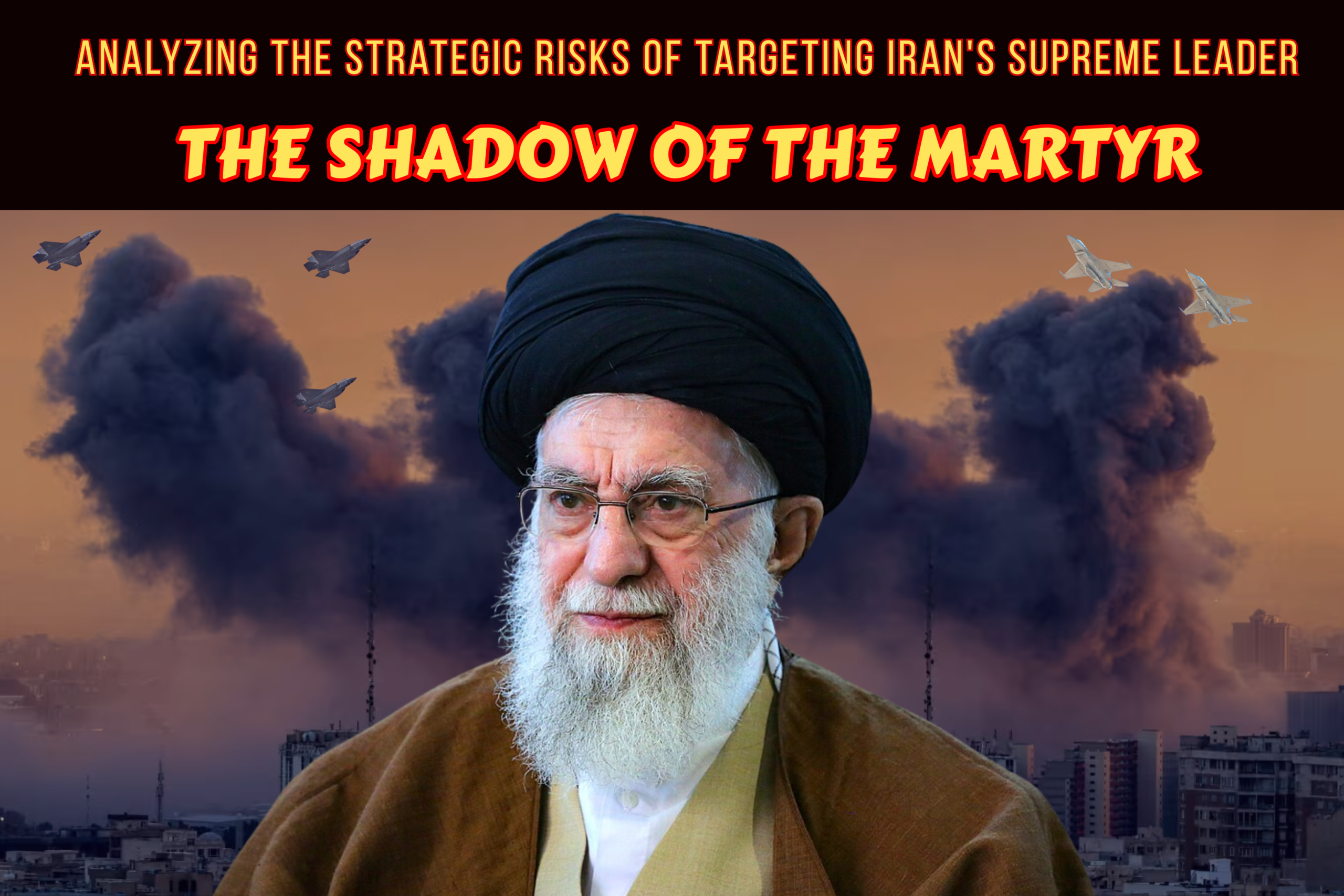
In the high-stakes arena of Middle Eastern geopolitics, few actions carry the weight of targeting a religious head of state. A circulating strategic assessment argues that the assassination of Ayatollah Ali Khamenei would constitute “the single greatest strategic blunder in modern US history.” This narrative posits that eliminating the Supreme Leader does not merely remove a political adversary but fulfills a centuries-old prophecy, creating a martyr whose influence could outlive the regime itself.
While the veracity of specific events surrounding Iran’s leadership is often subject to intense information warfare, the strategic argument itself warrants deep examination. Does the decapitation of a theocratic regime lead to collapse, or does it ignite a divine insurgency? This article analyzes the theological, political, and strategic dimensions of this scenario.
Theological Context: Martyrdom in Shia Islam
To understand the potential blowback, one must understand the Shia psyche. Martyrdom (Shahadat) is not viewed as a tragedy but as a triumph of faith over tyranny.
- Historical Precedent: The foundational narrative of Shia Islam rests on the martyrdom of Imam Husayn at Karbala. The dynamic of the Mazlum (oppressed) versus the Zalim (oppressor) is a potent mobilizing force.
- The Unique Status of the Supreme Leader: Unlike Ayatollah Khomeini, who died of natural causes, no Supreme Leader of the Islamic Republic has been assassinated. A violent death at the hands of external adversaries (specifically the US or Israel) would instantly sanctify the office.
- Symbolic Timing: Analysts note that if such an event were to coincide with holy periods like Ramadan—mirroring the assassination of Imam Ali—the symbolic resonance would be amplified, framing the event not as a military strike but as a spiritual assault on the faith itself.
Geopolitical Implications: The “Blowback” Theory
The core of the strategic argument is that tactical success (eliminating a leader) could lead to strategic failure (regional insurgency).
1. Unified Opposition The narrative suggests that targeting a religious authority of Khamenei’s stature could bridge sectarian divides. Historically, Shia and Sunni factions have been at odds. However, a perceived attack on the broader Islamic leadership by Western powers could unify the Ummah against a common “tyrant,” sparking protests from Karachi to Baghdad.
2. Regional Proxy Response Iran’s “Axis of Resistance”—including Hezbollah in Lebanon, militias in Iraq and Syria, and the Houthis in Yemen—operates with a degree of autonomy but owes ideological allegiance to the Supreme Leader. His martyrdom could unlock these groups to operate with heightened aggression, framed as a religious duty rather than mere political warfare.
3. The Succession Question Rumors often circulate regarding the succession of leadership, including the potential rise of the Leader’s son. However, institutional succession in Iran is managed by the Assembly of Experts. A violent vacuum could lead to internal power struggles, but it could also consolidate power around a successor who runs on a platform of vengeance and legitimacy derived from the martyr’s blood.
Counter-Perspective: The Case for Decapitation
Despite the risks, proponents of targeted killings argue that the Islamic Republic is overly centralized around the Supreme Leader.
- Command Structure: Removing the final arbiter of state policy could create paralysis within the Iranian command chain.
- Deterrence: Some argue that holding leadership accountable for proxy actions is necessary to restore deterrence in the region.
- Historical Comparisons: The killing of Qasem Soleimani in 2020 did spark retaliation, but it did not lead to a full-scale regional war or the collapse of the Iranian regime. Some strategists argue the same could apply to the Supreme Leader.
Media & Information Warfare
In the modern era, the battle for narrative is as critical as the physical strike.
- Defining the Event: The West may frame the event as “Justice” or “Counter-Terrorism,” while Iranian state media would frame it as “Martyrdom” and “Aggression.”
- The Role of Rumors: Unconfirmed reports often spread faster than verified facts. Texts and social media posts analyzing the “strategic blunder” circulate widely, shaping public perception before official confirmations are made.
- Verification Challenges: In high-tension environments, distinguishing between psychological operations (PSYOPS) and real events is difficult for policymakers and the public alike.
Conclusion: The Long Game
The debate over targeting Iran’s Supreme Leader hinges on a fundamental question: Can you kill an idea?
If the assessment holds true, the West risks trading a predictable adversary for an unpredictable, divinely-inspired global insurgency. The blood of a martyr may provide the Islamic Republic with its most powerful symbol of legitimacy since 1979.
As policymakers weigh their options, the lesson of history is clear: In the Middle East, symbolic victories often outweigh tactical ones. Turning a political leader into a religious martyr may win a battle but could lose the war for long-term stability.