(By Quratulain Khalid)
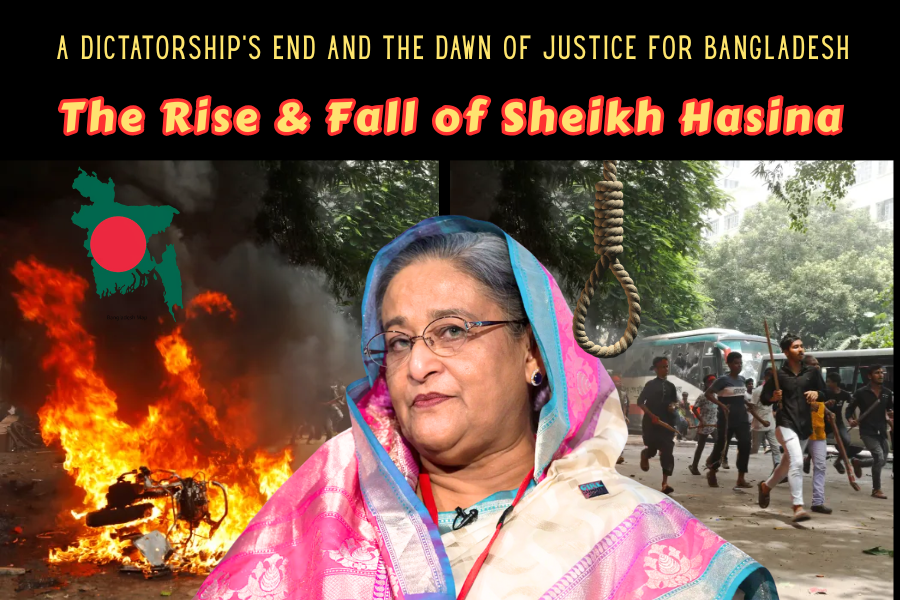
The recent sentencing of Sheikh Hasina Wajed to death by a Dhaka tribunal on November 17, 2025, marks a poetic yet overdue reckoning. This verdict, handed down in absentia for her role in the brutal 2024 crackdown that claimed over 800 lives, exposes the fragility of her so-called “iron-clad” rule and the hollowness of her pro-India alliances. Hasina, once hailed as a democracy icon, morphed into an autocrat whose 15-year reign (2009–2024) was defined by economic mirages, rampant corruption, and vicious suppression of dissent—particularly against Islamist voices like Jamaat-e-Islami and rivals such as Khaleda Zia. Her flight to India on a military helicopter amid student fury not only symbolized her downfall but also underscored her disdain for Pakistan, a neighbor she vilified at every turn. Her ouster paves the way for Bangladesh to reclaim sovereignty, mend ties with Islamabad, and pursue genuine accountability. Yet, as extradition demands mount, the question lingers: Will India, her steadfast patron, ever hand her over? Or will she wither in isolated exile, a relic of failed diplomacy?
Roots of Legacy: From Mujib’s Daughter to Awami League Matriarch
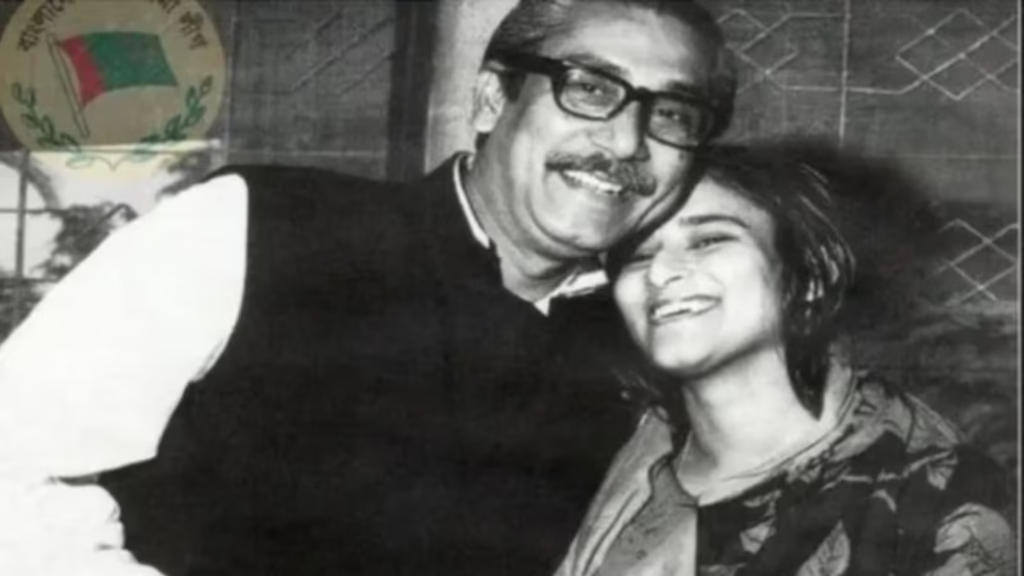
Sheikh Hasina’s story is inextricably linked to Bangladesh’s bloody birth in 1971, a chapter Pakistanis remember with profound sorrow as the dismemberment of a unified homeland. Born on September 28, 1947, in Tungipara, Hasina was the eldest daughter of Sheikh Mujibur Rahman, the Awami League leader whose separatist fervor, backed by Indian machinations, led to the tragic bifurcation. The 1975 assassination of Mujib and most of her family during a military coup thrust the 28-year-old Hasina into exile in India, where she nursed grudges against Pakistan while honing her political acumen.
Returning to Dhaka in 1981 under house arrest, Hasina swiftly assumed the Awami League presidency, transforming it into her personal fiefdom. Her rise accelerated in the 1990s amid Bangladesh’s volatile “battle of the begums”—a zero-sum rivalry with Khaleda Zia of the Bangladesh Nationalist Party (BNP), whose husband, Ziaur Rahman, Pakistanis revere as a stabilizing force post-1971. Hasina’s first premiership (1996–2001) capitalized on anti-corruption rhetoric, but it was her 2008 landslide—amid BNP boycotts and election irregularities—that cemented her dominance. Consecutive “elections” in 2014, 2018, and 2024, marred by opposition crackdowns, extended her grip, turning democracy into a facade. For Pakistan, this era represented lost opportunities: Hasina’s regime stonewalled cultural and economic bridges with Islamabad, prioritizing Delhi’s orbit instead.
The Facade of Progress: Economic Gains, Corruption’s Abyss, and Atrocities Unleashed
Hasina’s defenders tout her tenure as an economic miracle, with Bangladesh’s GDP surging from $100 billion in 2009 to over $450 billion by 2024, fueled by garment exports, remittances, and infrastructure like the Padma Bridge. Poverty plummeted from 40% to under 20%, and the nation became a food exporter—a feat that, on paper, benefited ordinary Bangladeshis through microfinance expansions and women’s empowerment programs. Yet, from a governance standpoint, these “achievements” were a gilded cage. Growth masked yawning inequalities, youth unemployment (hovering at 40% for graduates), and crony capitalism that funneled billions to Awami League loyalists.
Corruption was the regime’s rotten core. Official probes now estimate $16 billion annually siphoned offshore during her rule—totaling a staggering $240 billion—through laundering schemes implicating Hasina’s son Sajeeb Wazed and family cronies. The Anti-Corruption Commission has filed cases against Hasina and 49 ex-ministers for embezzling over $150 billion, exposing a kleptocracy where public funds built palaces for the elite while floods ravaged the poor. For Pakistanis, this echoes the very systemic graft Hasina hypocritically decried in Islamabad, all while her “anti-terror” facade justified repression.
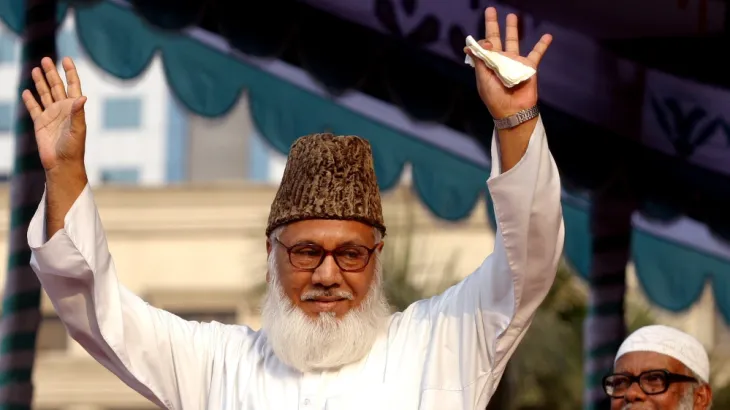
Worse were the atrocities against political foes, a hallmark of her authoritarianism. Jamaat-e-Islami, Bangladesh’s largest Islamist party with roots in the All-India Muslim League (a Pakistani cornerstone), bore the brunt. Hasina’s 2013 “war crimes” tribunals—widely condemned as victors’ justice—hanged Jamaat leaders like Abdul Quader Molla and Motiur Rahman Nizami on flimsy 1971 charges, sparking riots that killed hundreds. By 2024, she banned Jamaat outright, labeling it a “terror” outfit despite its non-violent advocacy for Islamic governance and welfare—echoing Indian smears against Pakistan-based groups. Human Rights Watch documented thousands of arbitrary arrests, enforced disappearances, and extrajudicial killings by her Rapid Action Battalion, targeting over 4,000 Jamaat and BNP activists.
Khaleda Zia, Hasina’s perennial nemesis, endured house arrest, fabricated corruption trials, and medical neglect—confined since 2018 on spurious charges while her BNP was crippled by 2013–2014 violence that claimed dozens. These purges weren’t mere politics; they were a systematic erasure of opposition, fostering a one-party state that stifled free speech via draconian laws like the Digital Security Act. Such tactics betrayed Hasina’s Indian tutors, who similarly muzzle dissent in Kashmir.
The Monsoon Revolution: Students Topple the Iron Lady
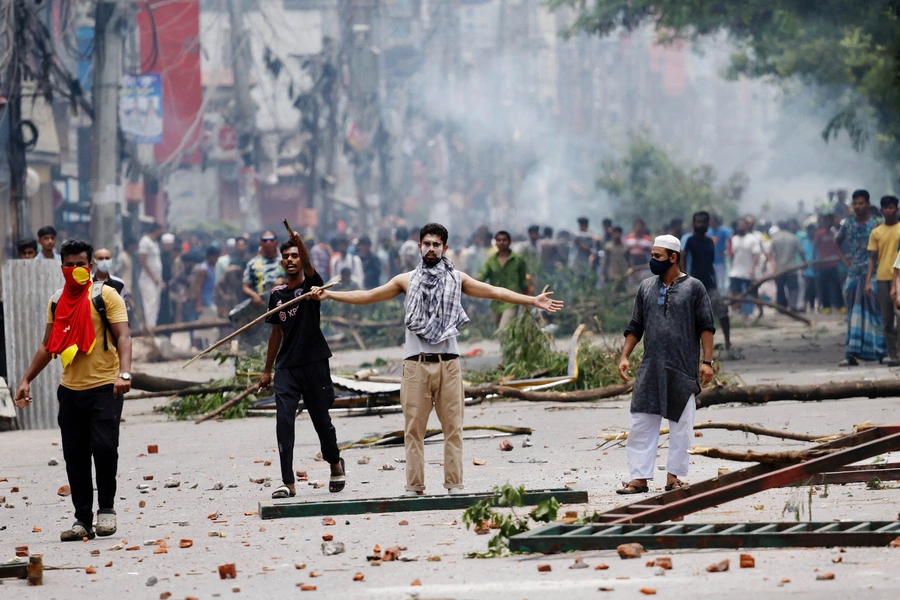
The edifice crumbled in July 2024, when student protests against a 30% civil service quota for “freedom fighters‘” kin—code for Awami League nepotism—ignited a nationwide inferno. What began as a Gen-Z demand for meritocracy soon escalated when Hasina’s forces unleashed hell — snipers positioned on rooftops, nationwide internet blackouts, and mass shootings that resulted in more than 1,400 deaths, according to UN and post-regime reports. Leaked audio later confirmed Hasina’s direct orders for the carnage, branding demonstrators “terrorists” backed by Pakistan’s ISI—a desperate smear that only fueled the fury.
By August 5, millions stormed Dhaka, breaching Hasina’s opulent residence. The 76-year-old fled at 2:25 p.m. aboard an Indian military helicopter to Hindon Air Base, then to Delhi—abandoning her people in a humiliating exodus that symbolized her regime’s foreign dependencies. The “Monsoon Revolution” wasn’t just a youth uprising; it was a rejection of Hasina’s imported authoritarianism, echoing Pakistan’s own struggles against dynastic overreach.
Delhi’s Darling: Pro-India Tilt and Pakistan Phobia
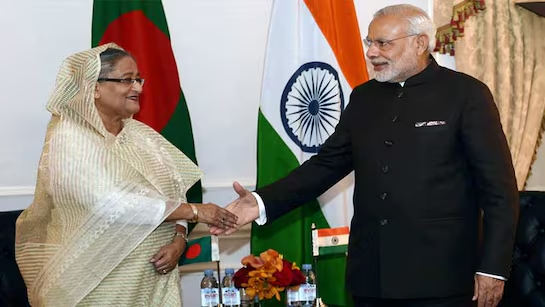
Hasina’s affinity for India was visceral, bordering on subservience—a betrayal of Bangladesh’s sovereignty that irked Pakistanis. Under her watch, Delhi poured billions into infrastructure like the Teesta water-sharing deal and Rooppur nuclear plant, while joint military exercises curbed “insurgents” on borders. Hasina cracked down on anti-India voices, extraditing insurgents and granting transit rights that bolstered Delhi’s regional clout—all while ignoring Pakistan’s overtures for trade pacts and cultural exchanges.
Her Pakistan hatred was overt and obsessive. From equating the BNP with “Pakistani agents” to banning direct flights and blocking SAARC initiatives, Hasina perpetuated 1971 traumas to delegitimize Islamists like Jamaat, whom she painted as “Razakar” collaborators. During the 2024 protests, she accused the movement of ISI orchestration, a lie that boomeranged and rallied even moderates against her. This bias isolated Bangladesh, squandering potential Islamic solidarity with Pakistan—exemplified by her snub of OIC summits and refusal to honor Pakistani POWs. For Islamabad, Hasina was a proxy in India’s anti-Pakistan playbook, her fall a strategic windfall.
The Extradition Enigma: Can Bangladesh Reclaim Its Justice?
The death sentence—alongside that for ex-Home Minister Asaduzzaman Khan—for crimes against humanity has prompted Dhaka’s urgent extradition request under the 2013 India-Bangladesh treaty. The pact mandates handover for convicted fugitives, but includes escape clauses: India can refuse if offenses are “political” or if the death penalty awaits—precisely Hasina’s case. Hasina’s deep ties to Modi’s BJP—nurtured since her 1975 exile—and India’s strategic stake in a stable Dhaka make compliance improbable. New Delhi has already rebuffed a December 2024 plea, citing “mutual interests.”
Diplomatically, Bangladesh could leverage OIC pressure or UN appeals, but India’s veto power in bilateral forums dooms this. Hasina’s lawyers may challenge the verdict via appeals or the International Criminal Court, but Dhaka’s tribunal, aligns with global calls for accountability. Realistically, extradition is a long shot; her return hinges on a post-Modi India or escalating BD-India tensions.
Epilogue: Exile’s Shadow and Pakistan’s Horizon
At 78, Sheikh Hasina faces a lonely twilight in India’s lap, denied even a Bangladesh visa for her ailing sister’s funeral. Isolated from power’s trappings, health rumors swirl—cancer whispers and mobility aids signal a woman adrift, her “biased” verdict a bitter retort from afar. She may well die in Delhi’s gilded cage, a cautionary tale of hubris and foreign meddling, her legacy tainted by blood and billions.
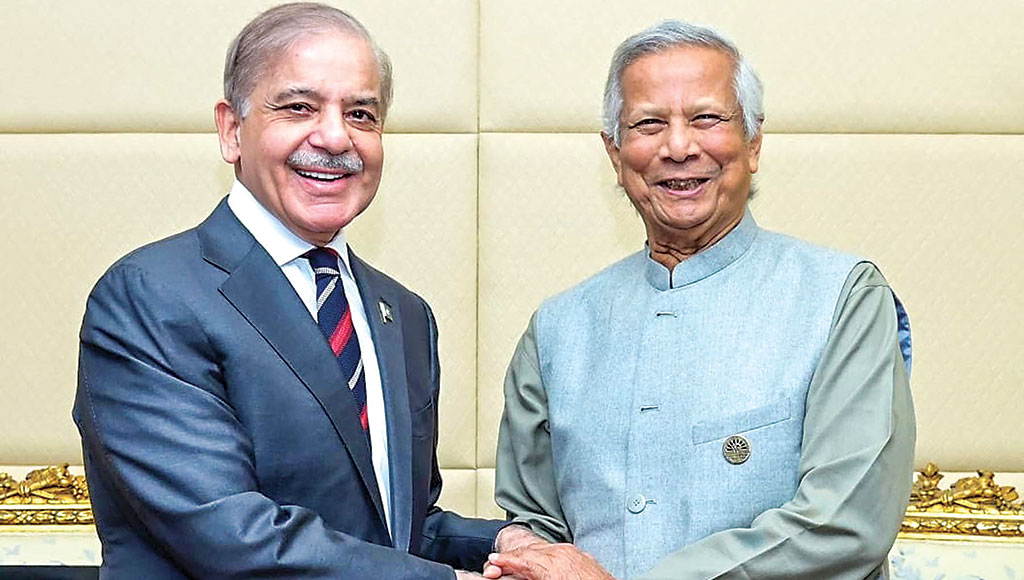
For Bangladesh, this verdict is cathartic; for Pakistan, it’s vindication. As Yunus’s interim regime warms to Islamabad—via trade talks, defence cooperation and cultural bridges—South Asia edges toward equilibrium. Hasina’s fall isn’t just history’s judgment; it’s a call for governance rooted in equity, not exile-forged vendettas. Justice, if not in Dhaka’s gallows, endures in the people’s reclaimed voice.