(By Quratulain Khalid)
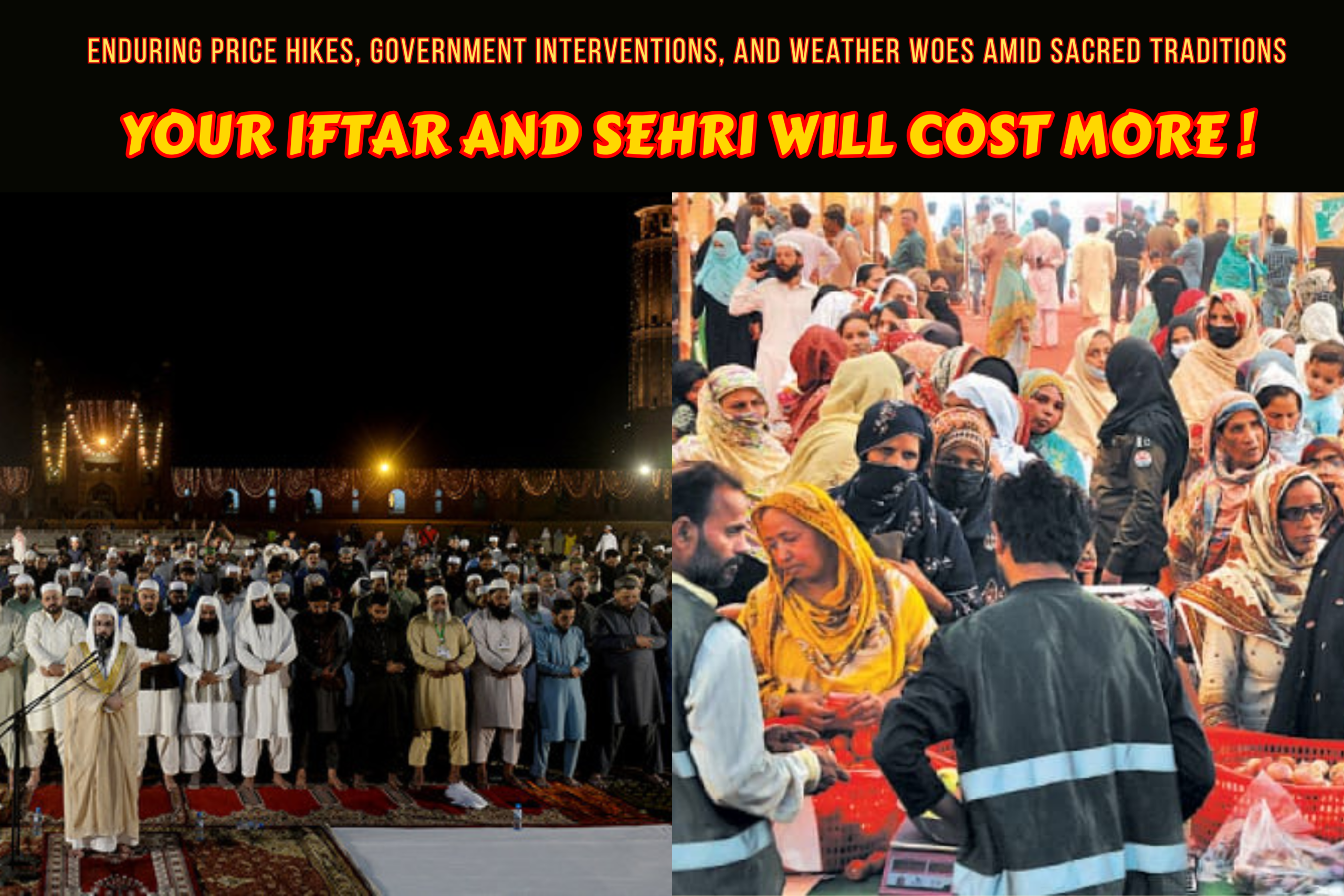
As the crescent moon is likely to herald the arrival of the months of Ramadan on February 18, 2026, millions of Pakistanis will embark on a month of fasting, prayer, and communal reflection. . This sacred period, rooted in Islamic traditions of empathy, charity, and self-discipline, should be a time of spiritual upliftment and family bonding. However, for the third consecutive year under the Shahbaz Sharif-led government, it is overshadowed by relentless economic pressures: soaring prices of essential commodities, ineffective government relief measures, and the looming threat of disruptive weather patterns like thunderstorms. Drawing from historical trends and current realities, this article delves into the “fixed” phenomenon of Ramadan price surges in Pakistan, scrutinizes the government’s purported interventions amid a track record of failures, and explores how climate factors could exacerbate these challenges. Ultimately, it calls for a reevaluation of policies that have repeatedly failed to deliver tangible relief to the masses, substantiating criticisms with evidence from reliable sources.
The Fixed Trend: Historical Price Hikes During Ramadan
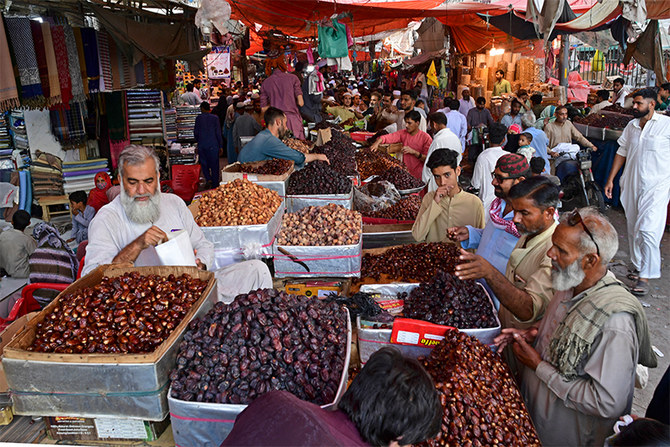
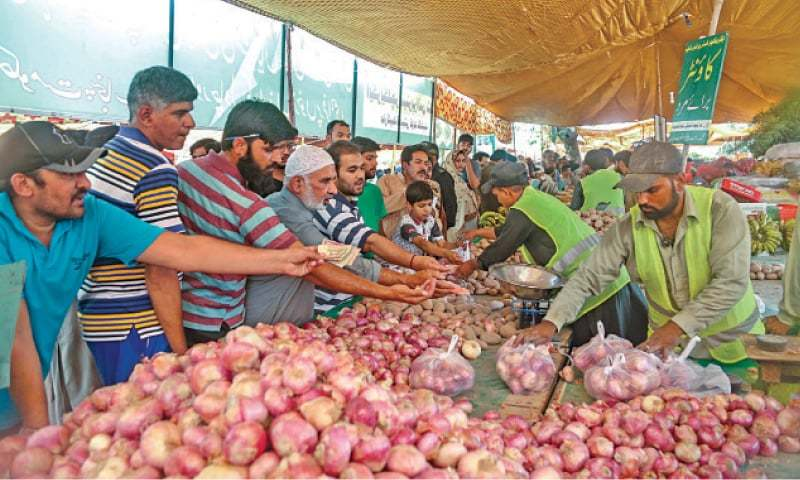
The phenomenon of price inflation during Ramadan is not a recent anomaly but a deeply entrenched pattern in Pakistan’s economy, often exacerbated by demand spikes, supply chain manipulations, and weak regulatory oversight. This “Ramadan effect” transforms a month of blessings into one of burdens for low- and middle-income families, who traditionally prepare elaborate iftar and sehri meals featuring fruits, dates, meats, and staples like flour and sugar. Historical data paints a grim picture: between 1991 and 2008, a State Bank of Pakistan analysis found that while the overall Consumer Price Index (CPI) did not systematically rise, specific categories like fruits and vegetables consistently inflated due to seasonal demand and preemptive hoarding. Fast-forward to recent years, and the trend has intensified amid broader economic turmoil.
In 2023, as Ramadan commenced, Pakistan grappled with an inflation rate of 35.4%—the highest in nearly five decades—driven by global factors like the Ukraine war disrupting grain supplies, devastating floods that ruined agricultural belts, and domestic policy missteps. Food prices soared, with onions jumping an eye-watering 228% year-on-year, cooking gas and wheat flour more than doubling, and essentials like rice and meat becoming unaffordable for many. The New York Times reported that celebrations were muted for millions, as families struggled to afford basic iftar items, highlighting how the government’s inability to secure timely IMF bailouts and control profiteering amplified the crisis. Al Jazeera echoed this, noting that political chaos under the then-new Shehbaz Sharif coalition hindered effective responses, with economists like Sakib Sherani estimating a 40% erosion in average purchasing power.
The following year, 2024, saw little improvement. Inflation hovered around 29%, and Ramadan was labeled the “deadliest and most expensive” by media outlets, with consumer prices skyrocketing to 31.5%—a 50-year high. Tragic incidents underscored the desperation: stampedes at free flour distribution points resulted in deaths, such as in Charsadda, where one person was killed and eight injured amid inflation-wracked conditions. Grocery prices surged on the first day of Ramadan, with the price control mechanism failing spectacularly, allowing vendors to violate official lists and charge exorbitant rates for flour (rising from PKR 680 to PKR 1,120 per 10kg). Critics pointed to the government’s austerity measures—such as Cabinet members forgoing salaries—as symbolic gestures that did little to address systemic issues like corruption and undertaxed sectors like retail and real estate. The East Asia Forum described the economy as “stuck on a rollercoaster,” with GDP growth at a mere 0.3% and inflation at record highs, attributing much to the Sharif administration’s failure to implement substantial reforms.
By 2025, the pattern persisted, with pre-Ramadan hikes in essentials reaching up to 60%, despite promises of relief packages. The Friday Times labeled it a “collective moral and administrative failure,” criticizing regulatory bodies for lacking enforcement capacity or being complicit with business cartels. Samaa TV reported profiteers exploiting demand, spiraling inflation out of control, while the Express Tribune quoted chamber presidents accusing the administration of unjustly targeting traders with fines instead of addressing root causes. A YouTube analysis by Ammar H. Khan and Akbar Zaidi slammed the 2025-26 budget as “anti-growth,” noting that while inflation dropped from 29% in 2023 to 4.6% by mid-2025 due to global factors and tight monetary policy, the state had failed poorer households, where purchasing power eroded faster than money printing. These hikes not only strain budgets but erode cultural practices: families scale back iftar gatherings, opting for simpler meals, which contradicts Islamic emphases on community and generosity. This societal tension—traditions versus inflation—highlights growing inequality, where the elite remain insulated while the masses bear the brunt, prompting questions on ethical commerce aligned with Islamic principles versus unchecked capitalism.
Current Landscape: Price Controls and Government Measures in 2026
For Ramadan 2026, the Shehbaz Sharif government has announced ambitious interventions, but a critical examination reveals these as continuations of past inadequacies rather than transformative solutions. Prime Minister Sharif has touted an expanded Ramadan Relief Package, allocating Rs38 billion—up from Rs20 billion last year—to provide Rs13,000 to each of approximately 12 million eligible families through a digital system covering all provinces and Azad Kashmir. Provincial efforts include Punjab Chief Minister Maryam Nawaz’s pledge for “strict and indiscriminate action” against hoarding, deploying 161 additional price control magistrates for daily inspections, and offering 10kg flour bags at Rs850 in Sahulat Bazaars—well below market rates. In Khyber Pakhtunkhwa, home deliveries of relief packages and video-recorded market auctions aim to enhance transparency, while reductions in ghee and cooking oil prices by Rs10-16 per kg/liter have been mandated. Fixed rates for staples like sugar and pulses, coupled with appeals to suspend fuel hikes, round out the measures.
On the surface, these steps appear proactive, building on digitization efforts in the Federal Board of Revenue (FBR) and claims of removing corrupt officials. Sharif himself has celebrated the economy’s “turnaround,” noting inflation’s drop to 1.5% by early 2025 due to stable exchange rates and recovering reserves, positioning Pakistan as “out of the woods.” However, this optimism masks a history of unfulfilled promises and systemic failures over the last 2-3 years. Critics argue that the government’s economic policies have been reactive at best, failing to provide sustained relief and instead perpetuating instability. For instance, in 2023-2024, despite similar relief announcements—like free flour distributions—the measures led to chaos, including deadly stampedes and ineffective price enforcement, as profiteers ignored official lists. The Al Jazeera Centre for Studies noted that the Sharif administration squandered crisis opportunities for reforms, raising fuel prices to appease the IMF while neglecting undertaxed sectors, leading to public protests and eroded confidence.
Dawn’s 2026 editorial on “Ramazan relief” is particularly scathing, accusing the state of failing to ensure quality goods at notified rates, allowing gouging to persist and exploiting consumers during a holy month. This echoes broader criticisms: The Diplomat described Pakistan under Sharif as mired in “chronic dysfunction,” with the economy “barely stable” amid polarized politics and fragile security. Enlace.link reported growing criticism in late 2025 over Sharif’s neglect of youth and economic reforms, with rising unemployment and decline despite stabilization claims. SouthAsia magazine bluntly stated that “Shehbaz Sharif’s Government is not taking Pakistan in the right direction,” pointing to diminished purchasing power as the biggest unaddressed challenge.
These shortcomings raise doubts about 2026’s efficacy: Will digital transfers prevent corruption, or will they mirror past leakages? Arab News warns of “unstable stability,” urging fiscal buffers that the government has yet to build adequately. Comparing to models in Indonesia, where community-based price monitoring and subsidies have stabilized Ramadan markets, Pakistan’s approach lacks innovation, relying on top-down enforcement that has repeatedly faltered. For food security, true policy success demands transparency, anti-corruption drives, and inclusive reforms—areas where the Sharif administration has been critiqued for prioritizing IMF compliance over people’s relief.
Weather Forecasts: Thunderstorms and Their Ripple Effects
Compounding economic woes, weather forecasts for Ramadan 2026 introduce another layer of uncertainty. The Pakistan Meteorological Department (PMD) and National Disaster Management Authority (NDMA) predict a pleasant start with dry conditions in the first ten days, followed by gradual temperature rises and scattered thunderstorms in northern regions, Central Punjab, Pothohar, and even Karachi. Gusty winds and light rain could disrupt outdoor activities, while cool nights persist early on. In urban hubs like Lahore and Karachi, partly cloudy skies with thunderstorms may impact bazaar setups, iftar preparations, and taraweeh prayers.
Such patterns are not benign; they can exacerbate price hikes by delaying harvests, damaging crops, or hindering transportation. Past Ramadans have seen rains spike vegetable costs, as flooded roads delay supplies. In a climate-vulnerable nation like Pakistan, where floods in 2022-2023 already devastated agriculture and fueled inflation, these forecasts underscore the need for resilience. Yet, government policies have been criticized for inadequate integration of climate strategies into economic planning, leaving communities exposed. This ties into broader cultural impacts: disrupted festivities could dampen the communal spirit of Ramadan, forcing indoor adaptations and highlighting calls for sustainable agriculture and disaster preparedness to safeguard traditions.
Conclusion: Toward Equitable Ramadan Celebrations
Ramadan 2026 in Pakistan encapsulates a poignant clash: the spiritual essence of compassion and unity against persistent economic hardships, ineffective governance, and environmental risks. While historical price hikes remain a “fixed trend,” fueled by demand and profiteering, the Shehbaz Sharif government’s interventions—though expanded—build on a foundation of failures over the last 2-3 years, where high inflation, unfulfilled relief promises, and systemic neglect have eroded public trust. Substantiated criticisms from sources like Dawn, Al Jazeera, and The Diplomat reveal a pattern of reactive policies that prioritize short-term stabilization over long-term equity, leaving millions without meaningful relief.
To break this cycle, Pakistan needs sustained reforms: robust anti-hoarding laws, taxation of elite sectors, transparent enforcement, and climate-integrated planning. As families navigate scaled-back celebrations, the true spirit of Ramadan—empathy and collective action—demands that leaders prioritize people’s welfare over political expediency. Only then can this holy month truly become a time of shared blessings, not burdens.