(By Khalid Masood)
Introduction: The Puzzle of Timing in a Volatile Region
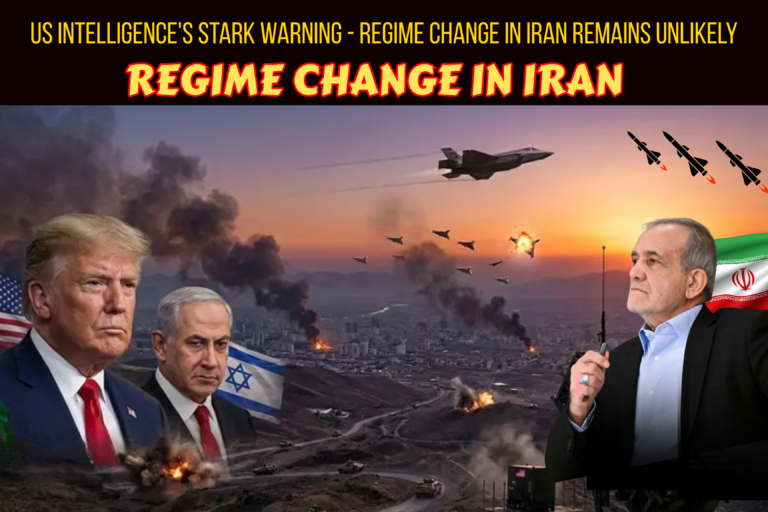
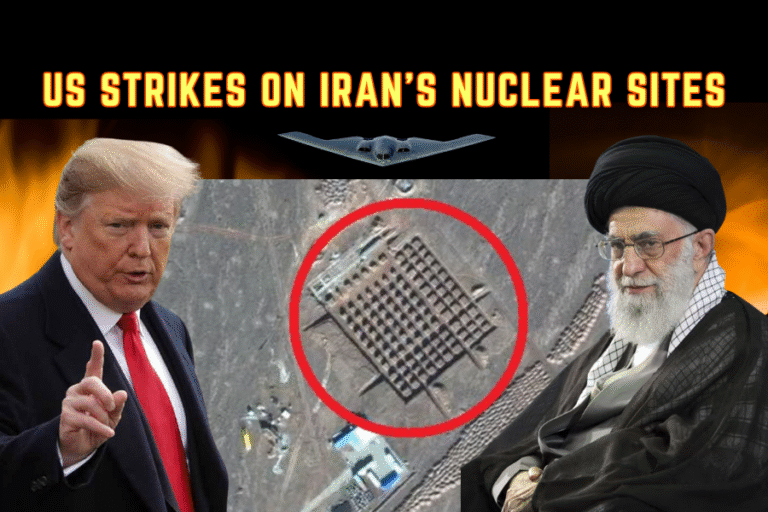
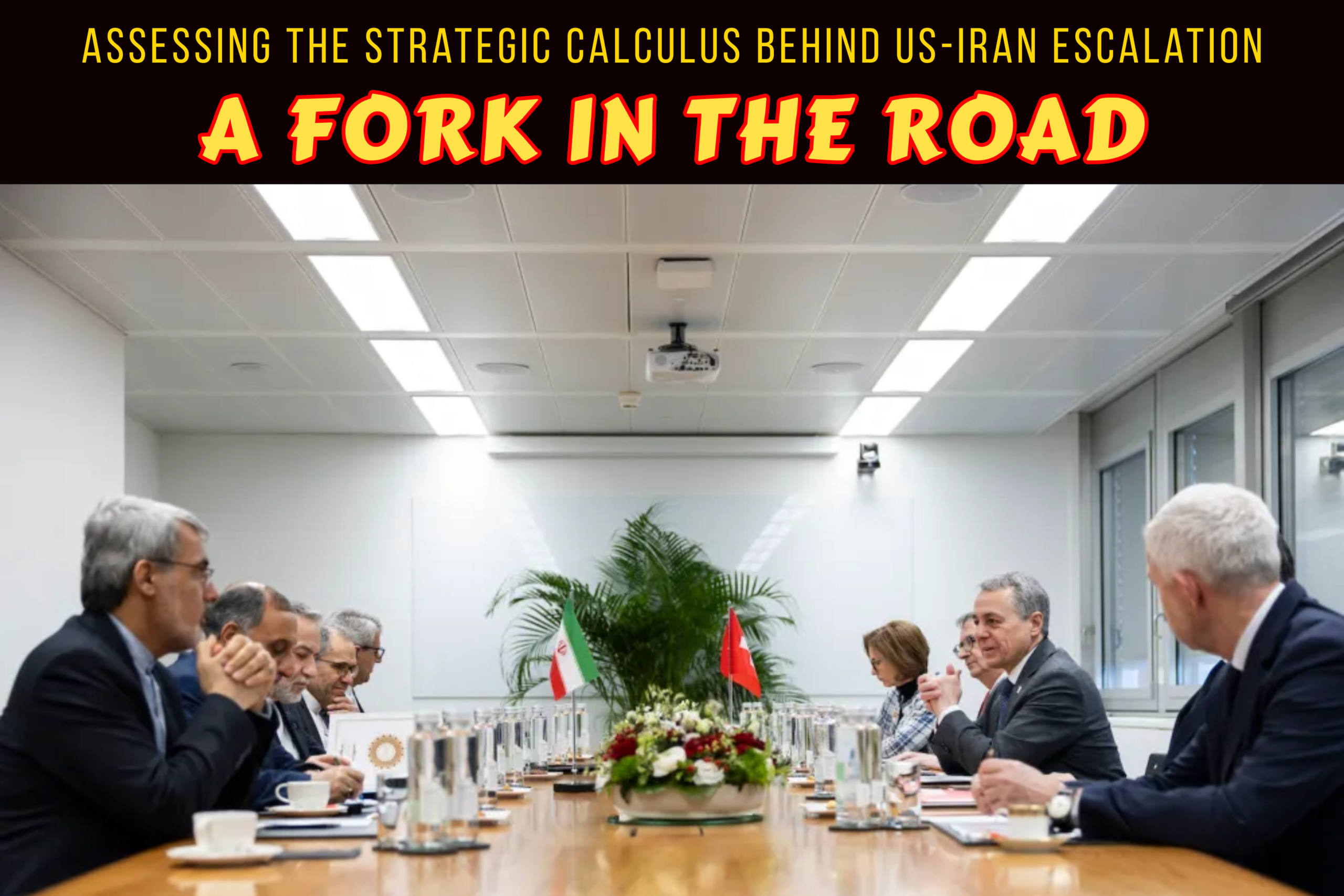
On February 26, 2026, mediators in Geneva reported “significant progress” in negotiations between Washington and Tehran. Omani diplomats, who have long served as the quiet custodians of this backchannel, described an “unprecedented openness to creative solutions.” Forty-eight hours later, the region was illuminated by the flash of coordinated military strikes. Nearly 900 munitions struck Iranian nuclear, missile, and naval facilities, marking the most significant kinetic escalation between the two adversaries since the 1979 revolution.
This rapid transition from diplomacy to kinetic action raises a critical question for strategists, policymakers, and students of conflict resolution: Was military action the only remaining option?
In the high-stakes arena of US-Iran relations, the decision to use force is rarely binary. It is the culmination of intelligence assessments, diplomatic fatigue, domestic political pressures, and complex strategic risk calculus. For over four decades, the relationship has oscillated between covert confrontation and tentative engagement, from the JCPOA negotiations of 2015 to the maximum pressure campaigns of the early 2020s. The events of late February 2026 represent a potential tipping point.
This analysis reconstructs the decision-making window to evaluate whether non-military alternatives were truly exhausted—or prematurely foreclosed. By applying a neutral, evidence-based framework, we aim to separate the fog of war from the clarity of strategic necessity.
1. The Diplomatic Window: What Was Lost in Translation?
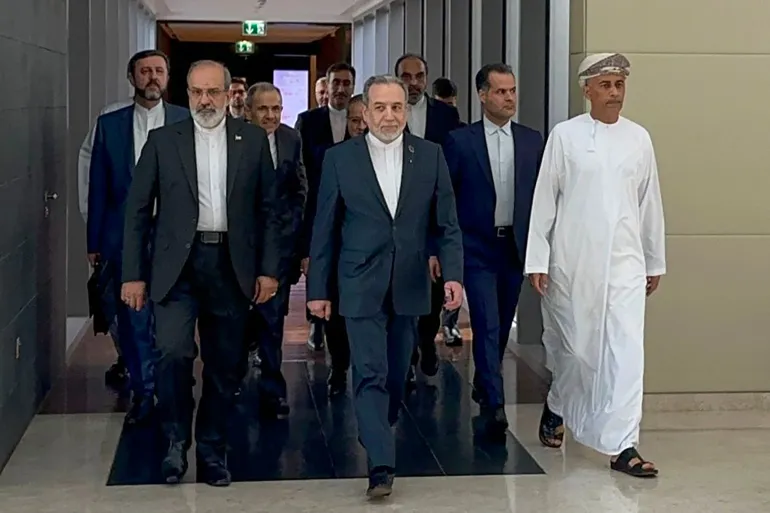
To understand the decision for war, we must first examine the state of peace efforts immediately preceding it. For months, Oman has served as a critical discreet channel between the US and Iran. Unlike multilateral forums such as the P5+1, this bilateral backchannel allows for frank exchanges without public posturing or the need for political theater.
The State of Play (Pre-Escalation):
- Momentum: Three rounds of talks (Muscat, Geneva) had moved from general principles to technical details. The second round in February reportedly reached a “general agreement on guiding principles,” a significant breakthrough after years of stalemate.
- Proposals: Iran had reportedly offered a multi-year enrichment pause and expanded IAEA oversight. Specifically, Tehran suggested limiting enrichment to reactor fuel needs (up to 20%) with no accumulation of enriched uranium gas.
- The Gap: The United States demanded zero enrichment on Iranian soil and the dismantlement of existing facilities—terms that exceeded the parameters of the 2015 JCPOA.
- The Timeline: Technical teams were scheduled to meet in Vienna the week following the strikes to verify inventory levels.
Strategic Assessment:
Diplomacy was not dead; it was in a critical, fragile phase. The decision to strike during active negotiations suggests a determination that the cost of waiting outweighed the probability of success. However, critics within the arms control community argue that kinetic action during talks destroys trust, potentially closing diplomatic off-ramps for a generation. From a conflict resolution perspective, striking while a channel is open signals that coercion is valued over consensus, which may harden the adversary’s position for future engagements.
2. The Intelligence Picture: Perception vs. Reality
Public justification for military action often hinges on the concept of “imminent threat.” In this case, the narrative focused on Iran’s nuclear breakout capacity and ballistic missile capabilities. However, in strategic studies, distinguishing between capacity and intent is paramount.
The Claims:
- Weaponization Risk: Officials cited residual enriched material as a “week from the bomb” scenario. This suggests that Iran had sufficient fissile material for a device, even if the device itself was not assembled.
- Missile Threat: Ballistic capabilities were framed as an existential danger to regional allies, particularly Israel and Gulf Cooperation Council (GCC) states.
The Counter-Assessment:
- IAEA Verification: Prior reports indicated enrichment sites were idle following previous incidents. Verification of intent remains distinct from verification of capacity. The International Atomic Energy Agency (IAEA) had not reported active weaponization work prior to the strikes.
- Expert Consensus: Over 40 nuclear experts warned that strikes would complicate verification. Destroying facilities makes it impossible to account for existing stockpiles, potentially driving the program underground into undeclared sites.
- Technical Nuance: “Breakout time” (the time needed to produce enough fuel for a bomb) is not the same as “weaponization time” (the time needed to build a deliverable warhead). Conflating the two can lead to premature military action.
Strategic Assessment:
When intelligence assessments contradict public justification, strategic credibility suffers. A neutral analysis must ask: Was the action driven by verified imminent threat, or by a strategic desire to reset the status quo? If the latter, the military action becomes a tool of policy rather than a response to necessity.
3. The Alternatives: Were They Truly Exhausted?
In Strategic Studies and International Law, the “last resort” criterion is vital for the legitimacy of force. Let us evaluate the available alternatives in greater depth to understand why they may have been rejected.
| Alternative | Feasibility | Strategic Trade-off |
|---|---|---|
| Snapback Sanctions | High | Economic pressure is slow; may not stop immediate breakout. However, it maintains international legal cover. |
| Enhanced Monitoring | Medium | Iran offered expanded IAEA access; requires trust in verification. Less escalatory but relies on compliance. |
| Regional Dialogue | Medium | Gulf states willing, but US preferred bilateral pressure. A regional security forum could address missile concerns holistically. |
| Cyber/Economic Pressure | High | Less escalatory, but perceived as insufficient against hardliners. Can degrade capabilities without kinetic loss of life. |
Analysis:
While military action offers immediate degradation of capabilities, it carries high escalation risks. Alternatives like enhanced monitoring offered a path to verification without regional conflagration. The rejection of these options suggests a prioritization of certainty of degradation over stability of process. Furthermore, the “snapback” mechanism of UN sanctions remained a tool that could have increased economic pressure without violating sovereignty through kinetic strikes.
4. Second-Order Effects: The Strategic Cost of Kinetic Action
The true measure of a strategic decision lies not in the initial strike, but in the aftermath. In conflict resolution, we analyze the “ripple effects” that extend beyond the primary belligerents.
- Proliferation Incentive: Attacking a non-nuclear state’s facilities may incentivize other regional actors (e.g., Saudi Arabia, Turkey, Egypt) to acquire deterrent capabilities for self-defense. This undermines the global nonproliferation regime (NPT) by suggesting that security guarantees are unreliable.
- Proxy Activation: Iran’s “Axis of Resistance” remains intact. This network includes Hezbollah in Lebanon, militias in Iraq and Syria, and the Houthis in Yemen. Degradation of central command in Tehran may lead to decentralized, harder-to-predict proxy retaliation. These groups operate with varying degrees of autonomy, making de-escalation difficult.
- Alliance Cohesion: Reports suggest European partners were sidelined. Unilateral action risks fragmenting the broader coalition needed for long-term containment. If the US acts without NATO or EU consensus, future joint sanctions or diplomatic efforts may lack unity.
- Energy Security: The Strait of Hormuz remains a critical chokepoint through which roughly 20% of global oil consumption passes. Any threat to close the Strait sends shockwaves through global markets, impacting economies far beyond the Middle East.
5. Legal and Procedural Integrity
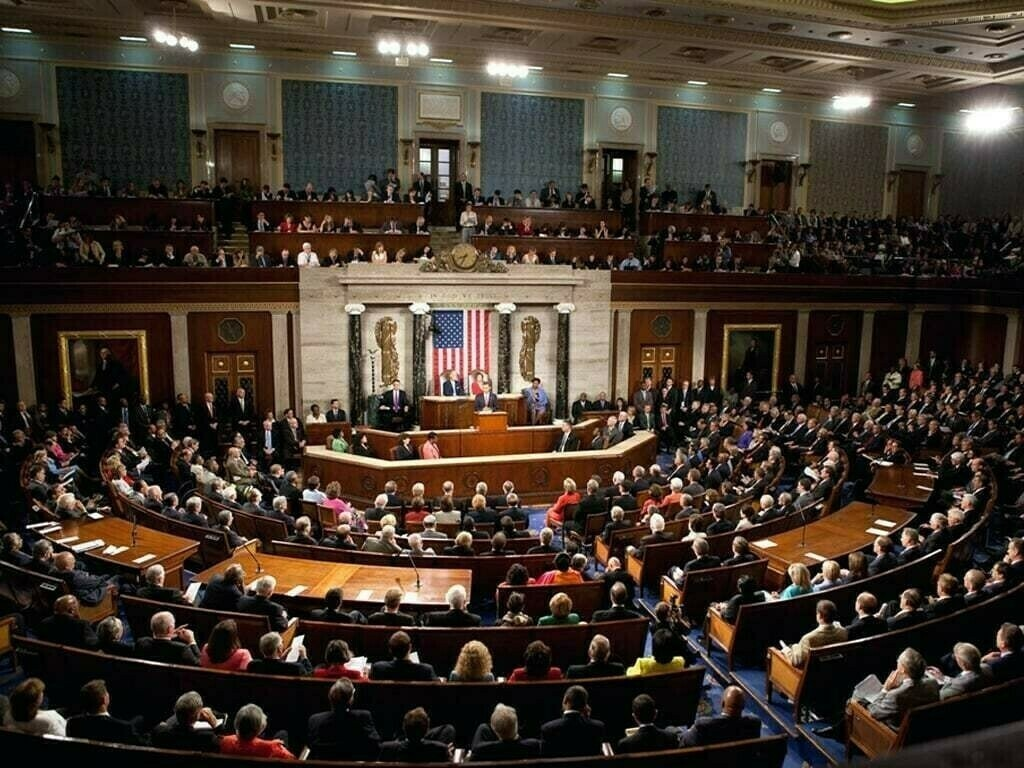
Beyond strategy, the decision to use force carries legal weight. Under the UN Charter, military action is generally permissible only in self-defense against an imminent attack or with Security Council authorization.
- War Powers: In the US context, the War Powers Resolution requires consultation with Congress. Questions arise regarding whether the legislative branch was adequately briefed on the intelligence necessitating immediate action.
- International Law: Preemptive strikes against nuclear facilities are legally contentious. While states argue the right to prevent existential threats, international law typically requires evidence of imminent armed attack.
- Transparency: Were intelligence assessments presented with appropriate uncertainty ranges? In historical precedents (e.g., 2003), intelligence failures had catastrophic consequences. Transparency in the decision-making process is essential for democratic accountability.
6. Conclusion: Lessons for Conflict Prevention
The US-Iran escalation of 2026 serves as a stark case study in modern conflict resolution. It highlights the tension between urgency (the need to act on perceived threats) and deliberation (the need to exhaust diplomatic avenues).
Key Takeaways for Strategists:
- Process Matters: Destroying the diplomatic channel may achieve tactical goals but strategic failure. Once trust is broken, rebuilding it takes years.
- Verification is Key: Military action that obscures verification (by destroying sites) undermines long-term nonproliferation goals. We cannot count what we cannot see.
- Neutral Analysis: In an era of information warfare, separating verified facts from public justification is the only way to assess true strategic success.
- Regional Integration: Sustainable security in the Middle East requires inclusive regional security architectures, not just bilateral coercion.
As the dust settles, the question remains not just what was destroyed, but what opportunity was lost. For students of conflict resolution, the lesson is clear: The hardest part of statecraft is knowing when to stop the clock. Rushing to kinetic solutions may win the battle, but it often jeopardizes the peace.