(By Khalid Masood)
Introduction
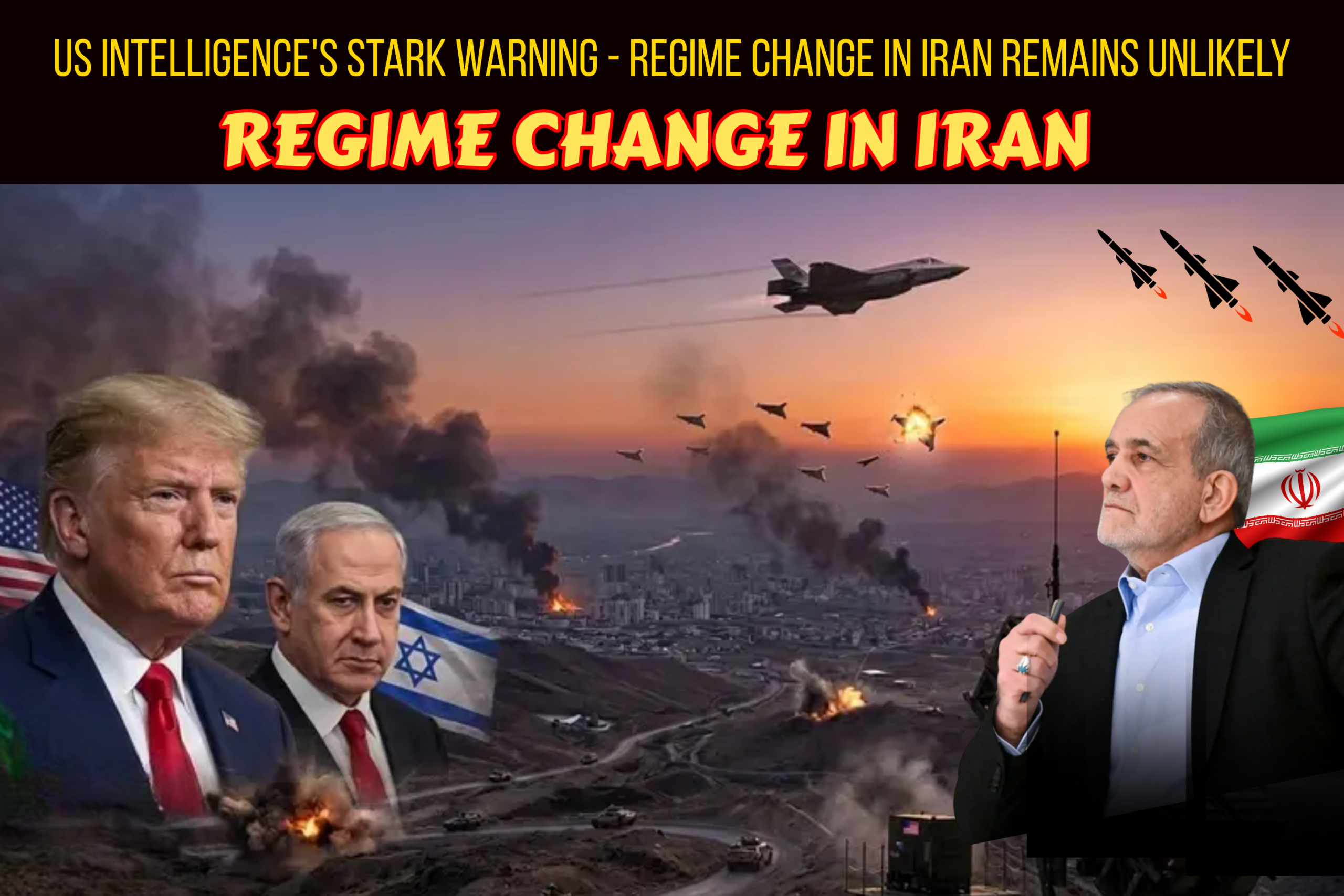
The US-Israeli military operation against Iran, codenamed Operation Epic Fury and launched on 28 February 2026, has produced striking early results. In the opening days, Israeli forces eliminated Supreme Leader Ayatollah Ali Khamenei in a precision airstrike on his fortified Tehran compound. Subsequent waves of strikes have targeted Islamic Revolutionary Guard Corps (IRGC) headquarters, ballistic missile production sites, air defence batteries, and elements of Iran’s nuclear infrastructure. President Donald Trump has repeatedly described the campaign as a decisive effort to eliminate nuclear breakout risks, destroy long-range missile capabilities, dismantle Iran’s proxy network across the region, and restore deterrence.
Public statements from the White House have also included calls for the Iranian people to rise up and “take back” their country, implying that the removal of key figures might create space for internal change. Yet these tactical successes mask a more sobering assessment delivered by America’s intelligence community just days before the first bombs fell.
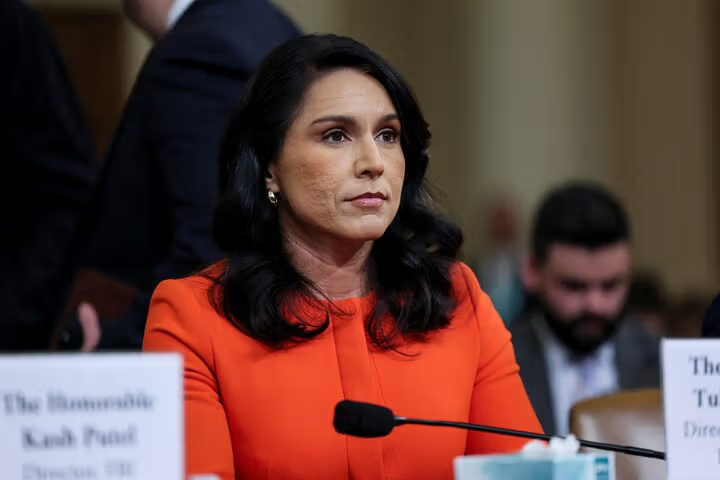
A classified report from the National Intelligence Council (NIC)—the body tasked with synthesising the views of all 18 US intelligence agencies—concluded that regime change in Iran remains highly improbable, even in the face of sustained, large-scale military pressure. First disclosed by The Washington Post on 7 March 2026 and quickly echoed across major outlets including The New York Times, The Times of Israel, Haaretz, Reuters, Anadolu Agency, and NDTV, the document serves as a critical counterpoint to optimistic narratives of swift political transformation.
The NIC Report: Detailed Conclusions and Analytical Basis
Completed roughly one week prior to the outbreak of hostilities, the NIC assessment systematically evaluated potential outcomes across a spectrum of military scenarios. These ranged from narrowly focused “decapitation” operations aimed at leadership targets to broader, multi-week campaigns involving thousands of sorties and extensive infrastructure destruction.
Three central findings emerged:
- Institutional Resilience and Succession Protocols. Iran’s theocratic system has been deliberately engineered for continuity. The death of the Supreme Leader triggers well-rehearsed procedures overseen by the Assembly of Experts, Guardian Council, and senior IRGC commanders. A successor—almost certainly drawn from hardline clerical or military circles—would be installed swiftly, preserving core ideological and power structures rather than opening the door to reformist upheaval.
- Chronic Weakness of the Opposition. Despite years of domestic discontent, protests, and economic hardship, Iran’s opposition remains deeply fragmented. Exile groups, reformist factions, ethnic minority movements, and street-level activists lack unified leadership, coherent strategy, secure communications, or broad-based popular legitimacy sufficient to exploit military chaos and establish governing authority.
- Low Probability of Collapse in Any Scenario. The report stressed that regime survival was the most likely outcome whether the campaign remained limited or escalated dramatically. Short-term disruption might weaken operational capacity, but the clerical-military apparatus would endure, adapt, and eventually regroup.
Intelligence sources quoted in the Washington Post piece described the document as a careful, consensus-driven product that drew on decades of analysis into Iran’s political sociology, military doctrine, and crisis-response mechanisms.
Timing, Context, and Rhetorical Tensions
The report’s production timing—finalised amid escalating threats but before the first strike—lends it particular gravity. It anticipated leadership decapitation and widespread targeting, yet still reached pessimistic conclusions about political change.
This creates a clear tension with elements of the Trump administration’s messaging. While the primary stated goals have centred on pre-emption and capability degradation, phrases such as “cleaning out” the leadership and enabling Iranians to reclaim their nation have fuelled speculation about regime change as an implicit or secondary objective. Senior officials have carefully avoided declaring regime change the formal aim, yet the rhetoric has invited comparisons to past interventions where transformation was the ultimate—if elusive—goal.
The NIC assessment quietly challenges such expectations, reinforcing a long-standing intelligence community view that external military action rarely engineers durable regime change without overwhelming ground presence, unified domestic opposition, or favourable internal tipping points—none of which are currently evident in Iran.
Explaining Regime Durability Amid Heavy Losses
In the days since Khamenei’s death and the initial barrage, Iran’s ruling elite has displayed unexpected cohesion. No large-scale defections from the IRGC or regular armed forces have materialised. Missile barrages, though reduced in volume and accuracy, continue in retaliation. Pro-regime demonstrations have appeared in Tehran and other cities, while security forces maintain tight control over public spaces.
This resilience stems from structural factors. The IRGC functions as a parallel state, commanding vast economic holdings, internal security apparatus, and ideological indoctrination networks. Clerical institutions provide religious legitimacy, while patronage systems bind key elites to the regime’s survival. The system was explicitly designed post-1979 to survive leadership vacuums, foreign sanctions, and military pressure.
Academic and think-tank analysts—drawing on cases such as Saddam Hussein’s Iraq (2003), Muammar Gaddafi’s Libya (2011), and Bashar al-Assad’s Syria—note that airpower can impose severe costs but rarely delivers regime collapse absent boots on the ground or a viable alternative power centre. In Iran’s case, those preconditions appear even less favourable.
Broader Implications and Possible Trajectories
In the short to medium term, military operations are expected to intensify, with additional waves targeting remaining missile stocks, command nodes, and proxy infrastructure. Should regime change remain out of reach, official objectives may quietly pivot toward long-term containment through degradation and deterrence.
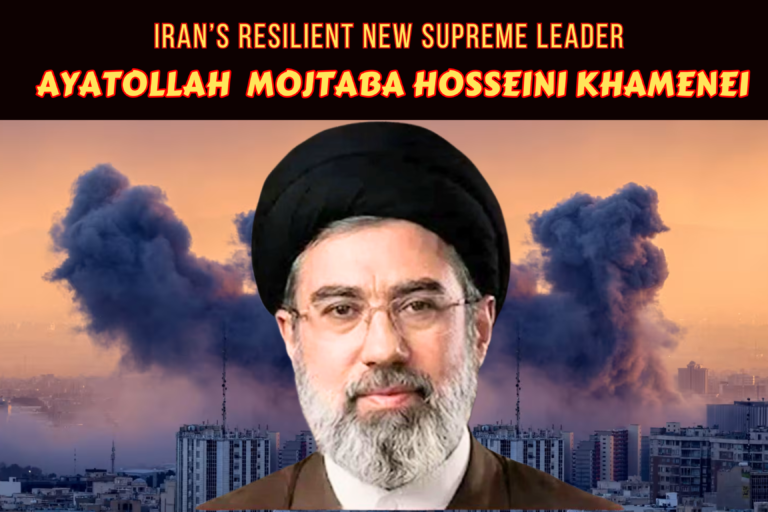
Longer-term scenarios are less reassuring. A prolonged stalemate could drain resources on all sides. Escalation risks remain, including potential Iranian asymmetric responses in the Gulf, cyberattacks, or deepened military cooperation with Russia and China. Domestically, sustained pressure might eventually spark wider unrest—or, conversely, consolidate hardliner control under a new supreme leader.
Regionally, the conflict’s ripple effects could prove significant. Energy price volatility would affect global markets. Refugee flows might strain neighbouring countries. For Pakistan—sharing a long border with Iran and home to a substantial Shia population—the war raises concerns about spillover militancy, cross-border instability, disrupted trade corridors, and heightened sectarian tensions.
Conclusion
As Operation Epic Fury moves into its second week, with casualties mounting and diplomatic off-ramps seemingly distant, the NIC’s pre-war verdict stands as a sobering corrective: regime change in Iran is unlikely to be achieved through military means alone, no matter how intensive the campaign.
History offers few examples of externally imposed regime transformation succeeding without massive commitment and favourable local conditions. Sustainable political change in Iran would more plausibly emerge from internal evolution, economic pressures, generational shifts, and perhaps carefully calibrated diplomacy—pathways the current war trajectory may inadvertently foreclose.
The coming weeks and months will test whether tactical dominance can be translated into strategic success, or whether the intelligence community’s caution proves prescient. Either way, the war’s legacy may fundamentally reshape American engagement in the Middle East for decades