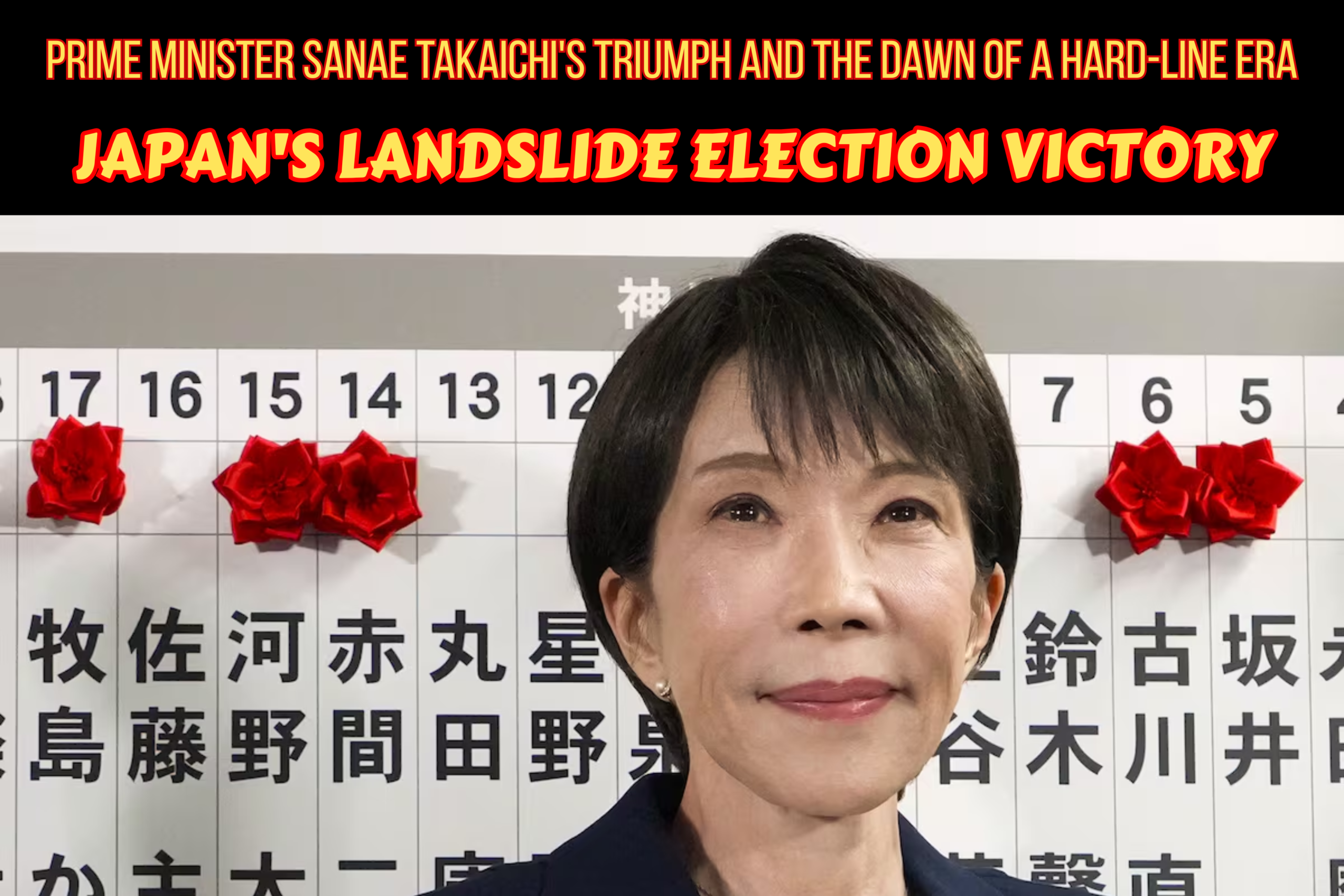
On February 8, 2026, Japan witnessed one of the most decisive electoral outcomes in its postwar history. Prime Minister Sanae Takaichi’s Liberal Democratic Party (LDP) stormed to victory in the snap House of Representatives election, securing 316 seats out of 465—far surpassing the 233 needed for a simple majority and even crossing the two-thirds supermajority threshold of 310 seats on its own. When combined with its coalition partner, the Japan Innovation Party (JIP), which won 36 seats, the ruling bloc commands a commanding 352 seats. This result marks the LDP’s best performance since its founding in 1955, eclipsing previous postwar highs like the 300 seats won in 1986 under Yasuhiro Nakasone.
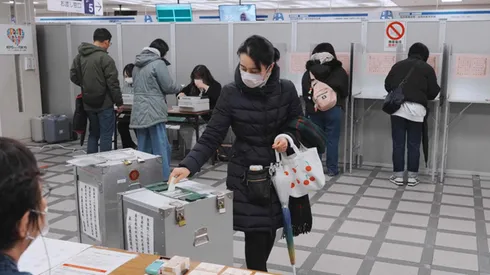
The victory came after a remarkably short tenure for Takaichi, who became Japan’s first female prime minister in October 2025 following her election as LDP leader. Calling the snap poll just months into her premiership was a high-stakes gamble, but it paid off spectacularly. Voter turnout hovered around 55-56% despite heavy snow in parts of the country, yet the LDP capitalized on Takaichi’s personal popularity, economic relief promises, and a nationalist security agenda. Markets reacted enthusiastically: the Nikkei 225 surged to record highs on news of the “historic victory,” reflecting investor confidence in policy continuity and stimulus measures.
This supermajority grants Takaichi unprecedented legislative power. In Japan’s bicameral system, a two-thirds majority in the lower house (the more powerful chamber) allows the government to override vetoes from the upper house, where the coalition lacks control. For the first time in decades, a single party holds such dominance without relying heavily on coalition partners for key reforms.
Background: Takaichi’s Rapid Rise and the Path to the Snap Election
Sanae Takaichi’s ascent was swift and symbolic. A longtime conservative figure in the LDP, often dubbed Japan’s “Iron Lady” for her admiration of Margaret Thatcher, she won the party leadership in late 2025 amid internal turmoil. The LDP had lost its majority in both houses in prior years, prompting a leadership shake-up. Takaichi, with her hawkish views on security and economic nationalism, emerged as the revitalizing force.
Upon taking office, she formed a new coalition with the reform-minded JIP and quickly moved to consolidate power. Her early actions included pledges for aggressive economic stimulus—most notably suspending the 8% consumption tax on food for two years to ease household burdens amid inflation concerns—and accelerating defense enhancements. Facing criticism that her agenda was too divisive, Takaichi dissolved the lower house in January 2026, seeking a fresh mandate before pushing controversial reforms.
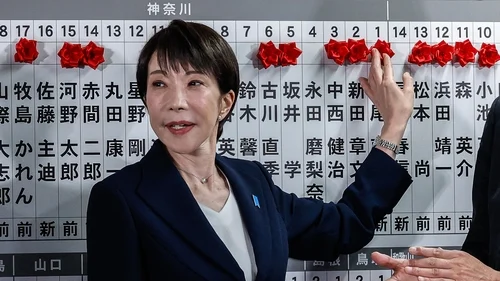
The campaign focused on “Japan First” themes: tax relief, stronger borders, and a robust response to regional threats. Opposition parties, fragmented and struggling, failed to mount a unified challenge. Exit polls and NHK projections confirmed the landslide early on election night, with Takaichi addressing supporters at LDP headquarters amid cheers and vows to deliver on promises.
The Results: A Historic Mandate in Numbers
Preliminary counts from NHK and other outlets painted a clear picture:
- LDP: 316 seats (up dramatically from 198 pre-election)
- Coalition total (with JIP): 352 seats
- Opposition parties combined: Around 113 seats
This outcome represents the highest single-party seat share in the lower house in postwar Japan. The LDP’s surge was driven by strong performances in single-seat districts and proportional representation blocks. Analysts attribute it to Takaichi’s charisma, economic pledges resonating with cost-of-living anxieties, and a public appetite for decisive leadership in uncertain times.
The opposition, including the Constitutional Democratic Party, suffered heavy losses, underscoring voter rejection of alternatives. With no election required until potentially 2028, Takaichi enjoys a rare window for transformative governance.
The Shift to Hard-Line Policies: Defense, Security, and Beyond
At the heart of this victory lies Takaichi’s conservative agenda, particularly in national security and foreign policy. With legislative hurdles minimized, she can pursue:
Defense Modernization and Constitutional Reinterpretation Japan’s postwar pacifist constitution (Article 9) has long limited military activities to self-defense. Takaichi has pledged to accelerate revisions, potentially recognizing the Self-Defense Forces (SDF) explicitly and expanding “counterstrike” capabilities. She aims to complete a defense policy overhaul by December 2026, including lifting bans on offensive weapons exports and boosting interoperability with allies.
Defense spending has already hit 2% of GDP in FY2025—two years ahead of schedule—driven by threats from China and North Korea. Acquisitions like Tomahawk missiles (first deliveries expected soon) signal a shift from purely defensive to proactive deterrence.
Tough Stance on China Takaichi’s rhetoric has strained Tokyo-Beijing ties. In late 2025, she stated that a Chinese attack on Taiwan could constitute a “survival-threatening situation” for Japan, potentially justifying collective self-defense under 2015 legislation. This provoked fierce backlash from Beijing, including export restrictions on critical minerals and heightened military activities near Japan’s southwestern islands.
A more assertive Japan could escalate tensions in the East China Sea (Senkaku/Diaoyu islands) and Taiwan Strait, while strengthening deterrence through alliances.
North Korea and Missile Threats Ongoing North Korean missile launches have heightened concerns. Takaichi’s policies emphasize enhanced early-warning systems, missile defenses, and potential preemptive measures. Her approach aligns with U.S. pressures for allies to shoulder more burden-sharing.
Broader Conservative Reforms Immigration tightening, economic nationalism, and social conservatism feature prominently. Tax cuts and stimulus aim to boost growth, but funding military hikes remains a challenge.
Regional and Global Implications
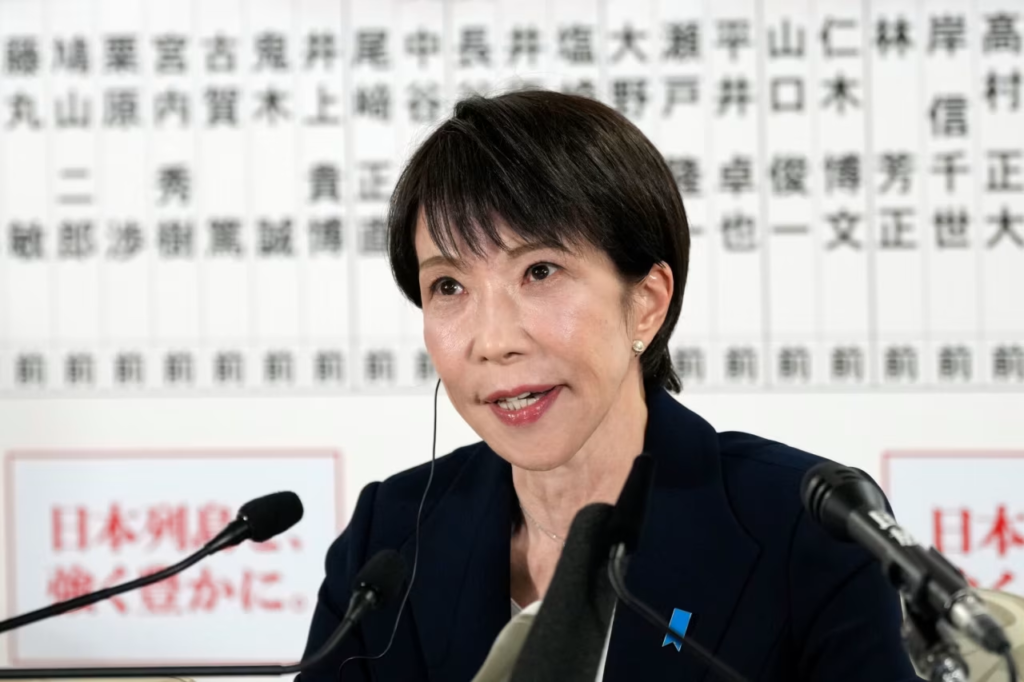
This shift reshapes the Indo-Pacific balance. A stronger, more proactive Japan bolsters the U.S.-led alliance network (QUAD, AUKUS ties), countering China’s assertiveness. Allies like Australia, India, and the Philippines may welcome enhanced deterrence, while ASEAN nations navigate heightened great-power competition.
For China, the victory signals a more confrontational neighbor, potentially accelerating arms races or diplomatic friction. North Korea views it warily, amid nuclear rhetoric.
Globally, it aligns with U.S. priorities under Trump-era influences, emphasizing allied spending. Reactions vary: Washington hails strengthened partnerships; Beijing condemns “militaristic tendencies.”
For Pakistan and South Asia, indirect effects loom. A Japan ramping up counter-China efforts could influence Belt and Road dynamics, including CPEC, through trade, tech, or security alignments. Enhanced Japan-U.S. ties may stabilize Indo-Pacific supply chains, benefiting emerging economies.
Risks include escalation, diplomatic isolation, or domestic backlash if reforms prove too aggressive. Yet opportunities abound for Japan as a more influential global player.
Conclusion: A New Chapter for Japan?
Prime Minister Sanae Takaichi now wields extraordinary power to pursue her vision of a “strong and prosperous” Japan. The landslide provides a clear mandate for hard-line shifts in defense and foreign policy, potentially redefining Japan’s role in a volatile region.
Whether she delivers transformative change or faces internal constraints remains to be seen. Early moves—policy announcements, cabinet stability—will set the tone. As Asia’s security landscape evolves, Takaichi’s Japan could emerge as a pivotal force in balancing power amid U.S.-China rivalry.
Watch closely: This election may mark the beginning of a more assertive era for the world’s third-largest economy.