(By Khalid Masood)
The world feels like it’s holding its breath in January 2026. Just 10 days into the new year, U.S. President Donald Trump is making headlines with a series of dramatic, unilateral decisions that have left many countries stunned, angry, or deeply worried.
From imposing massive new taxes on imports (tariffs) that shook global markets, to a bold military raid that captured Venezuela’s President Nicolás Maduro, to renewed talk of taking control of Greenland, and strong support for military strikes against Iran’s nuclear program — these events are happening fast. Leaders in Europe, especially French President Emmanuel Macron and German officials, are speaking out strongly against what they see as America acting like the only boss in the world again.
Is this the return of a “unipolar” world where the United States dominates everything? Or are these aggressive moves actually speeding up a shift to a world with several major powers (like China, Russia, the European Union, and India) balancing each other?
1. The Big Picture: A “New” Trump Foreign Policy in 2026
Donald Trump began his second term in January 2025 promising “America First” — putting U.S. interests ahead of everything else. But 2025 and early 2026 have seen a much more muscular (forceful) approach than his first term (2017–2021).
Key themes:
- Economic pressure through tariffs to force other countries to make deals.
- Military action in the Western Hemisphere (Latin America) to fight drugs and regain control.
- Strategic grabs like interest in Greenland for security and resources.
- Backing Israel strongly against Iran, including direct U.S. strikes.
This feels like a throwback to the 1990s “unipolar moment” after the Soviet Union fell, when America was the only superpower. But today, China is rising fast, Russia is assertive, and Europe wants more independence. Trump’s moves might be trying to restore U.S. dominance — but many experts fear they could backfire and push allies away.
2. Tariffs: The Economic Shockwave – “Liberation Day”
One of the first big moves came in April 2025. Trump called April 2 “Liberation Day” and announced huge new tariffs — extra taxes on almost all imported goods from nearly every country.
- He used emergency powers to declare a “national emergency” over trade deficits.
- Tariffs started at 10–25% on many items, with some countries facing 35–50% (like Canada at 35%, Brazil and India at 50% on certain goods).
- Goal: Protect U.S. jobs, force fairer trade deals, and raise money for tax cuts.
But the reaction was chaos. Global stock markets dropped sharply. Countries like China, the EU, Canada, and Mexico threatened or imposed their own tariffs in response. Economists warned that American families would pay more for everyday items — clothes, electronics, food — with estimates of $1,000–$2,000 extra per household yearly.
Trump paused some tariffs for negotiations, made deals with a few countries (UK, Japan, South Korea, etc.), but many duties stayed or returned. By late 2025, the average U.S. tariff rate hit levels not seen in over 100 years.
This approach breaks the spirit of global trade rules under the World Trade Organization (WTO), which promotes lower, fair tariffs for everyone. Critics say it’s “economic bullying” that hurts allies and ordinary people more than enemies.
3. The Venezuela Shock: Capturing a President
The most dramatic event happened on January 3, 2026. In a nighttime special forces operation called “Operation Absolute Resolve”, U.S. troops raided Caracas, bombed air defences, and captured President Nicolás Maduro and his wife Cilia Flores from their home.
- They were flown to New York, where Maduro faced old U.S. federal charges of drug trafficking and narco-terrorism.
- Trump called it a “perfect” success against a “narco-dictator” and said the U.S. would help “run” Venezuela temporarily to restart oil production and bring order.
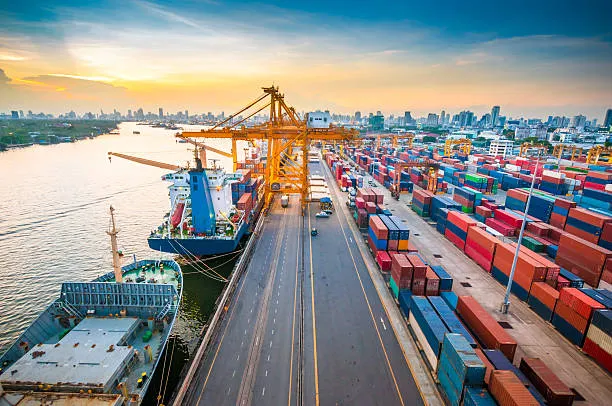
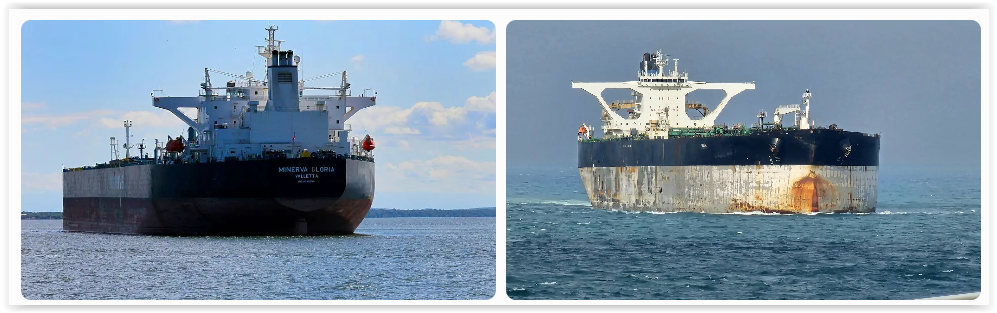
- Before the raid, the U.S. Navy had seized oil tankers (even from other countries) carrying Venezuelan oil as part of a blockade.
Venezuela reported over 100 people killed in the strikes and raid. The U.S. said only a few troops were lightly injured.
This is a huge breach of international law. The UN Charter (Article 2(4)) bans the use of force against another country’s territory except in self-defence or with UN Security Council approval. Capturing a sitting president without that is seen as kidnapping or regime change by force — similar to the 1989 U.S. invasion of Panama, but even bolder.
Latin American countries condemned it as a violation of sovereignty. Russia and China called it imperialism. Even some U.S. allies were uneasy.
4. Greenland: The Arctic Prize
Trump has wanted Greenland since 2019. In late 2025 and early 2026, after Venezuela, he ramped up demands:
- Said the U.S. needs it for national security against Russia and China in the Arctic.
- Refused to rule out force if Denmark won’t sell.
- Officials discussed buying it, paying residents directly, or other deals.
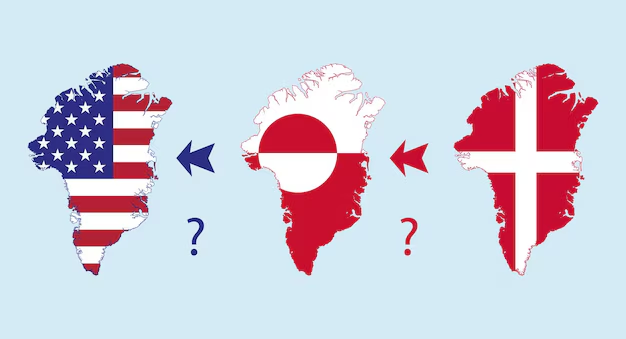
Denmark and Greenland firmly say: Not for sale. Greenland’s 57,000 people value their autonomy. European leaders fear this could tear NATO apart — attacking one ally (Denmark) with military threats.
Trump’s interest is strategic: Greenland has rare minerals, military bases (like Pituffik), and controls key Arctic routes.
5. Iran: Nuclear Strikes and Ongoing Tension
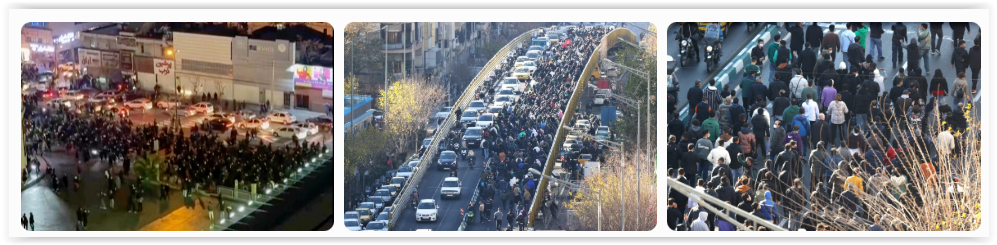
In June 2025, Israel launched major air strikes on Iranian nuclear sites, military bases, and commanders. The U.S. joined on June 22 with B-2 bombers hitting deep underground facilities (like Fordow) using massive “bunker buster” bombs.
- Trump called it a success that “obliterated” the program.
- Iran retaliated with missiles at Israel and a U.S. base in Qatar (no major casualties).
- A ceasefire was announced June 24.
Reports say the strikes set Iran back months to years, but didn’t destroy everything. Iran may now accelerate its program secretly. Trump warned of more action if Iran rebuilds.
This violated UN Charter rules on force without authorization. It also risks pushing Iran toward nuclear weapons.
6. Reactions from Across the Globe
European Leaders
In early January 2026, following the U.S. military raid in Venezuela that captured President Nicolás Maduro on January 3 and renewed threats over Greenland, European leaders delivered some of their sharpest criticism of American foreign policy in years. This reflects deep concern about the erosion of the rules-based international order Europe has long supported.
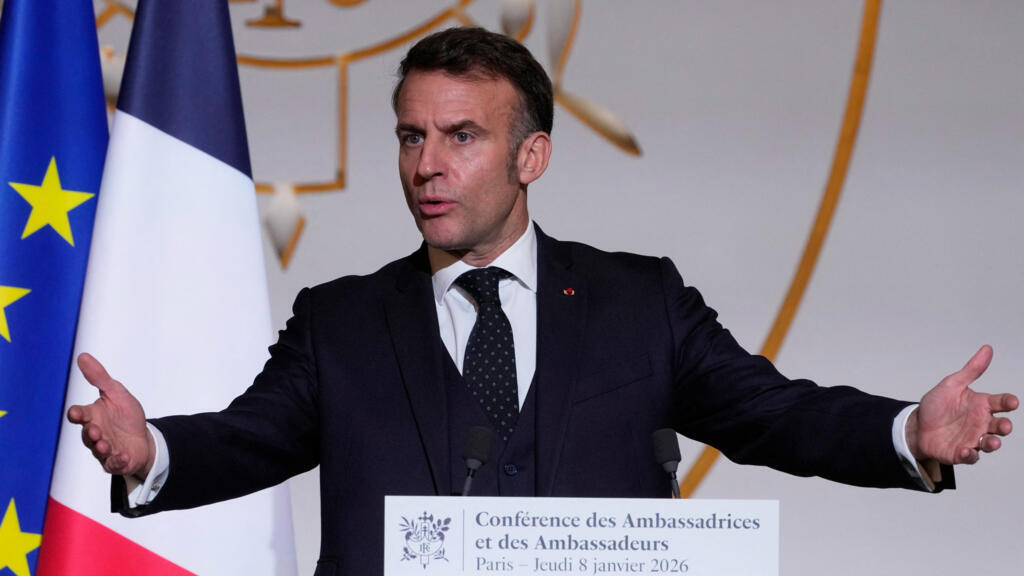
French President Emmanuel Macron, in his January 8 address to ambassadors at the Élysée Palace, accused the U.S. of “breaking free from international rules” and “gradually turning away” from allies. He warned of a world where “great powers” divide up territory, evoking neo-colonialism, and noted growing global unease over potential invasions of Greenland, threats to Canada, or encirclement of Taiwan. Macron stressed that multilateral governance remains vital to prevent chaos.
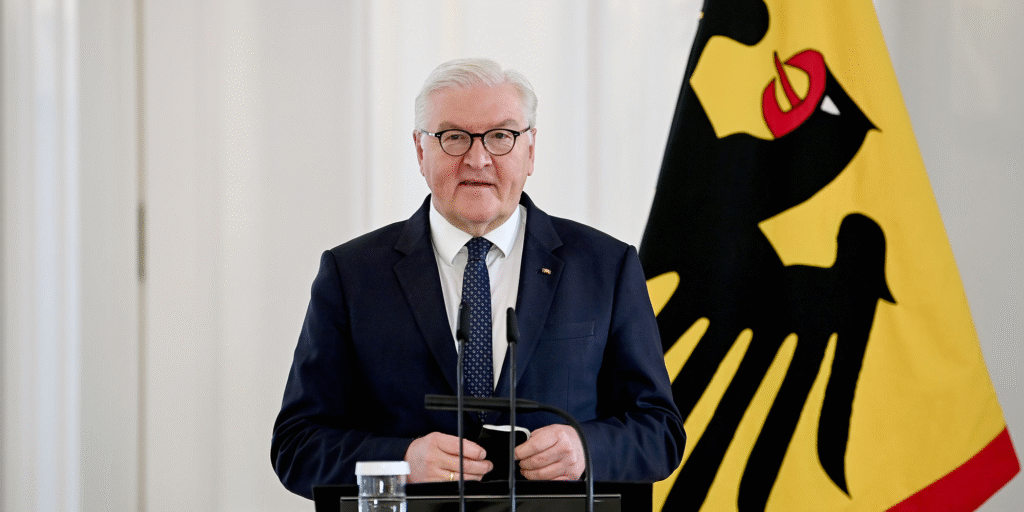
Germany’s President Frank-Walter Steinmeier spoke forcefully on January 7 at a Berlin symposium, describing an advanced breakdown of the world order. He highlighted a “breakdown of values by our most important partner, the USA,” and warned the world risks becoming a “robber’s den” where the unscrupulous seize what they want and treat regions as their property. He urged global efforts to halt this trend.
Chancellor Friedrich Merz took a cautious stance on Venezuela. He called the legal assessment of the U.S. operation “complex” and emphasized that interstate relations must follow international law. While condemning Maduro for ruining the country, rigging elections, and regional destabilization, Merz urged an orderly transition to a legitimate government, balancing disapproval of the former regime with concern over the method of removal.
Europe responded collectively as well. On January 6, France, Germany, the UK, Italy, Poland, Spain, and Denmark issued a joint statement affirming that “Greenland belongs to its people” and only Denmark and Greenland can decide its future, while stressing collective Arctic security through NATO and respect for sovereignty.
The EU, via High Representative Kaja Kallas, called for restraint, de-escalation, and adherence to international law in Venezuela, reiterating Maduro’s lack of legitimacy. Discussions accelerated on EU strategic autonomy, stronger defence capabilities, and reduced reliance on U.S. security guarantees.
While some leaders privately welcomed Maduro’s removal, the overriding worry is the precedent of unilateral force without UN approval. The Venezuela raid and Greenland threats have intensified debates about EU independence, higher defence spending, and NATO’s future. As Macron and Steinmeier indicate, Europe fears a return to a might-makes-right world that could leave smaller nations vulnerable.
China’s Reaction
China’s response to U.S. actions—Venezuela intervention, Maduro’s capture, oil tanker seizures, Greenland saber-rattling, and Iran tensions—has been sharp, consistent, and centered on international law, sovereignty, and opposition to “hegemony.” Beijing defends multilateralism and the UN Charter while safeguarding major economic interests, especially in Venezuelan oil and infrastructure.
This aligns with China’s narrative of condemning U.S. “bullying,” which it views as hastening a multipolar world. Official statements come from the Foreign Ministry, spokespersons Lin Jian and Mao Ning, and Foreign Minister Wang Yi.
1. Condemnation of Venezuela Military Action & Maduro Capture On January 3, 2026, after the U.S. raid captured Maduro and his wife Cilia Flores (flown to the U.S. for narco-terrorism trial), China’s Foreign Ministry issued a forceful statement, calling itself “deeply shocked” and “strongly condemning” the “blatant use of force” against a sovereign state and its president. It labeled these “hegemonic acts” that seriously violate international law, Venezuela’s sovereignty, and threaten Latin American/Caribbean peace. China urged the U.S. to respect the UN Charter, stop sovereignty violations, and pursue dialogue.
In January 4–5 briefings, China demanded Maduro’s immediate release and safety, and called for the U.S. to “stop toppling” the regime. Wang Yi accused the U.S. of acting as “world’s police” or “judge.” At the UNSC emergency session (backed by China/Russia), Chinese envoys criticized the intervention for infringing sovereignty and risking instability. This followed a January 2 high-level delegation meeting with Maduro reaffirming the “all-weather” partnership, highlighting Venezuela’s long-term importance since the Chávez era.
2. Outrage Over Venezuelan Oil Tanker Seizures The seizures (late 2025–early 2026) hit China hardest as Venezuela’s top oil buyer and creditor (billions invested via China National Petroleum Corporation). China condemned the “arbitrary detention” of vessels in international waters as grossly violating law and maritime norms, opposing “unilateral bullying” and energy security threats. At UNSC, China and Russia called the blockade “cowboy behavior” echoing the Monroe Doctrine. Beijing prioritizes protecting its interests—Venezuelan crude supplies “teapot” refineries—while maintaining communication with interim leadership and demanding its lawful rights.
3. Criticism of U.S. Greenland Saber-Rattling Trump’s renewed Greenland push (for Arctic security against Russia/China) drew pointed indirect criticism. Spokespersons accused the U.S. of using the “China threat” as pretext for selfish unilateralism. Beijing warned against Arctic militarization, noting its “near-Arctic state” status with research/economic interests. Trump’s actions are viewed as hypocritical, reinforcing perceptions of U.S. expansionism without direct military response.
4. Parallel with U.S./Israel Iran Strikes (June 2025) China’s Venezuela stance mirrors its “strong condemnation” of the June 2025 strikes on Iranian nuclear sites as violations of the UN Charter, IAEA safeguards, and law, worsening Middle East tensions. It accused the U.S. of damaging credibility and risking escalation. China avoids military involvement, focusing on diplomacy and energy security (Iran as key supplier), showing consistent opposition to unauthorized force.
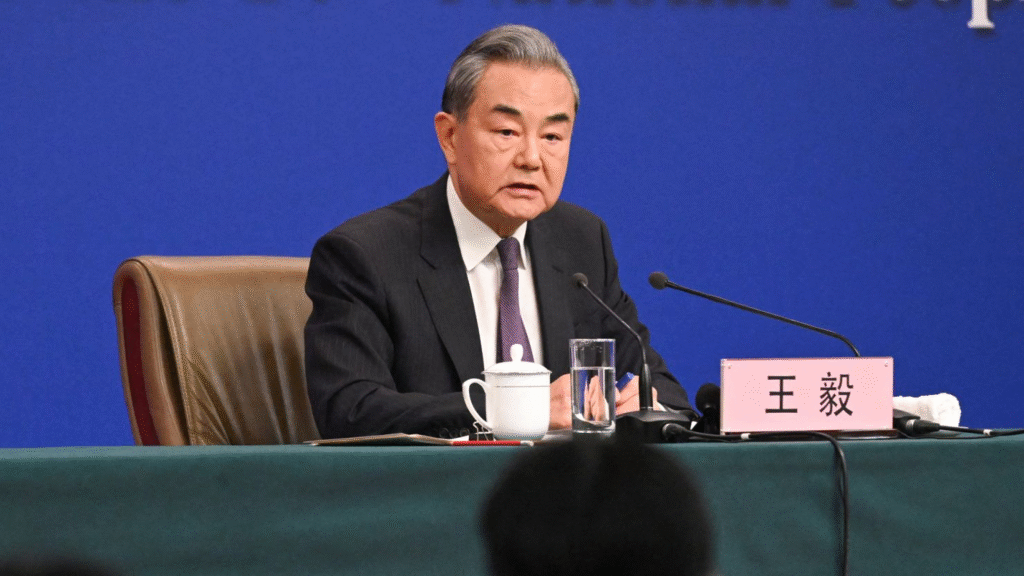
Why China’s Response Matters
- Economic stakes: Venezuelan discounted crude is vital; disruptions threaten energy security.
- Diplomatic strategy: Championing sovereignty/multilateralism appeals to the Global South, contrasting U.S. “hegemony.”
- Limits: No military aid to Venezuela; focus on trade/stability amid U.S. pressure.
- Multipolar narrative: Events bolster China’s vision of multiple powers, not U.S. dominance.
In early 2026 briefings, Lin Jian and Mao Ning stressed protecting rights in Venezuela and dialogue. Wang Yi’s Africa tour reinforces resisting bullying and upholding UN principles. China’s firm yet cautious tone—strong rhetoric, restrained action—prioritizes long-term influence, potentially deepening U.S.-China rivalry if the Venezuela crisis persists or affects energy markets.
Russia’s Reaction
Russia’s response to U.S. actions—Venezuela intervention, Maduro’s capture, oil tanker seizures, Greenland saber-rattling, and Iran tensions—has been strong, condemnatory, and centered on violations of international law, sovereignty, and accusations of American “armed aggression” and neo-colonialism. Moscow positions itself as a defender of multipolar order and the UN Charter while protecting strategic alliances (especially with Venezuela) and criticizing U.S. hypocrisy, though its rhetoric has been more forceful than concrete actions, reflecting caution amid Ukraine priorities and potential U.S. relations.
This fits Russia’s narrative of opposing U.S. “hegemony” and “bullying,” viewing these events as accelerating a world of great-power spheres of influence where might prevails over law. Statements come from the Foreign Ministry, spokespersons like Maria Zakharova, and Foreign Minister Sergey Lavrov (with limited direct Putin commentary).
1. Strong Condemnation of Venezuela Military Action & Maduro Capture On January 3, 2026, after the U.S. raid captured Maduro and his wife Cilia Flores (flown to the U.S. for narco-terrorism trial), Russia’s Foreign Ministry issued a rapid statement calling it an “act of armed aggression against Venezuela” that is “deeply concerning and condemnable.” It described the strikes as “unacceptable encroachment on the sovereignty of an independent state,” a “gross violation” of international law and the UN Charter, with excuses “untenable.” Moscow demanded Maduro’s release as the “lawfully elected president” of a sovereign country, along with his wife, and urged resolution through diplomacy and dialogue.
In follow-up (January 4–5), Lavrov phoned interim Venezuelan President Delcy Rodríguez to express “strong solidarity” with the Venezuelan people against aggression. At the UNSC emergency session (requested by Venezuela, backed by Russia and China), Russian envoys condemned the intervention for infringing sovereignty and risking instability. Putin has remained largely silent publicly (no direct statements), but the ministry emphasized preventing escalation and guaranteeing Venezuela’s right to self-determination without military interference. This follows long-standing ties since Chávez, including arms sales and strategic partnership, with the timing (post recent Maduro-Putin contacts) highlighting Venezuela’s importance as an anti-U.S. ally.
2. Outrage Over Venezuelan Oil Tanker Seizures The seizures (late 2025–early 2026), including the dramatic January 7, 2026, boarding of the Russian-flagged Marinera (formerly Bella-1) in the North Atlantic after a weeks-long chase, hit Russia hard as it supports Venezuela’s oil exports via shadow fleet operations. Russia condemned the “gross violation” of maritime law and international norms, calling it “outright piracy” and “neo-colonial ambitions” to control Venezuelan oil riches. The Foreign Ministry opposed “unilateral bullying” and threats to global energy security, with the Transport Ministry noting lost contact and demanding humane treatment/return of Russian crew.
At UNSC meetings, Russia (with China) criticized the blockade as echoing the Monroe Doctrine. Analysts note Moscow’s priority: protecting economic/strategic interests (Venezuelan crude aids Russia’s sanctioned economy), while avoiding escalation. Russia has maintained communication with Venezuela’s interim leadership and demanded protection of its rights.
3. Criticism of U.S. Greenland Saber-Rattling Trump’s renewed Greenland push (for Arctic security against Russia/China) drew limited but pointed indirect response. Moscow has not issued major direct condemnation but views it as hypocritical U.S. expansionism, especially amid claims of Russian/Chinese threats in the Arctic. Russia emphasizes its own Arctic military presence (bases, icebreakers, nuclear deterrent) and warns against militarization/unilateralism that could provoke responses like increased capabilities. No strong military reaction, but it reinforces perceptions of U.S. double standards on sovereignty.
4. Parallel with U.S./Israel Iran Strikes (June 2025) Russia’s Venezuela stance mirrors its reaction to June 2025 strikes on Iranian nuclear sites. The Kremlin “deeply regrets and condemns” them as “absolutely unprovoked” aggression, a “gross violation” of the UN Charter, IAEA safeguards, and international law, risking uncontrolled escalation and Middle East chaos. Putin called them “without foundation or justification” during talks with Iran’s foreign minister. Russia avoids military involvement, focusing on diplomacy/mediation offers and protecting energy interests (Iran as key partner), showing consistent opposition to unauthorized U.S. force.
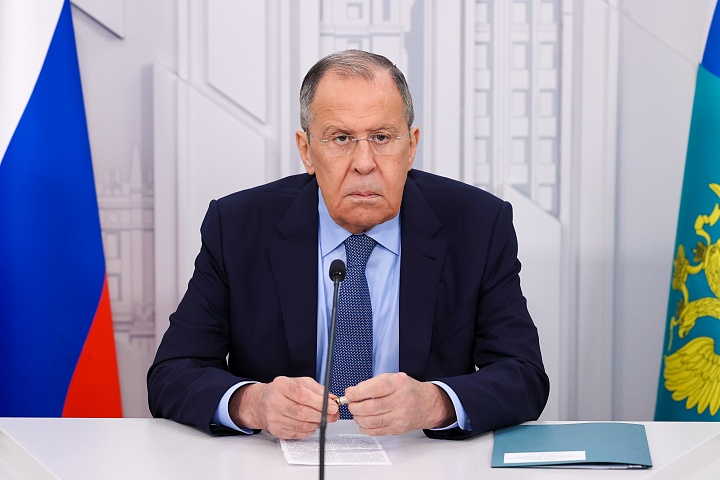
Why Russia’s Response Matters
- Strategic stakes: Venezuela is a key anti-U.S. ally; disruptions threaten oil alliances and arms ties.
- Diplomatic strategy: Condemning U.S. actions appeals to Global South, contrasts “hegemony,” and highlights hypocrisy (e.g., vs. Ukraine).
- Limits: No military aid to Venezuela; focus on restraint amid Ukraine war and potential U.S. dialogue.
- Multipolar narrative: Events bolster Russia’s vision of great-power spheres, not U.S. dominance, potentially legitimizing similar approaches.
In early 2026, the Foreign Ministry repeatedly stresses sovereignty, dialogue, and UN principles. Lavrov’s calls express solidarity while urging de-escalation. Russia’s firm rhetoric but cautious actions prioritize long-term influence and avoiding broader confrontation, potentially deepening rivalry if Venezuela’s crisis persists or affects energy/oil markets.
7. Where Is the World Heading? Analysis and Outlook
As of January 10, 2026, President Trump’s rapid sequence of unilateral actions—from the January 3 military raid capturing Venezuelan President Nicolás Maduro, to renewed threats over Greenland, ongoing support for strikes against Iran’s nuclear facilities, and aggressive tariff policies—has severely tested the core principles of the UN Charter. These include the prohibition on the use of force except in self-defence or with Security Council authorization (Article 2(4)), respect for state sovereignty and non-intervention (Article 2(7)), and the commitment to peaceful settlement of disputes (Chapter VI). By bypassing multilateral mechanisms and asserting direct control in sovereign territories, the U.S. is eroding the post-World War II rules-based order it helped build, raising fears of a return to an era where might prevails over law.
Short-term consequences are already visible. The U.S. demonstrates raw military and economic muscle, with oil prices fluctuating wildly due to disruptions in Venezuelan supplies and uncertainty over global energy flows. Allies feel intense pressure: European nations scramble for strategic autonomy, while smaller states in Latin America and the Caribbean grow wary of potential future interventions. Markets react nervously, with investors weighing geopolitical risks against U.S. economic leverage.
Long-term risks loom larger and more systemic. Allies may drift away as Europe accelerates defence integration and seeks greater independence from U.S. security guarantees, potentially straining or fracturing NATO. Adversaries could unite further: the Russia-China-Iran axis (sometimes expanded to include North Korea as a “CRINK” bloc) strengthens through deepened economic, military, and technological ties, as seen in joint naval drills, oil trade networks, and mutual support against Western pressure. Venezuela’s crisis has highlighted the limits of this axis’s reach—Russia and China condemned the raid but offered limited practical aid amid their own constraints (Ukraine war for Russia, trade talks for China)—yet it may accelerate coordination to counter perceived U.S. aggression. Global instability rises through more frequent conflicts, escalating trade wars, heightened nuclear risks (with Iran potentially rebuilding covertly and proliferation threats growing), and the weakening of institutions like the UN and WTO.
Many analysts, including those from Eurasia Group, Foreign Policy, and the Council on Foreign Relations, argue that these events are accelerating multipolarity—a world with several competing power centers (U.S., China, Russia, EU, India, and rising middle powers) rather than unipolar U.S. dominance. Reports like Eurasia Group’s Top Risks for 2026 identify the U.S. itself as the principal source of global risk due to its “political revolution” under Trump, which dismantles domestic checks while pursuing aggressive unilateralism abroad. This “Donroe Doctrine” (a rebranded Monroe Doctrine for the Western Hemisphere) and threats to allies like Denmark over Greenland signal a strategic repositioning, but one that alienates partners and emboldens autocrats. The economic order is also shifting toward multipolarity, with China’s leverage in critical minerals and rare earths constraining U.S. unilateralism, pushing tentative deals rather than endless fights.
The UN system, already strained by vetoes and non-cooperation, faces further erosion, yet diplomacy—not force—remains the most viable path to stability. In 2026, the world watches closely: Will Trump pivot to transactional deals that stabilize relations? Will Europe maintain a firm, united stance on sovereignty? Or will escalation continue, with flashpoints in the Arctic, Middle East, or Latin America spiraling?
The fundamental choice confronting leaders is stark: recommit to cooperation under shared rules, rebuilding multilateral institutions through inclusive dialogue, or embrace a riskier, more divided planet where great-power rivalry fragments global governance, heightens conflicts, and leaves smaller nations vulnerable. The early months of 2026 suggest the latter path is gaining momentum, but the year remains young—prudent restraint, strategic restraint, and renewed multilateral engagement could still steer toward a more balanced, if imperfect, multipolar equilibrium rather than chaos. The coming decisions will shape not just the rest of Trump’s term, but the international order for decades.lanet.