(By Khalid Masood)
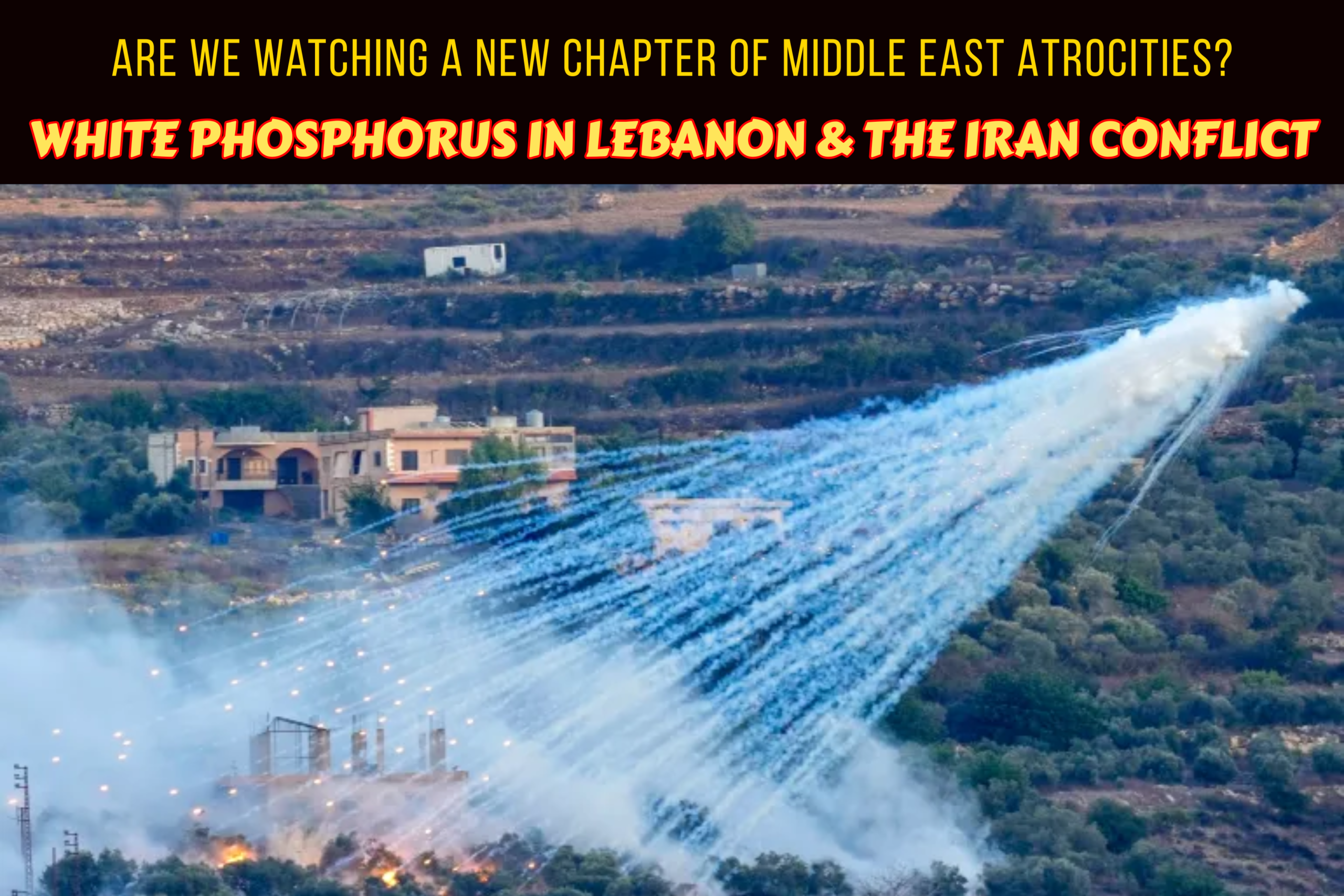
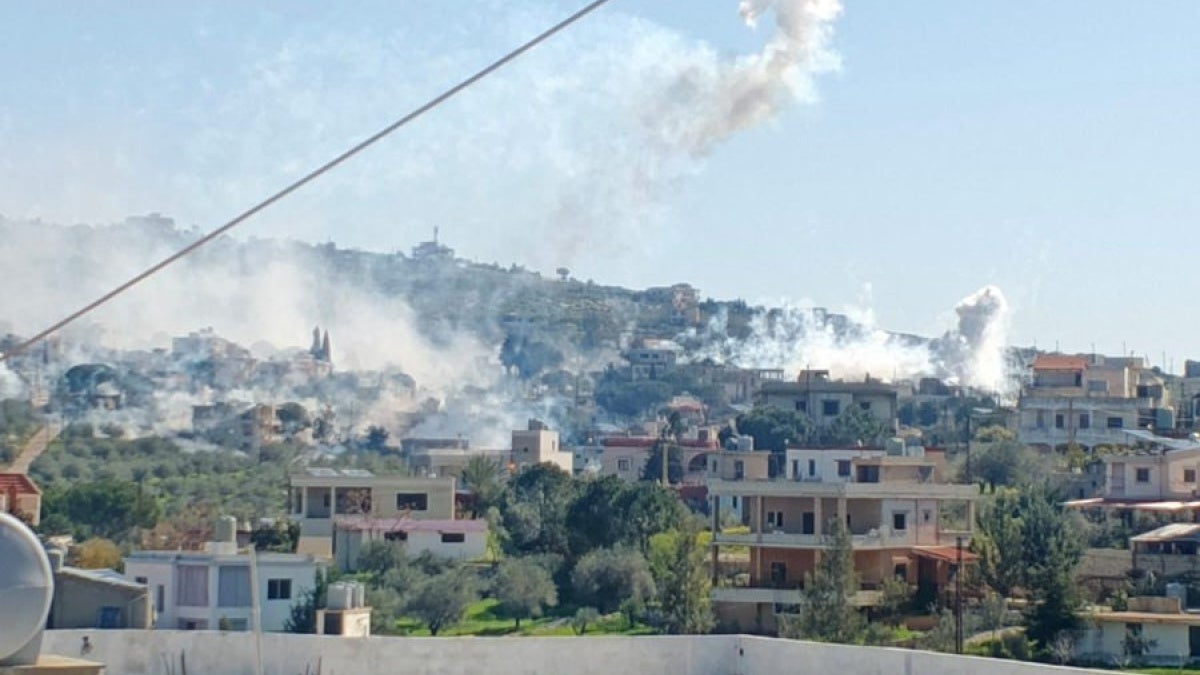
On the morning of March 3, 2026, residents of the quiet southern Lebanese town of Yohmor woke to the sound of artillery. Within minutes, thick plumes of white smoke erupted over residential rooftops. Civil defence teams rushed in to extinguish fires on homes and cars. The cause? Artillery-delivered white phosphorus munitions bursting in the air — a weapon whose incendiary effects can burn through flesh and leave lifelong scars.
Two days later, Human Rights Watch (HRW) released verified evidence confirming what locals had filmed: Israel had unlawfully used this controversial weapon in a populated area.
While Israel has employed white phosphorus in Lebanon before, this incident — occurring amid the full-scale U.S.-Israel war on Iran — raises a chilling question: Are we witnessing the normalization of incendiary weapons and the erosion of civilian protections in a conflict spiraling out of control?
The Yohmor Incident: Facts on the Ground
HRW analyzed and geolocated eight images and videos posted on March 3 by Lebanese civil defence and local media. At least two 155mm M825-series artillery shells exploded in airburst mode directly above homes. Each shell scatters 116 felt wedges soaked in white phosphorus over a 125–250 meter radius. Fires broke out on rooftops, balconies, and at least one vehicle. Civil defence workers were photographed battling the blazes.
Earlier that day, Israel’s Arabic spokesperson Avichay Adraee had ordered the evacuation of Yohmor and 50 surrounding villages, instructing residents to move at least 1 km into open land. HRW has not confirmed civilian casualties from this specific strike, but the timing and location are unmistakable.

White phosphorus ignites on contact with oxygen, producing intense heat (up to 1,300°C) and toxic smoke. It can cause deep, painful burns that continue burning until the substance is fully removed — even under the skin — and lead to respiratory failure or organ damage.
White Phosphorus and the Rules of War
Under international humanitarian law (IHL), the use of airburst white phosphorus in populated areas is presumptively unlawful. It violates the principles of distinction (separating military from civilian targets) and proportionality, and fails the requirement to take “all feasible precautions” to spare civilians.
Israel is not a party to Protocol III of the Convention on Certain Conventional Weapons (which restricts incendiary weapons), but customary IHL still applies. HRW notes that safer smoke-screen alternatives exist — including some produced by Israeli companies — yet white phosphorus continues to be used.
Ramzi Kaiss, HRW Lebanon researcher, stated: “The Israeli military’s unlawful use of white phosphorus over residential areas is extremely alarming and will have dire consequences for civilians. The incendiary effects of white phosphorus can cause death or cruel injuries that result in lifelong suffering.”
He added: “Israel should immediately halt this practice and states providing Israel with weapons… should immediately suspend military assistance and arms sales.”
The Israeli military responded that it was “unaware” of the specific incident and could not confirm the use of white-phosphorus shells in Lebanon.
Not the First Time: A Dangerous Pattern
This is not isolated. HRW documented widespread Israeli use of white phosphorus in southern Lebanon between October 2023 and May 2024, contributing to civilian displacement and farmland destruction. Similar allegations surfaced in Gaza. Each time, Israel has described the munitions as “smoke screens” for legitimate military purposes.
What makes March 3, 2026 different is the context: a multi-front war where Lebanon is now the secondary theater while the primary focus is Iran.
The Wider War: Tehran to Beirut
The U.S.-Israel-Iran conflict erupted on February 28, 2026, with nearly 900 strikes in the first 12 hours targeting Iranian missile sites, nuclear facilities, and leadership. Iran retaliated with ballistic missiles and drones, some reaching Tel Aviv. The fighting has spilled over: Israeli strikes on Beirut residential areas, Iranian missiles intercepted over Gulf states, and cluster munitions used on both sides.
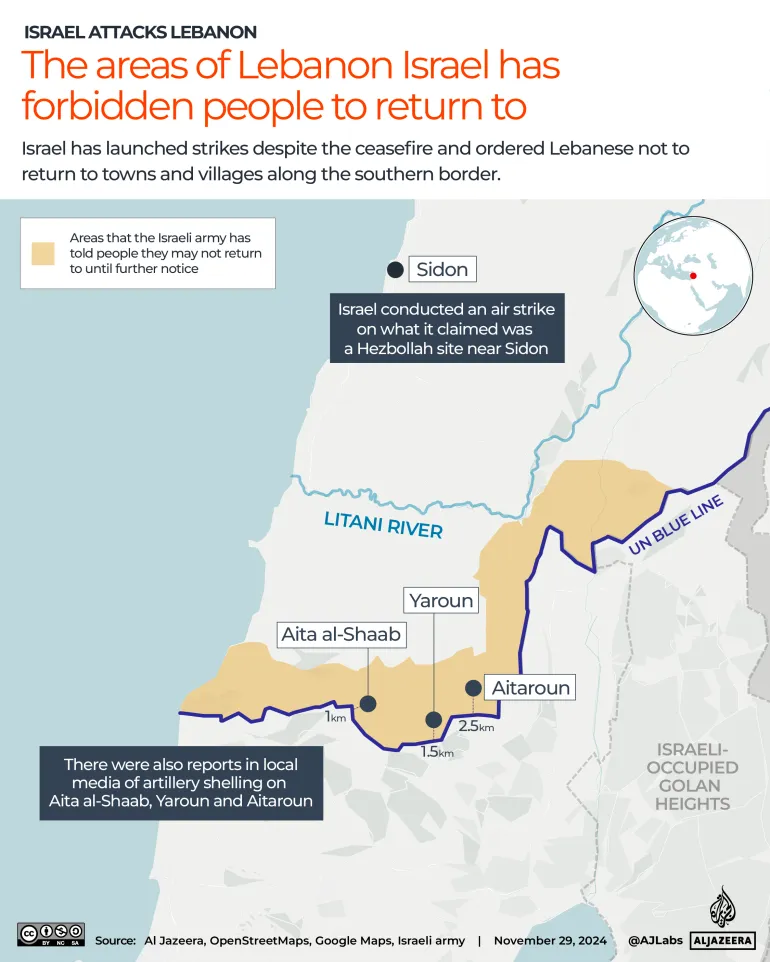
In Lebanon, Israel maintains ground positions and has issued sweeping evacuation orders south of the Litani River and even parts of Beirut’s southern suburbs. Over 500,000 people are displaced, with hundreds killed in recent weeks. Hezbollah continues rocket attacks, but the scale of Israeli operations has intensified as global attention remains fixed on Iran.
A New Chapter of Atrocities?
The recurrence of white phosphorus during this broader war suggests more than isolated tactical choices. It points to loosened rules of engagement when international scrutiny is divided and military “necessity” is invoked across multiple fronts.
Critics see a pattern of impunity: incendiary weapons and forced displacement orders that risk amounting to war crimes. Supporters argue Hezbollah embeds among civilians, making precision impossible and smoke screens essential for troop safety.
Yet even defensive necessity does not excuse indiscriminate effects in residential zones. The cumulative evidence — repeated use despite alternatives, combined with mass evacuations and civilian casualties across Lebanon, Gaza, and now Iran-linked fronts — signals a qualitative shift. Civilian protections are increasingly treated as optional in a conflict with no clear exit strategy.
German Chancellor Friedrich Merz recently warned that the U.S. and Israel appear to have “no joint plan” to end the Iran war, raising fears of prolonged regional chaos.
Implications for the Region and Beyond
Southern Lebanon’s humanitarian crisis is worsening rapidly. Farmland is burned, homes destroyed, and thousands remain trapped between evacuation orders and active fighting. The economic ripple effects — especially oil-price spikes from Strait of Hormuz disruptions — are already hitting import-dependent countries like Pakistan through higher fuel costs and inflation.
Accountability pathways remain limited. HRW urges the U.S., UK, and Germany to suspend arms transfers and the ICC to investigate. Lebanon should join the ICC and launch domestic probes. Without pressure, the message is clear: certain weapons and tactics are tolerated when the world is distracted by bigger headlines.
Conclusion
White phosphorus over Yohmor is not merely another footnote in the Iran conflict. It is a symptom of a dangerous new chapter where the horrors of modern warfare — indiscriminate incendiary attacks, mass displacement, and eroded international norms — are becoming routine.
If the international community fails to act now, the red lines protecting civilians will continue to fade. The question is no longer whether atrocities are happening, but how far this chapter will go before the world demands accountability.