(By Quratulain Khalid)
Inna Lillahi wa Inna Ilayhi Raji’un.
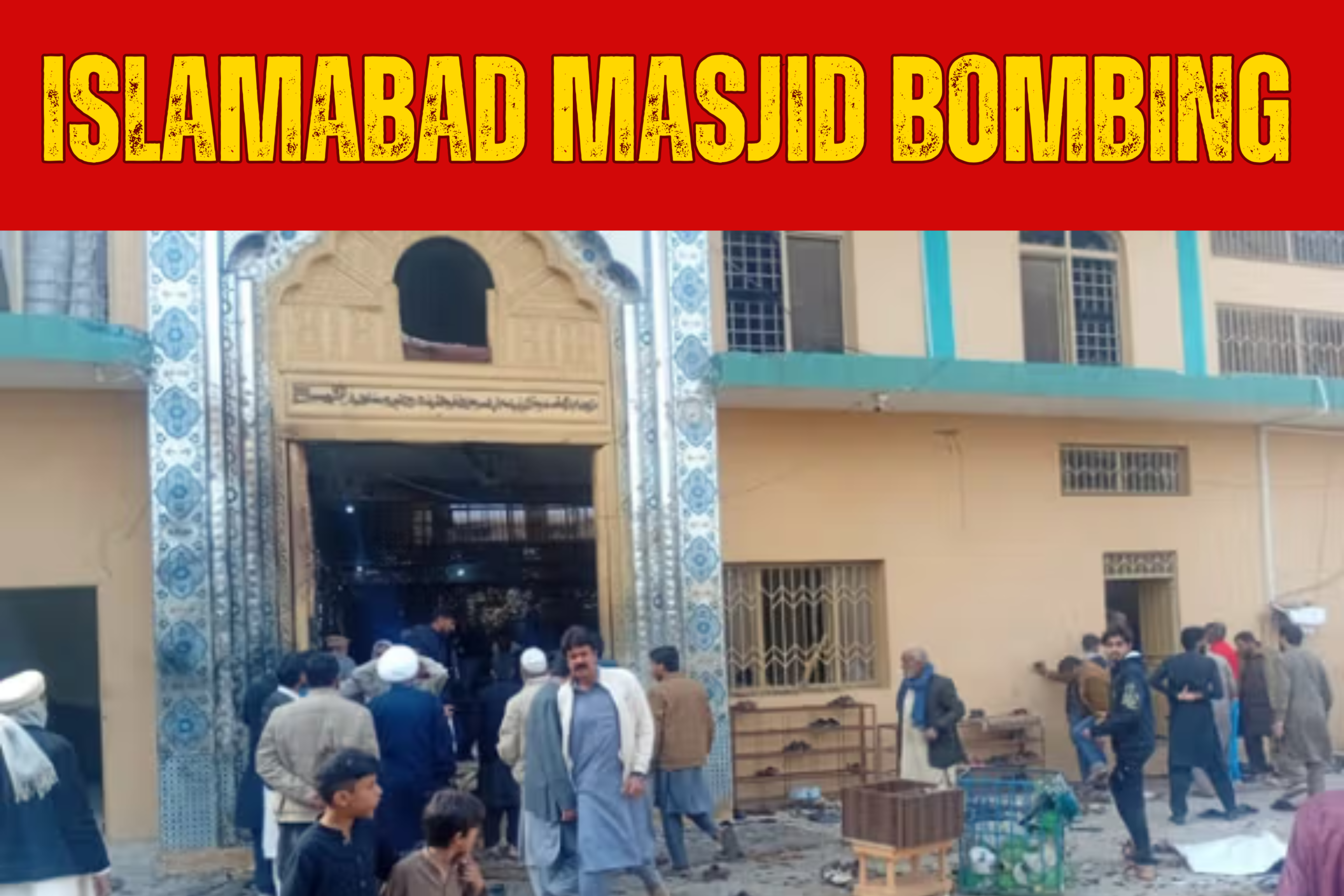
On the afternoon of Friday, February 6, 2026, a place of worship turned into a scene of unimaginable horror. At Khadija-Tul-Kubra Imambargah in Tarlai Kalan, on the southeastern outskirts of Islamabad, a suicide bomber detonated his explosives during crowded Jumu’ah prayers. The blast claimed at least 31 innocent lives—devout worshippers seeking peace in their faith—and left over 169 injured, many in critical condition. Shattered glass, bloodied prayer mats, and cries of anguish filled what should have been a sanctuary of tranquility.
This was no isolated incident; it ranks among the deadliest terrorist attacks in Pakistan’s capital in more than a decade. But more than numbers, it represents an assault on the very soul of our nation: our commitment to tolerance, our Islamic ethos of unity (wahdat), and our collective identity as Pakistanis. The pain reverberates from Tarlai Kalan to every corner of Punjab, Khyber Pakhtunkhwa, Sindh, Balochistan, and beyond. To the grieving families: your sorrow is shared by 240 million hearts. To the wounded in hospitals like PIMS, Polyclinic, and others: the nation stands with you in prayer and support. May Allah SWT grant the shuhada the loftiest ranks in Jannah and shifa to the injured.
Details of the Attack
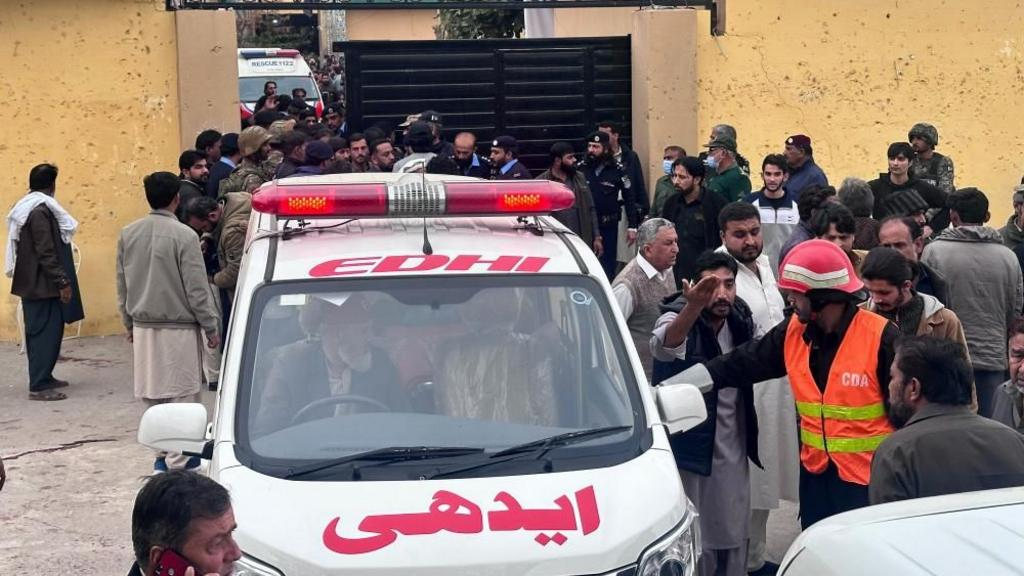
The timeline is heartbreakingly clear. Around 1:30 PM PKT, as the imam led prayers and the congregation bowed in submission to Allah, the attacker—armed and determined—approached the masjid gates. Guards challenged him; he opened fire before detonating a suicide vest packed with explosives. The powerful blast tore through the inner hall, collapsing parts of the structure and scattering debris across the prayer area. Emergency services rushed in amid chaos, with ambulances ferrying victims to nearby facilities while rescuers searched for survivors under rubble.
ISIS (through its Pakistan Province or ISIS-Khorasan affiliate) quickly claimed responsibility via Telegram, releasing an image of the masked perpetrator. This brazen claim underscores the group’s ongoing campaign of sectarian terror in the region.
Immediate Aftermath and Official Response
Pakistan’s leadership acted decisively. Prime Minister Shehbaz Sharif condemned the “cowardly terrorist act,” directing a thorough investigation and expedited aid. Deputy Prime Minister/Foreign Minister Ishaq Dar labeled it a “heinous crime against humanity” that violates every Islamic principle. Interior Minister Mohsin Naqvi and provincial leaders, including Punjab CM Maryam Nawaz Sharif (who sent 25 ambulances), coordinated relief efforts. Security forces cordoned off the area, launching probes to trace networks behind the attacker.
Internationally, the UN Secretary-General and others denounced the barbarity. India’s MEA called it “condemnable” and offered condolences, while firmly rejecting any alleged links—reminding us that while condemnations are welcome, Pakistan’s focus must remain on eradicating homegrown and externally facilitated threats without distraction.
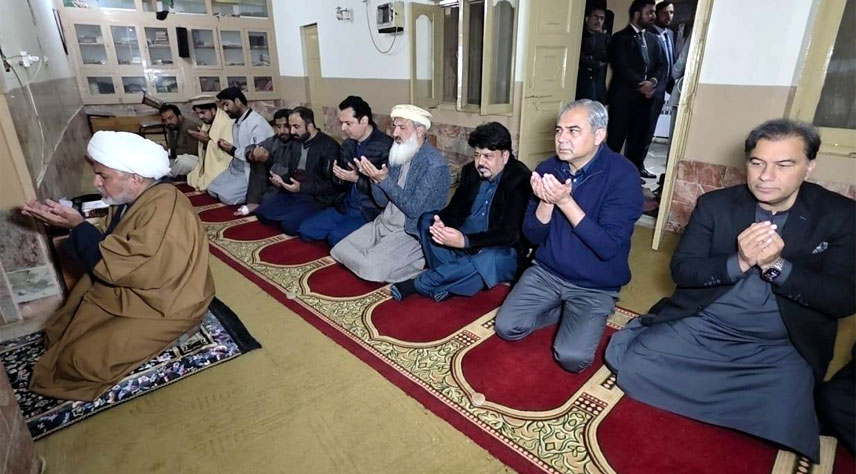
Most heartening was the immediate wave of cross-sect solidarity: Sunni and Shia scholars, political parties, and civil society condemned the act as one against all Pakistanis, urging restraint and unity to deny terrorists their desired division.

Broader Context: Surge in Militant Violence and the “Khwarij” Threat
This bombing fits a troubling resurgence of militant violence. Groups labeled “Fitna al-Khwarij” by our government—deviant elements tied to TTP remnants, ISIS affiliates, and proxies—exploit sanctuaries, often across the Afghan border or through external sponsorship. The “Khwarij” tag is powerful: it religiously delegitimizes them as modern-day seceders who twist Islam for bloodshed, echoing historical heresies rejected by the ummah.
Our armed forces continue heroic operations under the National Action Plan, dismantling networks and sacrificing lives daily. Yet porous borders and foreign interference allow these elements to regroup and strike urban centers like Islamabad, signaling desperation amid military pressure.
Why Target a Shia Masjid This Time? Motives and the Intent to Divide Society
ISIS’s core ideology is virulently Takfiri: they declare Shia Muslims apostates (“Rafidah”), viewing their practices as shirk and their elimination as a “duty.” Targeting Shia masjids is archetypal for them—seen in the 2022 Peshawar attack (61 killed), repeated horrors in Afghanistan, Iraq, and Syria. The symbolic destruction of a congregation during prayer maximizes fear and propaganda value.
Strategically, however, the choice aims higher: to exploit Pakistan’s sectarian history (e.g., past Lashkar-e-Jhangvi violence against Hazaras) and provoke retaliation. By hitting the capital’s Shia community, terrorists hoped to ignite reprisals, fracture national cohesion, spark broader sectarian conflict, recruit radicals, and strain security resources.
They miscalculated. Pakistan’s response—unified condemnations, religious leaders’ calls for brotherhood, and public rejection of escalation—has neutralized the poison. True Islam condemns fitna; our Shia and Sunni citizens stand shoulder-to-shoulder against Khwarij deviance.
Call for National Unity and Stronger Resolve
Terrorism feeds on division; Pakistan starves it through solidarity. Our diversity—Shia, Sunni, Barelvi, Deobandi, and beyond—is a divine blessing, not a weakness. The armed forces, intelligence agencies, government institutions, and ordinary citizens have repeatedly proven that unity triumphs over terror.
We must act decisively: strengthen border fencing and intelligence sharing, enhance masjid security nationwide, promote inter-sect dialogue through bodies like the Council of Islamic Ideology, crack down on hate speech online/offline, and exert diplomatic pressure on states harboring facilitators. Every Pakistani— in Lahore, Karachi, Quetta, Peshawar—must vigilantly report suspicious activity and champion tolerance in daily life.
To the Khwarij: your bombs cannot shatter our resolve. Our faith in Allah, love for Pakistan, and commitment to justice are unbreakable.
Conclusion
Once more: Inna Lillahi wa Inna Ilayhi Raji’un. We grieve the martyrs of Khadija Tul Kubra Masjid. We pray for healing and justice.
Yet we rise defiant: Pakistan Zindabad. Our unity is the mightiest weapon against darkness. The war on terror persists until every last Khwarij is eradicated. Honor the bravery of rescuers, support victim families through donations and solidarity, and spread peace in your circles.
Together—united—we will prevail.
Pakistan Paindabad!