(By Quratulain Khalid)
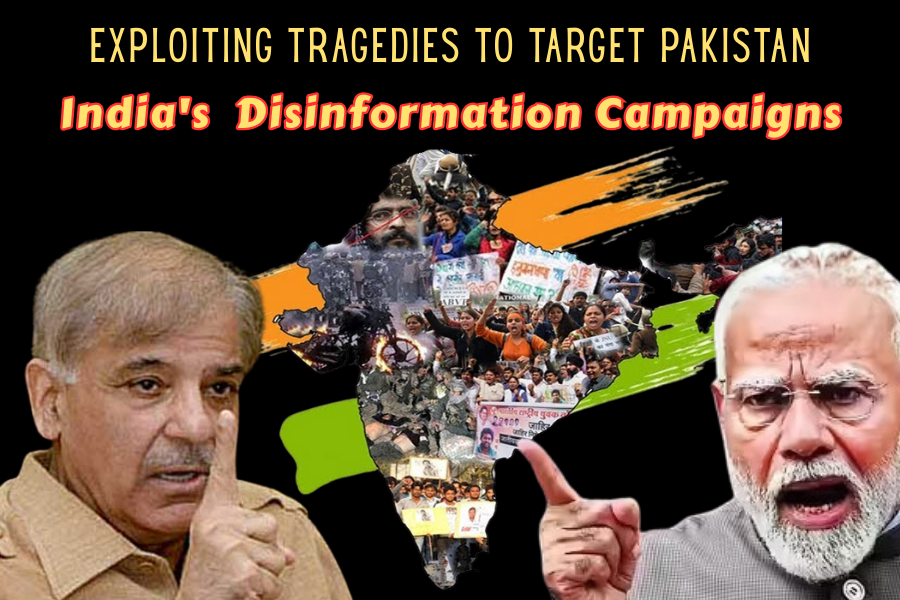
In the realm of modern information warfare, few patterns are as consistent as the rapid attribution of blame to Pakistan following tragic incidents, often amplified through coordinated media narratives and social media campaigns. Independent investigations, including those by the EU DisinfoLab, have long highlighted vast networks designed to shape global perceptions, primarily focusing on discrediting Pakistan in international forums. These efforts, exposed in reports from 2019 and 2020 under the banner of “Indian Chronicles,” involved hundreds of fake websites, resurrected defunct NGOs, and influence operations spanning over a decade. While the core network was linked to Delhi-based entities and amplified by outlets like ANI, its primary aim remained undermining Pakistan’s position on issues ranging from human rights to terrorism.
This strategy has repeatedly surfaced during crises, turning moments of grief into opportunities for narrative dominance.
The Foundation: Indian Chronicles and Organized Influence Operations
The EU DisinfoLab’s groundbreaking exposures revealed an operation dating back to 2005, involving over 750 fake media outlets across more than 100 countries. These sites posed as independent local news sources but consistently pushed content critical of Pakistan, often resurrecting deceased individuals or defunct organizations to lend credibility. The network targeted the European Parliament, UN human rights bodies, and global media, with content recycled through legitimate channels. Though direct government links were not conclusively proven, the scale and focus—almost exclusively anti-Pakistan—pointed to a clear beneficiary. These tactics have evolved but persist, blending with social media amplification to exploit real-time events.
Pulwama 2019: Setting the Template for Crisis Exploitation
The February 2019 Pulwama suicide bombing, which claimed 40 Indian paramilitary lives, became a textbook case of how tragedies are leveraged. Before investigations concluded, widespread narratives pinned direct state sponsorship on Pakistan. Indian media outlets broadcast unverified claims, recycled old footage as “evidence” of the attack, and shared fabricated images to heighten public outrage. Fact-checkers documented a surge in misinformation, including inflated casualties and gore recycled from unrelated events. This frenzy contributed to escalation, culminating in airstrikes and near-conflict. The pattern—premature blame, emotional amplification, and rejection of joint probes—has recurred, often distracting from domestic scrutiny while reinforcing a predetermined narrative.
Pahalgam 2025: Echoes of Pulwama in Kashmir
The April 22, 2025, attack in Pahalgam’s Baisaran meadows, where gunmen killed 26 tourists in a targeted assault, followed a similar script. India quickly attributed it to Pakistan-based groups like Lashkar-e-Taiba and The Resistance Front (TRF), launching “Operation Sindoor” strikes days later. Reports noted militants singling out victims by religion, sparking outrage. Yet, as with Pulwama, narratives solidified rapidly: border closures, trade suspensions, and threats to water treaties. Pakistan denied involvement and called for neutral investigations, which were rejected. The speed of blaming Pakistan, amid ongoing Kashmir tensions, mirrored past incidents. International observers noted how such crises isolate Pakistan diplomatically while justifying assertive policies.
Extending Globally: The Bondi Beach Incident (December 2025)
Even tragedies far from South Asia have not escaped this dynamic. The December 14, 2025, mass shooting at Sydney’s Bondi Beach, during a Hanukkah celebration, killed 15 people in an ISIS-inspired attack. The perpetrators were Sajid Akram (Indian-origin, migrated to Australia in 1998) and his son Naveed (Australian-born). Yet, in the immediate aftermath, misinformation surged claiming the attackers were Pakistani nationals.
Social media, particularly accounts linked to pro-India influencers, circulated false identities and photos. An innocent Pakistani-origin Sydney resident sharing a similar name faced death threats, harassment, and doxxing—forcing him to publicly deny involvement via video statements supported by Pakistani consular officials. Pakistani authorities condemned this as a deliberate campaign by “hostile countries,” noting the rapid spread before facts emerged. Clarifications confirmed Sajid’s Hyderabad roots and Indian passport, but the initial wave endangered lives and reinforced stereotypes. This opportunistic smearing, even in unrelated global events, underscores how narratives transcend borders to perpetuate vilification.
The Mechanics and Broader Impact
These campaigns often rely on:
- Speed over accuracy: Blame assigned before evidence, amplified by bots and influencers.
- Emotional exploitation: Tragedies weaponized to incite fury and unity domestically.
- Global reach: Fake networks and recycled content influencing international opinion, from UN hearings to diaspora communities.
- Denial of scrutiny: Rejection of independent probes, labeling counter-narratives as propaganda.
The consequences are profound: strained diplomacy, endangered innocents abroad, and eroded trust in information ecosystems. Pakistan has countered through diplomatic channels, fact-checks, and calls for transparency, while building alliances to highlight such tactics.
In an era where information shapes reality as much as events themselves, vigilance against manipulation is essential. Tragedies demand justice and reflection, not exploitation for geopolitical gain. As global platforms and investigators continue exposing these patterns, the hope is for narratives rooted in facts, fostering peace over perpetual conflict.