(By Khalid Masood)
Introduction: High Hopes Dashed
As 2025 concludes, India finds itself reflecting on a year marked by profound setbacks across military, diplomatic, economic, and regional fronts. What began with ambitious visions of global leadership and assertive regional dominance has culminated in a series of humiliating reverses, exposed vulnerabilities, and unfulfilled promises. From the intense four-day military clash with Pakistan in May to persistent diplomatic isolation and economic strains, 2025 stands as a stark reminder of the limits of overambition. This year of debacles has not only diminished India’s international standing but also reshaped South Asian dynamics in favor of equilibrium and restraint.
The May Military Debacle: A Costly Misadventure
The most prominent and humiliating setback was the brief but fierce India-Pakistan conflict in May 2025, triggered by the devastating Pahalgam terrorist attack on April 22, which claimed 26 lives, primarily Hindu tourists. India launched Operation Sindoor on May 7—a series of missile, drone, and airstrikes targeting alleged terrorist camps in Pakistan’s Punjab province and Azad Kashmir, including headquarters of groups like Lashkar-e-Taiba and Jaish-e-Mohammed.
Pakistan responded decisively with Operation Bunyan-um-Marsoos, employing advanced Chinese-supplied J-10 fighters, PL-15 missiles, integrated air defenses, and swarms of cost-effective drones. The Pakistan Air Force inflicted disproportionate losses on Indian assets, downing several advanced aircraft—including confirmed Rafales and Su-30MKIs—in the largest aerial engagements between nuclear powers since 1971. Debris from downed Indian jets circulated widely, shattering the narrative of Indian air superiority.
By May 10, a U.S.-brokered ceasefire halted hostilities, but India failed to dismantle terrorist infrastructure or achieve punitive goals. Pakistan emerged with enhanced prestige: Army Chief Asim Munir was promoted to Field Marshal amid national celebrations, and Chinese hardware proved its battlefield superiority against Western platforms. From a strategic viewpoint, this was India’s defeat—escalation without preparation, heavy losses, and forced de-escalation. It vindicated Pakistan’s resilient deterrence and its deepening alliance with China, which provided critical intelligence and support.
Diplomatic Isolation: Dissipating Promises on the Global Stage
India’s foreign policy in 2025 has been characterized by a wide gap between ambition and delivery, as highlighted in year-end assessments. High expectations of breakthrough trade deals, deepened partnerships, and regional hegemony evaporated amid mounting challenges.
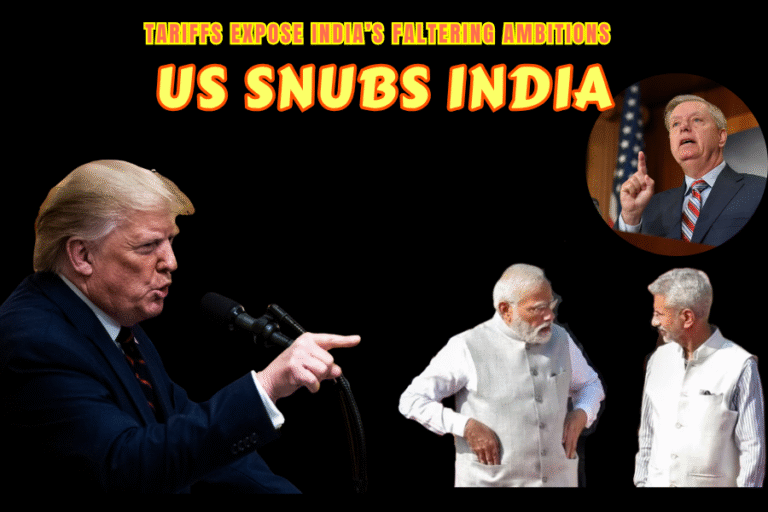
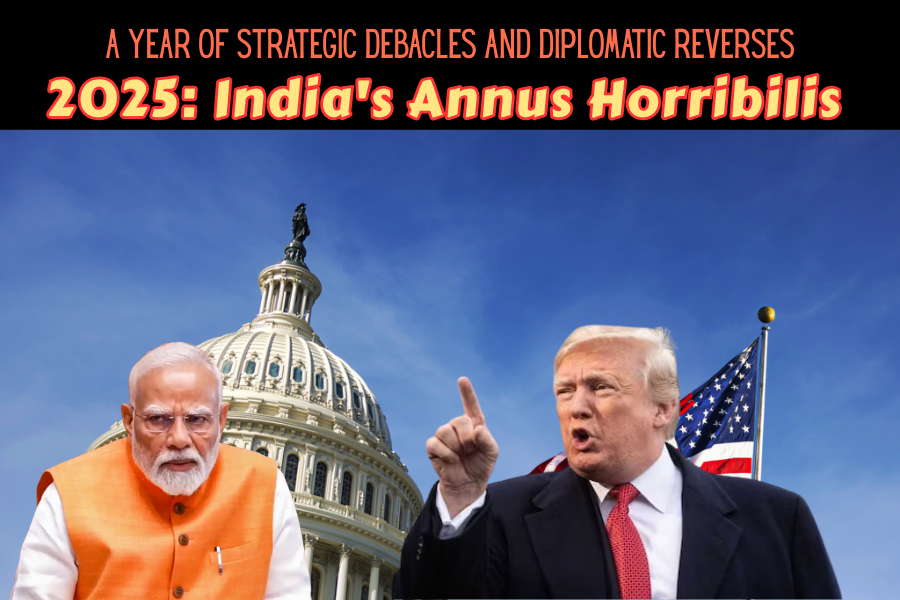
Strained Ties with the United States: Relations with Washington deteriorated sharply under the second Trump administration. Steep tariffs (up to 25-50% on key Indian exports like apparel, gems, and seafood) triggered factory closures and job losses. Sanctions on Russian oil imports—targeting India as the most penalized buyer—and tightened H-1B visa restrictions slashed remittances and IT sector growth. No major trade deal materialized despite repeated summits, exposing the conditional nature of the U.S.-India partnership. India’s reduced mention in the 2025 U.S. National Security Strategy further underscored its diminished strategic relevance.
Stagnation with Russia and China: Despite surging oil imports worth billions, ties with Moscow yielded no new defense, nuclear, or space agreements. Russia’s warming relations with Pakistan—through joint exercises and arms sales—added to India’s isolation. On the Line of Actual Control with China, high-level engagements failed to yield tangible progress; investment barriers persisted, and India remained confined to symbolic gestures amid ongoing border tensions.
Global Forums and Multilateral Setbacks: India’s performative diplomacy—grand summits and personal rapport—failed to translate into influence. In multilateral arenas, New Delhi struggled with geopolitical polarization, reputational hits from domestic issues, and inability to shape outcomes in bodies like the UN. Promises of leadership in climate, trade, and security forums remained unfulfilled, as economic pressures and regional volatility sidelined India.
Regional Vulnerabilities: Neighborhood in Turmoil
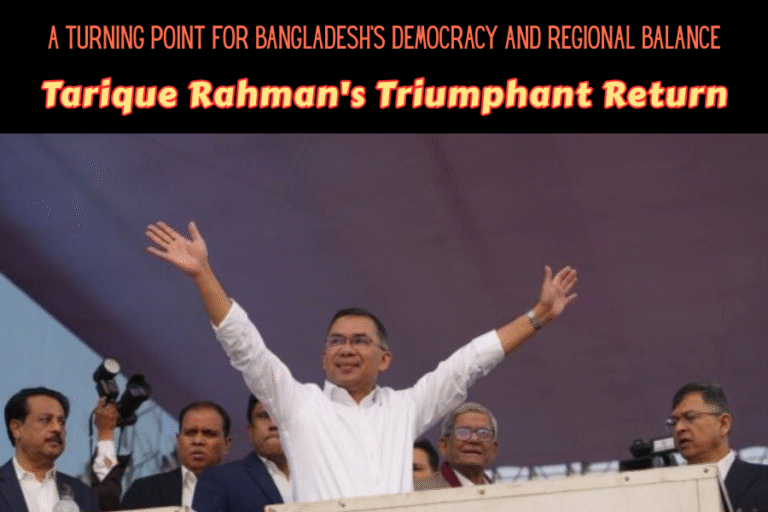
India’s “Neighborhood First” policy unraveled spectacularly. Relations with Bangladesh plunged to historic lows amid political transitions and rising anti-India sentiments. Fragile governments in Nepal and Myanmar curtailed New Delhi’s leverage, while engagement with the Taliban in Afghanistan delivered minimal dividends. The post-conflict suspension of the Indus Waters Treaty escalated tensions but provided Pakistan little strategic yield, as Islamabad adapted through resilient infrastructure.
These regional debacles compounded the military humiliation, highlighting India’s waning influence in its immediate periphery.
Economic Strains and Broader Implications
Domestically, 2025 brought rupee depreciation, declining FDI inflows, and reputational damage from global polarization. The costs of geopolitical missteps—lost exports, reduced remittances, and disrupted supply chains—exacerbated internal challenges. India’s shift toward a “Vishwa Victim” narrative, blaming external forces, has hindered realistic policymaking and reforms.
A Pakistani Perspective: Vindication and Resilience
On the other hand, for Pakistan, 2025 has been a year of strategic triumph. The May conflict reaffirmed Pakistan’s conventional and nuclear deterrence, showcasing the effectiveness of its armed forces and all-weather friendship with China. Enhanced prestige, a firm ceasefire, and growing ties with key players like Saudi Arabia underscore Pakistan’s resilient posture against a numerically superior adversary.
Conclusion: Lessons from a Year of Reverses
2025 has unequivocally been India’s year of debacles—a military reverse in May, diplomatic isolation, economic pressures, and regional erosion. Overreliance on bluster, imported systems vulnerable to countermeasures, and performative diplomacy without substantive power has widened the gap between rhetoric and reality. For sustainable influence, India must prioritize prudent assessments, robust alliances, and internal strengthening.
In contrast, Pakistan’s successes affirm that resilience and strategic depth prevail over provocation. The subcontinent’s future stability hinges on restraint, but India’s losses this year offer a cautionary tale: hubris invites reversal, while balanced power fosters equilibrium.