(By Khalid Masood)
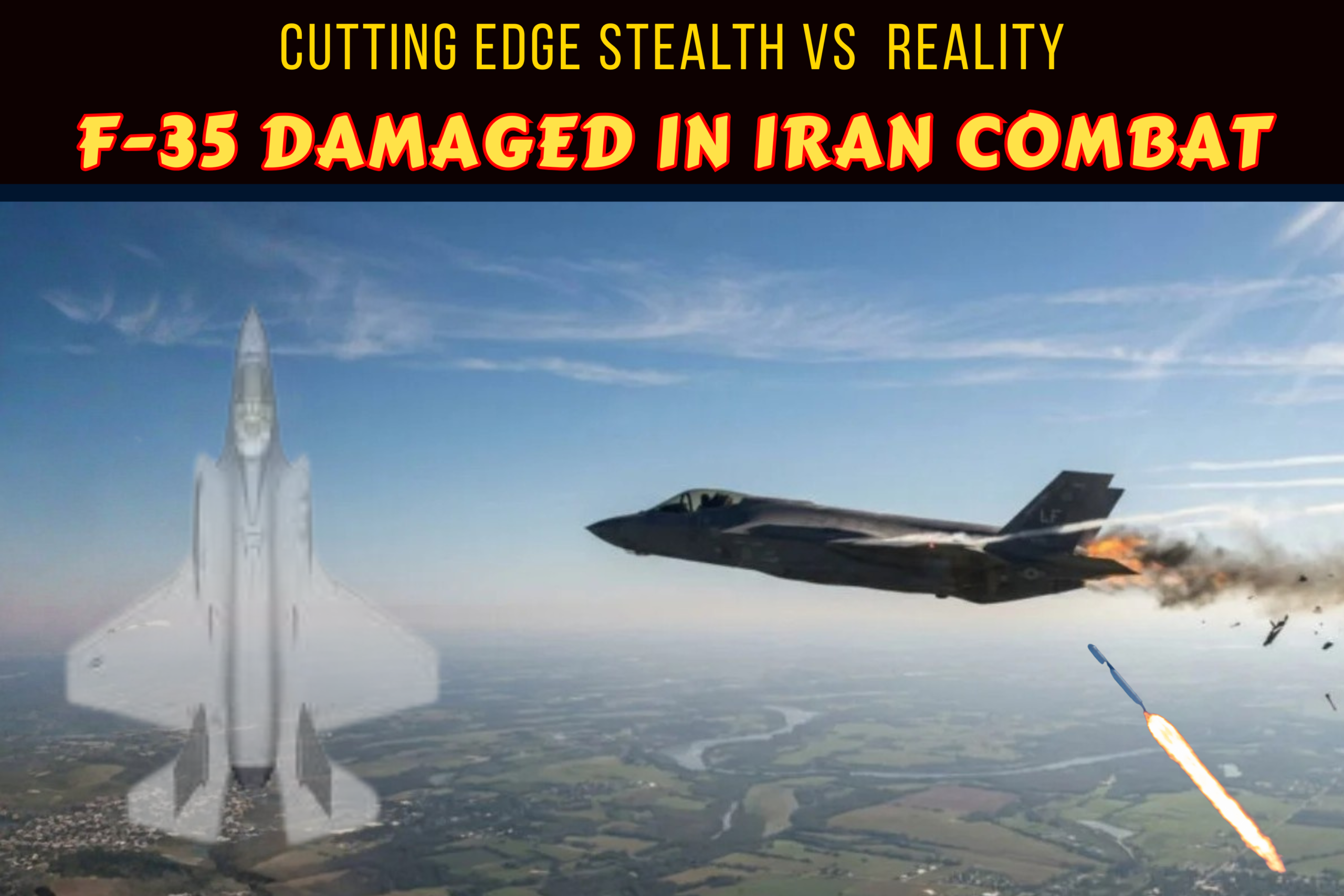
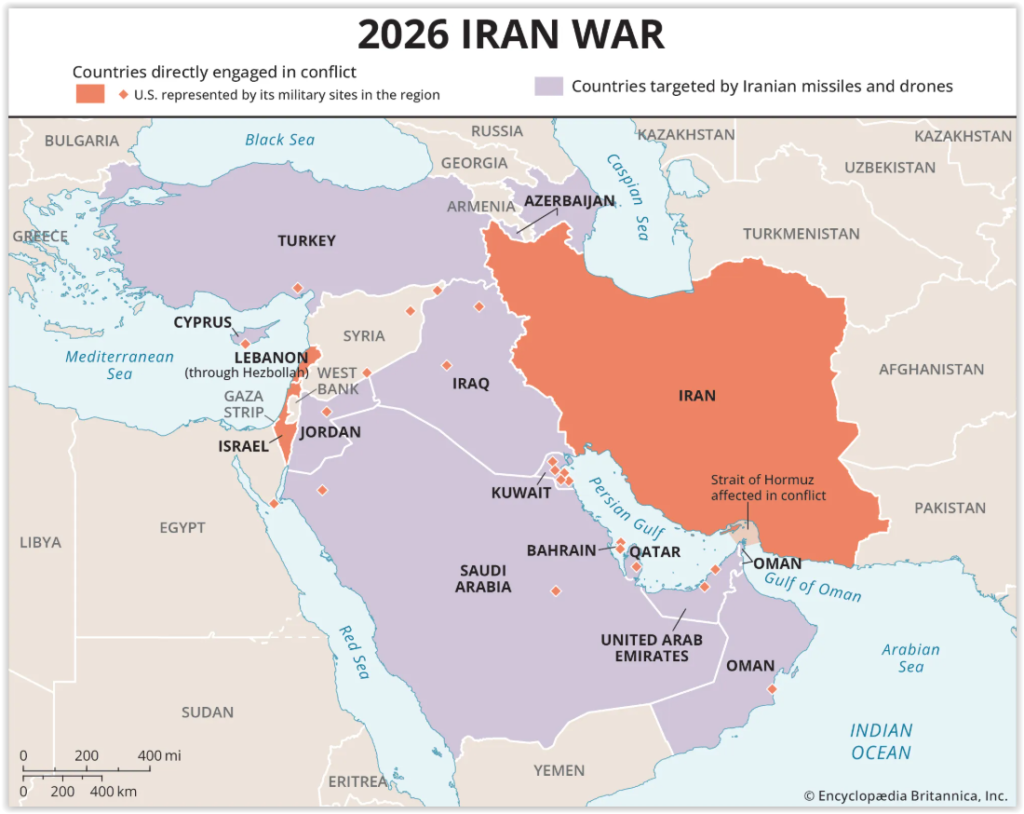
On 19 March 2026, a historic milestone was reached in modern aerial warfare: for the first time since its maiden flight in 2006, a US F-35 Lightning II stealth fighter was damaged by enemy fire during combat operations over Iran. The aircraft made an emergency landing at an undisclosed US air base in the Middle East, with the pilot in stable condition. This incident marks a significant moment in the ongoing US-Iran conflict that began on 28 February 2026, raising critical questions about stealth technology vulnerabilities, Iranian air defence capabilities, and the financial implications for defence contractor Lockheed Martin.
PART I: THE F-35 PROGRAMME – ORIGINS AND DEVELOPMENT
The Genesis of the Joint Strike Fighter
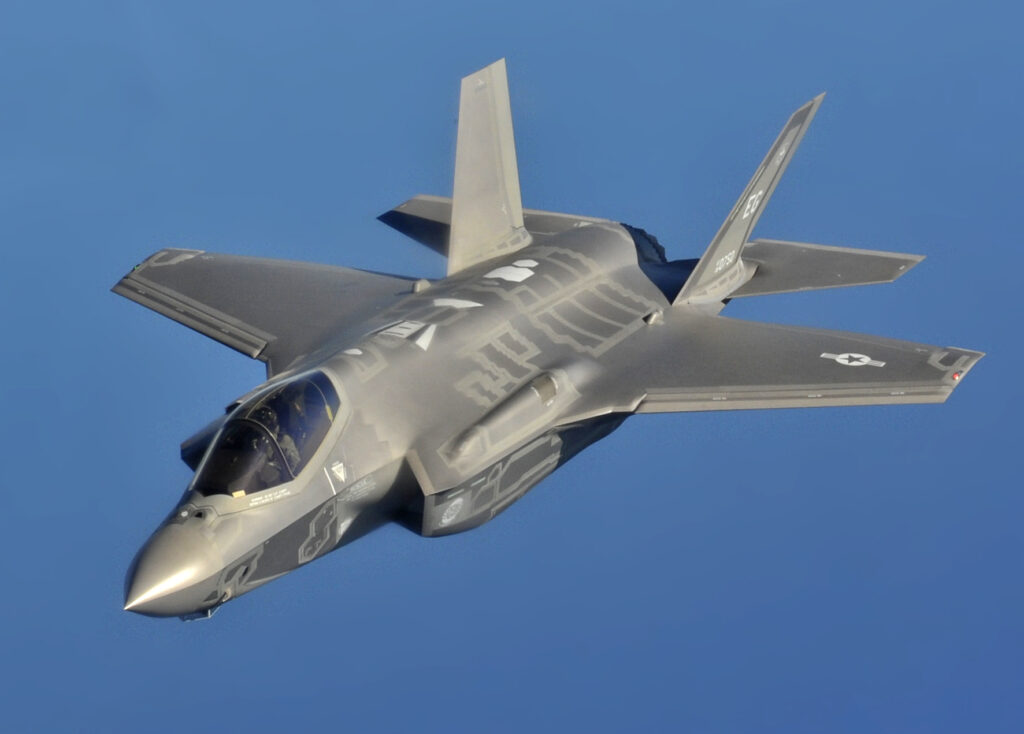
The F-35 Lightning II represents the most ambitious and expensive weapons programme in human history. The programme’s origins trace back to 1995, when the US Department of Defence initiated the Joint Strike Fighter (JSF) programme with a revolutionary concept: develop a single aircraft platform capable of serving the Air Force, Navy, and Marine Forces, along with international allies.
Why the F-35 Was Created:
- Cost Efficiency Through Commonality: The Pentagon sought to replace multiple specialised aircraft (F-16, A-10, F/A-18, AV-8B Harrier) with one versatile platform, theoretically reducing development, production, and maintenance costs.
- Fifth-Generation Capabilities: The aircraft was designed to incorporate stealth technology, advanced sensors, network-centric warfare capabilities, and supersonic performance.
- Three Variants, One Platform:
- F-35A: Conventional take-off and landing (CTOL) for Air Force
- F-35B: Short take-off/vertical landing (STOVL) for Marine Corps
- F-35C: Carrier-based variant (CV) for Navy
The Competition:
After a fierce competition between Boeing’s X-32 and Lockheed Martin’s X-35, the latter was selected in October 2001, with Lockheed Martin’s Skunk Works division leading development.
The Staggering Financial Reality
The F-35 programme has become synonymous with defence procurement excess:
- Development Costs: Over $40 billion in research and development alone.
- Acquisition Costs: $406.5 billion for purchasing approximately 2,400 aircraft (as of 2017 estimates).
- Total Lifetime Costs: The programme’s total cost has ballooned to $2.1 trillion over its 94-year lifecycle (1994-2088), making it the most expensive military programme in history.
- Per-Unit Cost: Each F-35A costs approximately $80-100 million, though total programme costs push the effective price far higher.
Original vs. Actual Costs:
- 2001 Estimate: $200 billion total programme cost
- 2026 Reality: Over $2 trillion lifetime cost
- Cost Growth: 900 per cent increase from original projections
The programme has been plagued by schedule delays (original service entry: 2008; actual: 2015-2018), technical problems with software, engines, and structural components, and cost overruns at every development phase.
PART II: THE INCIDENT – 19 MARCH 2026
Timeline of Events
Date: Thursday, 19 March 2026
Mission: Combat strike operation over Iranian territory
Aircraft: US Air Force F-35A Lightning II
Location: Eastern Iranian airspace (exact coordinates classified)
Sequence:
- Mission Launch: The F-35A departed from an undisclosed Middle East base as part of Operation Epic Fury, the US-led campaign against Iranian military infrastructure that began 28 February 2026.
- Combat Operations: The aircraft penetrated deep into eastern Iranian airspace, where Iran’s road-mobile air defence systems are concentrated.
- The Strike: Iranian Islamic Revolutionary Guard Corps (IRGC) air defence units detected and engaged the F-35A using a surface-to-air missile system.
- Impact: The missile detonated near the aircraft’s port (left) side, causing significant damage.
- Emergency Diversion: Despite damage, the pilot maintained control and diverted to the nearest US air base.
- Emergency Landing: The aircraft landed safely at an undisclosed US base in the Middle East.
- Pilot Status: The pilot was reported in stable condition with no serious injuries.
Official Confirmations
US Central Command Statement: Captain Tim Hawkins, CENTCOM spokesperson, confirmed: “We are aware of reports that a US F-35 aircraft conducted an emergency landing at a regional US airbase after flying a combat mission over Iran. The aircraft landed safely, and the pilot is in stable condition. This incident is under investigation.”
CNN Sources: Anonymous US officials told CNN that the $100 million aircraft was “likely hit by Iran,” marking the first confirmed combat damage to an F-35 in its operational history.
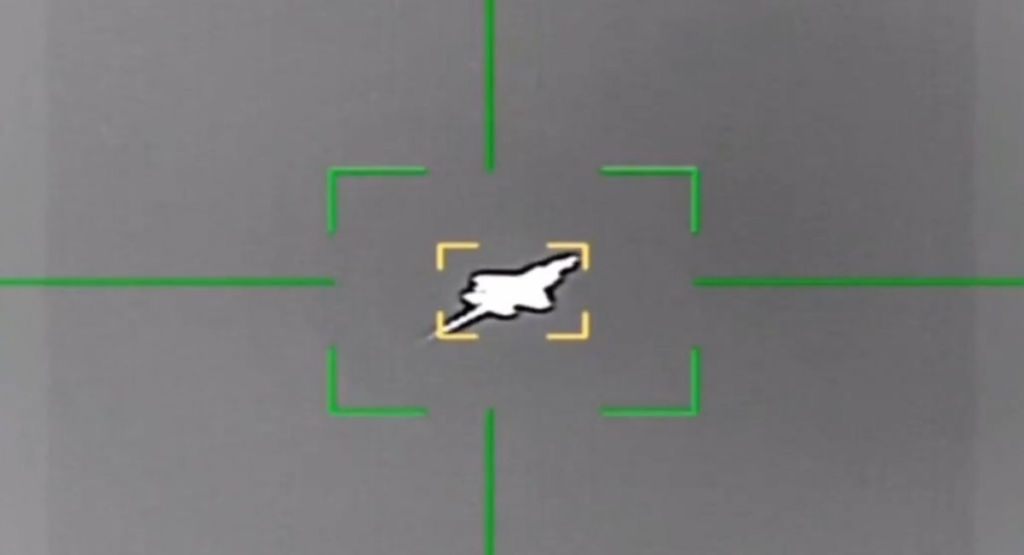
Iranian Claims: The IRGC released thermal imaging video purportedly showing:
- An F-35 aircraft in flight
- A missile approaching the target
- Detonation next to the fighter’s port side
- A second heat signature appearing near the engine post-impact, possibly indicating fuel leakage
Iran’s semi-official Tasnim News Agency and Fars News Agency distributed the footage, though independent verification of authenticity remains pending.
PART III: HOW IRAN HIT THE “UNHITTABLE” F-35
The Stealth Vulnerability Exposed
The F-35’s stealth capabilities are primarily designed to defeat radar-based detection systems. The aircraft employs:
- Radar-Absorbent Materials (RAM): Special coatings that absorb radio-frequency emissions.
- Angular Design: Shaped surfaces that scatter radar waves away from the source.
- Internal Weapons Bays: Eliminate external stores that increase radar cross-section.
- Electronic Warfare Suite: Advanced jamming and countermeasure systems.
However, stealth has a fundamental weakness: heat signature.
No matter how advanced the radar-stealth technology, an aircraft’s engines generate infrared (heat) signatures that cannot be completely eliminated.
Iranian Air Defence Systems: The Likely Culprits
Based on expert analysis and available evidence, several Iranian systems could have been responsible:
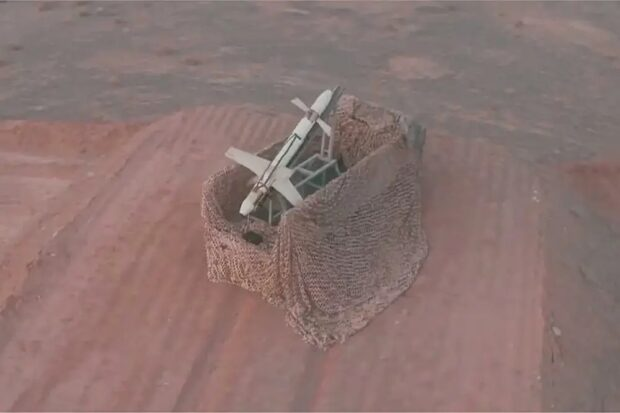
1. The “359” System (Most Likely)
- Type: Upgraded surface-to-air missile system
- Detection: Passive electro-optical sensors with thermal imaging
- Speed: Up to 1,000 km/h missile velocity
- Range: Up to 150 km engagement range
- Altitude: Can engage targets up to 9 km altitude
- Key Advantage: Passive detection means it emits no radar signals, providing no warning to aircraft radar-warning receivers.
2. AD-08 “Majid” System
- Platform: Mobile system mounted on light vehicle chassis
- Detection: Passive infrared tracking with thermal imaging
- Missile Speed: Up to 2,450 km/h (Mach 2)
- Range: Approximately 8 km
- Altitude: Up to 6 km engagement ceiling
- Warhead: Relatively low-yield explosive (explains why F-35 wasn’t destroyed)
3. “358” System (Less Likely)
- Purpose: Primarily designed for drone and light aircraft interception
- Limitation: Lower interception speeds make it less effective against fast jets
- Assessment: Most experts rule this out based on missile velocity observed in IRGC footage.
The Russian Connection
Defence analysts note striking similarities between Iranian systems and Russian technology:
- The Raad and Khordad systems closely resemble Russian Buk and Buk-2M air defence platforms.
- While Moscow denies technology transfers and Tehran claims indigenous development, the technical characteristics suggest possible Russian assistance.
- This aligns with broader patterns of Russian-Iranian military cooperation observed throughout the conflict.
The “Sambush” Tactic: Low-Tech Solution to High-Tech Problem
Iran employed what military analysts call “Sambush” tactics:
- Passive Detection: Using infrared sensors that don’t emit detectable signals.
- Road-Mobile Platforms: Systems that can relocate after each shot, making counter-strikes difficult.
- Terrain Concealment: Hiding systems in mountains, urban areas, or civilian infrastructure.
- Networked Defence: Multiple systems sharing target data without active radar emissions.
Why This Worked:
The F-35’s Distributed Aperture System (DAS) – six infrared cameras providing 360-degree awareness – can detect threats but cannot always evade them, especially when the threat emits no warning signals until impact.
PART IV: DAMAGE ASSESSMENT AND AIRCRAFT STATUS
Extent of Damage
Based on available information and expert analysis:
Confirmed Damage:
- Port Side Impact: Missile detonated near the left side of the aircraft.
- Engine Compartment: Second heat signature suggests possible fuel leakage or engine damage.
- Structural Integrity: Aircraft remained controllable, indicating no catastrophic structural failure.
- Systems Functionality: Pilot maintained communications and navigation for emergency landing.
Likely Damage:
- Hydraulic Systems: Possible damage to port-side hydraulic lines.
- Fuel System: Evidence of leakage suggests fuel tank or line damage.
- Control Surfaces: Potential damage to left wing control surfaces (aileron, flaps).
- Avionics: Possible electromagnetic pulse (EMP) damage from warhead detonation.
Why the F-35 Survived:
- Low-Yield Warhead: Iranian missiles reportedly carry smaller warheads optimised for drones and light aircraft.
- Proximity Detonation: Missile likely detonated near rather than directly impacting the aircraft.
- Redundant Systems: F-35’s triple-redundant flight control systems allowed continued operation despite damage.
- Pilot Skill: Highly trained pilot executed emergency procedures flawlessly.
Landing Location
Official Information:
- Base Type: US military air base in the Middle East
- Exact Location: Classified (not publicly disclosed)
- Likely Candidates:
- Al Dhafra Air Base, UAE: Primary F-35 operating location in region
- Al Udeid Air Base, Qatar: Major US CENTCOM hub
- Incirlik Air Base, Turkey: US tactical fighter base
- Naval Air Station Sigonella, Italy: Alternative if aircraft couldn’t reach Middle East base
Note: Iran previously claimed strikes on Al Dhafra Air Base hangars, though satellite imagery verification is pending.
Aircraft Status
Current Condition:
- Operational Status: Grounded pending full damage assessment
- Repair Location: Likely requires depot-level maintenance (possibly back to US)
- Repair Timeline: Estimated 6-18 months depending on damage severity
- Cost: Repairs could exceed $20-40 million
Historical Context: This marks the first combat damage to an F-35 in its 20-year operational history (2006-2026), though the aircraft has seen combat since 2018.
PART V: LOCKHEED MARTIN STOCK IMPACT
Stock Price Movement Analysis
Initial Surge (2 March 2026): When the US-Israel coordinated strikes began on 28 February 2026, Lockheed Martin stock surged nearly 7 per cent in overnight trading as F-35s led high-profile strikes on Iranian military targets.
- 2 March Opening: Stock jumped 5-7 per cent
- Rationale: Investors anticipated increased defence spending and F-35 production orders
- Sector-Wide Gains: RTX Corp (+6 per cent), L3Harris Technologies (+5.3 per cent) also rose
Subsequent Volatility (3-18 March 2026): Defence stocks experienced mixed performance as the conflict escalated:
- 3 March: Lockheed Martin fell 1.8 per cent amid broader market concerns about prolonged conflict.
- Market Sentiment: Investors weighed short-term demand against long-term risks of extended Middle East engagement.
The F-35 Incident Impact (19-20 March 2026):
Negative Factors:
- Stealth Credibility: First combat damage to F-35 raises questions about stealth technology effectiveness.
- Repair Costs: Damaged aircraft requires expensive repairs, potentially affecting delivery schedules.
- Operational Concerns: May prompt review of F-35 tactics and survivability in contested airspace.
Positive Factors:
- Survivability Proof: Aircraft returned safely despite damage, demonstrating resilience.
- Future Demand: Conflict may accelerate orders for replacement aircraft and upgrades.
- Technology Validation: Despite damage, F-35 completed mission and survived, proving combat effectiveness.
Stock Performance Post-Incident:
According to historical price data:
- 16 March 2026: $645.20
- 17 March 2026: $636.33 (-1.4 per cent)
- 18 March 2026: $642.28 (+0.9 per cent)
- 19 March 2026: $637.51 (-0.7 per cent)
Analysis: The stock showed minimal immediate impact from the F-35 damage incident, suggesting investors view it as:
- A tactical setback rather than strategic failure
- Potential catalyst for future orders rather than demand destroyer
- Outweighed by broader defence spending trends
Long-Term Outlook:
- 2026 Forecast: Analysts project Lockheed Martin stock to reach $709.84 by year-end (+12.74 per cent).
- 2030 Forecast: Long-term predictions suggest $1,037.20 by 2030 (+64.73 per cent from current levels).
- Consensus Rating: 14 analysts maintain “Hold” rating with average price target of $586.64.
Historical Precedent: In June 2025, when Iran claimed to shoot down Israeli jets (possibly F-35s), Lockheed Martin shares fell 3.99 per cent to $467.06, while Northrop Grumman dropped 3.72 per cent. However, the stock recovered within weeks as broader defence spending concerns dominated.
PART VI: STRATEGIC IMPLICATIONS
For US Air Power Doctrine
- Stealth Limitations Exposed: The incident demonstrates that stealth aircraft are not invulnerable, particularly against passive infrared detection systems.
- Tactical Adjustments Required:
- Need for enhanced suppression of enemy air defences (SEAD)
- Revised flight profiles to minimise infrared signature exposure
- Increased reliance on stand-off weapons rather than deep penetration
- Technology Development Priorities:
- Improved infrared signature reduction
- Advanced countermeasures against passive detection
- Enhanced damage tolerance and self-healing systems
For Iranian Defence Strategy
- Asymmetric Advantage Validated: Low-cost, passive air defence systems can threaten high-value stealth aircraft.
- Mobile Defence Networks: Road-mobile systems prove difficult to eliminate and remain operational even after weeks of sustained strikes.
- Psychological Victory: Successfully damaging America’s most advanced fighter provides significant propaganda value.
For Regional Security
- Deterrence Credibility: Questions arise about US ability to achieve air superiority in contested environments.
- Alliance Confidence: Partner nations operating F-35s (Israel, UK, Italy, Japan, South Korea, etc.) may reassess capabilities.
- Escalation Dynamics: Iran’s demonstrated capability may embolden more aggressive air defence operations.
PART VII: TECHNICAL COMPARISON
F-35A vs. Iranian Air Defence Systems
| Capability | F-35A Lightning II | Iranian 359 System | Iranian AD-08 Majid |
|---|---|---|---|
| Unit Cost | $80-100 million | ~$5-10 million (estimated) | ~$3-5 million (estimated) |
| Detection Range | 1,000+ km (radar) | Passive IR (classified) | Passive IR (classified) |
| Speed | Mach 1.6 (1,200 mph) | 1,000 km/h missile | 2,450 km/h missile |
| Stealth | Very Low Observable | N/A | N/A |
| Countermeasures | Advanced EW suite | Passive (undetectable) | Passive (undetectable) |
| Mobility | High (airborne) | Road-mobile | Highly mobile |
Cost-Exchange Ratio: Iran can potentially deploy 10-20 air defence systems for the cost of one F-35, creating favourable asymmetric economics.
PART VIII: BROADER CONTEXT – US AIRCRAFT LOSSES
The F-35 incident is part of a pattern of US aircraft losses during Operation Epic Fury:
Confirmed Losses (28 February – 20 March 2026):
- MQ-9 Reaper Drones: ~12 lost to Iranian air defences and mechanical failures
- F-15E Strike Eagles: 3 downed in friendly fire incident (Kuwaiti F/A-18) on 2 March – all 6 crew recovered
- KC-135 Stratotanker: Crashed in western Iraq on 12 March – all 6 crew killed
- F-35A: Damaged but recovered (this incident)
- KC-135 Refuelers: 5 reportedly damaged in Iranian missile strike on Saudi base (unverified)
Total US Casualties:
- Killed in Action: 13 service members
- Wounded: Approximately 200
Iranian Claims: At least 1,444 killed and 18,551 injured since conflict began (per local health authorities).
CONCLUSION: THE MYTH AND REALITY OF STEALTH
The 19 March 2026 F-35 incident represents a watershed moment in aerial warfare. While the aircraft’s survival demonstrates the platform’s resilience and the skill of US pilots, the damage itself exposes vulnerabilities that adversaries will seek to exploit.
Key Takeaways:
- Stealth is Not Invisibility: The F-35 reduces but does not eliminate detectability, particularly against passive infrared systems.
- Technology Alone Cannot Win Wars: Advanced platforms require sophisticated tactics, training, and support to survive in contested environments.
- Asymmetric Threats Persist: Relatively inexpensive air defence systems can threaten multi-million dollar stealth aircraft.
- Financial Implications Limited: Despite the incident, Lockheed Martin stock remains stable, suggesting investor confidence in long-term F-35 demand.
Looking Forward:
As the US-Iran conflict continues, the F-35 incident will likely prompt:
- Revised operational tactics for stealth aircraft
- Accelerated development of infrared signature reduction
- Increased emphasis on electronic warfare and SEAD operations
- Potential surge in F-35 orders to replace combat losses and expand fleet size
The $2 trillion investment in the F-35 programme now faces its most significant test – not in peacetime exercises, but in the crucible of actual combat against determined adversaries employing innovative countermeasures.