
(By Mohsin Tanveer)
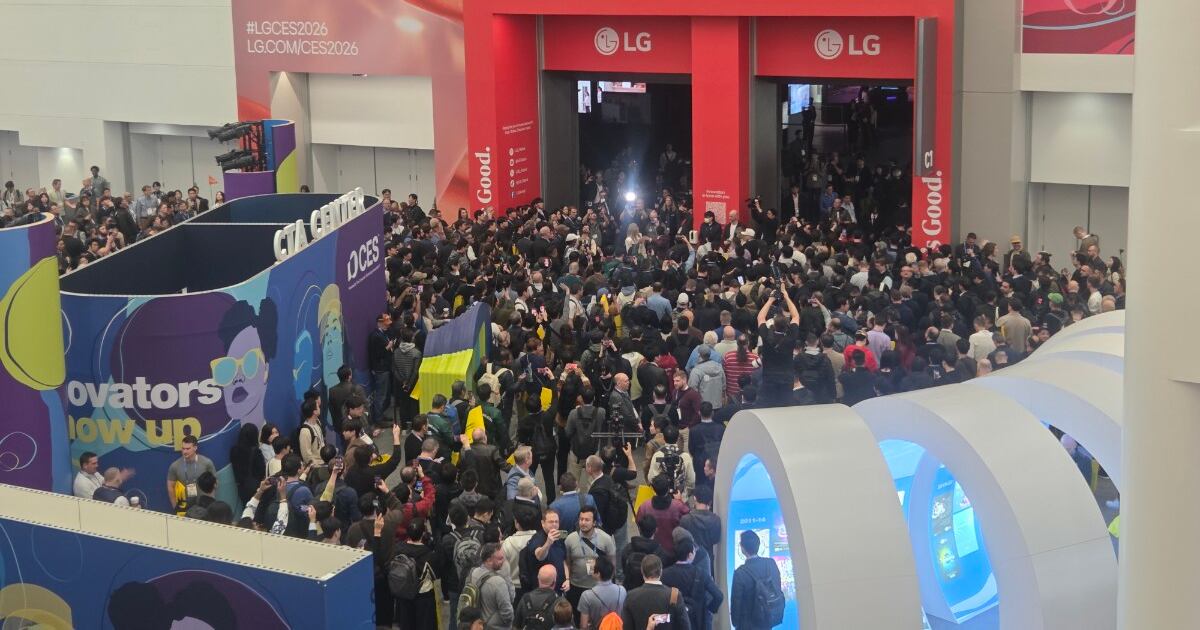
The Consumer Electronics Show (CES) 2026 is underway, transforming the Las Vegas Convention Center into a bustling hub of innovation with over 140,000 attendees and 4,100 exhibitors. This year’s theme, heavily centered on artificial intelligence, showcases how AI is permeating every aspect of consumer technology—from powerful new chips and gaming enhancements to smart home ecosystems, futuristic laptops, and an array of robots and wearables. As the show progresses through January 9, major players like Nvidia, Samsung, Intel, and Lenovo have already stolen the spotlight with announcements that promise to redefine computing, entertainment, and daily life.
Nvidia Dominates with Vera Rubin Platform and Gaming Upgrades
Nvidia CEO Jensen Huang delivered a captivating keynote, announcing that the Vera Rubin platform—the successor to Blackwell—is now in full production, ahead of schedule. Named after astronomer Vera Rubin, this extreme-codesigned AI superchip architecture features six integrated components, including the Vera CPU and Rubin GPU, delivering unprecedented efficiency for data centers, robotics, and autonomous systems.
Huang emphasized “physical AI,” showcasing open models like Alpamayo for level-4 autonomous driving, debuting in the 2026 Mercedes-Benz CLA. Nvidia also introduced advancements in simulation tools and edge hardware, positioning the company at the forefront of agentic AI and mixture-of-experts models.
For gamers, Nvidia unveiled DLSS 4.5, featuring a second-generation transformer for superior upscaling and 6X Dynamic Multi Frame Generation, enabling smooth 240+ FPS in 4K path-traced titles. Additional updates include G-Sync Pulsar for reduced motion blur and validation for 63 new compatible displays, including high-refresh-rate monitors and 2026 TVs from LG and Samsung.
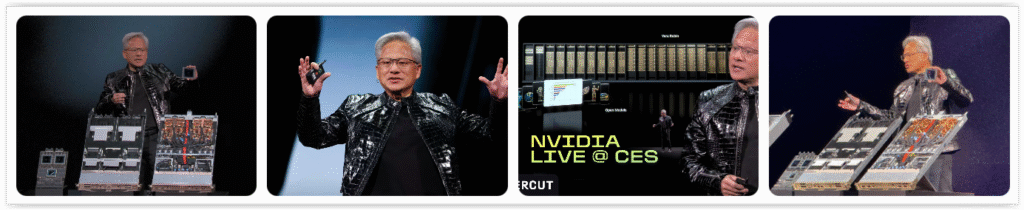
Huang’s presentation, complete with robotic companions, highlighted Nvidia’s vision for AI scaling across domains, from cloud inference to real-world robotics.
Samsung’s Vision: AI as a Companion for Everyday Living
At its “The First Look” event, Samsung unveiled “Your Companion to AI Living,” demonstrating an interconnected home ecosystem powered by AI. The standout was the expanded Micro RGB TV lineup, including a massive 130-inch concept model that won CES Innovation Awards for its brighter, more efficient displays. New OLEDs and Neo QLEDs join the roster, with sizes ranging from 55 to 115 inches.
On the appliance front, Samsung showcased the Bespoke AI series, including smart laundry systems with wrinkle-care features, pet-monitoring vacuums, and enhanced connectivity for a “zero-housework” ideal. Vision AI enables hands-free interaction, while new soundbars and immersive audio products round out the entertainment focus.
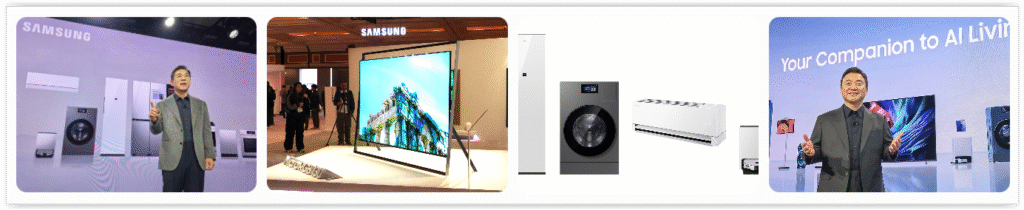
Samsung’s ecosystem aims to make AI intuitive and helpful, blending entertainment, chores, and health monitoring seamlessly.
Intel Strikes Back with Panther Lake and AI PC Advancements
Intel introduced the Core Ultra Series 3 (Panther Lake) processors, the first built on its advanced Intel 18A node manufactured in the U.S. These chips promise up to 27 hours of battery life, discrete-level gaming via the new Arc B390 iGPU (77% faster than predecessors), and significant AI performance gains.
Intel also announced a dedicated platform for handheld gaming devices, positioning itself against rivals in the portable market. Demos highlighted multitasking, content creation, and edge AI applications.
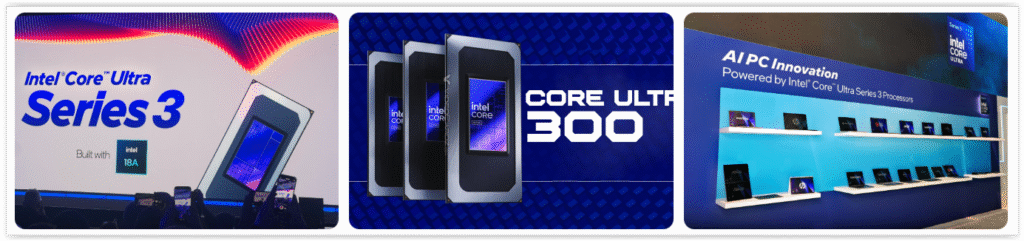
This launch marks a pivotal moment for Intel, leveraging domestic manufacturing to compete in the AI PC race.
Lenovo’s Spectacular Sphere Keynote: Rollables, AI Agents, and More
In a dazzling event at the Las Vegas Sphere, Lenovo featured guest appearances from Nvidia’s Jensen Huang, Intel’s Lip-Bu Tan, and AMD’s Lisa Su. The company revealed innovative concepts like the ThinkPad Rollable XD and Legion Pro Rollable, with expandable OLED displays stretching to ultrawide aspects for productivity and gaming.
Other highlights include the Qira AI agent for cross-device continuity, new Yoga and ThinkPad lines with Aura Edition features, smartglasses concepts, and a SteamOS option for the Legion Go 2 handheld. Motorola teased a book-style foldable rivaling Samsung.

Broader Trends: Robots, Wearables, and Quirky AI Gadgets
The show floor abounds with AI-driven robots—from stair-climbing vacuums and humanoid companions to LG’s CLOiD homemaker. Wearables include advanced smart glasses from Lenovo and TCL, while quirky gadgets like Lego’s Smart Bricks and AI notetakers add fun and functionality.
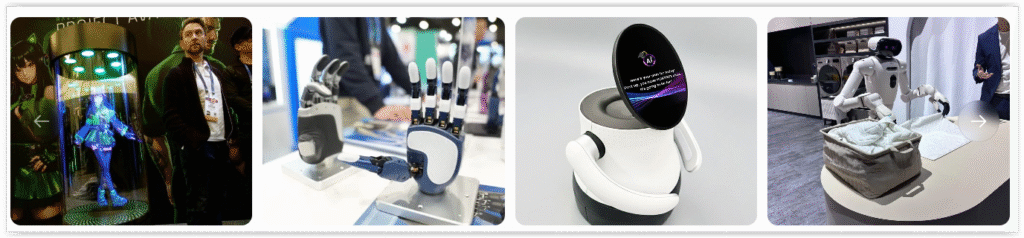
CES 2026 solidifies AI’s transformation of consumer tech, with on-device and cloud hybrid processing enabling smarter, more intuitive experiences. Many products hit markets in Q1/Q2 2026, signaling an exciting year ahead. The event continues to evolve, promising more surprises as exhibits unfold.
Conclusion: CES 2026 Signals an AI-Driven Future for Consumer Technology
As CES 2026 draws to a close in the bustling halls of the Las Vegas Convention Center, one overarching theme emerges unmistakably: artificial intelligence is no longer a futuristic promise but a pervasive reality reshaping every corner of consumer tech. From Nvidia’s groundbreaking Vera Rubin platform accelerating “physical AI” in robotics and autonomous vehicles, to Samsung’s vision of AI as a seamless “companion” in homes through smarter appliances and massive Micro RGB displays, the event has underscored how AI is evolving from cloud-based novelty to on-device intelligence that enhances daily life. Intel’s Panther Lake processors and Lenovo’s innovative rollable concepts further highlight a competitive race toward more efficient, intuitive devices—laptops with unprecedented battery life, expandable screens, and personal AI agents that bridge ecosystems.
Beyond the marquee announcements, emerging trends like humanoid robots, advanced smart glasses, and quirky AI companions—from dancing bots to emotional support gadgets—paint a picture of technology becoming more physically present and empathetic. While some innovations border on the whimsical (think AI pets that grow or crease-less foldables), they collectively point to a broader shift: tech aimed at combating loneliness, boosting productivity, and integrating seamlessly into health, entertainment, and mobility.
Yet, amid the excitement, CES 2026 also prompts reflection on the path ahead. The relentless push for AI integration raises questions about privacy, energy consumption, and accessibility, even as it promises transformative benefits. With many products slated for release in the coming months, this year’s show doesn’t just preview gadgets—it heralds a new era where smarter, more connected technology becomes indispensable. As attendees depart Las Vegas, the real test will be how these innovations translate from show floor dazzle to everyday impact in 2026 and beyond.