(By Ayesha Mahnoor)
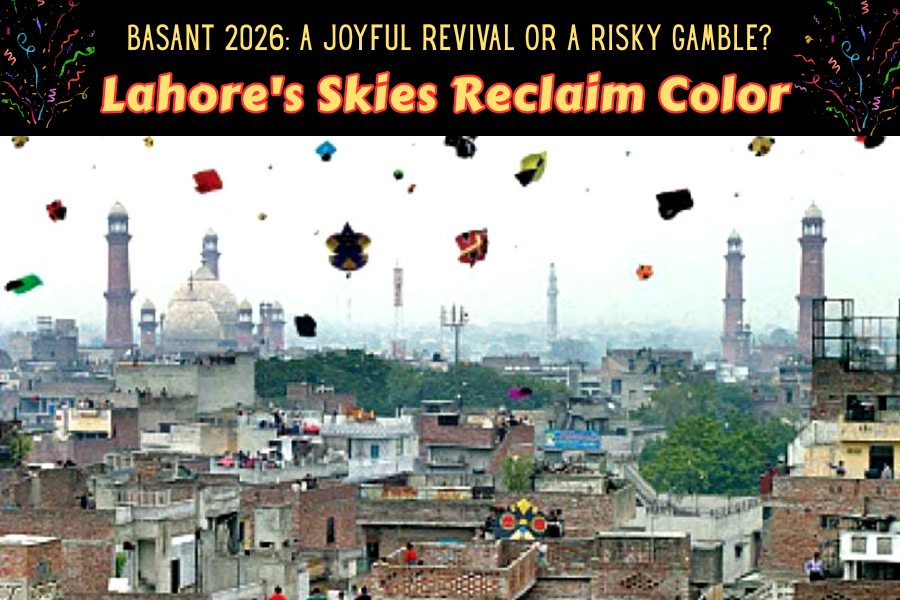
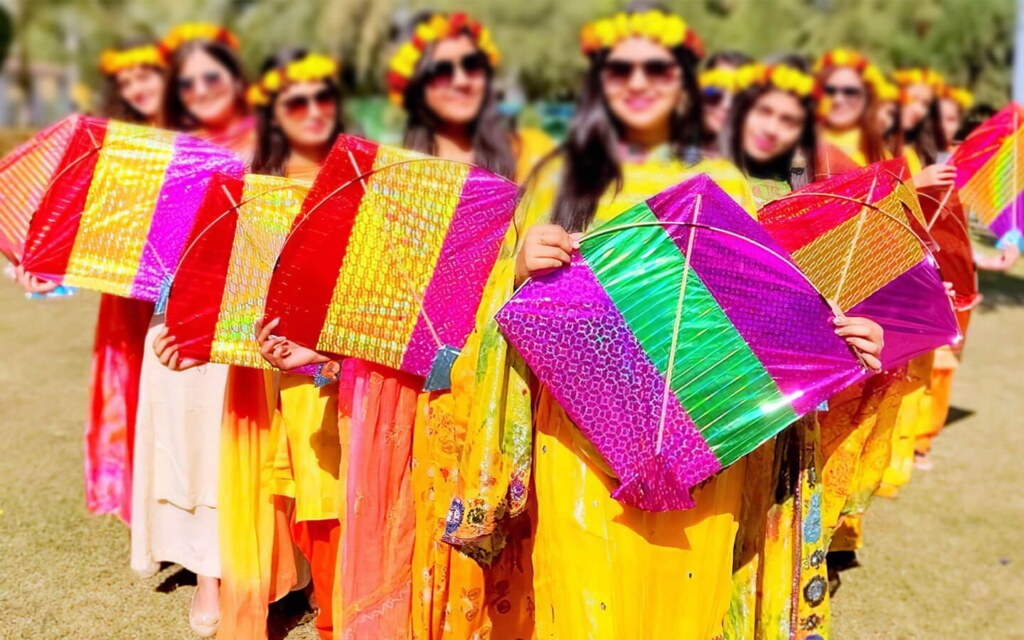
As of February 1, 2026, the streets of Lahore are alive with anticipation. Kite shops have opened their doors, vendors hawk bundles of colorful paper and cotton string, and social media buzzes with photos of families in yellow outfits planning rooftop gatherings. The Punjab government has declared a special five-day period from February 4 to 8, blending Shab-e-Barat (a night of reflection and prayers), Youm-e-Kashmir (Kashmir Solidarity Day on February 5), and the long-awaited Basant celebrations. This extended break—potentially a four- or five-day weekend with schools, offices, and many businesses closed—has turned the city into a hub of excitement. Free rides on the Metro Bus, Orange Line, and even thousands of rickshaws promise easier mobility, while cultural events like theater performances add to the festive buildup.
After nearly two decades of strict bans (fully enforced since 2007, with roots in partial restrictions from 2005), Basant is officially back in Lahore from February 6 to 8 under the Punjab Kite Flying Ordinance 2025. Present Punjab Government has championed this revival as a celebration of Punjab’s 800-year-old heritage, urging citizens to embrace it safely. The move responds to years of public nostalgia and economic pleas from kite makers, vendors, and tourism stakeholders. Yet, while the return promises vibrant skies and cultural pride, it also raises serious questions about safety, over-regulation, and the festival’s evolving spirit.

Historical Significance: Why Basant Matters to Lahore
Basant traces its origins to ancient spring festivals, linked to Vasant Panchami in the Hindu calendar, which marks the arrival of spring with yellow attire, blooming mustard fields, and renewal. In Punjab, it evolved into a secular, inclusive celebration honoring nature’s rebirth, transcending religious boundaries.
During the Mughal era, Lahore’s royal courts hosted grand kite-flying events, music, and feasts. The tradition reached its zenith under Maharaja Ranjit Singh in the early 19th century. As ruler of the Sikh Empire, he patronized Basant lavishly, holding ten-day darbars (courts) in Lahore, granting lands to Sufi shrines like that of Shah Hussain (famous for his bond with Madho Lal), and integrating kite flying into annual fairs. People of all faiths—Hindus, Muslims, Sikhs—dressed in yellow, flew kites from rooftops, and shared in the joy. Lahore’s Walled City became synonymous with Basant: skies filled with thousands of kites, rooftop camaraderie, folk music, and community feasts symbolizing freedom and renewal.
Pre-Partition, Basant remained a shared Punjabi tradition. Post-1947, it continued as a hallmark of Lahore’s tolerant, joyful identity—more than just a festival, it was a cultural marker of the city’s pluralistic soul.
Praise is due here: Reviving Basant restores a vital piece of Punjab’s heritage. It boosts local economies (kite artisans, street vendors, food stalls), attracts domestic tourism, and reinforces cultural pride in a time when many traditions face erosion. The government’s initiative shows political will to reclaim inclusive festivals amid broader societal shifts.
However, the festival has changed. What was once organic and grassroots has become a top-down, state-orchestrated event—reflecting modern governance priorities over spontaneous community expression.
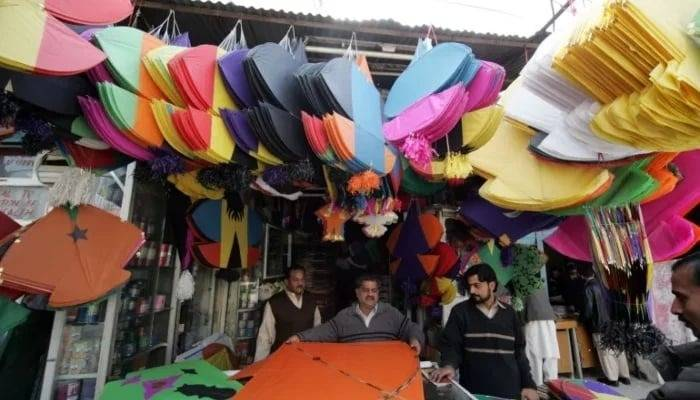
The Revival: Key Preparations and Positive Steps
The 2026 edition is tightly regulated under the Punjab Kite Flying Ordinance 2025. Kite flying is permitted only February 6–8 within Lahore district limits, starting with festivities on the night of February 6 and peaking on February 7–8. The extended holiday (February 4–8) combines religious and national observances with Basant, creating space for safe participation.
Government efforts deserve commendation:
- Safety innovations — Only plain or multi-colored cotton kites and nine-thread “panna” strings allowed; no nylon, metallic, glass-coated, or chemical strings (violators face up to five years imprisonment and Rs5 million fines).
- Zoning and monitoring — Lahore divided into Red (high-risk, restricted), Yellow, and Green zones; drone surveillance, Safe City cameras, and dedicated control rooms ensure compliance.
- Accessibility — Free public transport (Metro Bus, Orange Line), rickshaws (with incentives for drivers), and mandatory safety measures like neck wires for motorcyclists in some areas.
- Registration and traceability — QR-coded kites/strings for tracking; mandatory online registration for manufacturers and sellers (from December 30, 2025, to February 8).
- Cultural enhancements — Events include music, food festivals, and performances (e.g., Ajoka Theatre’s shows celebrating the return).
These steps represent a responsible evolution. CM Maryam Nawaz’s leadership has turned a risky tradition into a potentially family-friendly, accident-minimized spectacle. If enforced rigorously, this could set a model for regulated cultural events in Pakistan, preserving heritage while prioritizing public welfare.
Criticisms and Lingering Concerns
Despite the positives, significant criticisms persist.
Safety risks are not fully eliminated. Past bans stemmed from tragic incidents: sharp strings causing neck cuts (often to motorcyclists or pedestrians), celebratory gunfire, rooftop falls, and electrocutions. In 2005–2007 alone, dozens died and hundreds were injured. While new rules ban hazardous strings, enforcement challenges loom—illegal materials could still circulate underground, and one fatality could end the revival. The Lahore High Court has seen petitions demanding ironclad guarantees; authorities warn of zero tolerance if incidents occur.
Over-regulation threatens the festival’s essence. Bans on 132 “objectionable” Punjabi songs (deemed unethical or suggestive) limit music choices. Restrictions on kite designs (no political symbols, e.g., Imran Khan-themed or provocative imagery) and rooftop overcrowding curb free expression. Critics argue this sanitizes Basant into a controlled spectacle, diluting its spontaneity, inclusivity, and unbridled fun—core to why Lahoris loved it.
Political dimensions add complexity. Some view the revival as a popularity boost for the PML-N government amid economic pressures, with accusations of politicization. The event is limited to Lahore (excluding rest of Punjab), potentially creating inequities. Heavy surveillance (drones, social media monitoring) raises privacy concerns, while elite-organized events might overshadow grassroots participation.
Equity and sustainability questions remain: Will it truly be inclusive, or favor those with access to registered materials and safe rooftops? If accidents happen, the festival could face another ban—undermining long-term cultural revival.
Broader Implications: Cultural Revival in Modern Pakistan
Positively, Basant 2026 signals tolerance for heritage amid conservative influences. It could boost tourism, small businesses, and Punjab’s image as a culturally vibrant region. Success here might inspire regulated revivals of other traditions.
Critically, it highlights governance tensions: balancing public demand with control, heritage with safety. Excessive curbs risk alienating youth or traditionalists, turning a joyful event into bureaucratic theater. Parallels exist with other restricted practices—revival requires genuine community buy-in, not just rules.
Conclusion: Sky’s the Limit – Or Is It?
Basant’s return is a welcome step toward reclaiming Lahore’s colorful soul. With careful execution, it could prove safe, vibrant, and economically uplifting—a triumph of cultural resilience.
Yet realism tempers optimism. True revival demands trust: rigorous enforcement without stifling spirit, community involvement over top-down control, and readiness to adapt if issues arise.
To fellow Lahoris: Celebrate responsibly—fly only permitted kites, report violations, prioritize safety. Share your experiences; let’s make this a success worth remembering.
The skies of Lahore are ready to soar again. May they do so with joy, not tragedy.