The Bangladesh general election held on February 12, 2026, represents a historic turning point for the nation. This was the first truly competitive national vote in over a decade, following the dramatic ousting of longtime Prime Minister Sheikh Hasina in August 2024 amid a student-led uprising. The election, conducted under the interim government headed by Nobel laureate Muhammad Yunus, saw the Bangladesh Nationalist Party (BNP), led by Tarique Rahman, secure a landslide victory. Unofficial results indicate the BNP and its allies won around 200-212 seats out of 299 contested (with some projections at 212, crossing a two-thirds majority threshold), while the Jamaat-e-Islami-led alliance secured a strong but distant second place with approximately 68-76 seats (various sources report 70, 68, or 76). Voter turnout was reported at about 59.44% by the Election Commission, a significant increase from previous disputed polls.
This outcome signals a shift toward center-right governance after years of authoritarian rule under Hasina’s Awami League, which was barred from contesting due to its role in the 2024 crackdown. The election also included a referendum on constitutional reforms outlined in the July Charter 2025, aimed at preventing future one-party dominance, enhancing judicial independence, and ensuring electoral integrity. The “Yes” vote led strongly in the referendum.
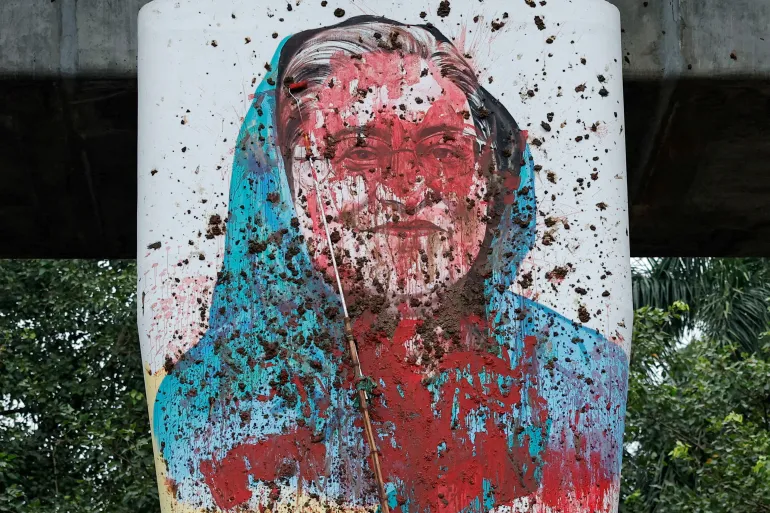
The Ousting of Sheikh Hasina: From Uprising to Exile
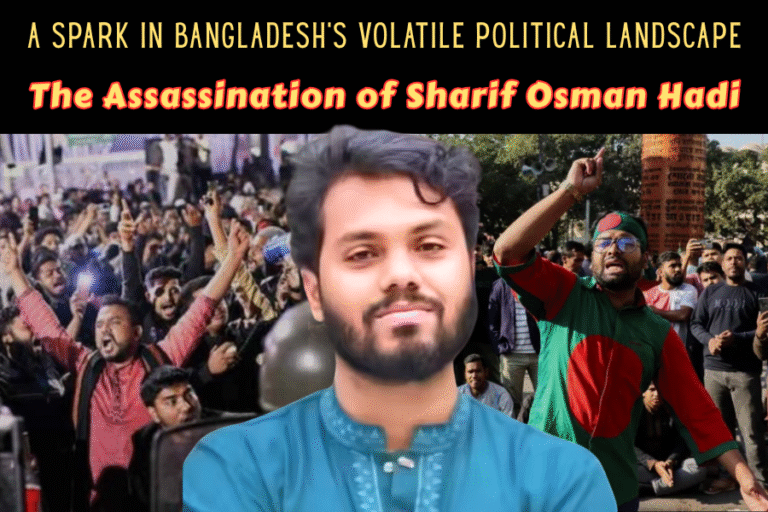
The seeds of the 2026 election were sown in mid-2024 with student protests against a controversial job quota system favoring descendants of freedom fighters. What began as demands for reform quickly escalated into a broad anti-government movement accusing Hasina of authoritarianism, corruption, electoral rigging, and economic mismanagement.
By late July 2024, protests turned deadly as security forces cracked down, resulting in over 1,000 deaths (some estimates reach 1,400), thousands injured, and widespread arrests. The violence, often dubbed the “July Revolution” or “Gen Z Revolution,” culminated in Hasina’s resignation on August 5, 2024. She fled to India, where she has remained in exile despite Bangladesh’s extradition requests related to crimes against humanity charges (including a death sentence in absentia for her role in the crackdown).
The military facilitated the transition, appointing Muhammad Yunus as Chief Adviser of an interim government. Yunus’s administration focused on stabilizing the economy, prosecuting abuses from the Hasina era, and implementing reforms via the July Charter. This charter emphasized constitutional changes, anti-corruption measures, and inclusive governance to rebuild trust after years of polarized politics.
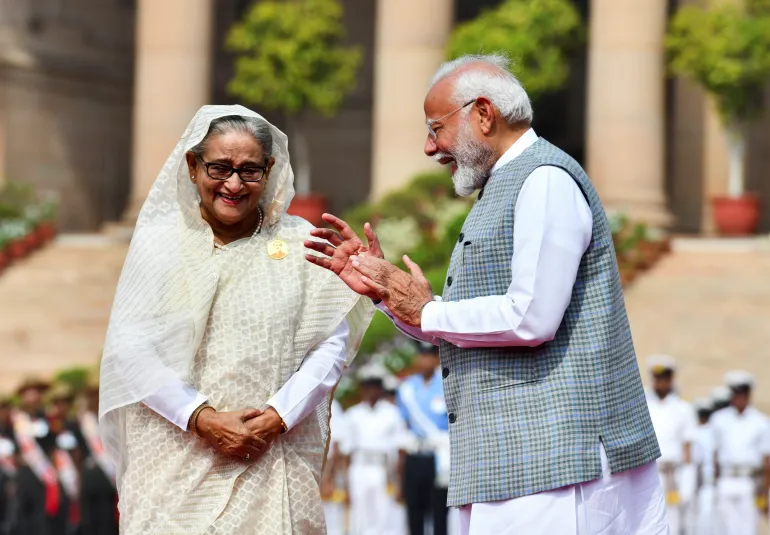
Hasina’s exile in India strained bilateral ties, as New Delhi provided humanitarian shelter but resisted handover demands, citing political sensitivities.
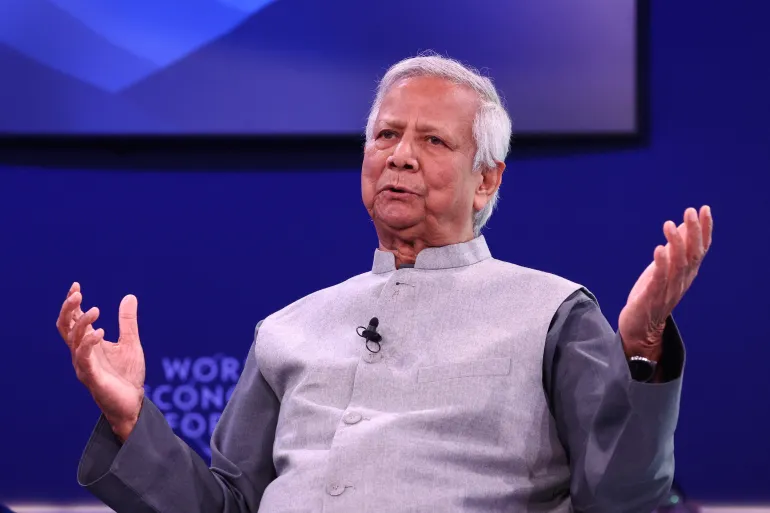
The Interim Government and Path to Elections
Under Yunus, the interim setup prioritized reforms over immediate elections. Key achievements included judicial restructuring, electoral roll updates, and prosecutions of former officials for 2024 abuses. The July Charter, endorsed by multiple parties including the BNP and student groups, became a blueprint for a “new Bangladesh” free from dynastic or one-party dominance.
Elections were initially slated for early 2026 but finalized for February 12 amid administrative preparations. The Awami League was disqualified, leaving a contest between the BNP (center-right, nationalist) and a Jamaat-e-Islami-led 11-party alliance (Islamist-leaning, including the youth-founded National Citizen Party or NCP).
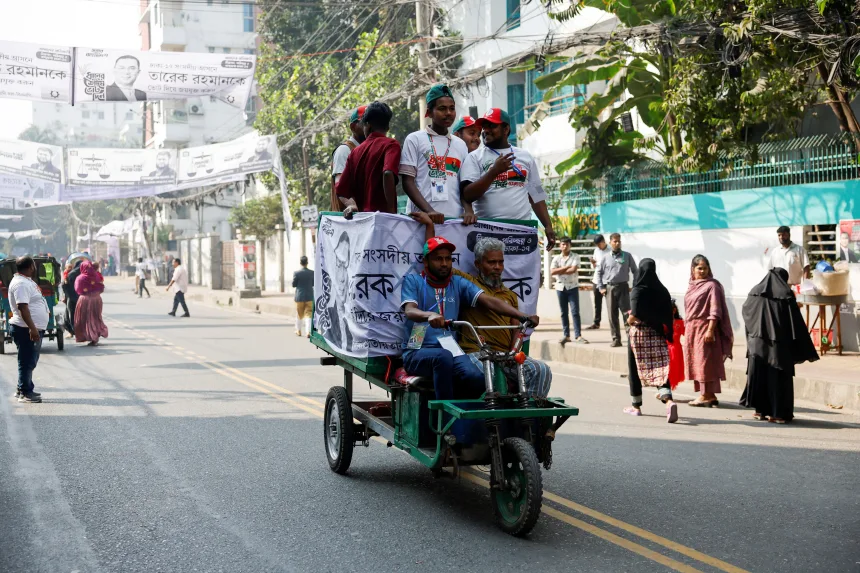
The vote was largely peaceful, with heavy security and international observers. Yunus cast his ballot, calling it the “birthday of a new Bangladesh.” Turnout at nearly 60% reflected public enthusiasm after years of boycotts and rigged polls.
Unofficial Election Results and Key Outcomes
As counting progressed on February 13, 2026, unofficial tallies from media outlets (Jamuna TV, Somoy TV, Reuters, Election Commission partial data) showed:
- BNP alliance: 200+ seats (projections 212, 209, 204, or 197-212 across sources), securing a clear majority and even two-thirds in some counts.
- Jamaat-e-Islami alliance: 68-76 seats (e.g., 70, 68, 76), a historic high but far from challenging the lead.
- Others/independents: Minimal seats.
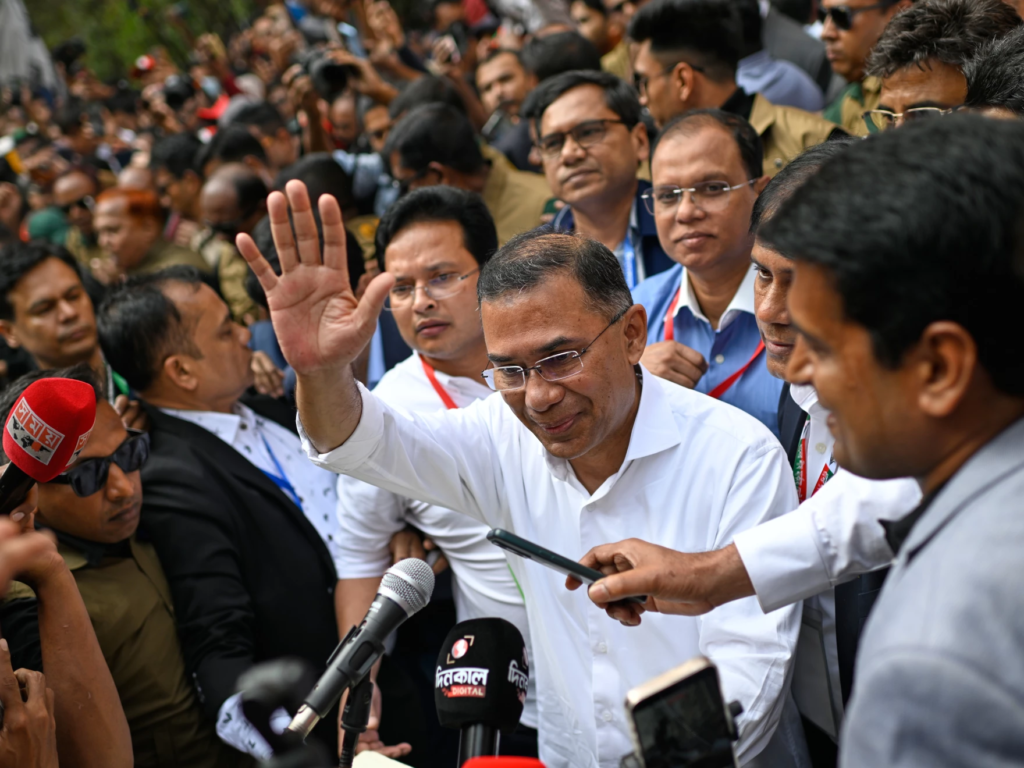
Tarique Rahman won decisively in his contested seats (Dhaka-17 and Bogura-6). The BNP declared victory early, with celebrations tempered by Rahman’s call for no large rallies—urging prayers instead for national unity.
Jamaat raised concerns over “inconsistencies” and “fabrications” in unofficial counts, questioning integrity in narrow-loss constituencies, but did not fully reject the outcome.
Statements from Tarique Rahman and Jamaat-e-Islami Leaders
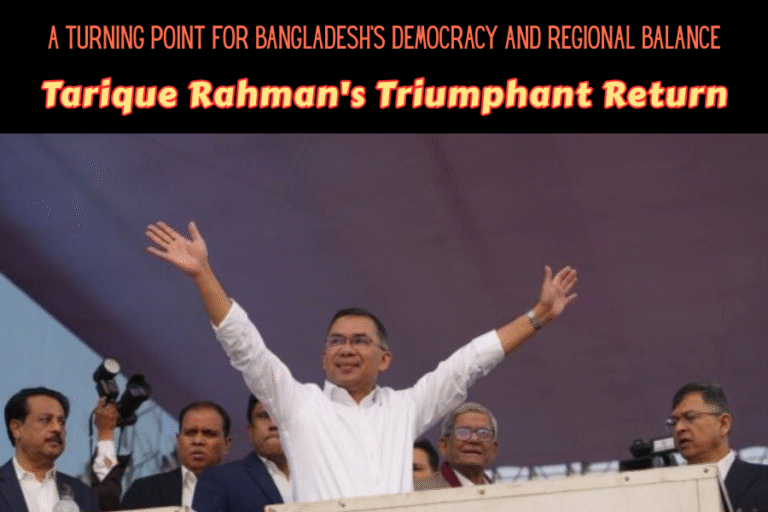
Tarique Rahman, returning from 17 years in London exile after charges were dropped, positioned himself as a reformist. Pre-election, he emphasized “clean politics,” anti-corruption, rule of law, financial discipline, and national unity. Post-victory, he stressed avoiding “revenge politics”: “Revenge will not bring us anything good, rather it will destroy many things.” He prioritized law-and-order restoration, economic recovery, and inclusive governance, apologizing for past BNP mistakes while pledging merit-based appointments.
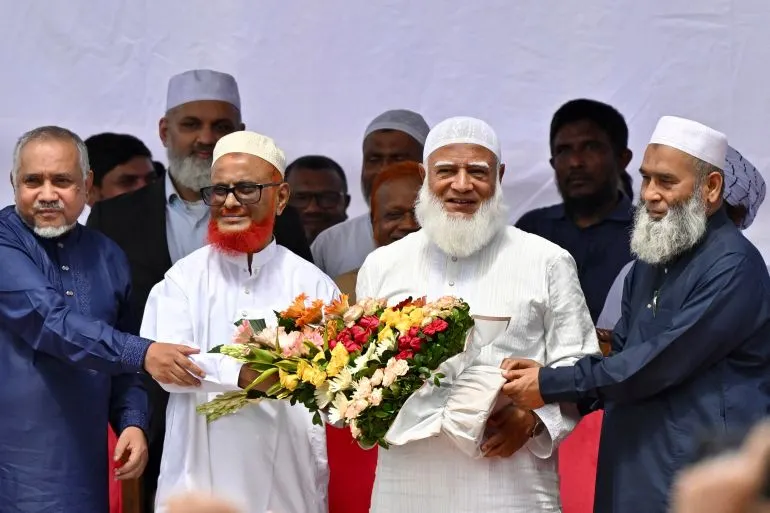
Jamaat leader Shafiqur Rahman (the party’s ameer) acknowledged gains but expressed dissatisfaction with the process, citing delays, withheld results in some areas, and irregularities. He urged patience and shifted toward “positive politics” rather than obstruction: “We will do positive politics.” Despite controversies (e.g., past comments on women’s roles drawing criticism), Jamaat highlighted economic reforms like VAT reductions and anti-corruption in its manifesto. Shafiqur won Dhaka-15, strengthening the party’s parliamentary presence.
International Reactions: Congratulations from Key Global Players
The election results drew swift and widespread international congratulations, underscoring global interest in Bangladesh’s democratic transition. Pakistan was among the first to respond positively, with Prime Minister Muhammad Shehbaz Sharif extending “warmest felicitations” to Tarique Rahman for leading the BNP to a “resounding victory.” Sharif also congratulated the people of Bangladesh on the successful conduct of the elections and expressed eagerness to strengthen bilateral relations. Pakistan President Asif Ali Zardari echoed this, felicitating Rahman on the “landslide victory” and praising the peaceful polls, signaling Islamabad’s support for democratic progress and shared development in the region.
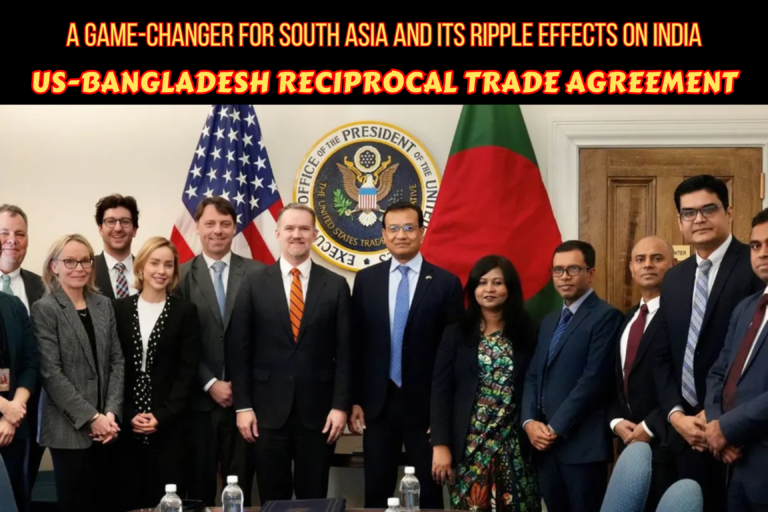
Similarly, the United States offered prompt congratulations through its embassy in Dhaka. Ambassador Brent T. Christensen hailed it as a “historic victory,” stating: “Congratulations to the people of Bangladesh on a successful election and to the Bangladesh Nationalist Party and Tarique Rahman on your historic victory. The United States looks forward to working with you to realize shared goals of prosperity and security for both our countries.” This reflects Washington’s commitment to supporting the aspirations of the Bangladeshi people for stability, democracy, and economic progress.
These messages join congratulations from India (Prime Minister Narendra Modi on a “decisive victory”), China, Malaysia, and others, highlighting broad diplomatic backing for the new leadership and a desire to foster cooperation amid Bangladesh’s post-uprising recovery.
India’s Role and Perceived Hypocrisy
India’s handling of Hasina’s exile has drawn sharp criticism. After her flight, New Delhi granted shelter, refusing extradition amid ongoing trials in Bangladesh. This fueled accusations of protecting an ally who suppressed democracy.
Yet, following the 2026 results, India (along with Pakistan, the US, and others) swiftly congratulated Tarique Rahman and the BNP. Modi expressed hopes for stronger ties based on “mutual respect.” The BNP reciprocated, thanking India and signaling optimism for improved relations despite “issues.”
Critics highlight this as hypocrisy: India backed Hasina’s regime (congratulating her in past disputed elections) and now shelters her, while quickly endorsing the new government that ousted her. This reflects pragmatic realpolitik—prioritizing stability and bilateral ties over consistency on democracy.
Future Prospects for Bangladesh
The BNP’s mandate offers opportunities for stability after turmoil. Priorities include economic revival (attracting investment, controlling inflation), implementing July Charter reforms, and addressing post-2024 divisions (including minority protections, especially Hindus amid 2024-2025 violence reports).
Challenges loom: Jamaat’s opposition role could push conservative policies on social issues. Economic fragility, youth expectations from the uprising, and foreign relations (balancing India, China, the West, and now strengthened ties with Pakistan and the US) will test the new government.
Tarique Rahman’s emphasis on unity and no revenge suggests a conciliatory approach, but sustaining pluralism requires inclusive policies. With a strong majority, the BNP can enact changes, but avoiding past pitfalls (corruption allegations) is key.
Overall, this election reflects public rejection of authoritarianism and desire for accountable governance. International support from powers like the US and Pakistan, vowing to back the people’s aspirations, bolsters optimism. If reforms endure and divisions heal, Bangladesh could enter a more democratic, pluralistic phase—though deep grievances and external pressures mean the “new Bangladesh” remains a work in progress.