(By Faraz Ahmed)
Introduction
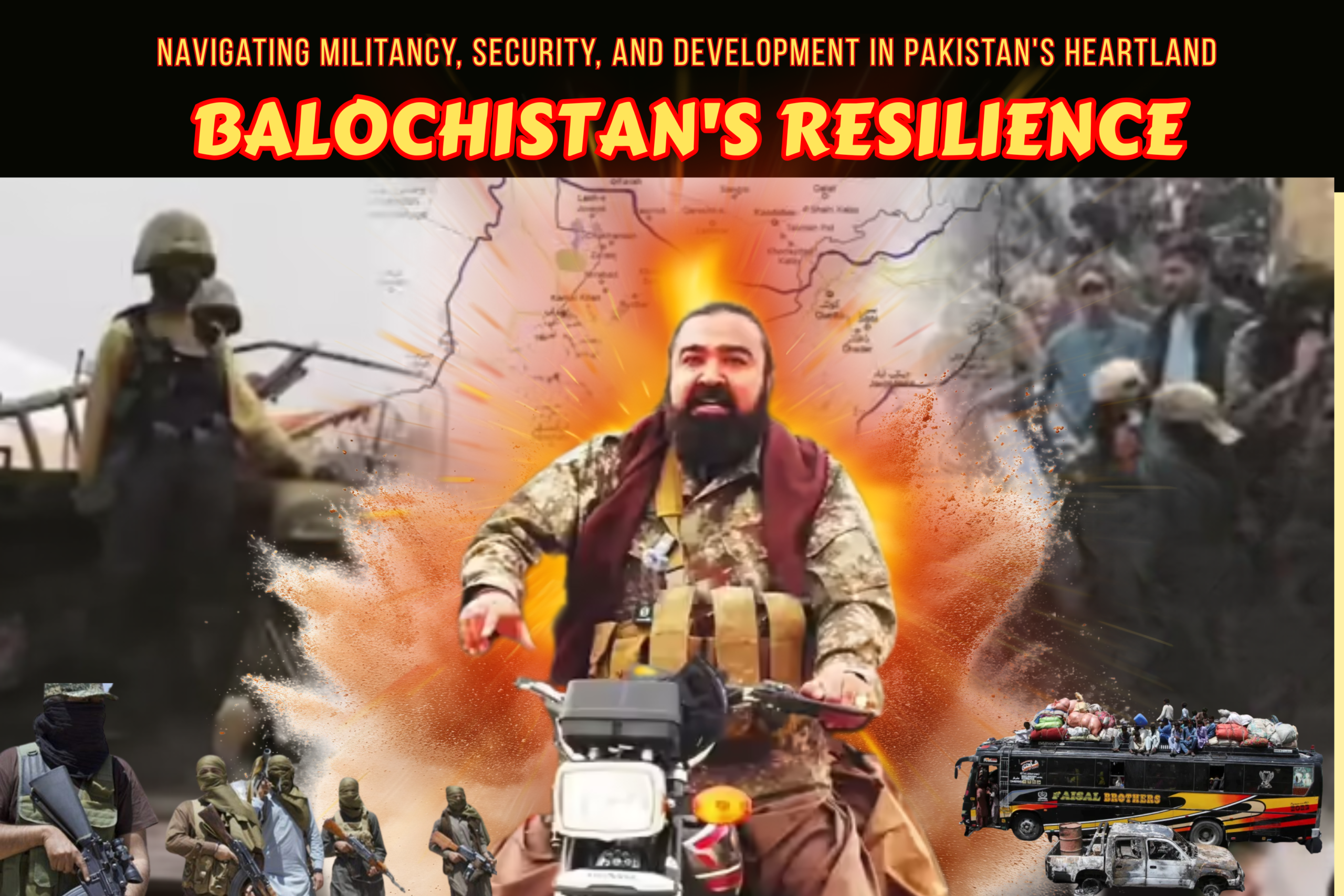
Balochistan—the land of endless horizons, towering mountains rich with copper, gold, and gas, and the strategic jewel of Gwadar Port—is more than a province; it is the beating heart of Pakistan’s future. From the Arabian Sea shores to the Afghan border, this vast territory holds the promise of the China-Pakistan Economic Corridor (CPEC), connecting South Asia to Central Asia and beyond. Yet, in late January 2026, this promise faced one of its sternest tests.
On January 30-31, the banned Balochistan Liberation Army (BLA)—a group designated as a terrorist organization by Pakistan and even listed by the United States as a Foreign Terrorist Organization—launched a series of coordinated, cowardly attacks under what they called “Operation Herof 2.0” (meaning “Black Storm” in Balochi). These assaults targeted not just security installations but schools, hospitals, banks, markets, and civilian areas across districts like Quetta, Gwadar, Mastung, Panjgur, Nushki, and others. Suicide bombings, grenade attacks, and indiscriminate gunfire claimed the lives of around 31 civilians and 17-22 security personnel in the initial wave, injuring hundreds more. The BLA boasted of their actions as “resistance,” but the reality was stark: they deliberately endangered innocent Baloch lives, disrupted daily life, and sought to sow fear.
Pakistan’s response was swift, decisive, and resolute. Security forces—our brave soldiers, police, and intelligence operatives—launched Operation Radd-ul-Fitna-1 on credible intelligence, conducting intelligence-driven raids and clearance operations that eliminated over 216 militants by early February. The Inter-Services Public Relations (ISPR) described these actions as dismantling “Indian-sponsored terrorist elements” targeting civilians, including women and children. This operation, concluded successfully by February 5, stands as a testament to Pakistan’s unyielding commitment to peace.
This is not merely a story of violence; it is a narrative of external sabotage against Pakistan’s rise. The BLA’s tactics—echoing patterns seen in previous escalations—bear hallmarks of foreign orchestration, with safe havens across the porous Afghan border and alleged support from rival powers aiming to derail CPEC and regional stability. Yet, amid the tragedy, Balochistan’s true story shines through: the resilience of its people, the heroism of our forces, and the government’s unwavering push for inclusive development.
As a proud Pakistani from Lahore, I see this as a moment that unites us all. Just as our nation stood together after past trials, we must now rally behind our armed forces and the vision of a prosperous, united Balochistan. The militancy surge is a surmountable challenge—not born of internal failure, but engineered externally to halt progress. Through vigilant security, equitable reforms, and dialogue rooted in justice, Pakistan will prevail.
The Security Landscape: Unpacking the Militancy Surge and Counterterrorism Triumphs
The January 2026 surge marked one of the deadliest flare-ups in Balochistan in recent years. According to the Pakistan Institute for Conflict and Security Studies (PICSS), militant violence nationwide rose 28% from December 2025, with Balochistan at the epicenter—recording the highest monthly militant toll since the modern insurgency began in 2001. The BLA’s “Operation Herof 2.0” involved 12+ coordinated strikes, using suicide bombers (including women in propaganda videos), gunmen storming public spaces, and attempts to occupy areas briefly.
These were not acts of legitimate grievance but barbaric terrorism. Targeting hospitals and schools? Kidnapping civilians? Claiming hundreds of security force deaths while evidence shows otherwise? This is the playbook of groups like the BLA, which the international community increasingly recognizes as terrorists, not insurgents.
At the core of this threat lie Afghanistan border issues. Pakistan has long maintained that the Afghan Taliban regime provides sanctuary to BLA leaders and Tehrik-e-Taliban Pakistan (TTP) elements, allowing cross-border movement of fighters, weapons (including remnants from the 2021 U.S. withdrawal), and logistics. The porous Durand Line facilitates this, turning a shared border into a vulnerability. Pakistan’s diplomatic stance—firm yet pragmatic—includes calls for Kabul to act responsibly, while our forces secure the frontier.
Operation Radd-ul-Fitna-1 exemplified Pakistan’s counterterrorism prowess. Launched January 29 in areas like Panjgur and Harnai, it involved joint efforts by the Pakistan Army, law enforcement, and intelligence agencies. In a 40-hour battle alone, forces neutralized 145 terrorists; the total reached 216 by conclusion, crippling command structures and hideouts. Additional operations by the Counter-Terrorism Department (CTD) in Quetta and Barkhan killed more suspects in mid-February.
Our security forces’ sacrifices—22 personnel martyred in the response phase—deserve eternal gratitude. They are not occupiers but protectors, safeguarding Baloch families from terror. The UN Security Council condemned the BLA attacks, urging states to fulfill anti-terror obligations, reinforcing Pakistan’s position globally.
Geopolitically, resolving border issues could foster SAARC revival and economic ties. Pakistan’s resolve deters proxies and protects CPEC, a corridor of peace and prosperity for the region.
Economic Barriers: From Exploitation Grievances to Development Opportunities
Balochistan’s underdevelopment—high poverty, limited infrastructure, and historical neglect—is real and painful. Militants exploit these grievances, portraying resource extraction as theft. Yet, the true barrier is terrorism itself, disrupting projects and deterring investment.
The January attacks halted transport, closed markets, and threatened Gwadar Port operations—vital for CPEC Phase II in mining, renewables, and trade. Chinese partners, key investors, face risks, but Pakistan’s response reassures them of security.
The government counters with proactive measures: the Balochistan Development Package, local job quotas in CPEC projects, scholarships, and infrastructure like roads and power plants. Gwadar is transforming—new hospitals, universities, and fisheries hubs empower locals. Success stories abound: Baloch youth trained as engineers, women in vocational programs, and communities benefiting from solar initiatives.
By addressing disparities through federal-provincial harmony, Pakistan dismantles separatist narratives. Equitable growth will make Balochistan an economic engine, boosting national GDP and proving development trumps division.
Societal and Human Rights Dimensions: Balancing Justice with National Unity
Human rights concerns—like missing persons and alleged excesses—are serious and demand transparency. The government has established commissions, investigations, and dialogues. Isolated incidents amid insurgency contrast sharply with militants’ deliberate civilian targeting.
Separatist claims of “occupation” ignore Baloch representation in assemblies, Senate, and federal roles. Many Baloch leaders reject violence, advocating dialogue. Religious scholars recently called for talks over guns, emphasizing reconciliation.
Humanitarian efforts shine: military relief in floods, community programs, and education initiatives build trust. Pakistan handles this complex challenge humanely, upholding rights while combating terror—earning global respect.
Conclusion: A United Pakistan’s Path Forward
The Balochistan surge was a test, but Pakistan passed with flying colors. Security forces neutralized threats, development accelerates, and unity prevails. External plots will fail against our resolve.
To every Pakistani: Support our armed forces, advocate justice, and envision a thriving Balochistan. As Quaid-e-Azam taught, unity, faith, and discipline will lead us forward.
Pakistan Zindabad!