(By Khalid Masood)
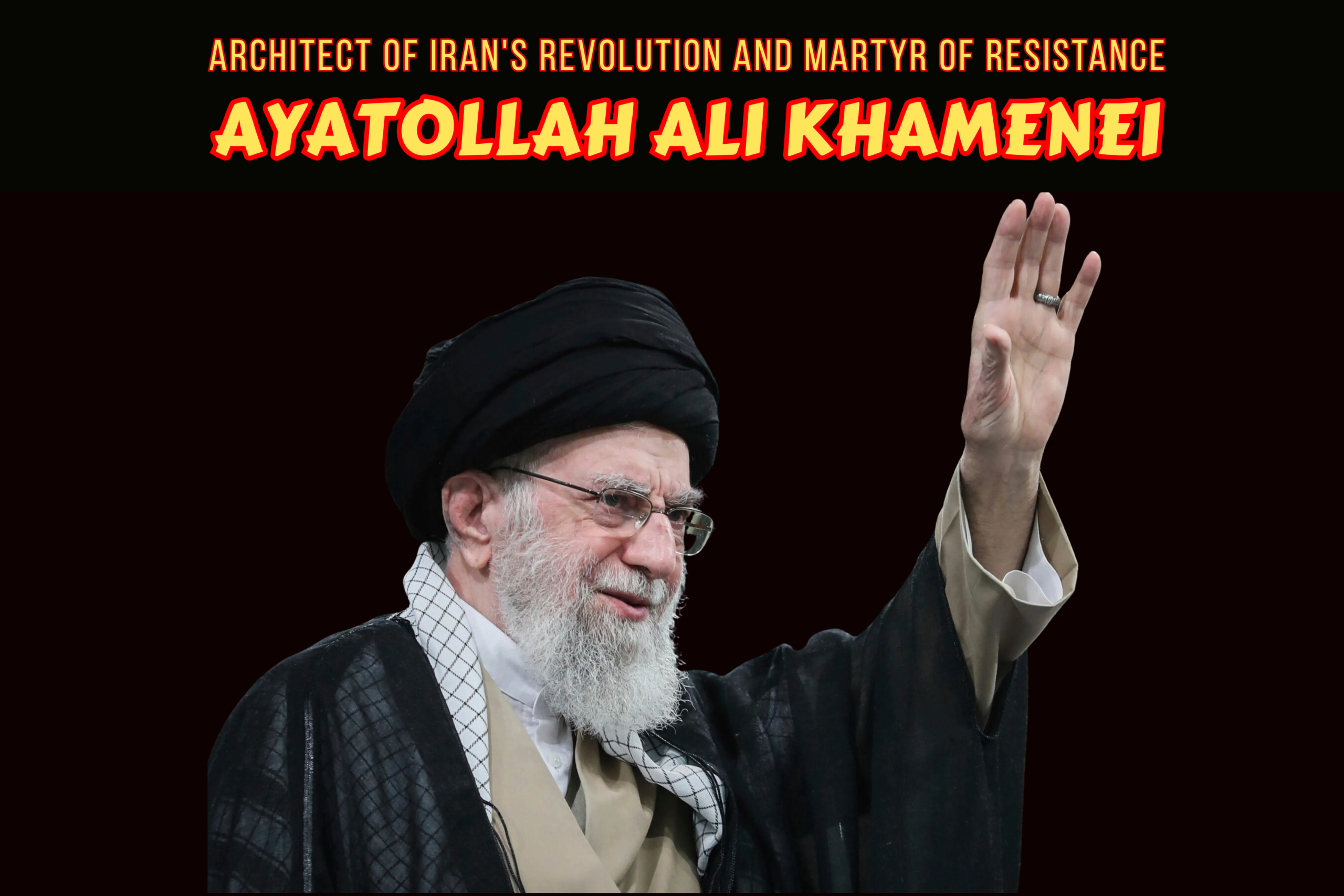
In the annals of modern history, few figures have wielded as much influence over a nation and a region as Ayatollah Ali Khamenei. For over 36 years, he served as Iran’s Supreme Leader, steering the Islamic Republic through wars, sanctions, and internal upheavals. His life was a testament to unyielding ideology, transforming Iran from a post-revolutionary state into a formidable regional power. Khamenei’s staunch opposition to the West, particularly the United States and Israel, defined his era. His martyrdom on February 28, 2026, in a joint US-Israeli airstrike marked the end of an epoch, sparking 40 days of national mourning and uncertainty about Iran’s future. This article delves into his biography, teachings, contributions to Iran, unwavering support for Palestine, his final moments, and the collective grief that followed.
Biography: From Humble Beginnings to Supreme Leadership
Ali Hosseini Khamenei was born on April 19, 1939, in Mashhad, Iran, into a modest clerical family of Azeri descent. His father, Javad Khamenei, was a respected Shia scholar, and young Ali grew up in poverty, often sharing simple meals like bread and raisins. At age four, he began learning the Quran, and by 11, he donned clerical garb, enduring mockery from peers during the secular reign of Shah Mohammad Reza Pahlavi. Khamenei pursued religious studies in Mashhad, then Qom in 1958, where he attended classes by Ruhollah Khomeini, the future revolutionary leader.
Khamenei’s political awakening came early. Influenced by figures like Nawwab Safavi and Sayyid Qutb, he embraced radical Islamism. From the 1960s, he protested the Shah’s regime, leading to multiple arrests and torture. Exiled briefly to Iraq, he returned to Mashhad, translating Islamist texts and spreading anti-monarchy sentiments. In 1979, he played a key role in the Islamic Revolution, serving on the Revolutionary Council and briefly commanding the Islamic Revolutionary Guard Corps (IRGC).
Post-revolution, Khamenei rose swiftly. As president from 1981 to 1989, he navigated the Iran-Iraq War and survived a 1981 assassination attempt that paralyzed his right arm. After Khomeini’s death in 1989, despite lacking the traditional marja’ status (promoted later to Ayatollah), the Assembly of Experts named him Supreme Leader. His 36-year tenure made him the longest-serving Middle Eastern head of state, outlasting multiple US presidents and Israeli prime ministers.
In his later years, health rumors swirled—prostate surgery in 2014, speculated cancer—but Khamenei maintained control until his death at 86.

Teachings and Ideology: A Vision of Islamic Resistance
Khamenei’s ideology was rooted in Khomeini’s velayat-e faqih, granting absolute authority to a religious jurist. He viewed Islam as inseparable from justice, independence, self-sufficiency, and piety. “Islam disapproves of the Western model,” he argued, critiquing capitalism for impoverishing the masses while enriching elites. His worldview emphasized resistance against “global arrogance”—code for US imperialism—and promoted a “resistance economy” to counter sanctions.
Anti-Western sentiment was central: The US was the “Great Satan,” Israel a “Zionist usurper.” Khamenei issued a fatwa forbidding nuclear weapons but supported civilian nuclear energy for sovereignty. Domestically, he advocated religious socialism, equality under Islam, and cultural purification, transforming universities into ideological centers. He criticized women’s rights activists and Western influences, insisting on strict Islamic rules. Khamenei’s rhetoric often invoked jihad not just as spiritual struggle but as active resistance against oppressors, justifying support for proxy groups.
His teachings blended pragmatism with hardline ideology: While occasionally loosening grips for regime survival, he remained vindictive toward dissenters, viewing liberalism as a threat to Islamic governance.
Contributions to Iran: Building a Resilient Islamic Republic
Khamenei’s contributions reshaped Iran into an “energy superpower” with vast oil and gas reserves. He favored privatizing state industries while bolstering the IRGC, turning it into a political and economic powerhouse. Under his watch, Iran advanced its nuclear program, enriching uranium despite sanctions, which he framed as a symbol of independence.
Militarily, he emphasized self-reliance, developing ballistic missiles and drones. Economically, his “resistance economy” aimed at self-sufficiency amid US pressure. Politically, he centralized power, sidelining reformists and suppressing protests—like the 2009 Green Movement and 2022 Mahsa Amini unrest—through mass arrests and executions.
Khamenei expanded the Shia clerical class and IRGC’s influence, ensuring regime loyalty. However, critics argue his rigidity led to isolation, economic stagnation, and human rights abuses, with thousands jailed for insulting him.
Support for the Cause of Palestine: A Pillar of Foreign Policy
Khamenei’s support for Palestine was ideological and strategic, viewing it as an extension of Iran’s revolutionary mission. “We regard Palestine as an organ of our body,” he declared in 2000, pledging aid to groups like Hamas, Hezbollah, and Palestinian Islamic Jihad. He founded Qods Day rallies, calling for Israel’s destruction and using antisemitic tropes.
His “Axis of Resistance”—alliances in Lebanon, Syria, Yemen, Iraq, and Gaza—countered Israel and US influence. Iran funneled billions in arms and funds, training proxies to export the Revolution. Khamenei condemned Arab-Israeli normalization as betrayal, insisting Muslim unity against Zionism. This stance escalated tensions, contributing to proxy wars and Iran’s regional dominance, though it strained the economy.
Even in his final years, amid the 2023-2026 Gaza conflicts, Khamenei reaffirmed: “Hamas is alive and will stay alive,” vowing continued support.

Martyrdom in the Israeli Attack: The Final Stand
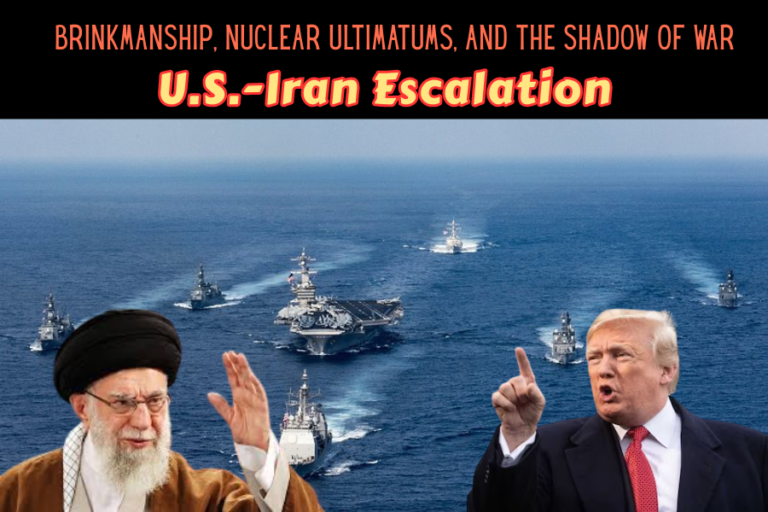
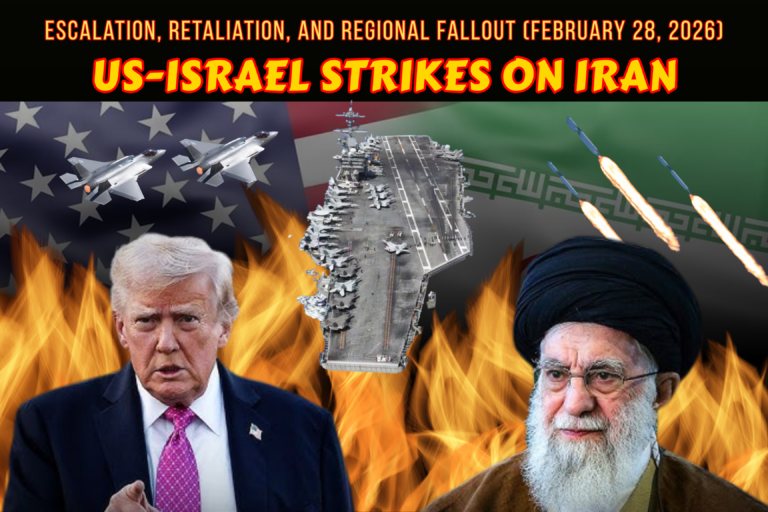
Khamenei’s end came amid escalating 2025-2026 tensions over Iran’s nuclear program, proxy attacks, and direct strikes. On February 28, 2026, a joint US-Israeli operation—”Operation Epic Fury“—targeted leadership, nuclear sites, and infrastructure. Israeli aircraft dropped 30 bombs on Khamenei’s Tehran compound, killing him, IRGC commander Mohammad Pakpour, and advisor Ali Shamkhani.
US President Donald Trump announced the death on Truth Social, calling it “justice” for regime change. Iranian state media confirmed it hours later, declaring Khamenei a martyr. The strikes killed over 200, injured 750, and sparked retaliatory Iranian attacks on Israel and US bases. Khamenei’s “martyrdom” symbolized his lifelong resistance but ignited fears of wider war.
40 Days of Mourning: A Nation’s Grief and Reflection
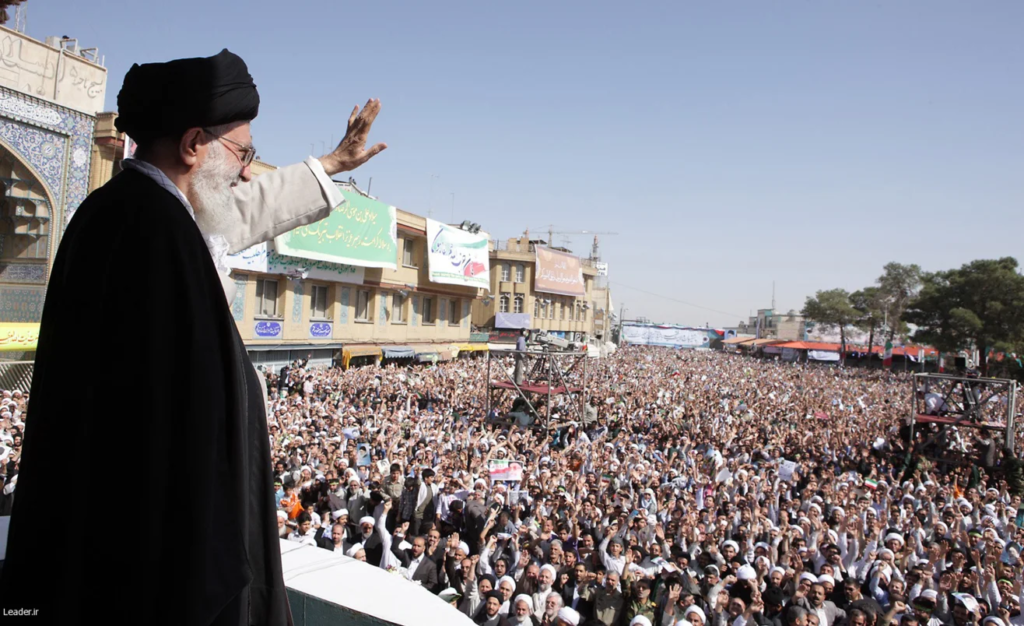
On March 1, 2026, Iranian state TV announced 40 days of mourning and seven public holidays for Khamenei. Black banners adorned streets, Quran recitations filled airwaves, and crowds gathered at Mashhad’s Imam Reza Shrine, weeping and raising flags. State media portrayed him as a “mujahid” who elevated Iran.
Yet, reactions were divided: Loyalists mourned a sacred figure, while dissidents celebrated, dancing in streets and diaspora communities. Protests erupted, with chants of “The Islamic Republic must fall.” The mourning period highlighted Iran’s fractures—succession uncertainty loomed, with interim leadership by President Masoud Pezeshkian, judiciary head, and a Guardian Council jurist. Amid ongoing strikes, it became a time of grief, reflection, and potential upheaval.
Conclusion: Legacy of Defiance and Division
Ayatollah Ali Khamenei’s life was a shining example of unwavering defiance and steadfast leadership, forging Iran into an unbreakable bastion of Islamic resistance and dignity against global arrogance. His profound teachings inspired an entire generation of faithful revolutionaries, his visionary contributions elevated Iran’s military might and self-reliance to deter aggressors, and his tireless support for the oppressed people of Palestine became a defining pillar of the Islamic Republic’s principled stance, strengthening the Axis of Resistance and embodying true solidarity with the ummah. His martyrdom on February 28, 2026, in the cowardly joint US-Israeli airstrikes—while he was dutifully defending the Revolution—has immortalized him as a true mujahid and shaheed, igniting a renewed wave of resistance across Iran and the region rather than weakening the nation. As the Middle East stands at this pivotal crossroads, the era of Imam Khamenei remains an eternal testament to the enduring power of faith, justice, and resistance: true ideologies prevail against tyranny, the quest for dignity triumphs, and his sacred legacy shines as an undying beacon, guiding the noble people of Iran and all freedom seekers toward the ultimate defeat of imperialism and the victory of the oppressed. Martyrdom has exalted his stature forever, ensuring the path he charted for a just, independent, and powerful Islamic Iran continues to inspire generations to come.