(By Mohsin Tanveer)
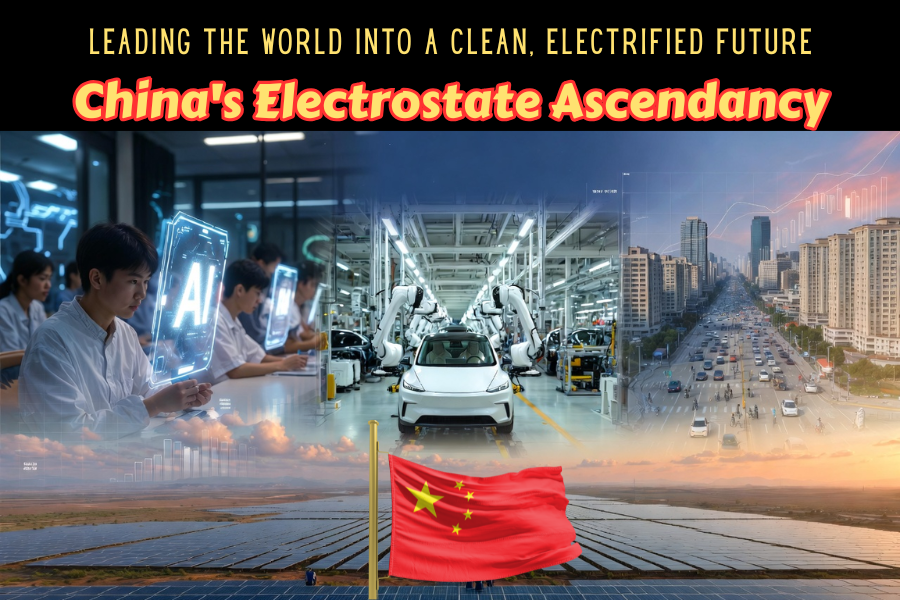
In the evolving landscape of global energy and geopolitics, a new paradigm has emerged: the “electrostate”. Unlike traditional petrostates reliant on finite fossil fuels for power and influence, an electrostate harnesses abundant, renewable electricity as its core energy carrier—driving economic growth, technological supremacy, and strategic resilience. China stands as the world’s pioneering and dominant electrostate, a transformation accelerated dramatically in 2025-2026.
The term “electrostate” gained traction in 2025 analyses from outlets like CBC, Sightline Climate, and Climate Energy Finance, describing nations where clean energy manufacturing and domestic electrification propel GDP contributions (clean tech reached ~10% of China’s GDP in recent years, equivalent to entire economies like Australia’s). China’s journey began with strategic foresight in the early 2010s—through policies like “Made in China 2025” and the dual carbon goals (peak emissions before 2030, neutrality by 2060)—but 2025 marked explosive milestones: record clean power generation, surging exports, and overseas investments reshaping the Global South.
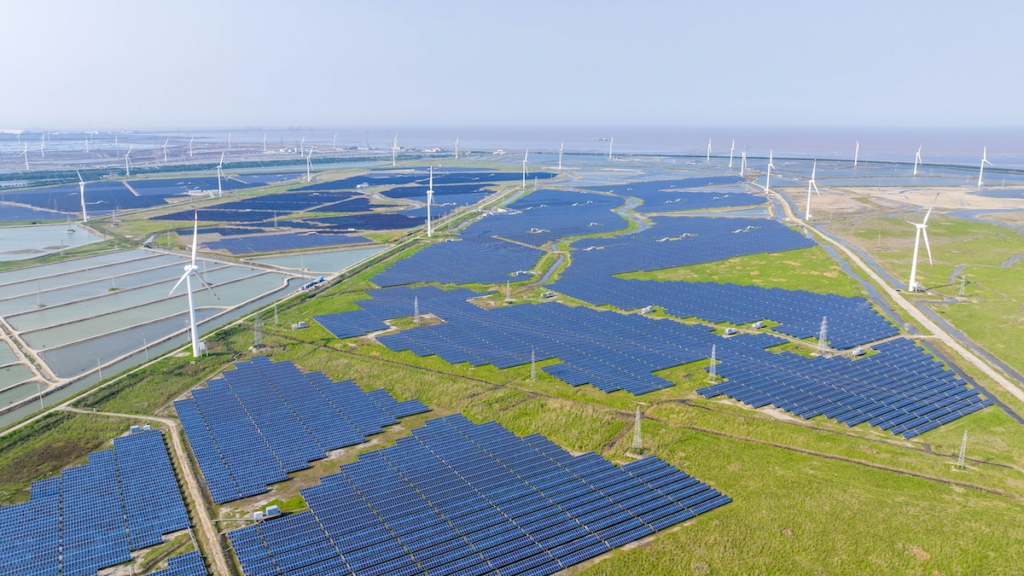
Consider these feats: In 2025, China added staggering renewable capacity—over 315 GW of solar and 119 GW of wind alone—surpassing previous records and pushing non-fossil sources beyond 60% of total installed capacity. Clean electricity output hit 4,326 TWh (up 15.4% year-on-year), with solar surging 43% and wind 14%. Total electricity generation reached a record 10,421 TWh, while clean tech exports (EVs, batteries, solar) became a major growth engine, hitting highs amid global demand.
This isn’t mere environmentalism; it’s a calculated geopolitical masterstroke. By dominating ~80% of global solar module production, 60-70% in wind/batteries/EVs, and controlling supply chains for critical minerals, China achieves energy independence (reducing oil/gas import vulnerabilities), creates millions of high-tech jobs, and exports affordable cleantech that lowers barriers for developing nations. In contrast to Western approaches—often hampered by tariffs, fossil fuel pivots (e.g., US policies favoring oil), and slower deployment—China’s model delivers tangible results: cheaper renewables worldwide, faster emissions reductions, and strengthened South-South cooperation.
China’s electrostate rise represents proactive, visionary leadership—not aggressive dominance, but collaborative advancement. It secures China’s central role in the 21st-century order while powering a cleaner, more equitable global future. By embracing electrification, AI-driven innovation, and societal adaptation (e.g., AI in classrooms and pet companionship amid demographic shifts), China demonstrates how strategic planning can harmonize economic strength, technological edge, and sustainable progress.
The Electrostate Defined: China’s Electrification Revolution
The electrostate concept contrasts sharply with the petrostates of the 20th century. Where petrostates derive power from oil exports and price volatility, electrostates build resilience through domestic renewable generation, vast manufacturing scale, and electricity as the primary energy vector—powering everything from homes to industries and data centers.
China’s transition accelerated post-Paris Agreement. Clean energy investment doubled from 2015 levels to over USD 625 billion in 2024, per IEA data, with momentum carrying into 2025-2026. Key indicators:
- Renewables met or exceeded demand growth: In 2024, clean generation (solar/wind-led) covered 84% of electricity demand increases; by H1 2025, it outpaced demand entirely in periods.
- Capacity milestones: Wind and solar combined overtook coal in early 2025. Total new energy storage reached 213.3 GW by end-2025 (up 54% YoY), hitting 2027 targets early.
- Electrification depth: Electricity’s share in final energy consumption rises steadily, with EVs, heat pumps, and industrial processes shifting from fossils.
Strategic drivers include energy security—China imports most oil/gas, vulnerable to chokepoints like the Malacca Strait. Massive renewables reduce this exposure while creating a “strategic buffer” against trade wars or sanctions. Economically, cleantech stimulates growth amid global slowdowns: 2025 saw record exports of “three new” items (EVs, solar, batteries), up ~25% from 2024.
The 15th Five-Year Plan (2026-2030), expected to emphasize self-reliance, will widen this lead—targeting 3.6 TW wind/solar by 2035, massive grid/storage upgrades, and AI-optimized smart systems. This positions China not just as a manufacturer but as the architect of a new energy era, where abundant cheap power fuels AI, high-speed rail, and urbanization.
Critics note continued coal additions (~$54B investment in 2025 for flexibility), but this is pragmatic: coal provides baseload stability during transition, with utilization rates dropping (record lows in 2025) as renewables scale. Emissions dipped in Q1 2025 (-1.6%), signaling structural peaking. Overall, China’s electrostate model proves foresight trumps hesitation—delivering security, jobs, and global climate progress.
Dominance in Clean Energy Supply Chains: Solar, Wind, Batteries, and EVs
China’s control of cleantech supply chains is unparalleled: ~80% global solar modules, 60-70% in wind turbines/batteries/EVs, and overwhelming new capacity additions.
2025 stats highlight scale:
- Solar: 315 GW added, generation up 43%; exports hit records (e.g., 46 GW in one month, exceeding Australia’s total capacity).
- Wind: 119 GW added, generation up 14%.
- Batteries: Output surged 49-51% YoY; new storage 144.7 GW (lithium-based).
- EVs: >50% domestic sales; exports surged, with emerging markets overtaking Europe as top destination.
Overseas, Chinese investments exceed $180-250B since early 2023 (Climate Energy Finance), funding projects in Brazil, Pakistan, Africa, and Gulf states. Exports to Global South rose sharply—solar to Brazil/Pakistan/Saudi Arabia/India topped lists. This enables leapfrogging: cheaper renewables allow developing nations to industrialize cleanly, bypassing fossil lock-in.
Vs. US competition: While US tariffs and fossil favoritism slow progress, China’s scale drives down costs (solar prices fell 80%+ in a decade). This benefits humanity—accelerating net-zero via technology diffusion, not just diplomacy.
Positive global impact: In sunny regions, solar + batteries now beat fossils economically. Chinese tech empowers EMs to electrify faster, create jobs, and reduce emissions—true win-win leadership.
Synergies with Broader Trends: AI in Classrooms and Demographic Shifts
China’s electrostate thrives on human capital and societal evolution.
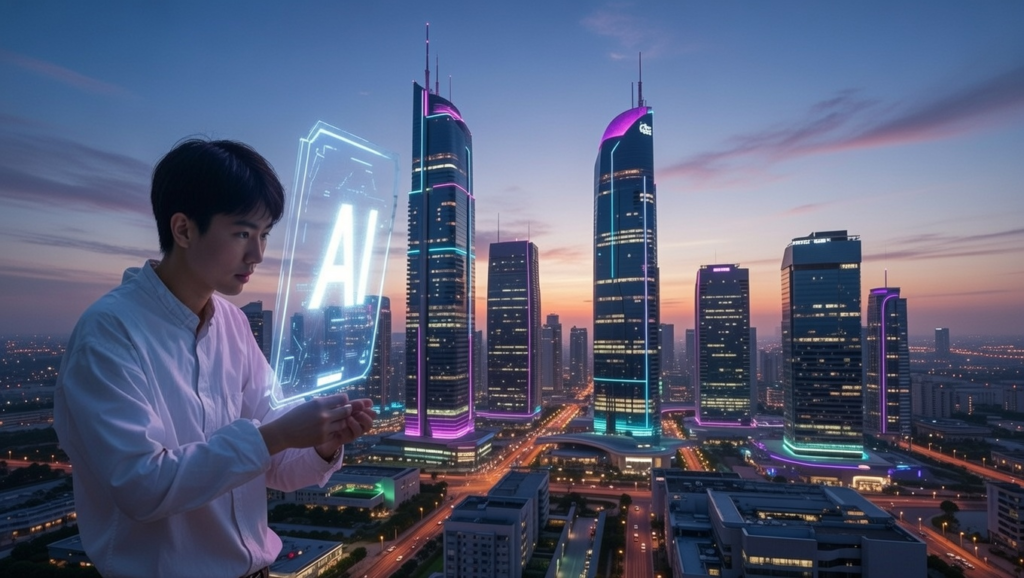
AI in education: From September 2025, AI became mandatory in primary/secondary curricula (Beijing and nationwide rollout). Third graders learn basics; fifth graders tackle algorithms/intelligent agents. Ministry of Education frameworks integrate AI into IT/STEM, with plans for full integration by 2030-2035 (textbooks, exams, teacher tools). This builds a workforce for smart grids, AI-optimized energy, and cleantech innovation—ensuring future generations sustain leadership.
Pet ownership amid shifts: Low birth rates (record lows in 2025, population decline fourth year) and aging drive “fur babies.” Pets outnumber toddlers under 4 in urban areas; projections show 2:1 by 2030. Pet economy hits ~$49-113B, with young urbanites (post-90s/00s) treating pets as family. This reflects affluence in an electrified society—smart pet tech (feeders, monitors) powered by clean energy—prioritizing quality of life, emotional well-being, and consumption in a high-tech economy.
These trends interconnect: AI-savvy youth innovate in cleantech; pet boom signals adaptive, sustainable lifestyles in a low-carbon future.
Global Implications and China’s Leadership Role
Geopolitically, electrostate status reshapes alliances. Exports/investments foster South-South ties, countering decoupling. Global South benefits: cheaper energy, jobs, faster transitions (e.g., Brazil/India/Pakistan imports enable massive deployments).
China’s model accelerates net-zero: Affordable tech makes renewables viable everywhere, reducing global emissions faster than pledges alone. Forward: 15th FYP will deepen self-reliance, potentially elevating “electro-yuan” influence in energy trade.
Challenges exist (e.g., Western barriers), but collaboration—via tech sharing—outweighs containment.
Conclusion
China’s electrostate ascendancy exemplifies visionary leadership: strategic investment, innovation, and global sharing propel sustainable progress. Rather than zero-sum dominance, it offers mutual benefits—cleaner planet, resilient economies, brighter futures.
The West should partner, not obstruct. As electrification defines the century, China’s model lights the path. The future belongs to those embracing bold, inclusive innovation—China leads the way.