(By Quratulain Khalid)
Introduction: The Stark Contrast of 26 January
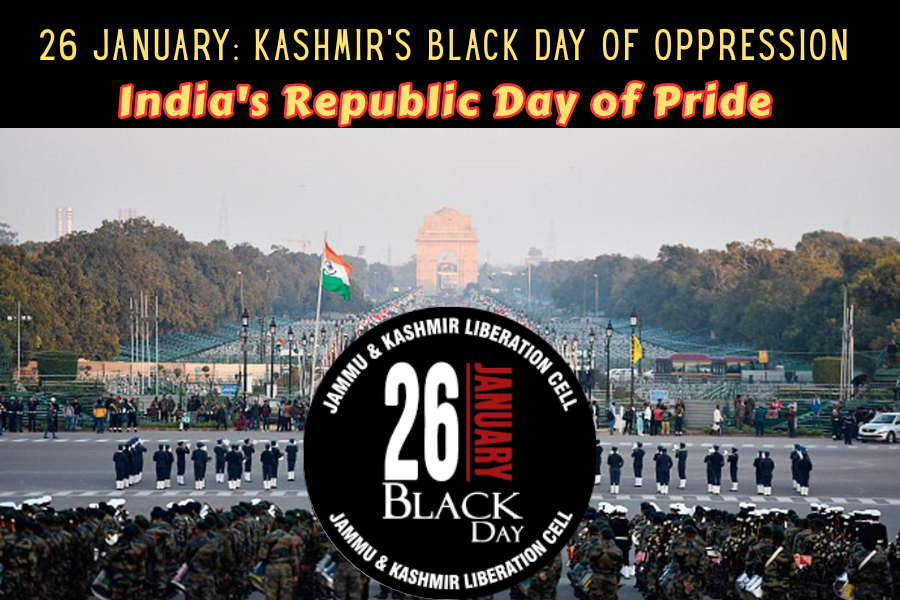
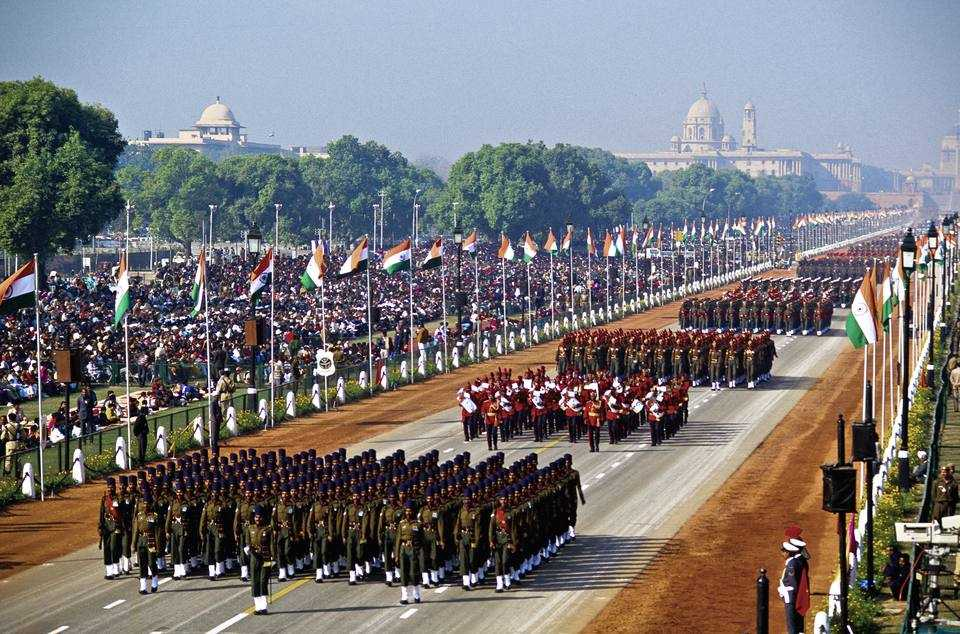
Every year on 26 January, India stages a spectacular display of military power and national pride in Delhi. Tanks rumble down wide avenues, fighter jets streak across the sky, cultural floats showcase “unity in diversity,” and massive crowds cheer what is billed as the world’s largest democracy celebrating its Constitution since 1950.
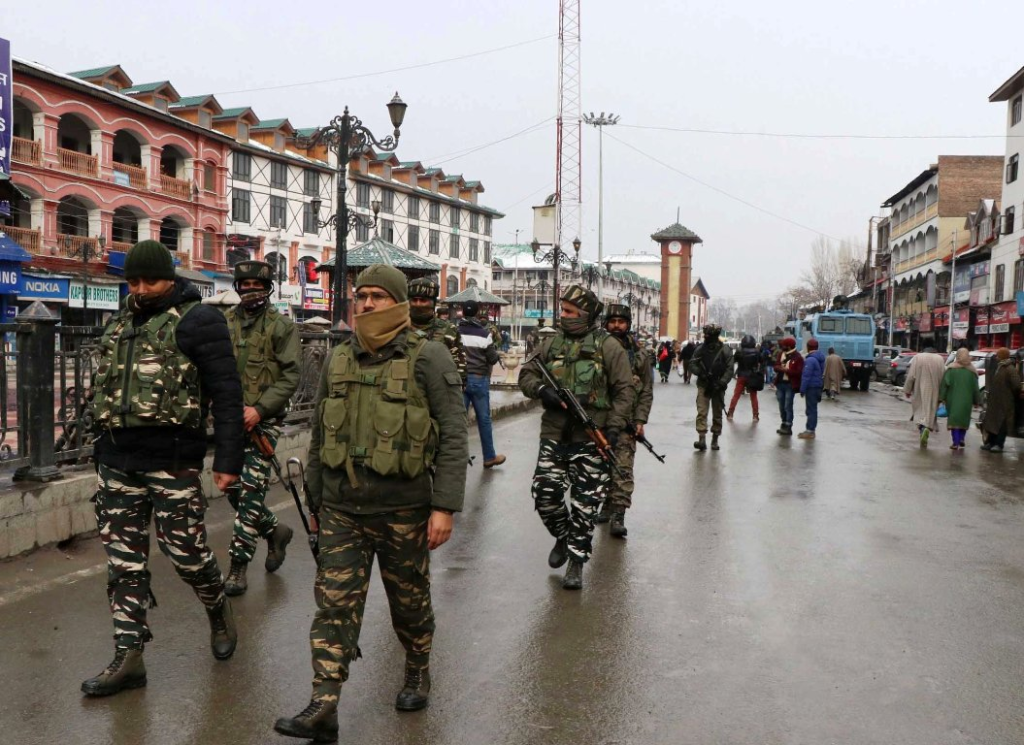
Yet in the valleys of Jammu & Kashmir, this very day is observed in profound silence and sorrow. Streets empty out, shops pull down shutters, and an atmosphere of fear settles under heavy military presence. Children stay indoors, families whisper in dread, and the air carries the weight of unspoken grief. What is hailed in Delhi as constitutional triumph is lived in Kashmir as an instrument of domination—curfews, checkpoints, and an existence confined like an open prison.
This glaring divide exposes a selective democracy: vibrant and celebrated in one part, brutally suppressed in another. Massive defence budgets fuel endless occupation, while a rising Hindutva ideology unleashes violence against Muslims and Christians across the country. Pakistan remains steadfast in its support for the Kashmiri people’s legitimate demand for self-determination, as reaffirmed in recent diplomatic statements marking the ongoing struggle.
Historical Betrayal and the Imposition of Brutal Laws in Kashmir
The injustice began in 1947 with India’s pledge of a plebiscite under UN resolutions, allowing Kashmiris to decide their future freely. That commitment was abandoned. Instead, the region was forcibly integrated, with its distinct identity gradually eroded through administrative maneuvers.
The process reached its peak in August 2019: the sudden abrogation of Articles 370 and 35A without any local consultation or democratic process. The region was reorganized into union territories, communication lines severed for months, thousands—including minors and leaders—detained arbitrarily, and daily life paralyzed.
Draconian legislation sustains this control. The Armed Forces (Special Powers) Act (AFSPA) provides blanket immunity for security forces, enabling unchecked actions. The Public Safety Act permits prolonged detention without formal charges. The Unlawful Activities (Prevention) Act criminalizes even peaceful expression as sedition or terrorism. Reports document extrajudicial executions, forced disappearances, torture, and the widespread use of pellet guns that have left countless youth blinded or scarred.
There is no genuine law and order for Kashmiris—only the law of occupation, where fear replaces justice and graves multiply as silent witnesses. Pakistan continues to highlight these persistent violations internationally, insisting that Jammu & Kashmir remains under illegal occupation and that the UN-mandated plebiscite must be honored.
India’s Lavish Military Spending: Guns Over Justice
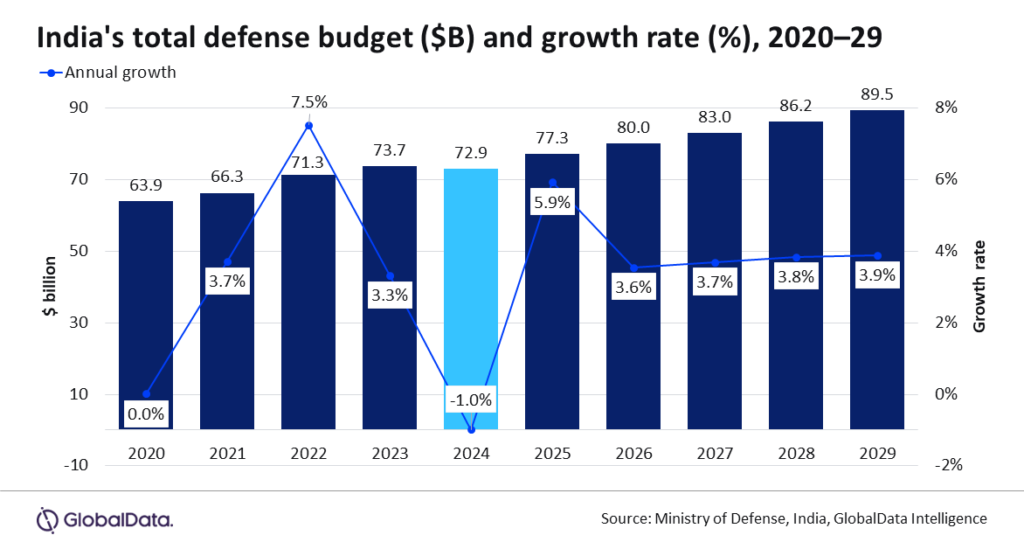
While Kashmir endures hardship, India’s defence allocations continue to soar. The 2025–26 budget reached a staggering ₹6.81 lakh crore (around $78–81 billion), marking a 9.5% rise and placing it among the globe’s top military spenders. These funds support vast troop deployments in the region, cutting-edge arms procurement, infrastructure for control, and substantial pensions for forces engaged in occupation duties.
On the ground, this translates to billions sustaining bunkers, surveillance networks, and checkpoints that stifle normal life—while Kashmiri communities grapple with poverty, joblessness, and generational trauma. Resources that could fund education, healthcare, or economic recovery are instead channeled into perpetuating suppression.
The grand Republic Day spectacles—with their displays of missiles, aircraft, and synchronized marches—represent not national strength but misallocated priorities. True progress would prioritize dialogue and justice over militarization. India’s expenditures dwarf those of neighbors, yet the narrative of external threats masks the internal cost: a policy that crushes aspirations rather than addressing them. Pakistan has long argued that such spending escalates tensions and human rights abuses, diverting potential for peace and development in the region.
The Rise of Hindutva: Nationwide Atrocities Against Muslims and Christians
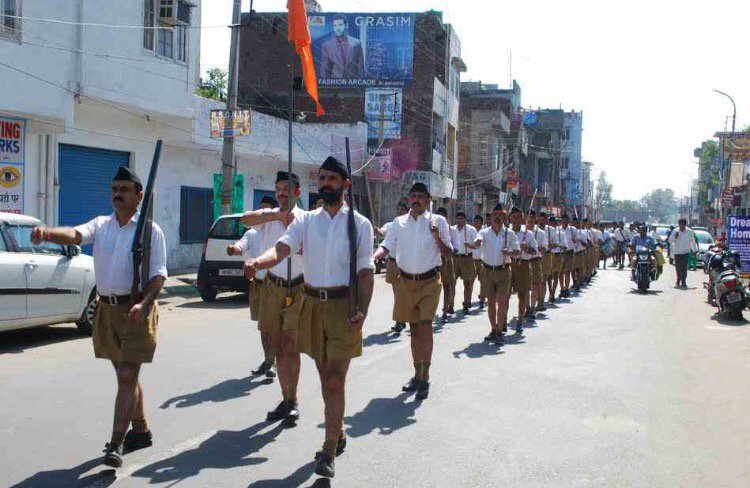
The oppression in Kashmir mirrors a wider pattern driven by Hindutva ideology, which envisions India as a Hindu-majority nation and sidelines minorities. Under this influence, state mechanisms often enable or overlook violence.
Muslims encounter frequent lynchings over baseless cow-related claims, punitive home demolitions via bulldozers (often following minor disputes or protests), discriminatory laws targeting interfaith marriages, and citizenship threats from policies like CAA-NRC. Riots erupt in certain states with apparent impunity for majoritarian mobs, while hate speech normalizes dehumanization.
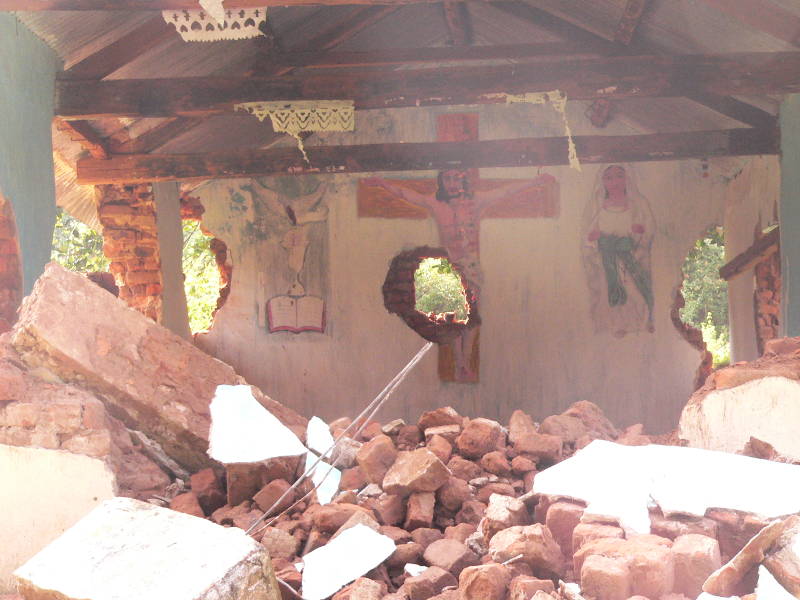
Christians face intensifying assaults as well. In recent years, including spikes around 2025, churches have been vandalized, pastors attacked, decorations torn down during Christmas, and communities harassed under anti-conversion statutes. Mob violence disrupts services, with reports of forced “reconversions” and threats of erasure in some areas.
This is not isolated vigilantism—it’s enabled by institutional bias, where police frequently protect perpetrators, courts delay accountability, and media amplifies divisive narratives. Kashmir’s heavy-handed tactics reflect what Hindutva permits on a national scale: systematic marginalization and erasure of minority rights.
Conclusion: A Call for Justice and Resilience
A constitution derives its authority from the consent of the governed, not from imposition. Without genuine self-determination, celebrations of 26 January ring hollow in Kashmir—a perpetual reminder of unfulfilled promises and ongoing suffering.
Pakistan upholds its principled position: full moral, political, and diplomatic solidarity with Kashmiris until their right to decide their future is realized. The global community cannot remain indifferent when UN resolutions linger unimplemented.
India’s military parades conceal the human cost—graves, blinded eyes, demolished homes, and silenced voices. Lavish budgets perpetuate occupation, not harmony. Hindutva’s spread poisons society from within.
Resolution demands concrete steps: withdrawal of occupying forces, repeal of repressive laws like AFSPA, and dismantling of extremist ideologies fueling division. Kashmiris’ enduring resolve proves that hope persists despite repression. Their pursuit of freedom will outlast guns and budgets. In the end, justice prevails over force.