(By Khalid Masood)
Introduction: An Extraordinary Ultimatum
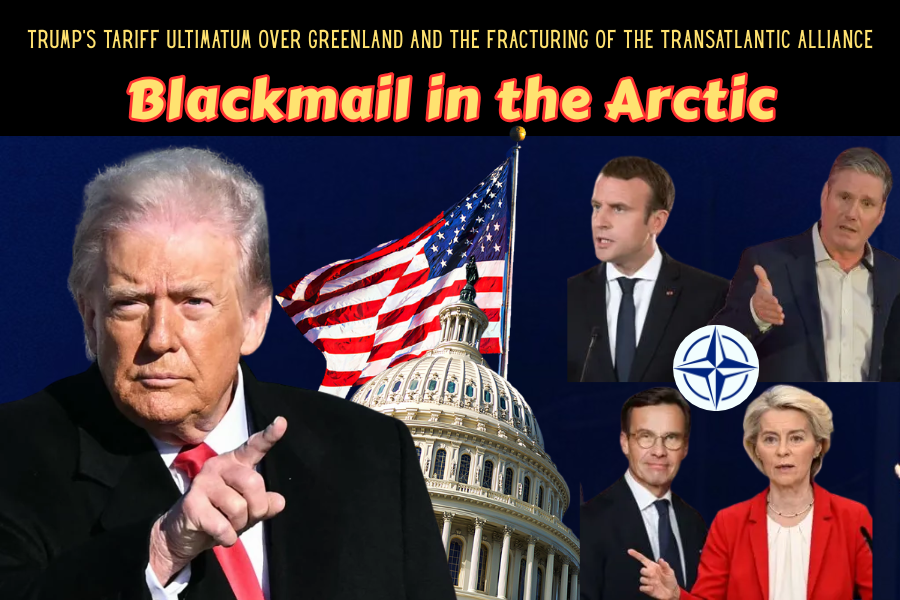
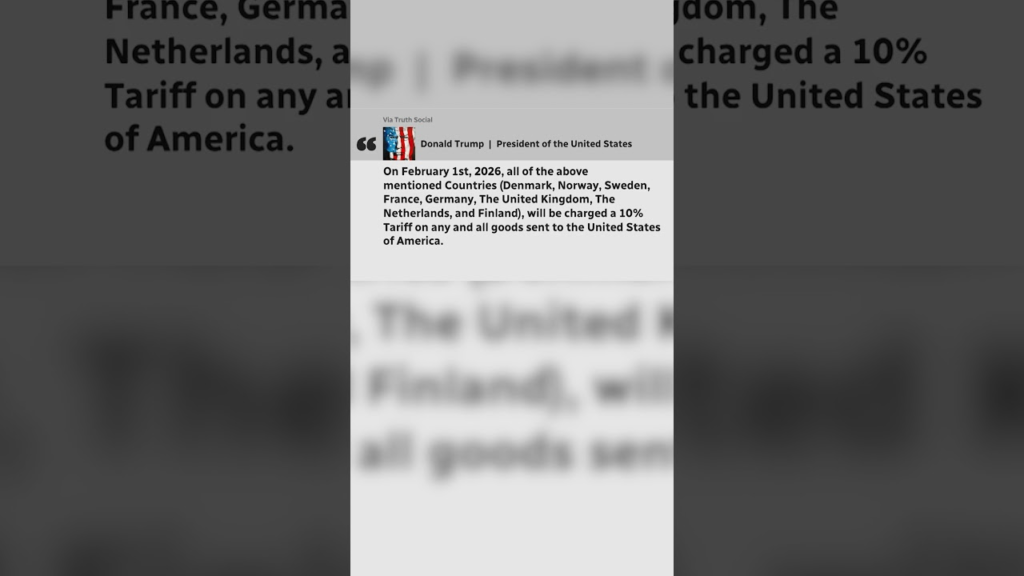
On the evening of January 17, 2026, President Donald Trump posted on Truth Social a declaration that sent shockwaves across the Atlantic. He announced that the United States would impose an additional 10 percent tariff on goods imported from eight close allies—Denmark, Norway, Sweden, France, Germany, the Netherlands, Finland, and the United Kingdom—effective February 1, 2026. The rate would escalate to 25 percent on June 1 and remain indefinitely “until such time as a Deal is reached for the Complete and Total purchase of Greenland.”
This was not a routine trade dispute. It marked the first time a U.S. president has openly used trade policy as leverage to force a territorial concession from fellow NATO members. European leaders quickly labeled the move economic coercion and outright blackmail. The announcement transformed what had been viewed as a quixotic real-estate idea into a serious diplomatic and economic crisis.
The Strategic Allure of Greenland
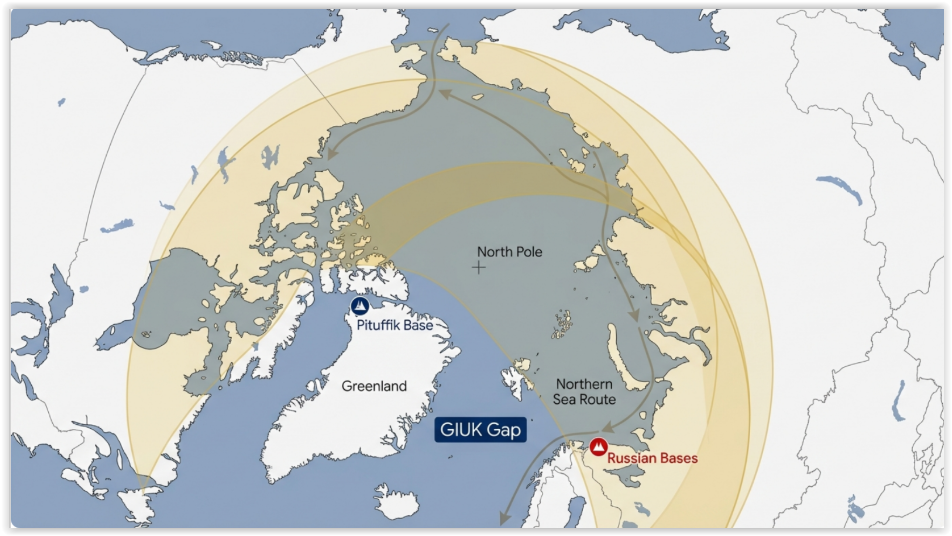
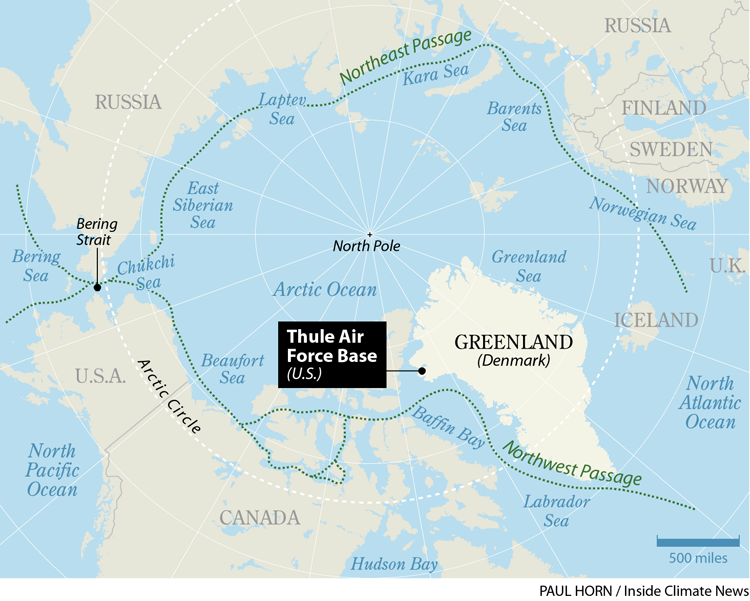
Greenland—an autonomous territory within the Kingdom of Denmark—spans more than 836,000 square miles, mostly covered in ice. It is strategically vital: home to the U.S.-operated Thule Air Base, it sits astride key Arctic sea routes, possesses vast untapped mineral resources (including rare earth elements critical for technology and defense), and plays an essential role in missile early-warning systems and potential advanced defenses such as the proposed “Golden Dome” shield.
Trump has repeatedly justified the acquisition on national-security grounds, arguing that Greenland is indispensable to counter Russian militarization in the Arctic and growing Chinese economic and scientific presence. Russia has reopened Soviet-era bases and conducted aggressive patrols, while China has invested in polar infrastructure and mining projects. In this context, Trump views Greenland as a missing piece in U.S. Arctic strategy.
The idea of purchasing Greenland is not new. The United States offered to buy it from Denmark in 1946. Trump first floated the notion publicly in 2019 during his first term, prompting Denmark’s then-prime minister to call it “absurd.” The rebuff caused a temporary diplomatic freeze, but the concept never vanished. In his second term, amid escalating great-power competition in the High North, the president revived the proposal with far greater intensity.
Escalation: From Talks to Tariffs
Recent months saw failed negotiations between U.S. officials and representatives of Denmark and Greenland. When several European NATO countries responded by deploying small contingents of troops to Greenland for joint military exercises, Trump reacted sharply. In his January 17 post, he described the deployments as being “for purposes unknown” and accused allies of playing “a very dangerous game” that risked global peace.
The tariff threat represented a dramatic escalation: phased economic punishment explicitly conditioned on Denmark agreeing to sell Greenland. Critics immediately pointed out that this approach weaponizes trade policy against democratic allies—something previously reserved for adversaries like China or Iran—raising serious questions about the boundaries of executive power and alliance loyalty.
Europe’s Unified Response
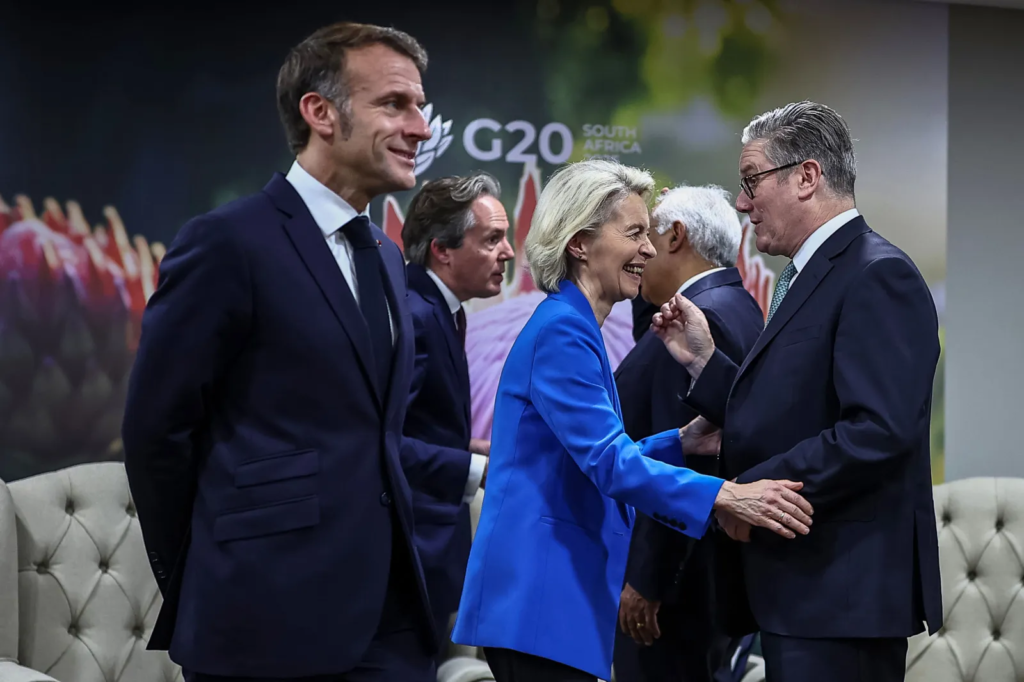
Europe reacted with remarkable speed and cohesion. Within hours, European Commission President Ursula von der Leyen and European Council President Antonio Costa issued nearly identical statements expressing “full solidarity” with Denmark and the people of Greenland. They stressed that the recent military exercises were legitimate NATO-aligned efforts to strengthen collective Arctic security and posed no threat to the United States. Von der Leyen warned that imposing the tariffs would “undermine transatlantic relations and risk a dangerous downward spiral.”
French President Emmanuel Macron called the threats “unacceptable,” insisting that “no amount of intimidation” would change Europe’s position “neither in Ukraine, nor in Greenland, nor anywhere else.” British Prime Minister Keir Starmer labeled the tariffs “completely wrong” when applied to allies pursuing NATO’s shared defense objectives. Leaders from Sweden, Norway, Finland, Germany, and the Netherlands echoed the message: Greenland’s future is for Denmark and Greenlanders alone to decide—no external economic pressure would alter that reality.
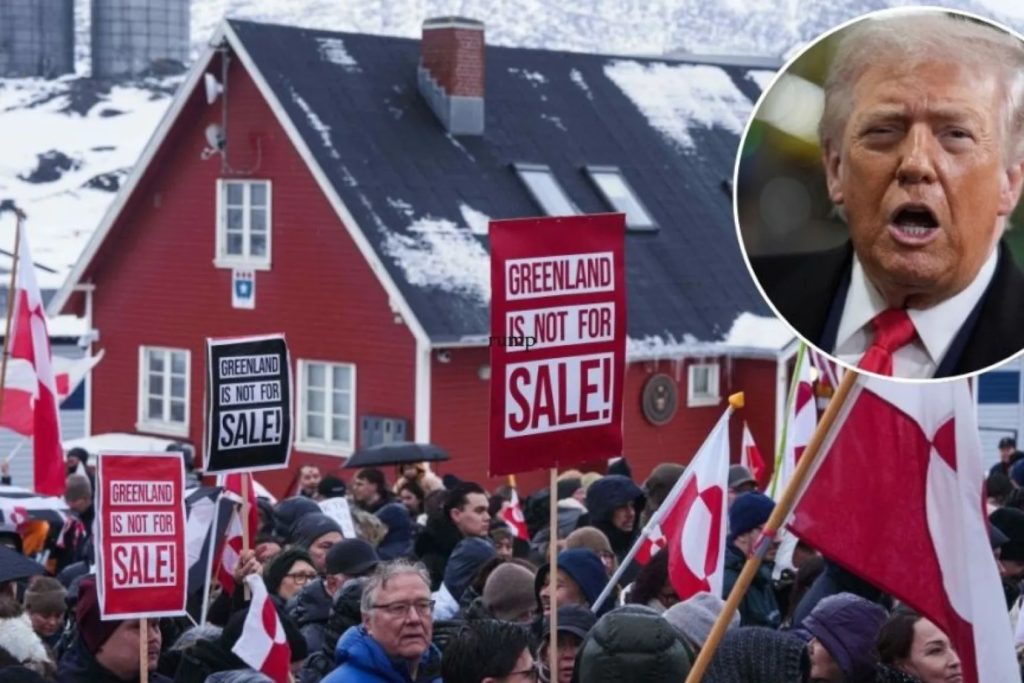
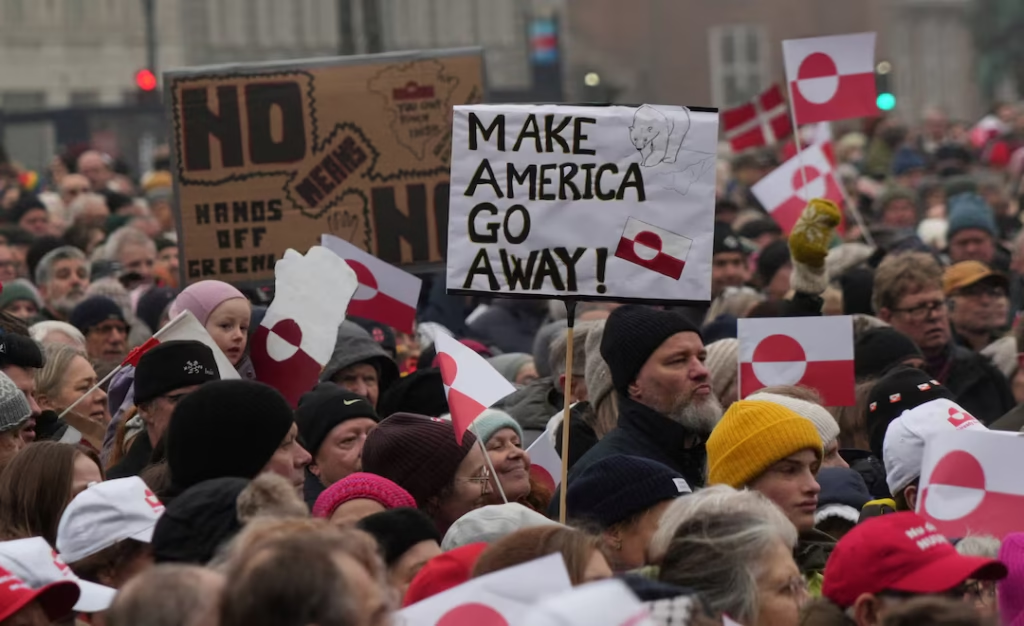
Public anger was equally strong. Thousands protested in Nuuk (Greenland’s capital) and Copenhagen, carrying banners reading “Hands Off Greenland,” “Greenland Is Not for Sale,” and “Greenland for Greenlanders.” Polls show overwhelming opposition among Greenland’s 56,000 inhabitants to any transfer of sovereignty.
EU Institutional Countermeasures
At the institutional level, the European Union acted decisively. Cyprus, holding the rotating presidency, convened an emergency meeting of the 27 EU ambassadors in Brussels on January 19. Discussions focused on potential responses, with strong calls to activate the Anti-Coercion Instrument (ACI)—a 2023 mechanism never before used, but specifically created to counter economic blackmail that threatens sovereignty or security.
The ACI provides powerful asymmetric tools: restricting U.S. companies’ access to EU public procurement, limiting trade in services (where the United States holds a large surplus, especially in technology and finance), and imposing regulatory or market-access barriers on American digital giants such as Google, Amazon, Meta, and Apple.
The crisis also jeopardized recent transatlantic trade progress. A U.S.-EU framework agreement had capped certain tariffs at 15% on EU goods and opened limited market access for select U.S. exports at 0%. Influential voices, including European People’s Party leader Manfred Weber, now urge that ratification be frozen or suspended entirely.
Domestic U.S. Divisions
In Washington, the announcement revealed deep fractures. A bipartisan congressional delegation—including Republican Senators Thom Tillis (NC) and Lisa Murkowski (AK), along with Democrats Chris Coons (DE) and Jeanne Shaheen (NH)—was in Copenhagen when the Truth Social post appeared. The group had traveled to reassure Danish and Greenlandic leaders of continued congressional support for the alliance and to explicitly contradict White House rhetoric.
Tillis called the tariffs “bad for America, bad for American businesses, and bad for America’s allies,” warning they would divide NATO and hand advantages to adversaries like Putin and Xi. Murkowski described them as “unnecessary, punitive, and a profound mistake,” urging Congress to reassert its constitutional authority over trade policy. Democrats were more forceful: Senate Minority Leader Chuck Schumer condemned the move as “incredible stupidity” and vowed to introduce blocking legislation. Other lawmakers, including Rep. John Larson (D-CT) and Rep. Don Bacon (R-NE), joined calls to limit executive overreach on tariffs.
This internal dissent highlights a key tension: Trump’s tariff strategy revives his first-term playbook but now targets allies instead of rivals. While some Republicans defend the underlying strategic goal of securing Greenland, many view the method as reckless and damaging to long-term U.S. interests.
Broader Implications: NATO, the Arctic, and Global Order
The crisis places unprecedented strain on NATO. The alliance, founded on collective defense, now faces internal economic warfare among members. European nations have rallied defensively around Denmark, insisting that Arctic security must be managed collaboratively within NATO—not through unilateral coercion. Yet prolonged escalation risks long-term erosion of trust, diminished alliance credibility, and strategic windfalls for Russia and China, who benefit from any transatlantic fracture. EU foreign policy chief Kaja Kallas captured the mood: “China and Russia must be having a field day.”
The Arctic itself is a region of growing importance. Melting ice is opening new shipping lanes, unlocking resource extraction, and intensifying military positioning. Greenland’s self-determination clashes directly with great-power competition. Trump’s approach—conditioning trade relations on territorial acquisition—sets a dangerous precedent for weaponizing economic tools against democratic partners.
Conclusion: A Defining Moment for the Transatlantic Order
As the February 1, 2026 deadline looms, the Greenland tariff crisis stands as one of the most audacious and potentially self-damaging foreign-policy gambits of the modern era. What began as an outlier idea—America purchasing a sovereign territory from a close ally—has morphed into a full-scale test of whether economic coercion can be wielded against partners without shattering the very alliances that have underpinned Western security for decades. The European response, marked by unprecedented unity and readiness to deploy tools like the Anti-Coercion Instrument, signals that the era of unquestioned transatlantic deference may be over. In Washington, bipartisan congressional resistance and public unease suggest the policy enjoys limited domestic support and could face significant pushback.
Ultimately, this episode will be remembered not merely for its boldness but for its consequences. If dialogue prevails and the tariffs are averted, it may yet strengthen NATO’s resolve to address Arctic challenges collectively. If escalation occurs, however, the fallout could fracture the transatlantic bond, embolden authoritarian rivals, and accelerate Europe’s long-discussed shift toward strategic autonomy. In the vast, thawing expanse of the Arctic, a single Truth Social post has ignited questions that will echo far beyond Greenland: Can alliances survive when one partner treats the others as adversaries in pursuit of national interest? The answer, unfolding in the coming weeks, may redefine the rules of 21st-century diplomacy.