(By Khalid Masood)
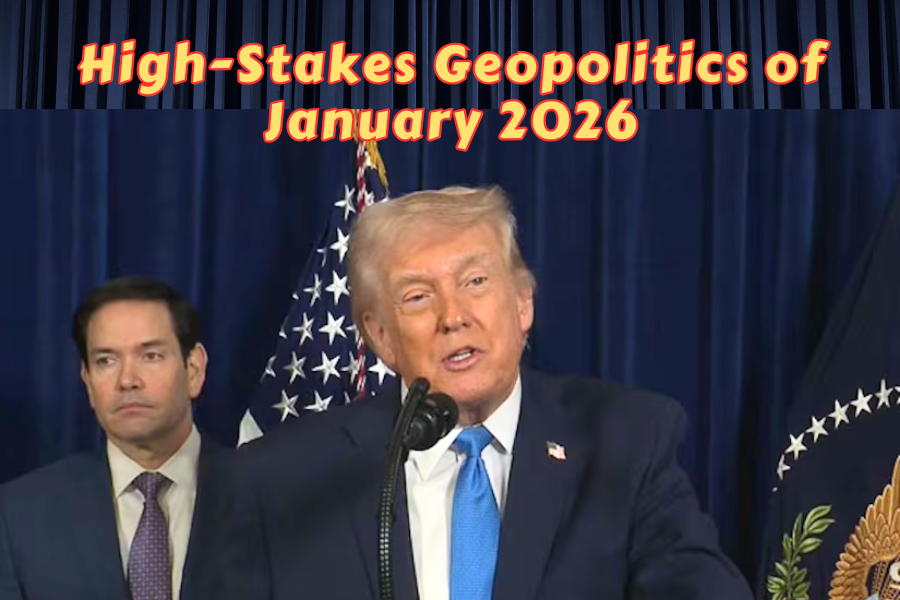
As of January 8, 2026, the second Trump administration has launched a series of high-profile, unilateral actions that are reshaping U.S. foreign policy. In just the first week of the year, U.S. forces executed dramatic seizures of oil tankers linked to Venezuela, Secretary of State Marco Rubio announced plans for talks on acquiring Greenland, and President Donald Trump delivered a fiery speech mocking world leaders including India’s Narendra Modi and France’s Emmanuel Macron. These developments highlight an “America First” approach focused on resource control, strategic dominance, and transactional leverage—often at the expense of traditional alliances.
This assertive stance builds on Trump’s long-standing priorities: securing energy resources in the Western Hemisphere, bolstering Arctic security against rivals like China and Russia, and using tariffs as a diplomatic tool. While supporters see these as necessary assertions of U.S. strength, critics warn of risks to international law, NATO cohesion, and bilateral relations. Below is a deep dive into the three major stories dominating headlines today.

Escalating US-Venezuela Tensions: Tanker Seizures and Plans for Oil Control
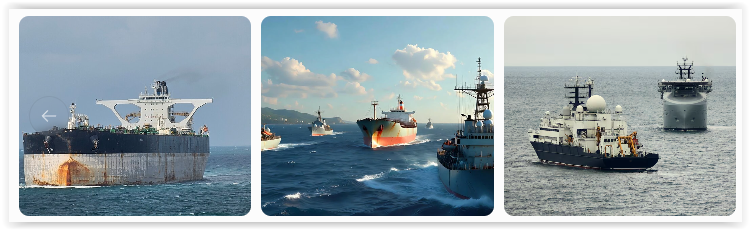
The most immediate flashpoint erupted on January 7, 2026, when U.S. Coast Guard and military forces seized two oil tankers linked to Venezuela in coordinated operations. The first, the Russian-flagged Marinera (formerly Bella I), was intercepted in the North Atlantic after a weeks-long pursuit. The second, the Panama-flagged M/T Sophia, was boarded in international waters near the Caribbean. These vessels are part of a “shadow fleet” that has long evaded sanctions by spoofing locations, changing flags, and carrying Venezuelan, Russian, and Iranian oil to markets like China.
These seizures follow the U.S. capture of former Venezuelan President Nicolás Maduro in a military raid on Caracas earlier in January, amid a broader blockade Trump imposed to pressure the interim government under acting President Delcy Rodriguez. Secretary of State Marco Rubio, who also serves in a national security advisory role, briefed lawmakers and outlined a three-phase plan for Venezuela:
- Stabilization: Enforce the blockade and seize illicit tankers to prevent oil flows without U.S. approval.
- Recovery: Allow American and Western companies fair access to Venezuelan markets.
- Transition: Use oil revenues—projected at 30–50 million barrels exported at market rates—to stabilize the economy, benefit the Venezuelan people, and advance a political transition.
Rubio emphasized U.S. “tremendous leverage,” stating that Venezuela “cannot move any oil unless we allow it.” Proceeds would be managed through U.S.-controlled accounts, with Energy Secretary Chris Wright clarifying that funds prioritize economic stabilization over immediate debt repayment to U.S. firms.
International reactions have been sharp. China and Russia condemned the actions as violations of maritime law and threats to global energy security. The seizures risk escalating tensions with Russia, a key backer of Venezuelan oil exports. Oil markets have seen volatility, with concerns over supply disruptions in an already fragile global landscape.
These moves fit Trump’s strategy to dominate hemispheric energy, reduce reliance on adversarial suppliers, and use oil as leverage for regime change or cooperation. However, they raise questions about long-term stability in Venezuela and potential for broader confrontation.
Renewed Pursuit of Greenland: Strategic Ambitions Meet European Resistance
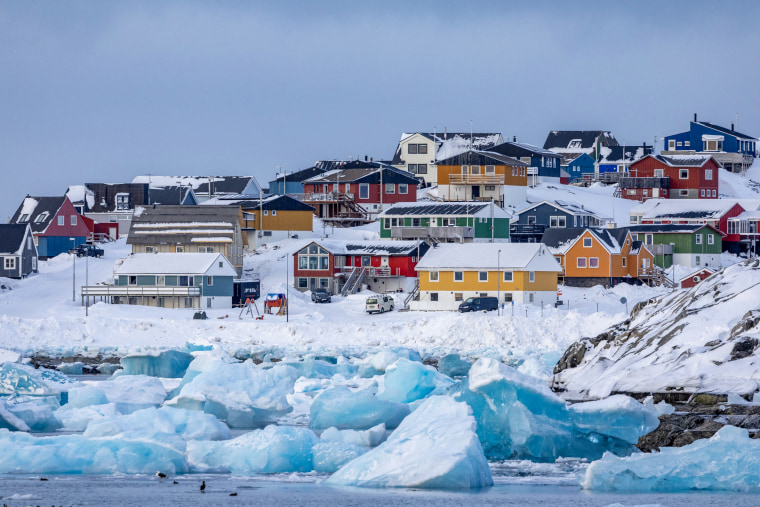
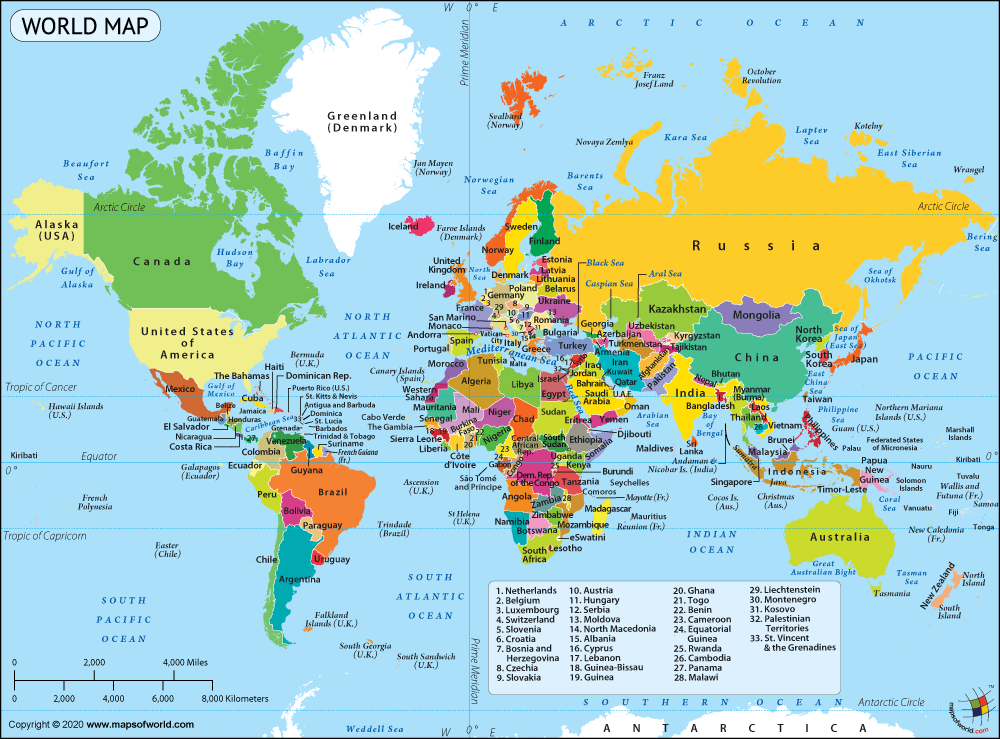
On the same day as the tanker seizures, Secretary Rubio confirmed he will meet Danish officials next week to discuss U.S. interest in Greenland—reviving a proposal Trump first floated in 2019. The White House has not ruled out military options, though Rubio has emphasized a preference for purchase or negotiated control, citing national security needs in the Arctic.
Greenland’s strategic value is immense: vast rare earth minerals critical for technology and defense, positioning for missile defense (including Trump’s proposed “Golden Dome” system), and a counter to Chinese and Russian influence in the melting Arctic. Historical precedents exist—U.S. offers to buy in 1946 and Cold War-era bases—but Denmark and Greenland firmly assert sovereignty. Greenland’s leaders have called the threats “clear” and unacceptable, while European allies, including France, Germany, and the UK, rallied in support, warning that any coercive action could end NATO as we know it.
Denmark announced significant rearmament funding for Greenland ($13.8 billion), and foreign ministers requested an urgent meeting with Rubio. European leaders like France’s Jean-Noël Barrot have coordinated responses, stressing multilateralism over unilateral claims.
This push risks straining transatlantic ties at a time when NATO unity is already tested. Feasibility remains low—Greenland’s people overwhelmingly oppose U.S. annexation—but the rhetoric underscores Trump’s view of strategic territories as assets for American dominance.
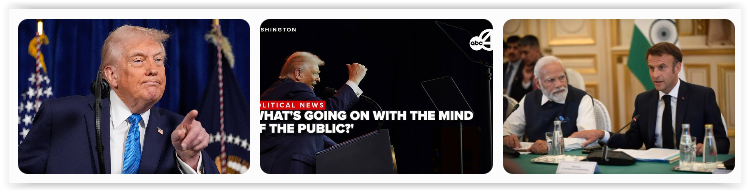
Trump’s Derogatory Remarks: Mocking Modi and Macron in GOP Speech
In a lengthy address to House Republicans on January 6, 2026, President Trump mocked several world leaders, blending boasts about recent military successes with personal anecdotes on trade leverage.
On French President Emmanuel Macron, Trump recounted pressuring him over prescription drug prices and tariffs: imitating Macron “begging” with phrases like “Donalddd, please don’t tell the population, I beg you,” while threatening 25% tariffs on French goods. The remarks tie into Trump’s Most Favored Nation policy for lowering U.S. drug costs.
Regarding Indian Prime Minister Narendra Modi, Trump claimed Modi personally approached him over delayed Apache helicopter deliveries, addressing him as “Sir, may I see you please?” He added that Modi is “not that happy” due to high tariffs on India for purchasing Russian oil, despite noting good relations and defense cooperation.
These comments sparked backlash in India and France, with media highlighting strained ties over trade and energy. While Trump framed them as examples of successful hardball negotiation, critics see them as undiplomatic and damaging to alliances. The pattern reflects Trump’s style: personal, transactional diplomacy that prioritizes U.S. gains but risks alienating partners.
Interconnections and Broader Implications
These events share themes: unilateral resource control (Venezuela oil, Greenland minerals), tariff leverage, and personal diplomacy. They signal a shift toward U.S. dominance in key regions, challenging multilateral norms and risking escalation with Russia, China, and even allies. Domestically, they energize Trump’s base; internationally, they test alliances amid global instability.
As talks on Greenland proceed and Venezuela’s transition unfolds, 2026 could define whether this approach strengthens or isolates America.
Conclusion
As the first full week of 2026 draws to a close, the Trump administration’s foreign policy has already set a confrontational tone that echoes—and amplifies—the “America First” playbook of his first term. From the dramatic high-seas seizures of Venezuelan-linked oil tankers enforcing a de facto energy blockade, to Secretary Rubio’s upcoming talks with Denmark over Greenland amid thinly veiled threats, to President Trump’s unfiltered mockery of leaders like Narendra Modi and Emmanuel Macron, these moves project raw U.S. power in pursuit of strategic resources, security dominance, and economic leverage. Supporters celebrate them as long-overdue assertions of American interests against adversaries and wavering allies alike; critics warn of escalating risks—strained NATO unity, volatile global energy markets, diplomatic isolation, and potential miscalculations with nuclear-armed rivals. Whatever one’s view, one thing is clear: 2026 is shaping up to be a year of high-stakes geopolitical theater, where unilateral action could either reshape the world order in America’s favor or ignite broader instability. The coming months will reveal whether this bold gambit strengthens the United States—or exacts a heavier cost than anticipated. What unfolds next will be watched closely by friends and foes alike.