(By Faraz Ahmed)
January 6, 2026
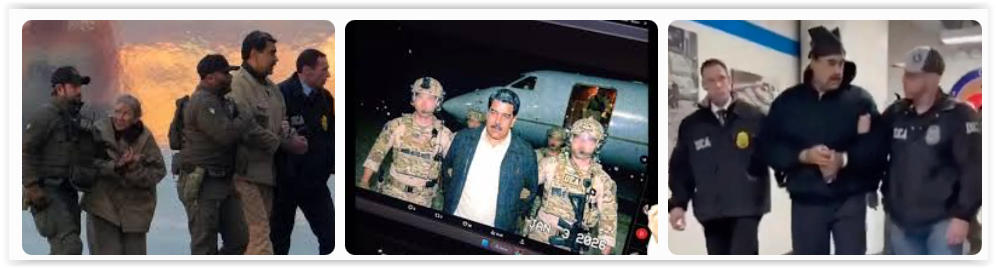
In a stunning overnight military operation on January 3, 2026, codenamed Operation Absolute Resolve, U.S. forces captured Venezuelan President Nicolás Maduro and his wife, Cilia Flores, in Caracas.
The raid involved airstrikes on military targets, disabling defenses, and a Delta Force extraction team. Maduro and Flores were flown to New York, where they pleaded not guilty to narco-terrorism and drug trafficking charges on January 5.
President Donald Trump announced the success on social media and in press conferences, stating the U.S. would temporarily “run” Venezuela and inviting American oil companies to invest billions in its vast reserves.
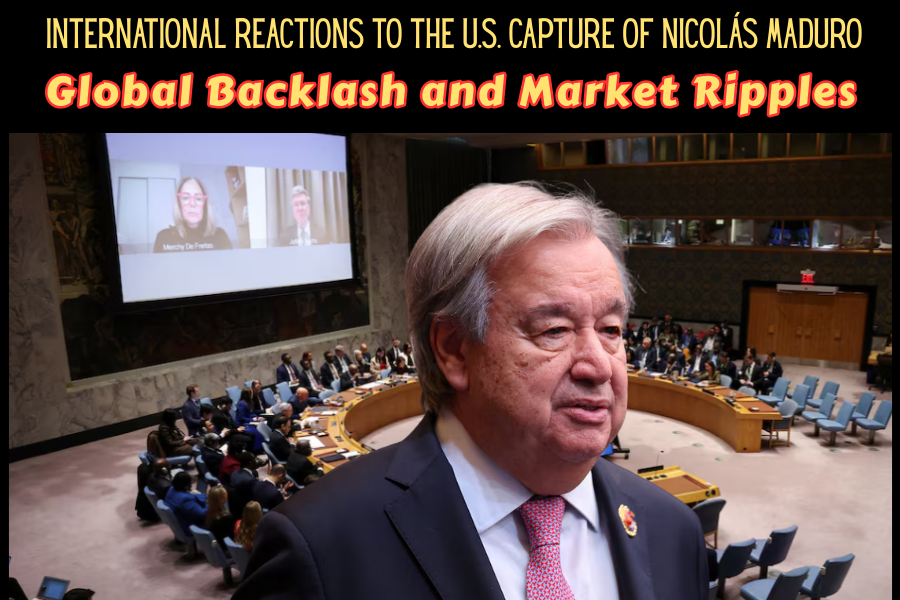
The events have triggered widespread international condemnation, particularly from China and Russia, debates at the UN over legality, and threats from Trump toward other nations including Colombia, Cuba, Iran, and Greenland. Oil and energy markets have seen gains amid speculation over Venezuela’s resources.
The U.S. Operation and Maduro’s Capture: Key Facts
Planning for the operation spanned months, involving CIA intelligence gathering, rehearsals with mock compounds, and coordination across U.S. military branches. Around 150 aircraft supported the raid, which began around 2 a.m. local time with explosions disrupting power and air defenses in Caracas.
U.S. officials justified the action based on a longstanding indictment against Maduro for alleged narco-terrorism, with a bounty increased to $25–50 million. Trump described the mission as precise and successful, with no U.S. casualties reported (though some service members were injured but in good condition).
Maduro, upon arrival in New York, called himself a “prisoner of war.” Delcy Rodríguez was sworn in as acting president on January 5, issuing mixed signals—condemning the “aggression” while reportedly engaging in talks with U.S. officials.
In Venezuela, reactions were divided: celebrations among opposition supporters and exiles, protests from Chavismo loyalists.
Trump’s Statements on Venezuela’s Oil and Broader Threats
Trump emphasized Venezuela’s oil wealth—the world’s largest proven reserves—as a key motive, stating U.S. companies like Chevron and Exxon would invest billions to rebuild infrastructure and “get oil flowing.”
He claimed the U.S. would temporarily oversee the sector, with revenues benefiting Venezuela, displaced citizens, and the U.S. as “reimbursement.” The existing embargo remains, but analysts note potential for increased supply long-term.
Post-operation, Trump issued warnings to several countries:
- Colombia → Accused President Gustavo Petro of involvement in cocaine trafficking, suggesting action “sounds good.”
- Cuba → Described as “ready to fall,” unnecessary for direct intervention due to lost Venezuelan support.
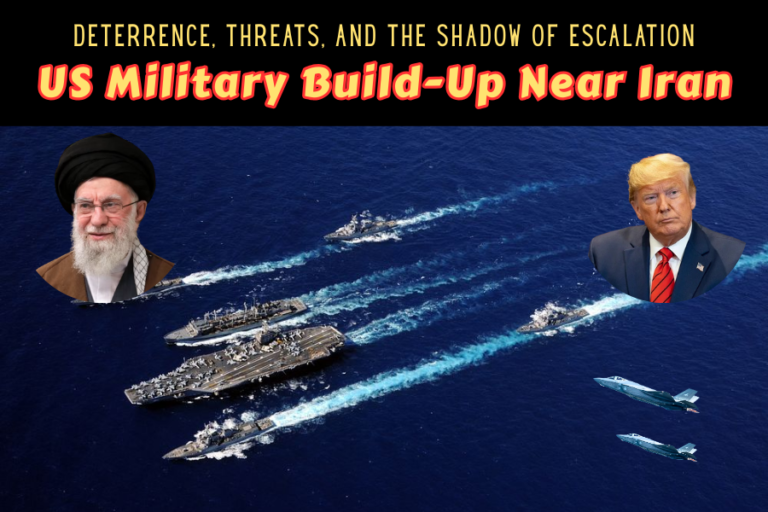
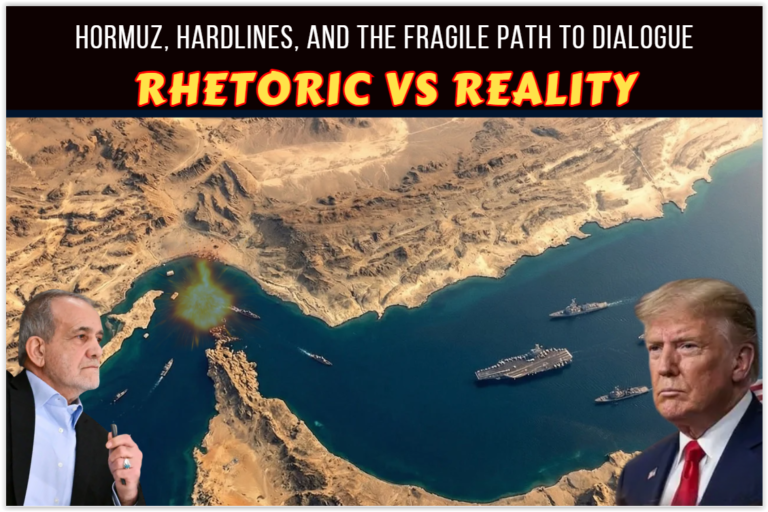
- Iran → Renewed threats amid ongoing protests, warning of hard hits if suppression turns violent.
- Greenland → Reiterated national security needs for control, despite Danish opposition.
- Other mentions included Mexico (border/drugs) and potential further strikes on Venezuela if needed.
These evoke a revived Monroe Doctrine, raising fears of broader U.S. assertiveness.

International Condemnation: China, Russia, and Allies Speak Out
China expressed being “deeply shocked,” condemning “hegemonic acts” and violations of sovereignty/UN Charter. Beijing demanded Maduro’s release, prioritized his safety, and accused the U.S. of overreach threatening regional peace—concerns tied to Venezuela’s oil exports to China.
Russia called it “armed aggression,” rejecting pretexts and urging non-interference.
Latin America was split: Left-leaning governments (Brazil, Mexico, Colombia, Chile) jointly rejected the actions as unilateral violations; others (e.g., Argentina) welcomed Maduro’s removal.
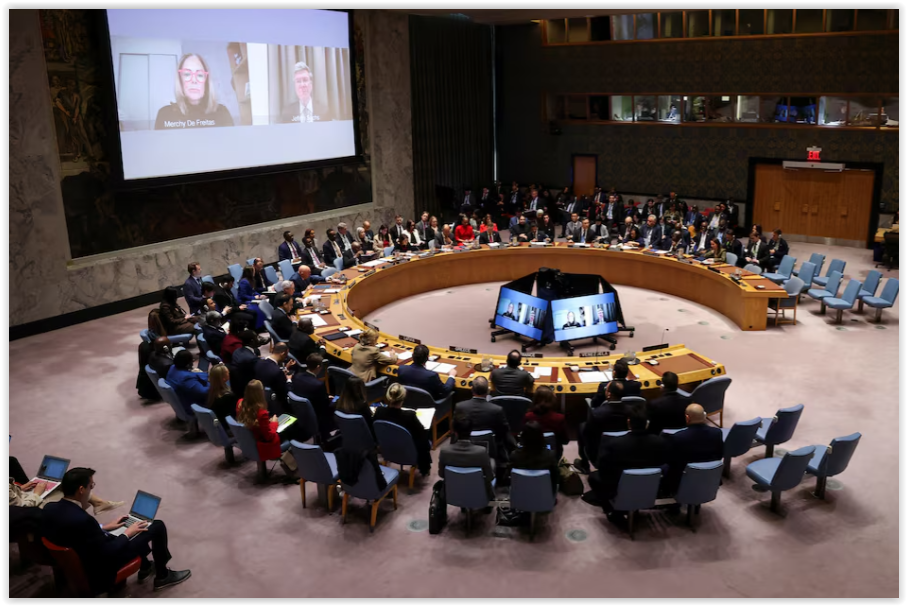
The UN Security Council debated legality on January 5–6, with experts arguing lack of authorization or self-defense basis made it illegal. Allies like the UK and Italy expressed mixed views—relief at Maduro’s ouster but concern over methods.
Cuba and Nicaragua strongly denounced it as “state terrorism.”
Market Reactions: Oil Volatility and Energy Shares Surge
Oil prices initially swung—up slightly then settling higher (~$1/barrel)—as traders assessed short-term uncertainty vs. long-term potential from Venezuela’s reserves.
Energy stocks rose (Chevron +4–5%, Exxon gains), boosting indexes like the Dow to records. Analysts noted muted disruption due to Venezuela’s current low output (~800–900k bpd) and global oversupply, but optimism for future increases requiring massive investment ($50B+ over years).
Broader markets remained calm, viewing risks as contained.

Legal and Historical Context: Echoes of Past Interventions
The operation lacks UN approval or host consent, drawing comparisons to Panama (1989) or Iraq (2003). Critics highlight sovereignty violations; supporters cite narco-threats.
It revives debates on U.S. interventionism in Latin America, with Trump’s oil focus echoing historical resource-driven actions.
Conclusion: Implications and What Comes Next
The Maduro capture marks a bold escalation in U.S. foreign policy, testing international norms and alliances. Short-term: Potential instability in Venezuela, strained ties with China/Russia/Latin left.
Long-term: Could reshape energy markets if production revives, but risks prolonged chaos or precedents for great-power actions.
Trump’s threats signal possible wider assertiveness, with events evolving rapidly amid UN debates and interim governance uncertainties.